
28-daagse transformatieve 300-uur durende meditatie-docentenopleiding in Rishikesh, India
Meditation Teacher Training in India
India has always been home for yoga and meditation, a land where ancient sages explored the deepest layers of the mind and discovered paths to peace. This 300-hour meditation teacher training in Rishikesh, India, is designed for individuals who want to study meditation in a structured and consistent manner.
Maak kennis met de instructeurs
Waarom deze reis?
- Daily yoga stretching class
- Daily Pranayama class
- Daily mantra chanting session
- Daily Vedic wellness pooja
- Satsang once a week
- Multiple meditation techniques
- 27 nights accommodation with daily Sattvikta meals
- Course manual and stationary
Niveau
- Beginner
Stijlen
27 instructiedagen in het Engels
Accommodatie
Faciliteiten
- Spa
- Eetruimte
- Milieuvriendelijk
- Tuin
- Keuken
- Meditatietuin
- Rookvrije omgeving
- Terras
- Yoga shala
- Yogastudio
- Gratis parkeren
- Gratis Wi-Fi
- Internettoegang
- Bibliotheek
- Parkeerplaats
- Draadloos internet
We ensure your stay in neat and clean ashram-style accommodation.
You will have a private room with an attached washroom and a beautiful view of the Himalayas.
Our ashram also features a sunlit garden filled with lush greenery, providing a peaceful space to relax.
Programma
The course focuses on understanding meditation through direct practice and clear guidance. Students learn different methods of breath awareness, concentration, and observation of thoughts along with all simple and complex frameworks used in meditation practices. The daily schedule includes guided practice, group sessions, individual silent sitting time, learning materials, and other teaching methodologies. Instructors provide step-by-step guidance to help students understand how to practice and how to guide others. The program is suitable for beginners refining foundational practice and for practitioners preparing to teach meditation responsibly. The training maintains a simple, disciplined, and supportive environment in Rishikesh.
Why do meditation in Rishikesh? The birthplace of yoga
India is the land where meditation took form through ancient sages who explored the depths of consciousness. Among all the sacred places in India, Rishikesh holds a special significance. Recognized as the birthplace of yoga and honored as the Yoga Capital of the World, Rishikesh rests peacefully along the holy River Ganga, surrounded by the serene Himalayan foothills. The environment of Rishikesh itself encourages stillness, silence, and a natural shift inward. It is a place where spiritual practice feels effortless and intuitive.
This 300-hour meditation teacher training in Rishikesh is designed to offer not just knowledge but transformation. This meditation training goes beyond theoretical learning and brings meditation into everyday experience. Through regular practice, reflective sessions, yogic philosophy, breathwork, and guidance from experienced teachers, you gradually begin to understand your inner world with clarity. You learn how to recognize patterns of the mind, cultivate awareness, and rest in presence.
The course also prepares you to confidently guide others on their meditation journey by developing communication skills, class structuring, and compassionate teaching methods. Training in Rishikesh, the Yoga Capital of the World, enhances this learning experience, as the atmosphere here naturally supports focus, discipline, and a deeper connection to meditation practices.
This training supports personal growth, emotional steadiness, and professional teaching ability by offering a strong and authentic foundation shaped by the spiritual environment of Rishikesh.
About this training
This meditation teacher training in Rishikesh is designed to help you experience meditation deeply and learn how to guide others with authenticity. This structured program gradually takes you from foundational awareness meditative practices to more advanced meditative states. The training includes daily guided sessions, theory classes, teaching practice, and personal mentoring with experienced meditation teachers.
Across these 28 days, you will explore techniques suitable for beginner, intermediate, and advanced meditation practitioners, allowing you to understand how the mind evolves at each stage. The course focuses on self-experience first, because only what you have lived within can be genuinely shared with others.
This is a journey of learning, inner clarity, and transformation.
Beginner Level
This stage focuses on building a calm and steady foundation. Students learn basic breathing awareness, guided relaxation and simple concentration techniques. The aim is to stabilize the mind and body so meditation becomes natural and comfortable, without pressure or strain.
Intermediate Level
At this level, students gradually move into deeper observation practices of meditation. Techniques such as mantra, mindfulness and silent sitting are introduced to improve focus and mental clarity. Guidance is provided to help students maintain consistency and understand subtle changes in awareness.
Advanced Level
Advanced meditation training involves inner inquiry, self-reflection and practices that cultivate sustained presence. Students learn methods to observe the mind without reaction and experience quieter states of awareness. The approach here shifts from “doing meditation” to simply “being in the state of meditation”.
Teaching Methods
The teaching approach focuses on experiential learning. Students first practice each technique personally, then learn how to guide others with confidence. The teaching methodology includes explanation, demonstration, practice teaching, feedback and supportive mentoring to develop clarity.
Syllabus
The course includes daily Vedic wellness pooja, yoga and pranayama, meditation theory and practice, vipassana and mindfulness, self-enquiry, kundalini chakras, mantra chanting, and evening meditation. It also covers theory classes, karma yoga, body and mind cleansing techniques, Vedic philosophy, yagna, nitya vandana, and Sanskrit mantras.
There are 30 meditation techniques taught in the course:
1) Yoga asana (postures):
- About yoga
- Origin of yoga
- History of yoga
- Types of yoga
- Yoga benefits
- Indian traditional yoga
- Guidelines for yoga class
- Asana adjustment and alignment
- Difference between yoga and gym
- Yoga etymology
- About Vedic ascetic practices
- Yoga as Karma and Bhakti
Meditative postures:
- Sukhasana
- Vajrasana
- Swastikasana
- Sidhasana
- Muktasana
- Ardha Padmasana
- Padmasana
- Virasana
- Simhasana
- Shavasana
Standing postures:
- Pranamasana
- Urdhva Vrksasana
- Tadasana
- Utkatasana
- Padangusthasana
- Surya Namaskara A & B
- Trikonasana & variation
- Parshvakonasana & variation
- Veerbhadrasana I, II & III
- Padahastasana
- Prasarita Padottanasana A, B,C & D
- Hastotanasana
Balancing postures:
- Vrikshasana
- Ardha Chandrasana
- Vasisthasana
- Garudasana
- Utthita Hasta Padangustasana A,B & C
- Kakasana
- Natarajasana
- Kukkutasana
- Utpluthih
- Veerbhadrasana I, II & III
- Bakasana
- Vatayan Asana
Inversion postures:
- Adho Mukha Savasana
- Adho Mukha Vrksasana
- Sirsasana and variation
- Sarvangasana
- Halasana
- Karna-Pidasana
- Pindasana
- Urdhva Padmasana
- Pincha mayurasana
- Uttanasana
- Uttana Padasana
- Matsyasana
Twisting postures:
- Merubakrasana
- Pasasana
- Ardhamatsyendrasana
- Parivrtta Trikonasana
- Parivrtta Parsvakonasana
- Parivrtta Janu Sirsasana
- Marichyasana A, B, C & D
- Eka Pada Koundinyanasana I
- Katichakrasana
- tiryaka bhujangasana
- visvamitrasana
- bharadvajasana
Backbend postures:
- Bhujangasana
- Urdhva Mukha Svanasana
- Marjariasana
- Ushtrasana
- Ardha Dhanurasana
- Chakrasana and variation
- Matsyasana
- Eka PadaRajkapotasana
- Kapotasana
- Dhanurasana
- purna bhujangasana
- Eka Pada Rajakapotasana in Hanumanasana
Forward-bend postures:
- Adho Mukha Svanasana
- Paschimotanasana (A, B, C & D)
- Janu Shirasana (A, B, & C)
- Padangushtana
- Prasarita Padottanasana
- Parsvottanasana
- Ardha Baddha Padma Paschimottanasana
- Triang Mukha Eka Pada Paschimottanasana
- upavistha konasana
- Kurmasana
- Supta kurmasana
- Supta konasana
Restorative postures:
- Balasana
- Sashankasana
- Makarasana
- Savasana
- Viparita Karani
- Supta Matsyendrasana
- Supta Badha Konasana
- Malasana(changes)
- Gomukhasana
- Paschimottanasana
- Halasana
- Ustrasana
2) Shatkarma (Yogic cleansing):
- About Shatkarma
- Benefits of Shatkarma
- Jal Neti
- Sutra Neti
- Kunjal Kriya (Vaman)
- Nauli (Abdominal Breathing)
- Trataka
- Kapalbhati
- Dhauti
3) Pranayama (Breathing controls):
- What is pranayama?
- Benefits of pranayama
- Anulom-vilom
- Nadi Shodhana
- Bhastrika
- Surya and Chandra Bhedi
- Sheetali and Sheetkari
- Ujjayi Pranayama
- Bhramari
- Palavani
- Introduction to Nadi
- Mantra Pranayama
- Moorchha
4) Yoga Mudras:
- Gyan Mudra
- Vishnu Mudra
- Varun Mudra
- Vayu Mudra
- Prana Mudra
- Surya Mudra
- Bhairav mudra
- Vajra Mudra
- Apan Mudra
- Hakini Mudra
- Padma Mudra
5) Bandhas:
- Jalandhar Bandha
- Uddiyan Bandha
- Mool Bandha
- Maha Bandha
6) Meditation philosophy (Darshana)
- Bhagavad Gita philosophy
- Kundalini
- Chakras
- Darshana
7) Teaching methodology (Adhyapan)
- Techniques of teaching
- Marketing
- Basic class plans
- Student and teacher guidelines
The essential qualities for this course are genuine curiosity and engagement, attentive listening and deep understanding, a non-argumentative and ego-free approach, full acceptance of nature's creations, and the ability to flow effortlessly with life.
Key points:
- Active-level meditation
- Passive level meditation
- Meditation on Kundalini - Understanding the root
- Mantra chanting - Using the body as an instrument
- Vipassana Meditation Study and Practice
- Chakra Meditation - Understanding the Chakras
- Pranayama - Breathing techniques study
- Visualization meditation - Understanding the brain
- Raj yoga study and practice
- Srimad Bhagavad Gita philosophy study
- Teaching methodology - How to organize programs
- Mindfulness meditation study and practice
- Introduction and biography of great Indian sages
- Shatkarma - Body cleansing techniques
Course daily schedule
The daily course schedule is thoughtfully designed for beginners, progressing smoothly from beginner to intermediate, and then to advanced levels. It includes studying multiple meditation techniques, self-enquiry, Sattvikta meals, sightseeing activities, and a variety of other mindfulness practices.
Awakening (4 activities)
- 05:00 - 05:15 Wake up
- 05:15 - 05:30 Nitya Karma by self
- 05:30 - 06:00 Vedic wellness pooja
- 22:00 - 05:00 Yoga Nidra
Mindfulness (6 activities)
- Sightseeing
- Silent walk
- Spiritual tour
- Sketching
- Stone art
- Self-Inquiry
Recharge (6 activities)
- 09:00 Breakfast
- 11:30 Outdoor activities
- 13:00 Lunch
- 17:30 Tea break
- 19:30 Dinner
- 22:00 Lights off
Theory and practice (5 activities)
- 06:00 - 07:00 Pranayama
- 07:00 - 08:00 Yoga asana
- 10:00 - 11:00 Meditation theory and practice
- 16:00 - 17:00 Meditation class
- 18:00 - 19:00 Evening mantra + meditation
Excursies
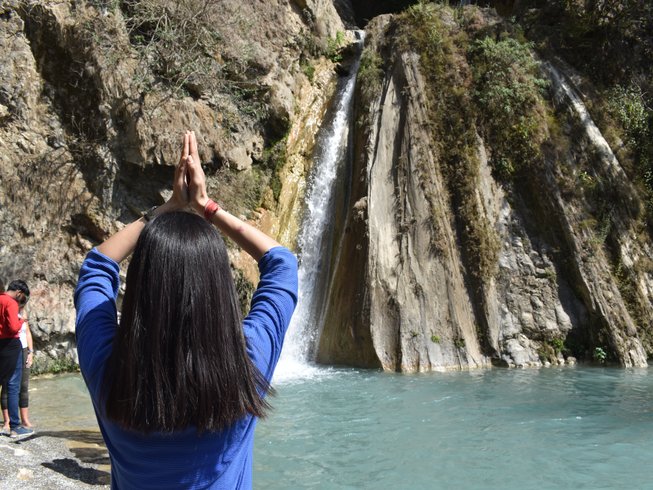
- Natural waterfall visit
- One village visit
- One trekking / ancient temple visit
Instructeurs
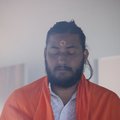
Sanjay Raturi
Sanjay Raturi was born near the source of the holy river Ganga in a Brahmin family. Since his childhood years, he has practiced the Vedic Mantras and Meditation. Sanjay’s village is the Brahmin Family Village located in the Himalayas. Till this day, the people of his village are still doing Vedic pooja for their daily karma. Sanjay is an experienced meditation teacher and he teaches mindfulness meditation, Vedic meditation, mantra chanting, Om and silent meditation, Vipassana, and Kundalini meditation. Sanjay has done many workshops worldwide and did Sadhana workshops in the Himalayas.
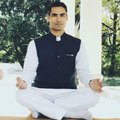
Kapil Bhatt
Kapil Bhatt was raised in the sacred environment of Rishikesh, in the lap of the Himalayas and along the banks of river Ganga. Over the years, Kapil has immersed himself in the study and practice of Yoga, Breath work, Meditation, chanting and Healing. His teaching blends mindfulness, mantra meditation, breath work awareness, chakra practices, and deep relaxation techniques that support nervous system balance and inner harmony. His classes are known for creating a grounded and safe atmosphere where students can slow down, reconnect with themselves, and experience authentic inner stillness.
Locatie
India has always been home for yoga and meditation, a land where ancient sages explored the deepest layers of the mind and discovered paths to peace. This 300-hour Meditation Teacher Training in Rishikesh, India is designed for individuals who want to study meditation in a structured and consistent manner.
The course focuses on understanding meditation through direct practice and clear guidance. Students learn different methods of breath awareness, concentration and observation of thoughts along with all simple and complex frameworks used in meditation practices. The daily schedule includes guided practice, group sessions, individual silent sitting time, learning materials and other teaching methodology. Instructors provide step-by-step guidance to help students understand how to practice and how to guide others.
The program is suitable for beginners refining foundational practice and for practitioners preparing to teach meditation responsibly. The training maintains a simple, disciplined and supportive environment in Rishikesh.

Eten
During this training, you will be served daily breakfast, lunch, and dinner. Food provided at the center is 100% vegetarian, not vegan. You will need to inform Real Happiness in advance so their chef can prepare food for you especially.
Sattvic food
- Ayurvedic spices
- Cruciferous vegetables
- Delicious greens
- Balanced grains
- Roasted seeds
- Nuts and dry fruits
- Beverages
- Detox tea
- Detox juice
- Ayurvedic herbs
- Legumes
- Fresh dairy
- Himalayan salt
- Mineral water
- Organic honey
- Fruits and raw salad
Note
The gluten-free food, vegan food, and raw food (salad) also can be provided on request.
De volgende maaltijden zijn inclusief:
- Breakfast
- Lunch
- Dinner
- Drinks
De volgende drankjes zijn inbegrepen:
- Water
- Thee
- Detox sappen
De volgende dieetwensen worden geserveerd/zijn mogelijk:
- Vegetarisch
- Veganistisch
- Glutenvrij
- Rauw voedsel
- Yoga
- Andere dieetwensen op aanvraag
- Ayurvedisch
Wat er te doen is
Below are the most amazing things to do in Rishikesh. These activities are not included in the package but Real Happiness can arrange upon request. There will be an extra charge for this.
- River rafting - the most popular thing to do in Rishikesh
- Bungee jumping
- Mountain biking
- Flying fox
- Cliff jumping
- Trekking
- Rappelling and rock climbing
- Kayaking
- Ayurvedic massage and therapies
- Parasailing and paragliding
Spa behandelingen
During this retreat, you will enjoy one session of massage. Various kinds of massages are also available in this retreat at an additional cost.
In de prijs inbegrepen
- All Sattvikta meals
- 27 nights stay in private room
- Multiple meditation techniques
- Course manual and stationary
- Sightseeing
- Daily yoga stretching class
- Daily Pranayama class
- Daily mantra chanting session
- Daily Vedic wellness pooja
- Satsang once a week
Niet in de prijs inbegrepen
- Airfare
- Airport transfers
- Visa
- Extra activities
Bereikbaarheid
Aanbevolen luchthavens
Transfers beschikbaar tegen een meerprijs US$ 20 per persoon
Jolly Grant Airport
14 km verwijderd van uw bestemming
Transfers beschikbaar tegen een meerprijs US$ 80 per persoon
Indira Gandhi International Airport
209 km verwijderd van uw bestemming
Arrival by airplane
Please book your flight to arrive at Indira Gandhi International Airport (DEL). You can also book your flight to arrive at Jolly Grant Airport (DED). Transfer from and to the airport is available for an additional cost of 70 USD.
Arrival by bus
Rishikesh is 28 kilometers from Haridwar. The Rishikesh Bus Station is five kilometers away from the Yoganandham—A School for Yoga Learning. The bus to Rishikesh leaves from Haridwar every hour. You can also take an auto from the Rishikesh Bus Station to Anand Dham Ashram.
Arrival by train
Haridwar is directly connected by rail to all main cities in India. When you reach Haridwar, buy a prepaid taxi from the stand at the entrance of the station. This will save you the trouble of negotiating a price with the driver. The bus station is situated across the street, where there is regular service to the Rishikesh bus stand, which is four kilometers away from Yoganandham Ashram. You are advised to book rail tickets as soon as possible. Trains are usually fully booked near the time of travel. Train e-tickets can be booked up to three months in advance via the internet. For reserved tourist quota seats, you will need to visit the railway reservations office.
Annuleringsvoorwaarden
- Een reservering vereist een aanbetaling van 20% van de totale prijs.
- De aanbetaling wordt niet gerestitueerd als de boeking wordt geannuleerd.
- De rest van de betaling moet worden voldaan bij aankomst.

Beoordelingen
Voor deze organisator kan je jouw boeking garanderen met BookYogaTeacherTraining.com. Bijna alle creditcards worden ondersteund.
Soortgelijke Yoga Docentenopleiding die je misschien leuk vindt
Onlangs bekeken