
28 jours-300h en formation avancée de professeur de yoga ashtanga vinyasa et hatha à Rishikesh, Inde
Yoga Teacher Training in India
Give yourself the opportunity to learn and have a magical life-changing experience of yoga with their 300-hour YTT program in Rishikesh, India. This training mainly consists of the traditional Hatha yoga, Patanjali's yog sutra philosophy, eight elements of yoga, Ashtanga Vinyasa yoga styles, pranayama, meditation, internal cleansing, and therapeutic alignment. Feel the change within you and your yoga teaching technique.
Rencontrez les professeurs
Particularités
- Étude intensive des asanas et des philosophies du yoga
- Apprentissage avancé des techniques de relaxation et de yoga Nidra
- Cours quotidiens détaillés d’asanas de yoga, du niveau débutant aux asanas avancés
- Exercices guidés détaillés de respiration et pratiques de pranayama
- Éligible à l’inscription auprès de la Yoga Alliance à l’issue de la formation
- Excursion vers les temples sacrés voisins et la ville de Rishikesh
- 3 repas végétariens sains et nutritifs par jour
- 27 nuits d’hébergement
- Soins de spa
Niveau de pratique
- Débutant
- Intermédiaire
- Avancé
Styles
21 jours de cours en Anglais
Hébergement
Installations
- Jardin
- WI-FI gratuit
- Service de blanchisserie
The accommodation is facilitated with Wi-Fi connection and with air-conditioning available (on request only). However, please note that Rishikesh Yoga Teacher Training Center (Rishikesh YTTC) provides accommodation for students who join yoga classes. Any friends or relatives will not be included in the accommodation.
There are two room options available for this course: single private room and double shared room. The rooms are equipped with double beds, air-conditioning, and Wi-Fi connection. All rooms are shared with the same gender. Mother and daughter, wife and husband can share their rooms. The bathrooms are equipped with hot showers and towels.
Programme
Certification
Students who complete the training are eligible to register with Yoga Alliance as Registered Yoga Teachers (RYT®).
This teacher training is an advanced multi-style course for intermediate and advanced-level students, with more than just basic knowledge of yoga. After the completion of the course, the students will be given a certification for the 300-hour yoga training course from Rishikesh Yoga Teacher Training Center (Rishikesh YTTC).
This 300-hour yoga teacher training will be held by experienced reputed meditation guides and the team of accomplished yoga teachers. The teachers and guides include a physiotherapist, P.H.D holders, and Ayurvedic doctor who feels privileged to share their knowledge and practice of ancient traditions with modern elements of medical sciences (yoga anatomy and physiology).
This training course aims to provide a solid foundation in different aspects of yogic disciplines that prepare them to adopt yoga as their life profession.
In addition, this 300-hour yoga training course includes mantra recitation (mantra - Japa), daily joints and glands practices (granthi - vimochana - kriya), yoga postures (yoga asanas), meditative steps of doing asanas, six cleansing exercises (shat karma), science of breath (pranayama), yoga energy locks (Bandha) and yoga gestures (Mudra), meditation (Dhyana), yogic sleep (yoga Nidra), history and philosophy of yoga (yoga Darshana), yogic anatomy and physiology of human body, basic principles of Ayurveda, asana alignment practicum classes, yoga teaching practice, and teaching methodology.
Yoga psychology enhance the students' learning at various levels; mentally and emotionally by which they learn to adopt the yogic disciplines in daily life. This intensive course helps the students to establish a harmonious lifestyle.
Course curriculum
Mantra chanting
- Intro to mantra science
- Basic mantras: aum, gayatri, trayambakam, guru, shanti etc.
- Morning prayers and evening prayers
- Meal prayers
- Study prayers
- Health prayers
- Surya namaskara 12 mantras along with bija mantras
- 1-20 Sanskrit counting
- Names of the asanas
- Selected yoga sutras recitation
Hatha yoga asanas
- Meditative steps of performing the Hatha yoga: centering, entering, refining, holding, coming out, and reflection
- Ashtanga Vinyasa flow - series 1 and 2
- Surya namaskar (sun salutations) - dynamic surya namaskar, surya namaskar with breath awareness, surya namaskar with bija mantra chanting
- Modifications of yoga asanas
- Types of yoga asanas - standing, sitting, backward bending, forward bending, spinal twisting, fire series, inversion, shavasana etc.
- Alignment and art of adjustment
- Preventing common injuries
- Counter pose
- Contraindications
- Yoga asanas benefits
Pranayama (the science of breath)
- Introduction to science of breath
- Physiology of pranayama
- Postures for pranayama
- Establishment of diaphragmatic breathing
- Breathing practices
- Different practices of pranayama: nadi shodhana, ujjayee, kapalabhati, bhastrika, shitali, shitkari, brahmari, and anuloma viloma, suryabhedi, and various types of kumbhaka pranayama and others
- Benefits or pranayama practices
- Guidelines for regular pranayama
Bandhas (lock)
- Jalandhara bandha (chin lock)
- Uddiyana bandha (abdominal lock)
- Moola bandha (root lock)
- Maha bandha (great lock)
Mudra Vijnana (science of graceful gestures)
- Intro to mudras and their importance in yoga practices
- Mudra and its psychology
- The elements residing in the fingers and five mudras: akasha-mudra, jnana-mudra, agni mudra, varuna mudra, and prithvi mudra
- Other important mudras: dhyan mudra, prana mudra, apana mudra, linga mudra, shunya mudra, vishnu mudra, bhairava mudra, and hridaya mudra
Satkarma or cleansing exercises
- Jala neti
- Sutra neti
- Kunjala
- Trataka
- Agnisara
- Nauli
Practice relaxation and yoga Nidra
- Introduction to the concept and practices of relaxation
- Relaxation in daily life
- Sequence of relaxation
- Tension and relaxation exercises
- Systematic relaxation exercises
- 31 points relaxation exercise
- 61 points relaxation exercise
- Preparation for yoga Nidra
- 61 blue star relaxation
Meditation
- What is meditation and what is not?
- Meditation in daily life
- Yoga asanas for meditation
- 2-5 minutes meditations
- Steps into basic meditation
- So ham meditation
- Mantra and meditation
- Spinal breath
- Sushumna breath through chakras
Yoga anatomy and physiology
- Introduction about yoga anatomy and physiology
- Systems: digestive system, circulatory system, respiratory system, muscular system, nervous system, endocrine system, skeletal system, excretory system, lymphatic system, homeostasis
- Stress: introduction
- Humoral theory (in ancient Indian medicine, Greek medicine, and modern medical science)
- The brain and its sub cortical centers
- Stress and neuro-endocrinal changes
- Therapy principles for stress disorders
- Stress management through yoga: asana (physical postures), pranayama (breathing practices), Dhyan (meditation)
- Effect of yoga posture on muscles and systems
- Nadis (energy channels)
- Chakras (energy plexus)
- Pancha tattva (five great elements)
- Panchakosha (five sheaths)
- Pancha pranas (five vital energy)
Yoga philosophy, lifestyle, and yoga ethics
- General introduction: six schools of Indian philosophy
- Philosophy in daily life
- Elementary intro to Samkhya and yoga philosophies
- The yoga sutras of Patanjali
- History of yogic science
- Ashtanga yoga: yama, niyama, asana, pranayama, pratyahara, dharana, dhyana, and samadhi
- Introduction to Vedanta (yoga of the Upanishads)
- The yoga of the Bhagavad gita
- The Tantric yoga
- Yoga ethics: yamas and niyamas, more on the ethics of a teacher
- Daily lifestyle of a sadhaka
Yoga and Ayurveda (science of life)
- Intro to Ayurveda
- Philosophy of Ayurveda
- The concept of tri-dosha
- The concept of tri-gunas
- Ayurveda and the balanced diet
- Balance of the mind and body through proper diet as prescribed in Ayurveda
Teaching methodology
- Learning to instruct and guide
- Main points: teaching to what you observe, timing a class, greeting / centering, sequence in teaching
- How to get in and come out from the specific posture
- Classroom organization
- Demonstration
- Health concerns
- Language
- Modification in posture
- The role of a teacher
- The practice and service of teaching yoga
Yoga practicum
- Class sequences
- Develop intention for classes
- Self-evaluation
- Assignments
- Practice teaching
- Feedback
- Group discussion
- Questions and answers
- Homework
Typical daily schedule
- 05:00 Wake up!
- 06:15 - 06:30 Mantra chanting
- 06:30 - 07:30 Shat-kriyas and pranayama practices
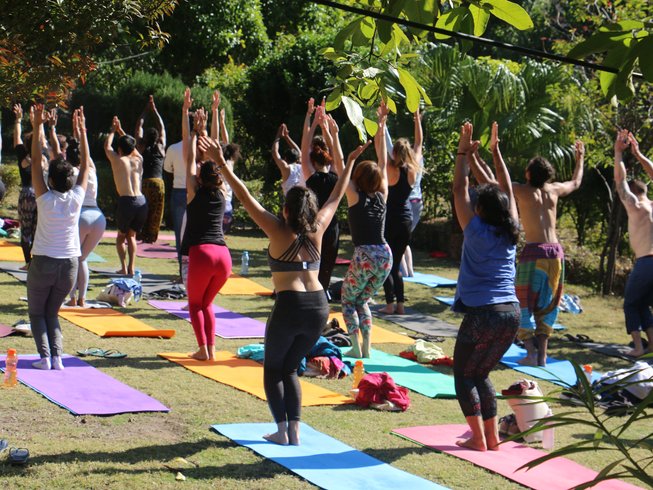
- 07:30 - 09:00 Hatha yoga (classical)
- 09:00 - 10:00 Breakfast and free time
- 10:00 - 11:00 Yoga philosophy
- 11:00 - 12:00 Yoga anatomy
- 12:30 - 13:00 Karma yoga (Seva)
- 13:00 - 14:30 Lunch
- 14:30 - 16:00 Self study / self practice
- 16:00 - 16:15 Tea break
- 16:30 - 18:00 Ashtanga Vinyasa yoga
- 18:00 - 19:00 Relaxation and meditation
- 19:00 - 20:00 Dinner
- 20:00 - 21:00 Self study / free time
- 21:00 Go to sleep!
Schedule is subject to changes without prior notice. Sunday is a fully day off. Students must arrive in the school on the 1st of selected month.
Excursions
You will have the opportunity to explore the surroundings and visit the nearby holy shrines.
- Kunja Puri temple
- Rishikesh city
- Waterfall
- RamJhula Ganga Aarti
Professeurs

Dr. Sumit Sharma
Le Dr Sumit a étudié le yoga et est un expert dans les domaines de la kinésithérapie, du déséquilibre postural et des troubles liés à la sédentarité. Il est titulaire d’un master en kinésithérapie, avec une spécialisation en orthopédie, ainsi que d’un diplôme en médecine du sport. Il est également professeur de Pilates certifié par l’Indian Academy of Fitness Training. Il enseigne le yoga associé à la thérapie et à la physiologie humaine. Grâce à son style d’enseignement, il est très apprécié des participants, car il transmet des connaissances approfondies et pratiques en anatomie et en physiologie.
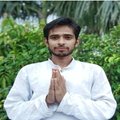
Sonu Ji
Yogi Sonu Ji est un professeur de yoga traditionnel. Il a commencé à pratiquer le yoga à l’âge de 10 ans. Il offre à ses participants une vision claire du yoga et de sa pratique. Il aide ses participants à comprendre les principes fondamentaux du yoga afin qu’ils puissent poser des bases solides pour comprendre ou commencer leur cheminement, qui les conduit vers une meilleure conscience d’eux-mêmes.

Sachine Ji
Yogi Sachine Ji est une âme dévouée, née sur la terre mère du yoga. Issu d’une famille spirituelle, il a commencé la pratique du yoga à l’âge de 15 ans. Après plusieurs années de pratique, il est devenu un maître en méthodologie d’enseignement. Il possède 3 ans d’expérience dans l’enseignement professionnel.
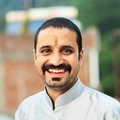
Yogi Mahesh Bhatt Ji
Guru Mahesh Bhatt Ji est né en 1983 dans une famille de brahmanes. Mahesh Ji a consacré de nombreuses années au yoga, à l’Ayurveda, aux Védas, et au partage de son savoir avec le monde entier. Il est difficile d’expliquer en quelques mots tout ce que Mahesh a traversé sur le chemin spirituel. Il a eu une vision claire de sa vie passée dans l’Himalaya. Il a obtenu son diplôme d’études supérieures à l’université de Rishikesh et Haridwar. Pour approfondir sa pratique, il s’est retiré pendant plusieurs années, par intermittence, dans de nombreuses grottes à Tehri et à Rishikesh. Il a formé plus de 6000 étudiants venus du monde entier et il est aujourd’hui professeur invité à Rishikesh.
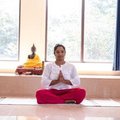
Hemlata Saklani
Le Dr Hemlata Saklani Bahuguna est née le 8 décembre 1985 à New Tehri, dans l’État indien de l’Uttarakhand. Pendant ses années scolaires, elle avait des résultats moyens. En revanche, son implication dans des activités extrascolaires telles que les débats, les prises de parole en public ainsi que certains projets au niveau de l’école était remarquable. Après avoir terminé sa scolarité, le Dr Hemlata a poursuivi ses études au Combined (P.G.) Institute Of Medical Science and Research (CIMSR), à Dehradun, où elle a obtenu un Bachelor of Physiotherapy. Elle est experte dans le domaine de l’anatomie du yoga et de la physio-yoga-thérapie.
Lieu
This yoga teacher training will be held at Rishikesh Yoga Teacher Training Center, Rishikesh, India. The yoga school is located in the heart of the sacred township of Rishikesh, on the bank of the holy river Ganges and at the foothills of the Himalayas, the abode of yogis. The school is in a wonderful magical place, only a short walk from the main town and the bank of the river, and it is the perfect location for your activities. Shops, cafes, restaurants, ATMs, healthcare facilities, and organic stores are located in close proximity to the ashram.

Repas
During this yoga training, you will be served three daily delicious and healthy vegetarian meals; breakfast, lunch, and dinners. Filtered water, herbal tea, and snacks are also available. Rishikesh Yoga Teacher Training Center takes care of students with diet such as Gluten, Vegan, nut free and Vegetarian.
The menu is creative and balanced with proteins so you feel full and satisfied. If you are planning to have fast in any day, please inform Rishikesh Yoga Teacher Training center (RIshikesh YTTC) to avoid food waste.
They also serve vegan and sattvic food to students. The food is prepared hygienically using organic vegetables. It is well-known globally for its variety and taste.
Many of you might wonder that yoga is enough and you don’t need to regulate your eating habits. At Rishikesh Yoga Teacher Training, they believe that just practicing yoga is not enough to get overall benefits of yoga.
“Yoga” is not just another form of exercise, but it is actually a way of life and if you eat healthy food along with yoga practice, it will really create wonders for you as a healthy diet is an integral part of yogic life.
The kind of food you eat influences not just your physical well-being, but also your emotional well-being which includes your thoughts and emotions.
According to yogic philosophy, the food you eat is not classified as proteins, carbohydrate, or fats rich foods. But instead, it is classified into three types according to the effect they have on your minds as - Satvas, Rajasic, and Tamas. Eating tamasic food makes you feel sluggish or lethargic. Rajasic food will make you feel active or maybe a little restless. On the other hand, sattvic food makes you feel energetic, enthusiastic, and light.
Les repas suivants sont inclus:
- Breakfast
- Lunch
- Dinner
- Snacks
- Drinks
Les boissons suivantes sont comprises:
- Eau
- Thé
- Jus détox
Les régimes alimentaires suivants servis et/ou pris en charge :
- Végétarien
- Vegan
- Sans gluten
- Yogique
Activités et lieux à visiter
- Shopping
- Visit nearby temples and shrines
- Rafting
- Trekking
- Rishikesh is a happing place where you can do so many things.
Soins et massages
They provide 2 60-minute spa treatments during the course which can be Swedish or deep tissue massage. Or you can go for 1 60-minute Ayurvedic full body massage.
Ce qui est inclus
- Yoga, méditation et pranayama quotidiens
- Philosophie du yoga, anatomie, méthodologie de l'enseignement
- Exploration des sites touristiques locaux
- 2 soins spa de 60 minutes ou 1 massage ayurvédique de 60 minutes
- 27 nuits d'hébergement
- Petit-déjeuner, déjeuner et dîner végétariens quotidiens
- Eau filtrée, tisane et collations
- Connexion Wi-Fi gratuite et utilisation du matériel de yoga
- Pot neti et sutra neti
- Formation de professeur de 300 hours de qualité conforme aux normes de Yoga Alliance
- Certificat de fin de formation pour s'inscrire auprès de Yoga Alliance
- Manuels, polycopiés d'étude imprimés et manuel de formation de professeur de yoga de 300 hours
Ce qui n'est pas inclus
- Billet d'avion
- Transferts depuis et vers l'aéroport
- Repas et activités supplémentaires
- Dépenses personnelles
- TPS
Comment se rendre sur place ?
Aéroport recommandé
Transferts disponibles moyennant un coût supplémentaire US$ 150 par personne
Chandigarh Airport
À 159 km de votre destination
Transferts disponibles moyennant un coût supplémentaire US$ 150 par personne
Indira Gandhi International Airport
À 209 km de votre destination
Arrival by airplane
Please book your flight to arrive at Indira Gandhi International Airport (DEL), from there you can take a domestic flight to Jolly Grant Airport Dheradun (DED). Another option is to book your flight directly to arrive at Jolly Grant Airport (DED).
Arrival by bus
Buses to Rishikesh leave New Delhi from the Kashmiri Gate national bus stand approximately every hour. The bus ride takes about eight hours and costs around 450 to 600 INR for air conditioned buses and 250 to 400 INR for buses without air conditioning.
Arrival by train
The best option is to reach Haridwar train station, about 45 minutes away from Rishikesh, by road on a driven taxi or the so called tuktuks.
From Delhi, the train ride takes approximately eight hours, depending on the train. Haridwar is serviced by many trains from and to Delhi, Varanasi, Rajasthan, Amritsar, and many others.
Also, you can get a direct train from Delhi to Rishikesh Yog Nagri Train Station and from there, you can take a taxi or tuk-tuk to Tapovan, Laxman Jhula.
Arrival by taxi
Taxis are always available anywhere in India. The drive from Indira Gandhi International Airport (DEL) to Rishikesh will take around six hours depending on traffic conditions.
Conditions d'annulation
- Pour réserver, un dépôt de garantie correspondant à 30% du prix total est requis.
- Le dépôt de garantie est non-remboursable si vous annulez votre réservation.
- Le reste du paiement est dû à votre arrivée.

Avis
Pour cette offre, vous pouvez effectuez votre réservation sur BookYogaTeacherTraining.com. La plupart des cartes de crédits sont acceptées.
Des Formations de professeur de yoga similaires que vous pourriez aimer
Vous avez récemment consulté