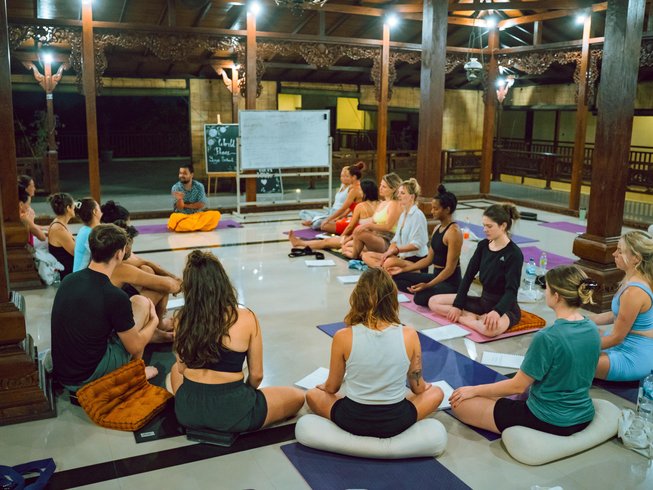
20 días Formación de profesor de yoga Kundalini de 200 horas en Ubud, Bali, Indonesia
Yoga Teacher Training in Indonesia
If you're interested in the transformative practice of Kundalini yoga, the 200-hour Kundalini Yoga Teacher Training in Bali is an excellent choice. It provides a comprehensive curriculum that covers the philosophy, practice, and teaching methodology of Kundalini yoga. The Kundalini yoga training is led by experienced Kundalini yoga teachers who will guide you through advanced practices of Kundalini yoga, including kriyas, meditations, and pranayama.
Conoce a los instructores
Destacado
- Outdoor yoga classes
- Certificate of completion
- Weekend excursions
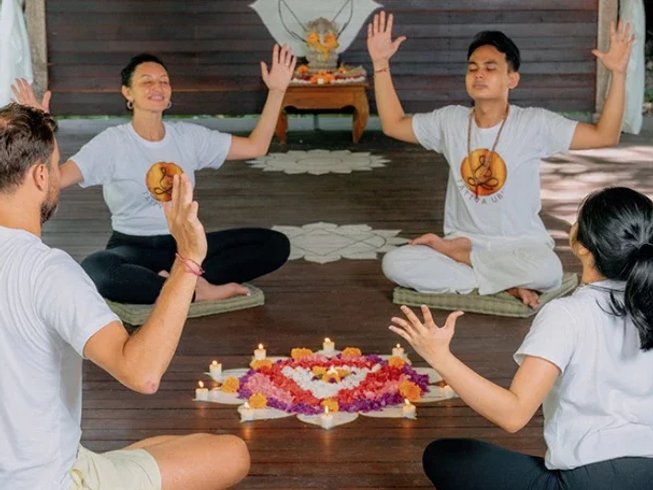
- Sacred fire ceremony
- Balini culture experience
- Yoga material
- 19 nights accommodation
- Daily meals 3 times a day except on Sundays
Nivel de experiencia
- Principiante
- Intermedio
- Avanzado
Estilos
20 días con instrucción en Inglés
 Promedio de horas diarias de actividad: 7
Alojamiento
Instalaciones
- Piscina al aire libre
- Jardín
- Salón / Sala de estar
Bisma Sari Resort, Ubud
There is a variety of accommodation to choose from: Very modern and luxury rooms will give you a very comfortable feeling to enable you to study well. Filled with an aura of auspiciousness and spirituality having a lush green natural ambiance, the facilities will certainly excite and invigorate you. Enjoy your stay in their high-class facilities.
Programa
Why choose 200-hour Kundalini yoga teacher training with Bali Yoga Retreats?
Internationally recognized certification
After completing a 200-hour kundalini yoga teacher training course, you will receive an official certification, which allows you to teach anywhere in the world. It is a globally recognized certificate that is respected by yoga studios, fitness centers, and wellness communities.
All-inclusive packages
The package includes comfortable accommodation, 3 meals a day, a course manual, workshops, an adventure outing, and certification fees, all in one package. There are no hidden costs, only clear and honest pricing, so you can completely focus on yoga and enjoy your journey of self-development.
Multi-style yoga training
The program is designed to give students the opportunity to learn different styles of yoga, such as Hatha, Vinyasa, and Ashtanga. You will gain the unique benefits of each style and understand how these styles connect to body and mind, and how you can combine them in your teaching. This multi-style yoga approach will help you become a more flexible and creative yoga teacher.
Traditional and modern yoga styles
At Bali Yoga Retreats, yoga is taught in a way that is easy to learn and enjoyable to practice. You will learn traditional yoga wisdom, including breathing techniques, meditation, and the stories behind yoga. At the same time, you will learn how to teach yoga to people today. This way, you understand the ancient teachings and also know how to share yoga in a modern context.
Learn to teach yoga confidently at any level
The teacher training teaches you how to guide beginners, intermediate, and advanced students. You will also learn how to modify postures, provide variations, and design classes for all levels. This way, you will feel comfortable teaching any student who enrolls in your classes around the world.
Safe and supportive environment
Bali Yoga Retreats ensures a safe and supportive environment so your journey in Bali, Indonesia, is memorable. You can discuss your concerns with the team, who are always ready to help and resolve any issues. From the moment you arrive, you will feel welcomed and cared for. Friendly teachers and staff are always available to guide you, whether it is assisting with poses, answering questions, or helping you adjust to life in Bali. The environment is designed so everyone feels safe, happy, and part of a supportive yoga community, allowing you to focus fully on learning and enjoying your experience.
Teaching manual
Students enrolled in the teacher training program will receive a course manual, which is a complete guidebook to support your journey. The manual includes step-by-step instructions, yoga poses, breathing exercises, meditation techniques, and teaching guidance. It helps you review what you have learned, reinforce your studies, and continue practicing at home.
Structured and comprehensive learning
The 200-hour yoga teacher training Bali program provides structured and comprehensive learning that is carefully planned to guide you step by step. The program is complete and balanced, designed to build a strong foundation while keeping learning smooth and enjoyable. This structured approach ensures you gain confidence and clarity throughout your yoga journey.
Eligibility for 200-hour kundalini yoga teacher training in Bali
Who can join this course?
Anyone who is willing to learn is welcome, whether you are new to yoga with no previous experience or have been practicing for some time. All are welcome in this yoga teacher training course.
The 200-hour kundalini yoga teacher training in Bali is open to both national and international students. Whether you are from Bali, elsewhere in Indonesia, or any part of the world, you are welcome to join the yoga courses.
People aiming to become certified yoga teachers are welcome to apply.
If you do not want to become a yoga teacher but wish to deepen your yoga practice and knowledge, then the 200-hour kundalini yoga teacher training in Bali, Indonesia could still be the right option for you.
Preparation tips before you begin
Before you join the kundalini yoga Bali teacher training course, it is important to come with an open mind and a willingness to learn. Practicing some basic yoga and meditation beforehand can help you feel more comfortable on the mat. Wear comfortable clothes that allow easy movement, and keep a journal to note your experiences and insights. Make sure to stay hydrated, eat light and healthy meals, and get enough rest so you have energy for the daily sessions. Be ready to connect with fellow students, share your journey, and leave distractions behind to fully embrace the learning experience.
The teachers are ready with all their heart and knowledge to guide and support you in deepening your yoga practice and achieving your goals. Join the Bali Yoga Retreats family and experience the joy of discovering your true self through this life-transformative journey.
Syllabus of 200-hour kundalini yoga teacher training in Bali
Mantra and mantra chanting
Mantra is a set of words that consist of specific sounds and vibrations received by ancient yogis and seers, offering powerful physical, mental, and spiritual benefits. There are many kinds of mantras available for different purposes. You will be learning:
- Art and science of mantra
- Mantra and its power
- How mantra is made
- Is mantra a religion
- Sound vibration
- Mantra chanting
- Proper way of chanting the Om mantra
- Shiva mantra for peace
- Durga mantra for energy awakening
- Kundalini mantra
- Krishna mantra for joy
- Ganesha mantra for stillness and removal of obstacles
- Mantra to be led towards light and immortality (Asatoma)
- Surrender mantra (Tvamevamata)
- Mantra to save life and journey (Trayamvakam)
- Mantra for purification of the mind (Gayatri)
- Guru disciple study mantra (Sahana)
- Guru mantra (Guru Brahma)
- Patanjali mantra (Yogenacittasya)
- Surya Namaskar 12 mantra (Om Mitraya)
Kundalini yoga asana
- Bhujangasana (Cobra pose – to awaken the heart chakra)
- Prarthanasana (Prayer pose – to have reverence)
- Padahastasana (Standing forward bend – to awaken Muladhara chakra)
- Tadasana (Tree pose – for nourishing spiritual aspiration)
- Trikonasana (Triangle pose)
- Sahaja Agnisar Dhauti (Awakening inner fire in Manipura chakra)
- Vajrasana (Thunderbolt pose – to cleanse Vajra Nadi and promote ascendance of sexual energy towards upper chakras)
- Shalabhasana (Locust pose – increases blood supply to the sacrum and lower back)
- Dhanurasana (Bow pose – improves digestion and helps relieve constipation)
- Ardha Matsyendrasana (Half spinal twist)
- Uddiyana Bandha (Upward abdominal lock)
- Paschimottanasana (Seated forward bend)
- Janushirshasana (Head-to-knee pose – reduces laziness and weakness)
- Ushtrasana (Camel pose – awakening Manipura chakra)
- Naukasana (Boat pose – alleviates anxiety and nervousness)
- Supta Vajrasana (Reclining thunderbolt pose – guides sexual energy through Vajra Nadi towards the brain)
- Garudasana (Eagle pose – improves balance and coordination)
- Nauli Kriya (Navel cleansing – balances Kapha, Vata, and Pitta)
- Ardha Shirshasana (Half headstand – rejuvenates brain cells)
- Shashankasana (Hare pose – reduces stress, arrogance, selfishness, and anger)
- Pavanamuktasana (Releases tension in internal organs and supports digestion)
Kundalini joints movements
Warm-up exercises:
- Feet and ankle exercises
- Knee movements
- Hip movement and rotation
- Leg cradle
- Side bending
- Arm movements and arm swing
- Elbow movements
- Wrist and hand movements
- Neck exercises
- Chin, jaw, mouth, tongue, eye, and head exercises
Kundalini awakening
- Rules and preparation
- Postures
- Chakra sadhana
- Practices to awaken Ajna chakra
- Practices to awaken Muladhara chakra
- Practices to awaken Swadhisthana chakra
- Practices to awaken Manipura chakra
- Practices to awaken Anahata chakra
- Practices to awaken Vishuddhi chakra
- Practices to awaken Bindu
- Practices for chakra awareness
- Moola shakti bandha (Root energy lock)
- Uddiyana shakti bandha (Abdominal energy lock)
- Jalandhara shakti bandha (Throat energy lock)
- Maha shakti bandha (Great energy lock)
Hatha yoga
Bali Yoga Retreats teaches traditional Hatha yoga that has been practiced by Himalayan masters for thousands of years. The practice is adapted to your strength and flexibility, with the aim of attaining perfect health and peace of mind. The asana series includes:
- Pavanmuktasana series 1 (15 practices)
- Pavanmuktasana series 2 (10 practices)
- Pavanmuktasana series 3 (10 practices)
- Centering postures series (5 practices)
- Surya Namaskar (12 asana series)
- Chandra Namaskar (12 asana series)
- Standing postures series (10 practices)
- Kneeling postures series (5 practices)
- Sitting postures series (10 practices)
- Forward bending postures series (5 practices)
- Backward bending postures series (5 practices)
- Supine postures series (6 practices)
- Prone postures series (5 practices)
- Fire series (5 practices)
- Inversions series (5 practices)
- Twisting postures series (5 practices)
- Balancing postures series (5 practices)
- Relaxing posture series (5 practices)
- Meditative asana series (5 practices)
Note: In total, you will learn 140 yoga exercises. Theory is just as important as practice. Without proper understanding, you cannot progress effectively. Teachers will guide you through the principles of why, how, when, and what in asana practice. You are encouraged to stay self-motivated and explore deeper understanding of each posture, including its connection to chakras, nadis, kundalini, and the subtle body.
Ashtanga yoga
In the 20th century, K. Pattabhi Jois developed a modern form of classical Indian yoga called Ashtanga Vinyasa, based on the teachings of Krishnamacharya. This is an energetic practice combining breath awareness and mindful movement. The first series is taught in this 200-hour kundalini yoga teacher training in Bali. You will learn all asanas systematically, supported by a detailed Ashtanga manual.
Topics include:
- Introduction to Ashtanga yoga
- History of Ashtanga yoga
- Awakening the fire within
- The breath of life
- Prana
- Chakra contemplation
- Eight limbs of yoga and teachings of K. Pattabhi Jois
- Bandhas in Ashtanga
- Drishti (focusing attention during movement)
- Cleansing and purification
- Creating a sacred space
- Challenging asanas
- Proper use of props and yoga instruments
- Sun Salutation A and B
- Standing series
- Sitting series
- Finishing series
- Teaching practice (traditional and Mysore style)
Key postures include:
- Padangusthasana (Big toe pose)
- Pada Hastasana (Hand under foot pose)
- Utthita Trikonasana (Triangle pose A and B)
- Utthita Parsvakonasana (Extended side angle pose A and B)
- Prasarita Padottanasana (Wide-legged forward bend A, B, C, D)
- Parsvottanasana (Intense side stretch)
- Utthita Hasta Padangusthasana (Hand-to-big-toe pose)
- Ardha Baddha Padmottanasana (Half bound lotus forward bend)
- Utkatasana (Fierce pose)
- Virabhadrasana (Warrior pose A and B)
- Dandasana (Staff pose)
- Paschimottanasana (Seated forward bend)
- Purvottanasana (Upward plank)
- Ardha Baddha Padma Paschimottanasana
- Tiryangmukha Ekapada Paschimottanasana
- Janu Sirsasana (Head-to-knee pose)
- Marichyasana (Sage Marichi pose)
- Navasana (Boat pose)
- Bhujapidasana (Arm pressure pose)
- Kurmasana (Tortoise pose)
- Supta Kurmasana (Sleeping tortoise pose)
- Garbha Pindasana (Embryo pose)
- Kukutasana (Rooster pose)
- Baddha Konasana (Bound angle pose)
- Upavistha Konasana (Seated angle pose)
- Supta Konasana (Reclining angle pose)
- Supta Padangusthasana (Reclining big toe pose)
- Ubhaya Padangusthasana (Both big toes pose)
- Urdhva Mukha Paschimottanasana (Upward seated forward bend)
- Setu Bandhasana (Bridge pose)
Finishing postures:
- Urdhva Dhanurasana (Wheel pose)
- Sarvangasana (Shoulder stand)
- Halasana (Plow pose)
- Karnapidasana (Ear pressure pose)
- Urdhva Padmasana (Upward lotus)
- Pindasana (Embryo pose)
- Matsyasana (Fish pose)
- Uttana Padasana (Raised leg pose)
- Chakrasana (Wheel pose)
- Sirsasana (Headstand)
- Baddha Padmasana (Bound lotus)
- Yoga Mudra (Sealed yoga posture)
- Padmasana (Lotus pose)
- Utpluthi (Uplifting pose)
- Savasana (Corpse pose)
Pranayama
Pranayama is the central practice in traditional yoga. It is often misunderstood as only breathing exercises, but it is much deeper. In this module, you will learn how pranayama leads to health, peace, balance, and kundalini awakening.
You will progress step by step from foundational to advanced practice, including breath retention and chakra awareness, and develop confidence in teaching pranayama.
Topics include:
- What is prana
- What is pranayama
- Breath and its connection to prana
- Importance and benefits of pranayama
- Preparation for practice
- Aspects of breathing
- Ancient texts on breathing
- Nostrils and energy activation
- Secrets of pranayama
- Breath flow through five elements
- Units of prana
- Functions of prana
- Three levels of prana
- Three gunas
- Flow and imbalance of prana
- Breath retention
- Six sitting positions for pranayama
- Breathing patterns
- Prana connection with chakras and kundalini
Practices include:
- Clavicular pranayama
- Thoracic pranayama
- Diaphragmatic pranayama
- Yogic pranayama
- Pranava pranayama
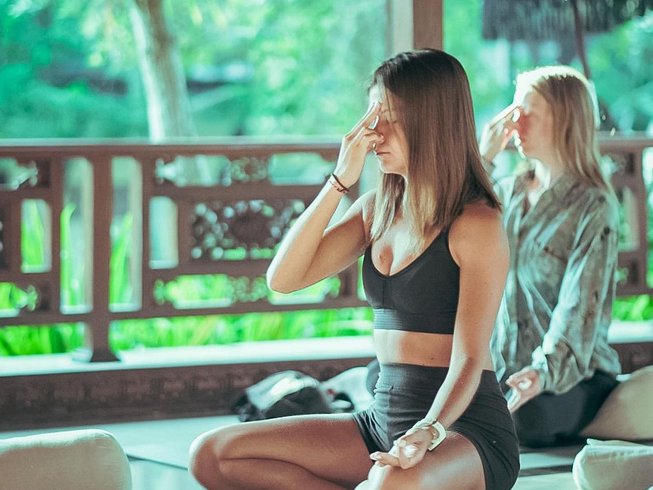
- Nadi shodhana pranayama
- Bhastrika pranayama
- Kapalabhati pranayama
- Bhramari pranayama
- Ujjayi pranayama
- Sitali pranayama
- Sitkari pranayama
- Murcha pranayama
- Surya bhedi pranayama
- Chandra bhedi pranayama
Meditation
Once posture is stabilized through asana, energy is cleansed through pranayama, and senses are controlled through pratyahara, the mind becomes ready for meditation.
This program introduces meditation from foundational to intermediate levels, helping develop concentration, awareness, and inner stillness.
Topics include:
- Introduction to meditation
- History of meditation
- Preparation for meditation
- What meditation is and is not
- Why, how, where, and when to meditate
- Philosophy of meditation
- Traditions and scriptures
- Aim and objectives
- Sitting positions and posture alignment
- Relaxation techniques
- Role of breathing in meditation
Meditation styles include:
Himalayan meditation practices
- Breath, mind, mantra awareness
- Tratak meditation
Nada meditation practices
- Music meditation
- Om meditation
- Mantra power meditation
Active meditation practices
- Dynamic moving meditation (Osho)
- Walking meditation
- Karma yoga meditation
- Gaurishankar meditation
Tantra and kundalini meditation practices
- Chakra awareness meditation
- Ajna chakra awakening meditation
- Active kundalini meditation
Vipassana and passive meditation practices
- Breath awareness (Anapana)
- Mindfulness and sensation awareness
- Total awareness practice
Mantra and kirtan meditation practices
- Japa (mantra repetition)
- Kirtan and group chanting
- Silence practice
- One-day silence meditation
Yoga Nidra
Yoga Nidra (sleep awareness / psychic sleep) is a journey from a conscious to a superconscious state of awareness. All animals, birds, insects, and humans sleep in the same way, and the experience of sleep is also the same. This state brings oneness, and there is a great secret behind it.
Yogi Vishnu is one of the most well-known yoga nidra teachers. His techniques have been practiced for a long time by sages. He will be the mentor and teacher, guiding you on how yoga nidra can transform your life in a very short period of time. Yoga nidra practices will take place every Friday.
Basic relaxation practices
- Visualisation yoga nidra
- Chakra awareness yoga nidra
- Inner flame yoga nidra
You will learn the basics of yoga nidra:
- Meaning and purpose of yoga nidra
- Different schools and traditions of yoga nidra
- Tantric origin of yoga nidra
- Lifestyle and rules for yoga nidra practitioners
- Benefits and risks of yoga nidra
- Difference between yoga nidra and meditation
- Yoga nidra experience
- Yoga nidra and healing
- Four states of consciousness
- Three body awareness
- Tension and relaxation
Yoga cleansing
In this course, you will learn essential cleansing practices to maintain physical, mental, emotional, and spiritual health. The body constantly produces toxins, so proper cleansing of the nostrils, ears, eyes, skin, tongue, and other organs is vital.
Beginners will follow six satkarma practices to unblock energy channels and enhance higher experiences, along with the basic theory behind them.
- What is satkarma
- Benefits and risks
- Who should and should not practice it
- Experiences
- Preparation for satkarma
- Practices after completion
- Nadi cleansing
Practices you will learn:
- Jiwa dhauti
- Danta dhauti
- Karna dhauti
- Rubber-neti
- Jala neti
- Kapalabhati
- Agnisara
Kundalini Tantra philosophy
Yoga philosophy is the philosophy of life. By listening and understanding, one can change their own life. Yogi Vishnu learned the secrets of yoga philosophy from his master Swami Veda by spending significant time with him. His authentic teachings will be shared by the teachers.
Yoga philosophy does not only exist in the Yoga Sutras. There are hundreds of yogic texts, and you will be introduced to key sources such as the Yoga Sutras, Bhagavad Gita, and Upanishads. During this 20-day program, yoga philosophy will take you on a journey of wisdom.
Entering the world of wisdom:
- Introduction to Indian culture, spirituality, and Himalayan tradition
- Introduction to ancient scriptures of yoga and spirituality
- Meaning and purpose of Indian philosophy
- Introduction to nine major Indian philosophies
- Why yoga philosophy is the most important among all
- History of yoga
- Types of yoga
- Patanjali and his work
- Introduction to Yoga Sutras
- Eight limbs of yoga
- Yamas and niyamas
- Philosophy of asana and pranayama
- Science of karma
Inward journey of philosophy (internal limbs):
- Philosophy of concentration, meditation, and samadhi
- Overview of first, second, third, and fourth chapters of Patanjali
- Mind and its control
- Introduction to Bhagavad Gita and Upanishads
Exploring the wisdom of yoga:
- Chakras
- Nadis
- Kundalini
- Threefold pain
- Three bodies (sharira)
- Panchakosha
- Triguna
- Mahabhuta (theory of elements)
Kundalini anatomy
- Nadis / energy channels
- Chakras
- Panchakosha (five sheaths)
- Respiratory system
- Nervous system
- Tridosha
- Dhatus
- Vayu
Ayurveda
Ayurveda is the sister science of yoga. It believes the body is made of five elements, which create three doshas: kapha, vata, and pitta. When they are balanced, we are healthy; when imbalanced, we experience illness. Ayurveda focuses on proper health management that all yoga teachers need to understand.
You will attend one Ayurveda workshop with a doctor. Topics include:
- Introduction to Ayurveda
- Unique features of Ayurvedic treatment
- Fundamentals of Ayurveda
- Panchamahabhuta
- Kapha (structure and lubrication)
- Vata (movement energy)
- Pitta (transformation and heat energy)
- Prakriti (know your constitution)
Kundalini Tantra Mudra
- Mudra is a divine gesture practiced with the hands. There are hundreds of mudras that can bring powerful changes in body and mind.
You will learn:
- Secrets of mudra
- Position of elements in the hands
- Need for mudra
- Importance and benefits of mudras
- Guidelines for mudra practice
- Gyan mudra (gesture of wisdom)
- Purna gyan mudra (complete wisdom)
- Vairagya mudra (dispassion)
- Abhaya mudra (fearlessness and blessing)
- Dhyana mudra (meditation gesture)
- Vayu mudra (air gesture)
- Prana mudra (life energy gesture)
Bandha (energy lock)
The universe is made of energy, constantly transforming between energy and matter. The human body also works with energy. Mudras help channel energy, and bandhas help control and retain it, supporting kundalini awakening.
Topics include:
- Meaning and importance of energy locks
- Why energy drains and how to manage it
- Energy knots and how to open them
- Understanding muladhara, manipura, and vishuddhi chakras
- Experience of bandha practice
- Benefits and risks of bandhas
Practices (beginner and intermediate level):
- Agnisara (preparation for uddiyana)
- Bahir kumbhaka (external breath retention)
- Antar kumbhaka (internal breath retention)
- Ashwini mudra
- Vajroli mudra
- Mula bandha
- Uddiyana bandha
- Jalandhara bandha
Teaching methodology
Learning or practicing yoga is not enough to teach. Teaching yoga is an art that transforms lives. Proper methodology helps you:
- Remember sequences
- Avoid injuries
- Manage energy and emotional states
- Work with all levels of students
- Create a meditative experience
- Balance energy flow
You will learn:
- Proper demonstration of yoga practices
- Clear instruction and guidance
- Proper alignment principles
- Safe adjustments with or without props
- Development of yogic teaching personality
Alignment
- Sense of alignment
- Role of alignment in daily practice
- Balance of prana and chakras
- Alignment and the five koshas
- Importance of alignment
- Injury prevention
- Joint mobility and movement
- Body region alignment (upper limbs, lower limbs, spine, head and neck, torso)
- Comfort and balance between body and mind
Adjustment
- What is yoga adjustment
- Levels of adjustment
- Why adjustments are needed
- Role of adjustments in class
- Techniques of safe adjustment
- Use of bandhas during adjustment
- Understanding each asana dynamically
- Self-adjustment techniques
- Adjusting students in class
- Use of props and tools
- Body weight management in postures
- Safety guidelines
Yoga philosophy overview
- Introduction to yoga, philosophy, and evolution
- Introduction to Yoga Sutras of Patanjali
- Definition of yoga
- Four aspects of mind and its functions
- Daily schedule of a yoga student
- Five elements and ten senses
Week 2 focus:
- Yama, niyama, asana, pranayama, pratyahara, dharana, dhyana, samadhi
Evaluation and certification
At the end of the course, you will be evaluated and receive certification based on:
- Performance during the course
- Attendance
- Practical asana demonstration test
- Written test (objective and subjective)
- Behaviour
Discover the yoga styles you will learn
During your 200-hour Kundalini Yoga Teacher Training in Bali, you will dive deep into the science of energy awakening alongside traditional yoga practices. Each discipline is designed to activate your chakras, awaken your kundalini, and transform you into a confident and spiritually grounded yoga teacher.
Kundalini yoga
Awaken the dormant energy at the base of your spine through chakra sadhana, shakti bandhas, and specialized asanas designed to activate each energy centre — from muladhara to ajna. Learn the powerful practices of kundalini awakening under expert guidance.
Hatha yoga
Build a strong physical foundation with 140+ traditional hatha yoga exercises practiced by Himalayan masters for thousands of years. From surya namaskar to inversions and meditative asanas, develop flexibility, strength, and a deep connection with your subtle body.
Pranayama and breathwork
Master 15+ pranayama techniques — from nadisodhanam and bhastrika to ujjayi and kapalabhati. Understand the secrets of prana, its connection with chakras and kundalini, and learn how breathwork leads to health, balance, and spiritual awakening.
Meditation and yoga nidra
Experience diverse meditation traditions — Himalayan, nada, vipassana, active (Osho dynamic, Buddha walking), and tantra and kundalini practices including 7 chakra awareness and ajna chakra awakening. Combined with transformative yoga nidra sessions for deep inner healing.
Kundalini tantra philosophy
Journey into the wisdom of yoga sutras, Bhagavad Gita, and Upanishads while exploring chakras, nadis, kundalini, panchakosha, and the science of karma. Understand the philosophical foundations that make kundalini yoga a transformative path to self-realization.
Mantra and mudra
Harness the power of sacred sound vibrations through 14+ mantras — from om and gayatri to kundalini and suryanamaskar mantras. Learn divine hand gestures (mudras) like gyan, dhyana, and pran mudra that channel energy and bring profound changes to body and mind.
Daily schedule for 200-hour Kundalini Yoga TTC in Bali
In line with international yoga training standards, the 200-hour Kundalini Yoga TTC in Bali follows a structured and immersive daily routine. Each day includes approximately 6–7 hours of guided learning, blending practice, theory, and self-study. The schedule is designed to feel intensive yet deeply transformative.
Mornings typically begin early, around 5:30 a.m., starting with meditation, followed by asana practice, pranayama, philosophy, anatomy, and chanting. Nutritional vegetarian meals, fruit refreshments, and herbal teas are provided throughout the day. Students are also assigned daily homework and self-study to deepen understanding. Early rest is encouraged as part of yogic discipline.
- 05:00 – Wake up
- 05:30–06:30 – Silent meditation
- 06:30–08:00 – Hatha yoga
- 08:00–08:15 – Shatkarma (yogic cleansing)
- 08:15–09:15 – Pranayama, bandha and mudra
- 09:15 – Breakfast
- 10:30–11:30 – Self-study
- 11:30 – Yoga philosophy
- 12:30 – Yoga anatomy
- 13:30–14:30 – Lunch
- 15:30–16:30 – Self-practice / practice teaching
- 16:30–18:00 – Vinyasa yoga / yin yoga
- 18:00 – Hatha or ashtanga yoga asana practice
- 18:00–18:30 – Shower
- 18:30–19:00 – Dinner
- 19:00–19:30 – Digestive and silent meditative walk
- 19:45–21:00 – Satsang / evening cultural program / self-study
- 22:00 – Lights out
Note
A basic level of physical fitness is recommended, as daily yoga practice can be intensive. Inform us of any medical conditions or injuries in advance.
Excursiones incluidas
As part of your 200-hour kundalini yoga teacher training in Bali, several enriching excursions are included to connect you with the island’s culture, nature, and spiritual energy. These experiences complement your yoga journey and offer moments of relaxation and inspiration.
Ubud rice terrace walk
Explore the iconic terraced rice fields of Ubud with a guided walk, immersing yourself in Bali’s natural beauty and learning about traditional farming practices.
Tirta Empul temple visit
Experience the sacred water temple of Tirta Empul, where you can participate in a traditional purification ritual and connect with the island’s spiritual heritage.
Sacred waterfall excursion
Visit one of Bali’s stunning waterfalls, perfect for reflection, meditation, or a refreshing swim in a natural setting.
Balinese cultural tour
Discover local art, dance, and craftsmanship on a guided tour, gaining insight into Bali’s rich cultural traditions.
Beach and sunset experience
Relax on one of Bali’s pristine beaches, practice sunset meditation, and enjoy a serene moment to recharge your energy.
Instructores
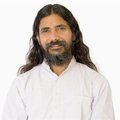
Yogi Vishnu Panigrahi
Guru Vishnu has been devoted to spiritual practice since childhood, guided by traditional teachings and early meditation experiences. He blends ancient yoga wisdom with practical guidance, helping students cultivate mindfulness, inner balance, and self-awareness. Known for his compassionate approach, Vishnu inspires personal growth and a deeper connection to both body and spirit.
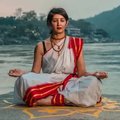
Anita Mander
Anita is a 500-hour RYT Kundalini and Tantra yoga and a 200-hour RYT multi-style yoga Vinyasa and Hatha yoga trained teacher. She is also a Level 1 and 2 cobra breath teacher, initiated through the lineage of Grand Master Sunyata Saraswati, as well as yoga Nidra and 50 hours of Ayurveda training. She passed her Reiki levels 1 and 2 and trained directly under the 10th lineage of Dr. Usui. She teaches Kundalini and Tantra styles at Kundalini Yoga Ashram, World Peace Yoga School, and Samadhi Yoga Ashram. She also teaches Kundalini and Tantra with Profit 28 and Santosha Yoga.
Ubicación
Ubud, Bali
This program will take place in Ubud which is in the Gianyar Regency of Bali, Indonesia.

Amenidades
Actividades
- Spa
- Piscina al aire libre
Generales
- Comedor
- Jardín
- Cocina
- Yoga shala
Alimentos
Vegetarian meals
Bali and India are well known for their beautiful taste in food. Ayurveda teaches about how to balance the body through your diet. Different foods influence the different systems and elements.
Students will enjoy the most tasty and healthy meals in Bali Yoga Retreat. The kitchen team is guided by the ashram and they know how to prepare food with spiritual feelings.
They do not use any meat, eggs, or alcohol in their kitchen. They also encourage students to not use them while they are here with them. They serve mostly vegetarian dishes. But with the requirement of the students, they also provide:
- Vegan
- Gluten-free
- Vegetarian
- Lactose-free
- Fruits
- Salad
- Ayurvedic khichdi
Meal schedule
- Breakfast (9:00 – 10:00)
- Lunch (13:00 – 14:00)
- Dinner (19:00 – 20:00)
On Sundays, you will receive only breakfast and you can enjoy your lunch and dinner outside in the many beautiful cafes and restaurants.
Los siguientes alimentos están incluidos:
- Brunch
- Lunch
- Dinner
- Drinks
Las siguientes bebidas están incluidas:
- Agua
Tipos de alimentación disponibles:
- Vegetariana
- Veganos
- Libre de gluten
- Libre de lácteos
- Yóguicos
- Ayurvédicos
Actividades opcionales
Optional add-ons and extra activities
During your training, you can enhance your experience with a range of optional add-ons and activities available on-site or around Bali.
- Upgrade to a private room or suite during the training
- Book additional one-on-one yoga or meditation sessions
- Join special workshops or masterclasses offered on-site
- Purchase yoga merchandise, mats, or props
- Enjoy spa treatments, massages, or wellness therapies
- Take guided nature walks or hikes around Bali
- Explore local cultural experiences such as Balinese cooking classes or temple visits
- Go on water activities such as snorkeling, surfing, or paddleboarding
- Visit nearby art markets, galleries, or craft villages
- Participate in community or volunteer activities in the area
Tratamientos de spa
Spa treatments and wellness therapies (optional, not included in package)
Balinese massage
Traditional full-body massage using long strokes and gentle pressure to relieve tension and improve circulation.
Aromatherapy massage
Relaxing massage with essential oils to soothe the mind and body.
Reflexology
Foot massage targeting pressure points to promote overall wellness.
Facial treatments
Customized facials using natural ingredients to rejuvenate the skin.
Body scrubs and wraps
Exfoliating and nourishing treatments for smooth and refreshed skin.
Couples or private sessions
Personalized spa treatments available for private bookings.
El paquete incluye
- 200-hour Kundalini Yoga Teacher Training
- Daily Kundalini Yoga classes and kriyas
- Meditation and pranayama sessions
- Yoga philosophy and teaching methodology workshops
- Practical teaching and alignment sessions
- Guided excursions to temples, waterfalls, and cultural sites
- Accommodation in a comfortable retreat setting
- Daily healthy vegetarian/vegan meals
- Community sharing circles and group activities
- Access to retreat facilities including yoga shala, gardens, and meditation spaces
- Course materials and training manuals
- Certification upon successful completion of the program
- 19 nights accommodation
- Optional evening activities such as chanting or cultural performances
No incluye
- International or domestic flights to Bali
- Travel insurance
- Personal expenses such as souvenirs, snacks, or drinks outside of meals provided
- Optional excursions or activities not listed in the included excursions
- Spa treatments, massages, or wellness therapies
- Visa fees (if applicable)
- Transportation outside of organized excursions or airport transfers
- Laundry services (unless specified)
- Personal yoga props or equipment not provided by the retreat
- Tips and gratuities for staff
¿Cómo llegar?
Aeropuertos recomendados
Traslado disponible por un costo adicional US$ 35 por persona
Ngurah Rai International Airport
A 28 km de tu destino
Arrival by airplane
Please book your flight to arrive at Ngurah Rai International Airport (DPS). You can find many taxi services from this airport to the school. It takes anywhere between 60 minutes to 70 to 80 minutes depending on traffic.
Política de cancelación
- Una reserva requiere de un depósito del 30% del precio total.
- El depósito no será reembolsado si la reserva es cancelada.
- El resto del pago deberá ser completado a tu llegada.

Comentarios
Con este organizador puedes asegurar tu reserva a través de BookYogaTeacherTraining.com. Todas las tarjetas de crédito principales son aceptadas.
Profesorado de yoga que te pueden interesar
Has visto recientemente