
25 Day 200-Hour Hatha, Ashtanga, Vinyasa Yoga Teacher Training with Ayurveda in Rishikesh, India
India Yoga Teacher Training
Arohan Yoga School's vision is to impart authentic yogic knowledge as the old sages of India envisioned to as many aspirants as possible. To this end, the price has been affordable without compromising teaching and infrastructure quality. The course is highly rated on the Yoga Alliance website (4.7/5 stars).
Meet the instructors
Highlights
- Learn authentic Classical Hatha and Ashtanga Vinyasa Flow yoga
- Learn detox, pranayama, meditation, philosophy, and anatomy
- 1 cooking session and two excursions
- Multiple specialist teachers and a structured, comprehensive syllabus
- Eligible to register with Yoga Alliance upon completion
- 24 nights accommodation with three daily meals
- Free pickup and drop to DED airport
- Free Ayurvedic massage - 60 minutes
Skill level
- Beginner
- Intermediate
Types
24 days with instruction in English
Accommodation
Arohan Yoga School is a beautiful ashram near the bank of the Ganges River. Tastefully done bedrooms with a comfortable bed, storage space, and an attached washroom with a hot shower are available. Also, enjoy an open terrace, a spacious garden, and a close view of the Himalayas and Ganga Beach. The ashram includes:
- One yoga hall at ground floor
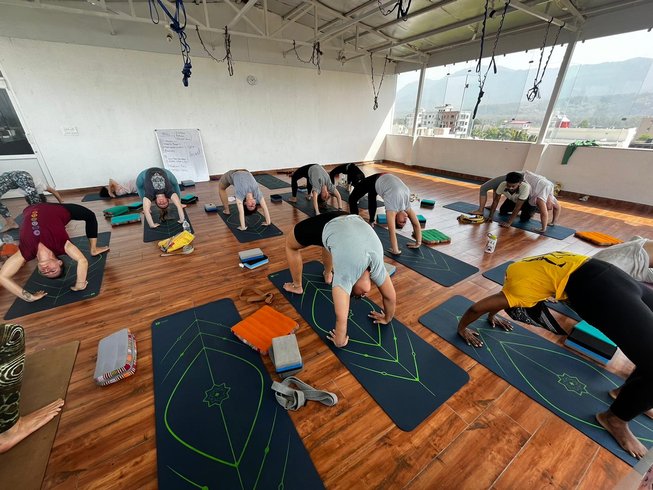
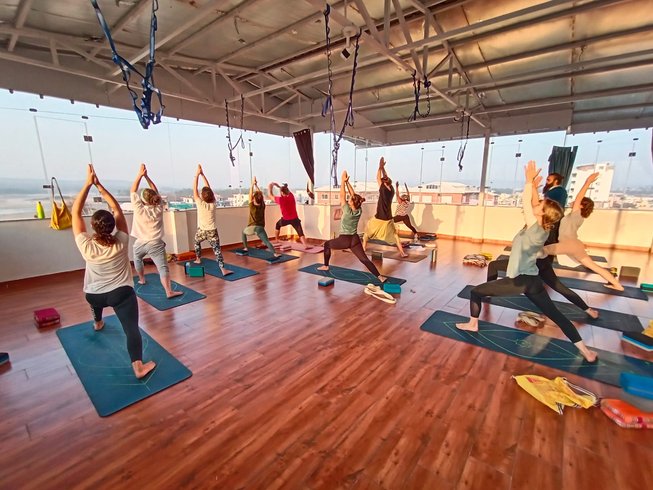
- One yoga hall on the terrace with a magnificent view of the river, forest, and Himalayan mountain range
- A dining area
- An open kitchen
- A spacious lawn/garden
- Lounge area
The school has spacious, clean, sattvic rooms and a choice of triple-shared, double-shared, and single occupancy rooms as per the students' budget, comfort, and convenience.
Program
Certifications
Students who complete this training are eligible to register with Yoga Alliance as Registered Yoga Teachers (RYT®).
What will you gain from this course at Arohan Yoga School?
Learn authentic, traditional yoga from a yoga school in Rishikesh, India. Imbibe in-depth, comprehensive knowledge of yoga, both theoretical and practical. The well-structured course is suitable for progressive learning training imparted by multiple specialist teachers well-versed in theory and practice.
Course curriculum
Yoga anatomy
- Yin and Yang tissues
- Types of stretches
- Pancha kosha
- Pancha prana
- Anatomical reference position
- Anatomy basics
- Connective tissues
- Muscular system
- Skeletal system
- Respiratory system
- Planes and axis
- Joints
- Spine and ribcage
- Reciprocal inhibition
Ayurveda
As per Ayurveda, the human body comprises five elements: earth, water, fire, air, and ether. Once you die, you assimilate back again into these five elements. These five significant elements form the three doshas in various combinations (Vata, pitta, and Kapha). It is the imbalance of these doshas that make a person ill.
Ayurveda believes the human body can heal itself if there are no toxins. Ayurvedic Panchakarma is the way to detox and heal. This course covers:
Introduction
- How Ayurveda differs from modern medicine
- The Pancha Mahabhutas (five elements)
- The Tri-doshas and their attributes
- Identify your dosha
- Yoga for different dosha body types
- The three pillars of health
- The seven building blocks or dhatus
- Diagnosis
- Mala
- Ama or toxins
- Panchakarma and its preliminary practices
Pranayama
Theory
- Introduction to pranayama
- The link between prana and pranayama kosha
- Movement of prana in the body
- Nadis/meridians
- Comparison of slower and faster breathing
- Benefits and contraindications
- Relation of breath with mind and emotion
- Sympathetic and parasympathetic nervous system trigger
- Preparation and general guidelines
- Quality of breathing
- Life span and breathing
Practice
- Abdominal/diaphragmatic breathing
- Clavicular breathing
- Thoracic breathing
- Yogic breathing
- Ujjayi
- Bhastrika
- Kapalbhati
- Nadi shodhana stage 1
- Nadi shodhan stage 2
- Surya and Chandra Bhedi
- Bhramari
- Sheetali and Sheetkari
Mudras (Symbolic Gestures)
- Hand Mudras: Chin, Chinmaya, Gyana, Dhyana, Yoni, Bhairava and
- Nasikagra Mudra
- Eye Mudras: Agochari, Shambhavi, and Bhoochari Mudra
- Tongue Mudra: Khechari Mudra
Bandhas (Energy / Pranic Lock)
- Introduction
- Benefits
- Limitations, precautions, and contraindications
- Conjunction with other practices
- Preferable positions in which to practice
- Jalandhara Bandha (throat lock)
- Uddiyana Bandha (abdominal lock)
- Mula Bandha (perineum lock)
- Maha Bandha-Mula and Uddiyana and Jalandhara (great lock)
Yoga Philosophy
- What is yoga
- History and development of yoga
- Four types of yoga - Karma, Bhakti, Jnana (Gyana), Raja
- Four Purusharths
- Karma yoga and its types
- Triguna concept
- Eight Limbs with Yama and Niyama (Patanjali's Ashtanga Yoga)
- Chakras and Kundalini
Meditations
- Anuloma Viloma with Prana Shuddhi
- Chidaksha Dharana
- Chakra Shuddhi
- Nada Brahma Meditation
- Gibberish Meditation
- Twin Hearts Meditation
- Chakra with elements and beeja mantra visualization
- Yoga Nidra
- Reflection of the day
Yoga Nidra
- Introduction
- Preparation and guidelines
- Components of yoga Nidra
- Therapeutic applications
- How yoga Nidra helps remove agitation at the subconscious level
- Physical, mental and emotional relaxation
- How it is a precursor to meditation
Ashtanga Vinyasa Flow Primary Series
- Surya Namaskara A
- Surya Namaskara B
Primary Series - Yoga Chikitsa
- Padangusthasana (big toe pose)
- Pada Hastasana (hands under feet)
- Trikonasana (triangle)
- Parivritta Trikonasana (revolved triangle)
- Utthita Parsvakonasana (extended side angle)
- Parivritta Parsvakonasana (revolved side angle)
- Prasarita Padottanasana (wide leg forward fold) A, B, C, D
- Parsvottonasana (intense side stretch)
- Utthita Hasta Padangusthasana (extended hand to big toe)
- Ardha Baddha Padma Uttanasana (half-bound lotus intense stretch)
- Utkatasana (fierce pose)
- Virabhadrasana I (warrior)
- Virabhadrasana II (warrior)
- Dandasana (staff pose)
- Paschimottanasana (west intense stretch) A, B, C
- Purvottanasana (intense east stretch)
- Ardha Baddha Padma Paschimottanasana (half-bound lotus version of paschimottanasana)
- Trianga Mukaikapada Paschimottanasana (1 leg folded back, forward fold)
- Janu Sirsasana (head to knee pose) A, B and C
- Marichyasana A, B, C, and D
- Navasana (boat) X5
- Bhujapidasana (arm pressure pose)
- Kurmasana (tortoise)
- Supta Kurmasana (reclining tortoise)
- Garbha Pindasana (embryo in the womb)
- Kukkutasana (rooster)
- Baddha Konasana (bound angle, upright, and fold) A, B
- Upavista Konasana (wide angle seated forward fold)
- Supta Konasana (reclining angle pose, open plow)
- Supta Padangustasana (reclining big toe pose A and B)
- Ubhaya Padangustasana (both big toes pose)
- Urdvha Mukha Paschimottanasana (upward-facing paschimottanasana)
- Setu Bandhasana (bridge building pose)
- Urdvha Dhanurasana (upward bow)
- Paschimottanasana (intense stretch)
- Salamba Sarvangasana (Shoulderstand)
- Halasana (plow)
- Karnapidasana (ear pressure)
- Urdvha Padmasana (upward lotus)
- Pindasana in Sarvangasana (embryo)
- Matsyasana (fish.)
- Uttana Padasana (intense stretched feet or legs)
- Sirsasana (headstand)
- Balasana (child's pose)
- Baddha Padmasana (bound lotus)
- Yoga Mudrasana (bound lotus with a forward bend)
- Padmasana (lotus)
- Tolasana/Uplutihih (the uplifting)
- Savasana (corpse)
Hatha Yoga
- Pawanmuktasana Series One
- Pawanmuktasana Series Two
- Pawanmuktasana Series Three
- Surya Namaskara with associated mantras
- Chandra Namaskara
- Alignment Sessions
- Hatha Flow yoga
- Acro yoga
- Alignment sessions
Standing Series Postures
- Bandha Hasta Utthanasana (Locked Hand Raising Pose)
- Tadasana (Palm Tree Pose)
- Tiryaka Tadasana (Swaying Palm Tree Pose)
- Kati Chakrasana (Waist Rotating Pose)
- Tiryaka Kati Chakrasana (Swaying Waist Rotating Pose)
- Utthanasana (Squat and Rise Pose)
- Druta Utkatasana (Dynamic Energy Pose)
- Samakonasana (Right Angle Pose)
- Dwikonasana (Double Angle Pose)
- Trikonasana (Triangle)
- Parivritta Trikonasana (Revolved Triangle)
- Utthita Lolasana (Swinging While Standing Pose)
- Dolasana (Pendulum Pose)
Vajrasana Group of Postures
- Vajrasana (Thunderbolt Pose)
- Ananda Madirasana (Intoxicating Bliss Pose)
- Padadhirasana (Breath Balancing Pose)
- Bhadrasana (Gracious Pose)
- Simhasana (Lion Pose)
- Simhagarjanasana (Roaring Lion Pose)
- Marjari-Asana (Cat Stretch Pose)
- Vyaghrasana (Tiger Pose)
- Shashankasana (Pose of The Moon or Hare Pose)
- Shashank Bhujangasana (Striking Cobra Pose)
- Ardha Ushtrasana (Half Camel Pose)
- Ushtrasana (Camel Pose)
- Supta Vajrasana (Sleeping Thunderbolt Pose)
Backward Bending Postures
- Saral Bhujangasana (Easy Cobra Pose)
- Ardha Bhujangasana (Half Cobra Pose)
- Bhujangasana (Cobra Pose)
- Tiryaka Bhujangasana (Twisting Cobra Pose)
- Sarpasana (Snake Pose)
- Ardha Shalabhasana (Half Locust Pose)
- Shalabhasana (Locust Pose)
- Saral Dhanurasana (Easy Bow Pose)
- Dhanurasana (Bow Pose)
- Kandharasana (Shoulder Pose)
- Setu Asana (Bridge Pose)
- Ardha Chandrasana (Half Moon Pose)
- Chakrasana (Wheel Pose)
Forward Bending Postures
- Padahastasana (Forward Bending Pose or Hand to Foot Pose)
- Utthita Janu Sirshasana (Standing Head Between Knees Pose)
- Sirsha Angustha Yogasana(Head to Toe Pose)
- Moordhasana (Crown-Based Pose)
- Saithalyasana (Animal Relaxation Pose)
- Paschimottanasana (Back Stretching Pose)
- Gatyatmak Paschimottanasana (Dynamic Back Stretch Pose)
- Pada Prasar Paschimottanasana (Legs Spread Back Stretch Pose)
- Janu Sirshasana (Head to Knee Pose) (Page No. 228)
- Parivritti Janu Sirshasana (Spiraled Head to Knee Pose)
- Ardha Padma Paschimottanasana (Half Lotus Back Stretching Pose)
- Yogamudrasana (Psychic Union Pose)
- Eka Padottanasana (One Leg Raised to Head Pose)
Balancing And Inverted Postures
- Eka Pada Pranamasana (One Foot Pose or Tree Pose)
- Saral Natarajasana (Lord Shiva Pose)
- Eka Padasana (One Foot Pose)
- Utthita Hasta Padangusthasana (Raised Hand to Big Toe Pose)
- Vatayanasana (Flying Horse Pose)
- Merudandasana (Spinal Column Pose)
- Santolanasana (Balancing Pose)
- Brahmacharyasana (Celibate's Pose)
- Vipareeta Karani Asana (Inverted Pose)
- Sarvangasana (Shoulder Stand Pose)
- Padma Sarvangasana (Shoulder Stand Lotus Pose)
- Poorwa Halasana (Preliminary Plough Pose)
- Halasana (Plough Pose)
- Druta Halasana (Dynamic Plough Pose)
- Ardha Padma Halasana (Half Lotus Plough Pose)
- Karnapeedha AsanA (Knee to ear Pose)
- Bakasana or Baka Dhyanasana (Crane Pose)
- Eka Pada Baka Dhyanasana (One-Legged Crane Pose)
- Sirshasana (Headstand Pose)
- Mayurasana (Peacock Pose)
Meditative Postures
- Padmasana (lotus)
- Ardha Padmasana (Half-lotus)
- Swastikasana (Auspicious Pose)
- Siddhasana (Accomplish pose)
- Sidha-Yoniasana (Accomplished pose for women)
- Sukhasana
Cleansing Kriyas / Detox Techniques
- Jala Neti
- Kunjal Kriya
- Laghu Shankhaprakshalana
- Simha Kriya
- Agnisar Kriya
Mantra Chanting
- Om Mantra (The primordial sound)
- Maha Mritunjyay Mantra
- Gayatri Mantra
- Pavaman Mantra
- Guru Mantra
- Maha Mantra
- Yogasana mantra
- Several Shanti Mantras
Teaching Practise
- Demonstration and description
- Benefits and contraindications
- Alignment and engagement
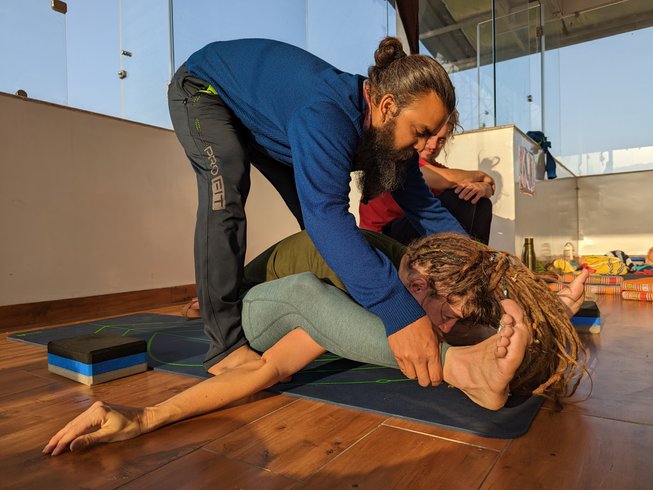
- Adjustment and modifications
- Instructions
Teaching Methodology
- How to properly sequence a class
- Step by step Planning for a yoga class
- Proper communication
- Building trust
- Qualities of a good teacher
- Demonstrating, observing, assisting, and correcting
- Show, Tell and Touch
- Time management
Evaluation Based On
- Written/practical/oral exam
- Attendance
- General conduct
- Adherence to rules
Daily Schedule
Mondays to Saturdays
- 06:00 – 07:30 Ashtanga Vinyasa yoga
- 07:30 – 08:30 Detox/Ayurveda/Pranayama & Mantra
- 08:30 – 10:00 Hatha yoga
- 10:00 – 10:45 Breakfast
- 12:00 – 13:00 Yoga anatomy
- 13:00 – 14:00 Yoga Philosophy/Meditations
- 14:00 – 14:45 Lunch
- 15:00 – 16:00 Alignment & Adjustment/Teaching methodology
- 17:30 – 19:00 Read/Analyze/Organize
- 19:00 – 19:45 Dinner
- 21:00 Lights off
Sundays (Self-Practice & Study).
Note:
Schedule is subject to change
- Check-in: please arrive anytime on 1st day of the course during 6 am to 6 pm
- Check out: 11:30 am on the last day of the course
Included excursions
The two complimentary excursions will generally take place on Sundays. Two locations from the following could be Patna Waterfall and Tek, Kunjapuri Temple, Ganga Aarti, or Vashishtha Gufa (meditation cave).
Instructors
Neeraj
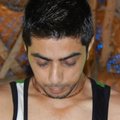
Neeraj is an experienced, registered yoga teacher E-RYT from Yoga Alliance. He completed his course in Rishikesh. He is also certified as a yoga instructor from the Ayush Ministry, Government of India. Neeraj has completed a course in Vedantic philosophy. He is also an MBA and has nine years of experience in the corporate world. Apart from teacher training and retreats, Neeraj conducts workshops for golfers, corporates, and runners. He believes in imparting holistic yoga knowledge with equal emphasis on asanas, pranayama, mudra, bandha, cleansing, and meditational techniques.
Vikas Singh
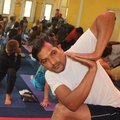
Vikas has more than 12 years of teaching experience. Born and brought up in the sacred city of Rishikesh, he has a natural affinity for yoga. He is the Hatha teacher. He is known to be very spontaneous and his classes are enjoyed by one and all.
Ravi Prakash
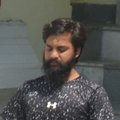
Ravi Prakash, a dedicated yoga instructor with over 15 years of experience, currently resides in Rishikesh, India. He is deeply committed to yoga and its philosophy and is currently pursuing a Ph.D. in Yoga Philosophy at Himalaya Garhwal University. His background extends beyond yoga, as he is also a Physical Education teacher and Neurotherapist. Having grown up in the picturesque foothills of the Himalayas, near the lake town of Nainital, he now dedicates himself to teaching yoga and running a Neurotherapy wellness center in Rishikesh, sharing his passion for well-being with his community.
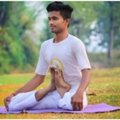
Sumit
Sumit was raised in Rishikesh and completed his education in yoga in Rishikesh itself. He has a master's degree (post graduate) in yoga. He has been teaching yoga for the last four years. He takes Hatha yoga, Yin yoga, Aerial yoga, and mantra chanting sessions.
Location
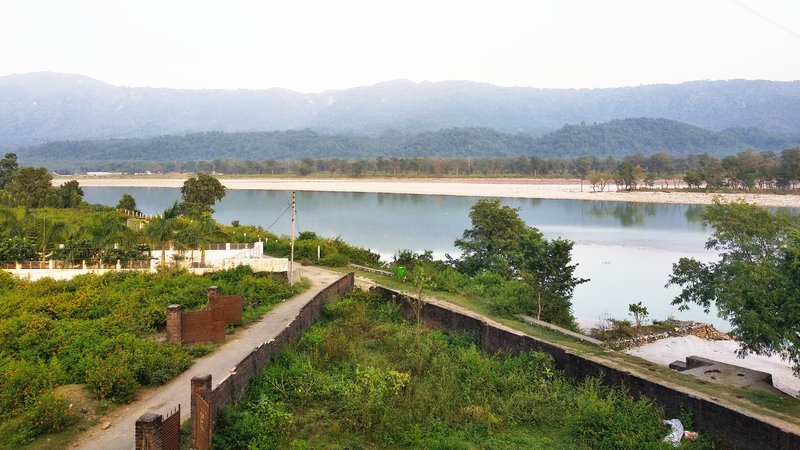
Arohan Yoga School is located right on the bank of the holy river Ganges in Rishikesh. Here, you can enjoy the best nature offers, such as rare migratory birds, stunning views of the Ganges, the Shivalik range of the majestic Himalayas, and beautiful forests. Provisional stores, pharmacies, vegetable and fruit shops, restaurants, etc., are within walking distance of the school.

Food
You will be served daily Sattvic meals along with RO (Reverse Osmosis) filtered water and unlimited Ayurvedic tea included in the price. During this teacher training, please note that meat, alcohol, cigarettes, and drugs are strictly prohibited. Breakfast typically has two fruits and upma/poha/porridge/sprouts/idli/parathas.
Arohan Yoga generally provides one portion of dal, vegetable curry, chapatis, and rice, raita during lunch and dinner. Please be informed that no food will be provided on weekly off days, usually Sundays.
The following meals are included:
- Breakfast
- Lunch
- Dinner
- Drinks
The following drinks are included:
- Water
- Tea
The following dietary requirement(s) are served and/or catered for:
- Vegetarian
- Vegan
- Lactose Free
- Yogic
- Ayurvedic
Things to do (optional)
- A variety of massages and Panchakarma treatments
- Cycling
- Exploring local markets and ghats
- Shooting range
- River rafting
- Trekking
Spa treatments
A 60-minute Ayurveda massage is included in the price.
What's included
- Yoga training
- 2-weekend excursions
- 1 cooking session
- 24 nights accommodation
- 3 Sattvic meals daily (except for Sundays)
- Filtered water and unlimited Ayurvedic tea
- All study materials
- Certificate of completion to register with Yoga Alliance
- Free pick-up from DED airport (only on the first and last day of the course)
- Toilet papers
- Washing machine for laundry (access provided twice weekly, 5 items only)
- Free Ayurvedic massage - 60 minutes
What's not included
- Airfare
- Ayurvedic Massage
- Taxi pick-up from Delhi or Haridwar
- Personal expenses
- Ayurvedic Panchakarma and treatment
- Visa
- Any other personal expense
- Sunday meals
How to get there
Recommended Airports
Transfer included
Jolly Grant Airport
17 km away from your destination
Transfer available for additional US$ 70 per person
Indira Gandhi International Airport
200 km away from your destination
Arrival by car
Please arrive anytime during daylight hours on the first day of the course (the starting date). You can take a car (Uber) from Delhi Airport directly to Arohan Yoga in Rishikesh. The cost usually is about 70 USD.
Arrival by airplane
You can book a direct flight to Jolly Grant Airport (DED). It’s a 50-minute flight from Delhi Airport. Usually around 50 USD. Pick-up from Jolly Grant Airport (DED) is included only if you arrive on the 1st day.
Arrival by bus
You can book online for a bus ride from Delhi to Rishikesh. Charges range from 5 to 20 USD.
Arrival by train
Book a train from Delhi to Rishikesh Railway Station (YNRK). It is about 12 kilometers from the school, or Haridwar (HW) which is about 25 kilometers from the school. Charges start at 10 USD.
Please note that due to changing demand and availability, Arohan Yoga cannot guarantee the accuracy of this information and, therefore cannot be held liable.
Cancellation Policy
- A reservation requires a deposit of 30% of the total price.
- The deposit is non-refundable, if the booking is cancelled.
- The rest of the payment should be paid on arrival.

Reviews
For this organizer you can guarantee your booking through BookYogaTeacherTraining.com. All major credit cards supported.
Similar Yoga Teacher Training you might like
You recently viewed