9 Day Non-Residential 95-Hour Children's Yoga Teacher Training in Sheung Wan, Hong Kong
Short Children's Yoga Teacher Training Hong Kong
This intensive training runs over Lunar New Year (17th February is a free day to enjoy the festivities), offering the perfect mix of celebration, culture, and professional growth.
Key information
- Training format: Full-day, except for February 17th
- Total duration: 10 days with 9 days of activities
- Schedule overview: 09:00 - 17:00
- Certification: 95-hour certificate eligible for Yoga Alliance registration
- Address: Wildflower Wellbeing and Enrichment in Sheung Wan, Hong Kong
Meet the instructors
Read more
Highlights
- Daily yoga classes
- Meditation, breathwork, and mindfulness sessions
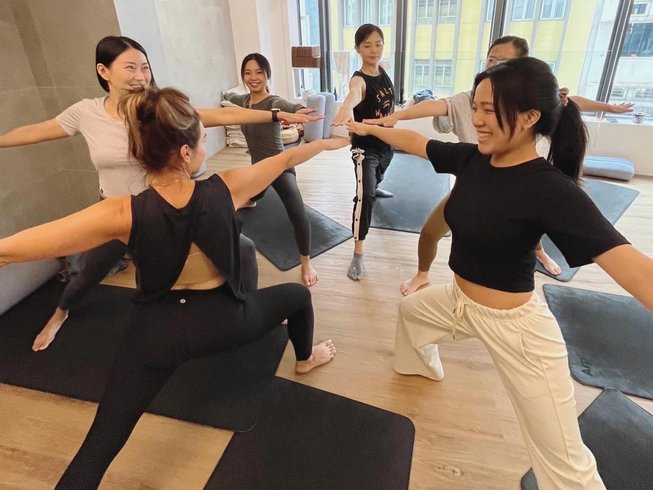
- Demonstration lessons and teaching practices
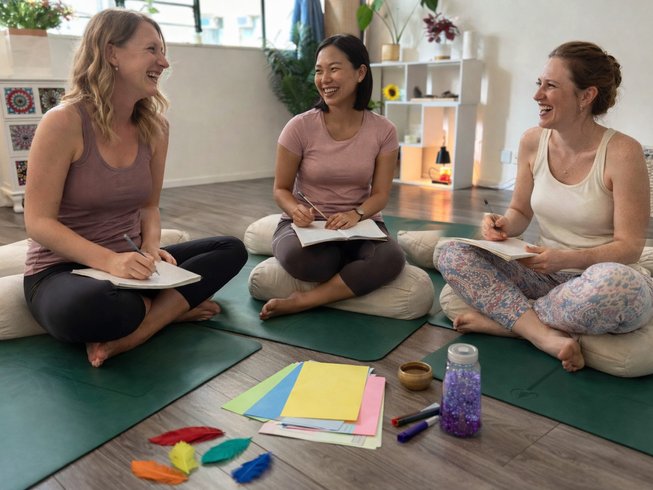
- Interactive groupwork and group discussions
- Eligible to register with Yoga Alliance upon completion
- Experienced instructor
Skill level
- Beginner
Types
8 days with instruction in English
 Average daily hours of activity: 8
Program
Certification
Students who complete the training are eligible to register with Yoga Alliance as Registered Children Yoga Teacher (RCYT®).
About the training
Experience Hong Kong during the Lunar New Year, one of the most magical times to visit. Think lantern-lined streets, lion dances, harbourfront fireworks, temple visits, firecracker energy, and the unmistakable buzz of a city celebrating renewal. This certified children's yoga teacher training is playful, science-backed, and holistic, blending yoga, movement, mindfulness, and regulation strategies with a deep understanding of child development. Every session is designed to be accessible and practical, so you will walk away with tools you can confidently use straight away. This training includes training manuals, lesson plans, and resources so that you can start teaching kids yoga right away. This training is more than just yoga.
You will focus on self-regulation, resilience, and mental health skills for both children and the adults who guide them. This is not about memorising sequences; it is about understanding how the brain and body develop, why children behave as they do, and how yoga and mindfulness can support them in thriving emotionally, socially, and physically. This training is built around four core pillars of teaching and child development. Together, they create a complete framework that is playful, holistic, and science-backed - giving you both the practical tools and the deep understanding to support children’s growth, resilience, and well-being. To ensure you have a strong foundation in both yoga and child development, the foundation pillar is compulsory. This is where your journey begins.
The foundation pillar
This course is a powerful, enriching course, giving you the core principles, practical tools, and foundational knowledge of children’s yoga - ideal for parents, educators, caregivers, or anyone wanting to gain the core principles, practices, and developmental knowledge of children’s yoga. You will walk away with a toolkit you can use immediately at home, in your classroom, or in community settings. You will complete all three remaining pillars (in any order) to graduate as a certified children’s yoga teacher, depending on your goals, schedule, and areas of interest.
The four pillars
Every pillar covers the full age range, three to 18 years, with thoughtful adaptations and teaching strategies so that you can confidently guide children and teens at every stage. Each pillar simply focuses on a different aspect of learning and practice and is always delivered through experiential learning, class demonstrations, hands-on teaching practice, group discussion, and interactive groupwork. You keep the process playful, meaningful, and nurturing so your training is not only effective, but highly positive, fun, and deeply engaging.
1. The foundation pillar (the integrative approach)
Your essential starting point: the core principles, practices, and teaching foundations of children’s yoga, giving you a complete framework to begin sharing yoga with children confidently.
2. The body–brain pillar (the scientific approach)
A science-backed deep dive into the anatomy of the body, brain, and breath, exploring how, when, and why you use specific poses, breathing techniques, meditation, and self-regulation practices - including safe challenges and teen yoga sequencing.
3. The heart–mind pillar (the creative approach)
A playful and imaginative approach using storytelling, music, art, games, and mindfulness activities, alongside age-appropriate yoga philosophy and creative practices such as mandala art and moving meditations.
4. Whole child pillar (the inclusive approach)
A holistic lens on adapting yoga for all children and teenagers, including restorative and therapeutic practices, relaxation for stress and anxiety, and accessible approaches for neurodivergent learners and children with disabilities.
The foundation pillar (the integrative approach) - 20 hours
Your essential starting point: the core principles, practices, and teaching foundations of children’s yoga. This pillar equips you with the confidence, knowledge, and practical tools to begin teaching safely, creatively, and effectively. This pillar is so much more than theory - it is packed with tools, techniques, and insights you can use immediately in your classroom, home, therapy sessions, or yoga classes. You will learn to create engaging, playful, and age-appropriate experiences that help children feel calm, focused, and supported, while giving you the confidence to deliver every session with ease. What you will learn:
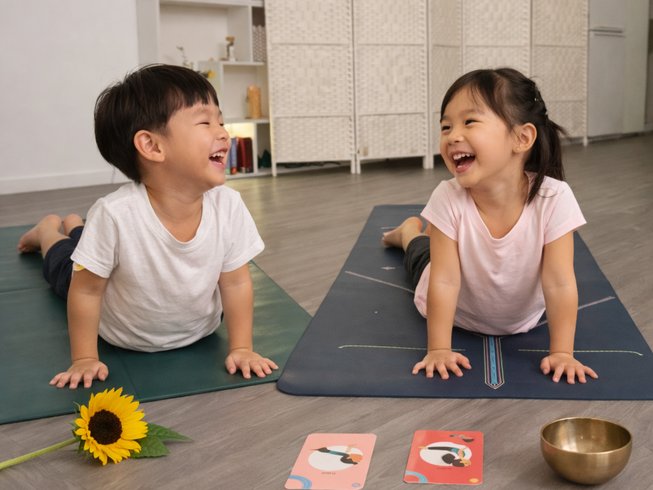
- Core yoga poses and sequences that kids love! Tailored for children and teens, helping you feel confident in guiding movement safely and creatively
- Breathwork and guided relaxation techniques that actually work for all ages, supporting emotional regulation, stress relief, sleep, and energy management
- Age-appropriate teaching strategies, class structures, and behavior management, so you leave with the skills to run smooth, engaging, and inclusive sessions, and practical skills on how to calm the chaos, foster a harmonious, positive learning environment for each age group
- Mindfulness and self-regulation exercises designed to cultivate focus, ease, and emotional resilience in children and teens
- Partner and group yoga that builds connection: Learn how to teach playful and inclusive partner, group, and family yoga practices that promote bonding, communication, and trust
- Education meets movement: Blend yoga with proven educational philosophies and child development theory, so you can confidently create classes that match how children really learn, explore, and grow
By the end of this pillar, you will feel skilled, prepared, and inspired to teach - ready to bring yoga, mindfulness, and relaxation into the lives of children and teens with clarity, creativity, and joy, with techniques that actually work in real life.
The heart–mind pillar (the creative approach)
This part of the curriculum is where the magic of yoga truly comes alive in ways that children can feel, understand, and apply to their everyday lives. You will gain powerful tools to not only engage children through movement and mindfulness, but also to help them navigate life’s challenges, develop self-awareness, and build emotional resilience - this is where your impact deepens. This pillar focuses on the playful, heart-led, and intuitive aspects of yoga, using storytelling, creative problem-solving games, expressive movement, and gentle flow practices to make yoga relatable and meaningful for every age.
You will discover how to engage young children’s imagination, challenge primary-aged learners through mindfulness and movement, and guide teens with holistic, stress-relieving, and expressive practices - all while sharing the core principles and practices of yoga in ways that gently stimulate the senses, mind, and creativity. You will explore:
- Creative class design using storytelling, music, art, and games to engage children and teens of all ages
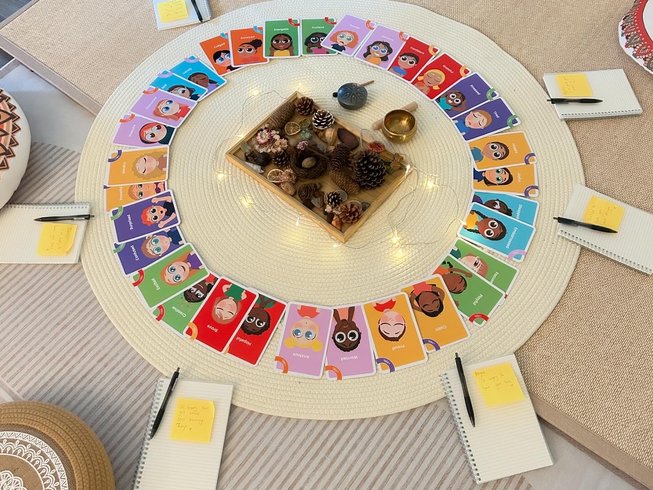
- Mandala art meditations that support emotional regulation, intuitive-movement, and focus, helping children process their emotions, reflect on experiences, and cultivate deeper self-awareness
- Age-appropriate mindfulness activities, encouraging self-expression, calm, and resilience
- Playful approaches to yoga philosophy and the chakra system (the energy body), making abstract concepts meaningful, relevant, and fun for children and teens
- Learn how to share Hindu mythology in a way that is respectful and inclusive of different cultures, backgrounds, and belief systems. Adapting these powerful stories to teach meaningful life lessons through yoga, breath, and movement.
- Creative meditation techniques for every age: From story-led visualisations to mindful movement, you will discover a toolbox of meditations for children aged three to 18, so you can meet their emotional and nervous-system needs with sensitivity and ease.
- Techniques to foster emotional intelligence, confidence, and joy through yoga movement and creativity
After this pillar, you will feel inspired, imaginative, and confident in delivering sessions that spark curiosity, creativity, and emotional growth.
The body–brain pillar (the scientific approach)
Explore the science behind children’s yoga, learning how the body, brain, and breath work together to support learning, focus, and self-regulation. This pillar helps you understand the “why” behind every pose, technique, and activity so you can teach with confidence and clarity. You will dive into:
- How children’s bodies and brains grow and develop, and how yoga, mindfulness, and self-regulation techniques can support focus, calm, and confidence at every age. You will explore what’s happening in children’s brains during meditation and how to make it fun, engaging, and relevant, as well as yoga poses that are specific to each age group, based on physical development and childhood anatomy.
- Breathwork and calming techniques tailored to different ages, including exactly what to do when children are anxious, overstimulated, or dysregulated, and why they work. Learn how to teach breathing games, meaningful pranayama, and engaging mindfulness exercises that activate different parts of the brain and nervous system.
- Practical anatomy for movement, including teen-friendly alignment cues, safe ways to teach empowering poses like handstands, and yoga strategies to relieve daily physical challenges such as desk-related back pain, eye strain, and tension from screen time
- Discover what to avoid and why when teaching poses, breathing, and meditations at each age, so every child stays safe, engaged, and able to fully enjoy yoga in a way that matches their body and brain development.
- How to design class sequences around a peak pose, theme, or goal, making classes flow smoothly for all ages while keeping sessions playful, safe, and developmentally appropriate
- The why behind each technique, so you can confidently adapt, explain, and modify sessions for children and teens, knowing exactly how your teaching supports their nervous system, brain, and body.
By the end, you will feel confident, skilled, and empowered - ready to deliver yoga that is fun, holistic, and science-backed, helping children and teens move, breathe, and relax in ways that truly support their mind, body, and nervous system in a developmentally-appropriate way.
The whole child pillar (the inclusive approach)
Learn how to adapt yoga for every child, including neurodivergent learners, children with disabilities, and those with anxiety disorders. This pillar equips you with tools to create safe, supportive, and inclusive classes that help all children and teens feel seen, understood, and valued. You will explore restorative, therapeutic, and stress-relief practices, supporting emotional and mental well-being while making yoga accessible and enjoyable for all abilities and developmental stages.
You also dive into the business of children’s yoga - together you will map out a clear action plan based on your strengths, interests, and preferred age groups. Because the training is kept intentionally small, you will also receive personalised coaching and feedback within the group setting, so you leave knowing exactly how to move forward. What you will learn:
- Inclusive and specific teaching strategies, making yoga accessible and beneficial for neurodivergent learners, children with disabilities, and those with anxiety disorders
- Restorative and therapeutic yoga techniques, supporting children’s emotional regulation, stress management, and overall well-being
- How to thoughtfully and creatively adapt yoga, mindfulness, and regulation practices for children with diverse needs, including ADHD and autism, understanding which techniques are most supportive (and which to avoid) so every child feels safe, engaged, and included.
- Practical and engaging tools for anxiety, overwhelm, and dysregulation, helping children feel calm, focused, and supported no matter what their age
- Adaptations for mixed-age and mixed-ability groups, ensuring every child can participate safely and confidently
- Creating a welcoming and supportive class environment, fostering connection, belonging, and community.
- Professional practice focus: This gives you the tools and confidence to turn your training into real opportunities. You will leave with a clear action plan tailored to your interests and preferred age group, plus personalised coaching in a small-group setting. And if you would like even deeper support, you will have the option to continue into one-on-one mentorship after the training.
By the end of this pillar, you will feel compassionate, capable, and inspired, ready to teach fun and meaningful yoga that truly meets the needs of every child in your class.
Schedule
Daily schedule is from 9:00 a.m. to 5:00 p.m. with February 17th as a self-study day. Daily, interactive workshops offer:
- Yoga poses that kids love and that work for their bodies
- Safe and supportive movement practices, including restorative practices for teenagers
- Child development, neuroscience, and emotional regulation and how it relates to children's yoga and mindfulness
- Breathwork that actually works and what is developmentally appropriate and safe for each age group
- Playful, creative yoga, and mindfulness activities for children and teens, including mandala art meditations
- Partner and group yoga that builds connection
- Yoga for teens: support through the tricky years - including challenging poses; how to teach alignment and technique to 12 to 18 year olds
- Classroom and studio-ready lesson planning
- Behavior, co-regulation, and supporting big feelings
- Nature-based, sensory, and therapeutic practices
- Confidence-building, voice, presence, and teaching skills
- Therapeutic tools for neurodiverse learners and children with additional needs
- Practical tools you can use immediately in schools, studios, or at home
- Kids yoga as a business and a mission - gain practical, real-world strategies to launch or grow your kids yoga classes
Morning workshops
- Yoga and meditation for primary-aged children
- Yoga games and sequencing
- Yoga for the Early Years
- Challenging poses and strength-based practices for teens
- Yoga for neurodiverse learners
Afternoon workshops
- Yoga philosophy and the chakra system made accessible for children
- Nervous system health, development, and regulation
- Breathing techniques (pranayama) for kids and teens
- Meditation and mindfulness for kids and teens
- Restorative yoga and relaxation for stress and anxiety
Sample schedule
- 09:00 - 10:30 Energising, hands-on and skills-based learning including demonstration classes, teaching practices and feedback, interactive group discussions
- 10:30 - 10:45 Breaktime
- 10:45 - 12:45 Energising, hands-on and skills-based learning including demonstration classes, teaching practices and feedback, interactive group discussions
- 12:45 - 13:30 Lunch break
- 13:30 - 15:15 Theory and integration, restorative and therapeutic practices: Grounding, nourishing, and insight-led sessions involving group discussions, knowledge transfer, and demonstration classes
- 15:15 - 15:30 Breaktime
- 15:30 - 17:00 Theory and integration, restorative and therapeutic practices: Grounding, nourishing, and insight-led sessions involving group discussions, knowledge transfer, and demonstration classes
Instructors
Laura McEgan
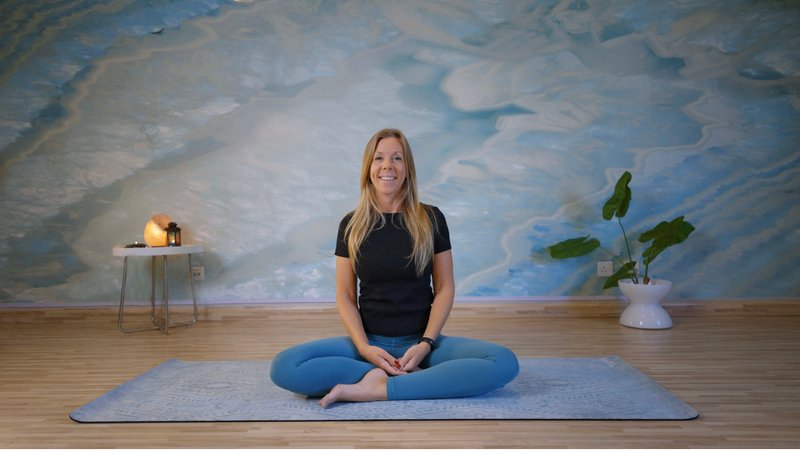
Laura McEgan is an international educator and yoga teacher trainer with over 25 years of experience supporting children, educators and families globally. With a background in early years education and therapeutic approaches, she weaves science-informed well-being practices with creative, heart-led teaching. As founder of Divine Light Yoga and Wildflower Well-Being in Hong Kong, Laura delivers internationally recognised Children’s Yoga Teacher Trainings and retreats. Her work centres on regulation, connection, and sustainable well-being for both teachers and students.
Location
A small, nurturing yoga studio nestled in the vibrant neighbourhood of Tai Ping Shan, an area known for its charming alleyways, vintage stores, street art, cool cafés, and historic temples. This creative, community-focused part of Hong Kong blends old-world character with modern culture, offering a calm yet inspiring setting just moments away from the city’s energy.

What's included
- 95-hour children’s yoga teacher training
- Certificate of completion
- Training manuals, lesson plans, and resources
- On-going access to a supportive, online community of kids yoga teachers
What's not included
- Airfare
- Airport transfers
- Accommodation
- Meals
Cancellation Policy
- A reservation requires a deposit of 14% of the total price.
- The deposit is non-refundable, if the booking is cancelled.
- The rest of the payment should be paid 30 days before arrival.

Reviews
For this organizer you can guarantee your booking through BookYogaTeacherTraining.com. All major credit cards supported.