8 Day 50-hour Myofascial Yin Yoga Teacher Training in Chiang Mai, Thailand
Myofascial Yin Yoga Teacher Training Thailand
Myofascial Yin yoga is a modern evolution of traditional Yin yoga that blends fascia-focused anatomy with ancient energetic wisdom. In this 50-hour teacher training, you’ll explore the science of fascia, the energetic pathways of Chinese medicine, and how they intersect through sustained, passive postures.
Meet the instructors
Read more
Highlights
- Certificate of completion recognized by Yoga Alliance
- Explore the science of fascia and its role in Yin yoga
- Learn to integrate Chinese meridian theory with myofascial pathways
- Practice assisted release techniques for deeper fascial unwinding
- Study muscle anatomy, stretching physiology, and connective tissue properties
- Understand the Five Elements and emotional balance through Taoist theory
- Refine your teaching with clear cueing, intelligent sequencing, and practical tools
- 7 nights accommodation in a private room in Chiang Mai with vegetarian lunch per day
Skill level
- Beginner
- Intermediate
- Advanced
Types
6 days with instruction in English
Accommodation
Facilities
- Swimming pool (outdoor)
- Café
- Garden
- Lounge
Stay in comfort at Vdara Pool Resort Chiang Mai
To support your journey of stillness and release, EidanYoga has partnered with Vdara Pool Resort Chiang Mai, a serene and modern resort just minutes from the training venue (Layla Yoga Garden). Nestled in a quiet neighborhood with mountain views, the resort offers a peaceful environment that is perfect for rest, integration, and connection with fellow students.
Enjoy your own peaceful space in a cozy, beautifully designed room.
- Spacious, comfortable rooms with private bathrooms
- Lush garden surroundings and mountain views
- Peaceful atmosphere, ideal for reflection and integration
- Outdoor swimming pool and lounge area
- On-site café with healthy breakfast options
- Easy access to the training location (five minutes' walking distance)
Program
Certifications
The course / hours count as Continuing Education hours for Registered Yoga Teachers (RYT®) only.
50-hour Myofascial Integrated Yin YTTC
Join EidanYoga's Myofascial Yin yoga teacher training in Chiang Mai, Thailand, with flexible course dates to suit your schedule. Each training takes place at Layla Yoga Garden, a serene space designed to support fascia-focused learning, Yin yoga practice, and personal transformation.
Enjoy full access to the retreat facilities while deepening your understanding of myofascial anatomy, Yin sequencing, and mindful teaching.
Slow down. Tune in. Transform.
Join EidanYoga for an immersive Yin teacher training wherein anatomy meets spirit, stillness becomes strength, and the fascial body becomes your guide. Learn to map myofascial meridians, guide breath-based release, and understand the body through the lens of modern anatomy and Taoist philosophy.
This method bridges intuitive stillness with scientific precision, offering a deeply embodied and intelligently adaptive approach to Yin yoga. Whether you’re a teacher or passionate practitioner, this immersive journey will deepen your practice and elevate the way you teach.
Deepen your practice. Awaken your inner teacher.
Myofascial Yin yoga teacher training
The Yin-Yang symbol teaches a timeless truth: within every Yin, there is a touch of Yang, and within every Yang, a seed of Yin. This dynamic balance mirrors nature - and the yoga practice. In this 50-hour Myofascial Yin yoga teacher training course (YTTC), you will explore the integration of Yin and Yang energies through the lens of fascia, functional anatomy, and Taoist philosophy.
Rather than separating these forces, this immersive course weaves them together - bringing softness into structure and vitality into stillness. You’ll learn to apply myofascial release techniques, fascia-informed Yin postures, and the Taoist Five Element theory to create deep, transformative sequences.
Designed for yoga teachers and committed practitioners, this training offers a holistic path to understanding the body, breath, and subtle energy systems - combining modern fascia science with the wisdom of Yin yoga.
What is Yin yoga?
Yin yoga is a deeply meditative and introspective practice that focuses on stillness, patience, and surrender. Unlike more dynamic yoga styles that emphasize muscular engagement and movement, Yin yoga targets fascia, ligaments, tendons, and joints through passive, long-held postures.
By maintaining poses for an extended duration, typically between two to six minutes, Yin yoga applies gentle stress to these tissues, encouraging elongation of muscles and fascia.
Rooted in both ancient Taoist philosophy and Traditional Chinese Medicine (TCM), Yin yoga aligns with the principles of qi (life energy) and the meridian system. Each posture is designed to stimulate specific meridians, promoting energetic balance and overall well-being.
Additionally, the practice supports the nervous system by activating the parasympathetic response, allowing for deep relaxation, introspection, and emotional release.
In a world that often prioritizes speed and productivity, Yin yoga offers a counterbalance - an opportunity to slow down, turn inward, and cultivate mindfulness while enhancing the body's resilience and vitality.
What is Myofascia?
Although the term Myofascia is often associated with techniques like myofascial release therapy and myofascial pain treatment, it actually describes the intelligent, interconnected network of muscles and fascia (connective tissue) that supports, stabilizes, and integrates the entire body.
A deeper understanding of the myofascial system can significantly enhance yoga practice and other movement modalities by improving alignment, postural integrity, and functional movement. This fascia-focused knowledge supports injury prevention, promotes body awareness, and leads to a more efficient, balanced, and embodied yoga practice.
What are the myofascial meridians?
Myofascial meridians, also known as fascial lines or anatomy trains, are continuous pathways of connective tissue (fascia) that distribute tension, force, and movement throughout the body.
Popularized by Thomas Myers in his work Anatomy Trains, these fascial networks demonstrate how muscles and fascia function as an integrated system rather than in isolation. Incorporating an understanding of myofascial meridians into yoga practice can improve movement efficiency, enhance postural alignment, support functional mobility, and help with injury prevention.
This fascia-based perspective is essential for those practicing or teaching fascia yoga, anatomy-informed Vinyasa, or Myofascial Yin yoga.
Why study myofascial meridians in Yin yoga?
Understanding myofascial meridians reveals how the body's connective tissue networks contribute to overall movement and posture, adapting to meet your needs and demands. By grasping these interconnected pathways, practitioners can improve alignment, develop a body that is both resilient and adaptable, optimize energy flow, and prevent injuries.
This knowledge enables more precise and effective execution of asanas, ensuring that the body functions harmoniously rather than in isolated parts. Consequently, it deepens one's practice by fostering a holistic awareness of how different regions of the body influence and support each other during yoga practice.
In the context of Yin yoga, myofascial meridians align with the traditional Chinese meridian system, offering a bridge between modern anatomy and ancient energetic principles. Long-held poses in Yin yoga apply sustained tension to specific fascial lines, promoting hydration, plasticity, and release of stored tension.
This approach can improve flexibility, structural balance, and energy flow.
What is Myofascial Yin yoga?
Myofascial Yin yoga is a modern evolution of traditional Yin yoga that blends fascia-focused anatomy with ancient energetic wisdom. While classical Yin yoga emphasizes the meridian system and the flow of qi (life force energy), Myofascial Yin yoga expands the practice by addressing the functional dynamics of fascia - the body’s connective tissue network.
This approach explores how fascia shapes mobility, stores tension, and supports structural balance. Through sustained, passive pressure along targeted myofascial meridians, the practice enhances tissue hydration, releases restrictions, and improves overall fascial health, creating a deeper, more integrative Yin yoga experience.
Why Myofascial Yin yoga?
Myofascial Yin yoga bridges the gap between ancient wisdom and modern science, offering a deeper understanding of how the body moves and functions.
Traditional Yin yoga has long been associated with the meridian system and energetic flow, but contemporary fascia research provides new insights into how sustained tension and release impact mobility, pain relief, and structural integrity.
What is the difference between traditional Yin yoga and Myofascial Yin yoga?
While both Yin yoga and Myofascial Yin yoga are rooted in long-held, passive postures that invite introspection and stillness, they differ in their approach and intention. Traditional Yin yoga is closely aligned with Taoist philosophy and the meridian system, typically emphasizing extended holds in stillness to create deep stimulation in the body’s connective tissues.
Myofascial Yin yoga, while honoring the same philosophical roots, integrates a more contemporary understanding of the body, especially through the lens of fascia and its relationship with movement, breath, and energy flow.
The structure of the practice, its rhythm, and the way that poses are explored reflect this unique perspective, offering an experience that is both meditative and intelligently adaptive to the body’s natural needs.
The specific methodology of Myofascial Yin yoga - how you move, hold, and release - will be fully revealed and experienced during the training, allowing you to embody the principles firsthand and understand the deeper layers behind the method.
What you will learn in the Myofascial Yin YTTC
This 50-hour Myofascial Yin YTTC covers a comprehensive blend of modern anatomy, fascia research, energetic theory, and traditional Eastern philosophy. Topics include:
- Muscle anatomy and functional physiology
- Fascia anatomy and the key properties of connective tissue
- Physiology and types of stretching
- The Myofascial meridians and their applications in yoga
- Core principles of Myofascial Integrated Stretching (MIS) and Yin yoga
- The history and foundations of Traditional Chinese Medicine (TCM)
- Taoist Yin-Yang philosophy
- The 12 Chinese primary meridians and their energetic pathways
- The Five Elements theory and emotional-energetic balance
- The six layers of fascia and their role in energy flow
- Yin yoga asanas applied through the myofascial lens
- Breathwork and pranayama techniques that support deep release
Schedule overview (applies to all training rounds)
- 14:00 - 18:00 Check-in: Day before training - Please aim to arrive during this window to settle in comfortably; if your arrival is outside of this time, let EidanYoga know in advance so that they can support you
- 18:00 Welcome and orientation circle: Day before training - A soft landing space to meet your teachers, connect with the group, and begin your journey
- 07:30 sharp Training begins: First day - Arrive rested, nourished, and ready for an inspiring first session
- 16:30 Certification ceremony: Last day
- 17:30 Final training session ends: Last day
- By 11:00 Check-out: Morning after training
Sample daily schedule
- 07:30 - 09:30: Meditation, pranayama, Myofascial Yin yoga, Myofascial Yang to Yin
- 09:30 - 10:30: Morning break
- 10:30 - 12:30: Anatomy, philosophy
- 12:30 - 14:30: Lunch break
- 14:30 - 16:00: Meridian theory and myofascial lines (e.g., bladder and stomach meridians)
- 16:00 - 16:15: Short break
- 16:15 - 17:30: Teaching methodology and assisted release techniques
Course itinerary (training days only)
Day 1
- 07:30 - 09:30: Meditation / pranayama and Myofascial Yin yoga
- 09:30 - 10:30: Morning break
- 10:30 - 12:30: Muscle anatomy and physiology, fascia anatomy, and fascia properties
- 12:30 - 14:30: Lunch break
- 14:30 - 16:00: The superficial back and front lines / the bladder and stomach meridians review and locations
- 16:00 - 16:15: Short break
- 16:15 - 17:30: Teaching methodologies - The superficial back and front lines / the bladder and stomach meridians
Day 2
- 07:30 - 09:30: Meditation / pranayama and Myofascial Yang to Yin
- 09:30 - 10:30: Morning break
- 10:30 - 12:30: Stretching physiology and typology
- 12:30 - 14:30: Lunch break
- 14:30 - 16:00: The lateral line / the gallbladder meridian review and locations
- 16:00 - 16:15: Short break
- 16:15 - 17:30: Teaching methodologies - The lateral line / the gall bladder meridian
Day 3
- 07:30 - 09:30: Myofascial Yang to Yin
- 09:30 - 10:30: Morning break
- 10:30 - 12:30: The history of Chinese medicine, the Taoist Yin and Yang theory
- 12:30 - 14:30: Lunch break
- 14:30 - 16:00: The spiral line / the spleen and liver review and locations
- 16:00 - 16:15: Short break
- 16:15 - 17:30: Teaching methodologies - The spiral line / the spleen and liver
Day 4
- 07:30 - 09:30: Meditation / pranayama and Myofascial Yin
- 09:30 - 10:30: Morning break
- 10:30 - 12:30: The Chinese Five Elements, the six layers theory, and the energetic flow; create your sequence
- 12:30 - 14:30: Lunch break
- 14:30 - 16:00: The functional lines; the arm lines / the arm Yin meridians - Heart, pericardium, and lungs; the arm Yang meridians - Large intestine, small intestine, and triple warmer meridians review and locations
- 16:00 - 16:15: Short break
- 16:15 - 17:30: Teaching methodologies - The functional lines; the arm lines / the arm Yin meridians - Heart, pericardium, and lungs; the arm Yang meridians - Large intestine, small intestine, and triple warmer
Day 5
- 07:30 - 09:30: Meditation / pranayama and Myofascial Yang to Yin
- 09:30 - 10:30: Morning break
- 10:30 - 12:30: The philosophy and principles of Myofascial Integrated Stretching (MIS) and Yin yoga; pranayama; create your class
- 12:30 - 14:30: Lunch break
- 14:30 - 16:00: The deep front line / the kidney meridian review and locations
- 16:00 - 16:15: Short break
- 16:15 - 17:30: Teaching methodologies - The deep front line / the kidney meridian
Day 6
Day 6 is dedicated to practicum, where students will teach their own sequence and receive personalized feedback on their teaching skills. The detailed schedule for this day will be shared on Day 5.
- Note: The schedule is subject to change, allowing for flexibility and ensuring the best possible experience.
Instructors
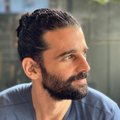
Eidan Karpovski
Eidan is a passionate yoga teacher dedicated to guiding students toward physical, mental, and spiritual well-being. With a foundation in Taoism, Advaita Vedanta, Kabbalah, and Yoga, he blends ancient wisdom with modern insights like Myofascial science to create dynamic sequences that promote balance and energy flow. Eidan’s classes emphasize mental clarity, self-awareness, and inner peace, helping students reach their full potential. Eidan is an experienced yoga teacher who leads group classes and teacher training programs, including his 50-hour Creative Sequencing Teacher Training.
Location
Peaceful garden setting in Chiang Mai
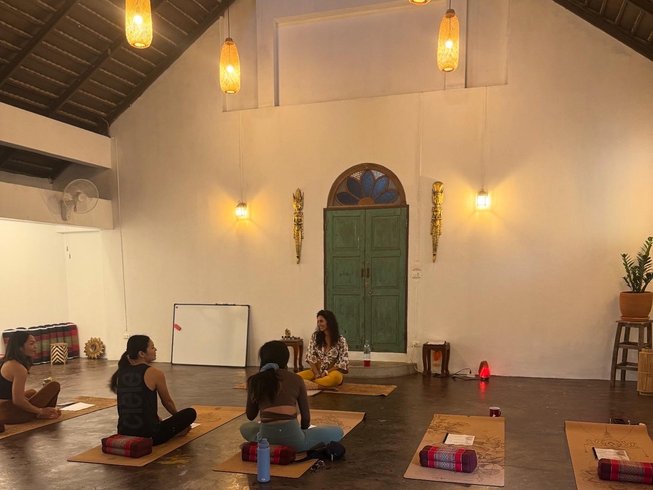
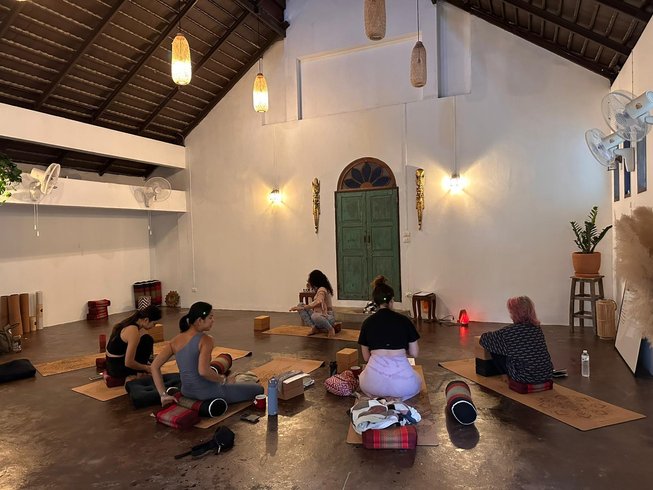
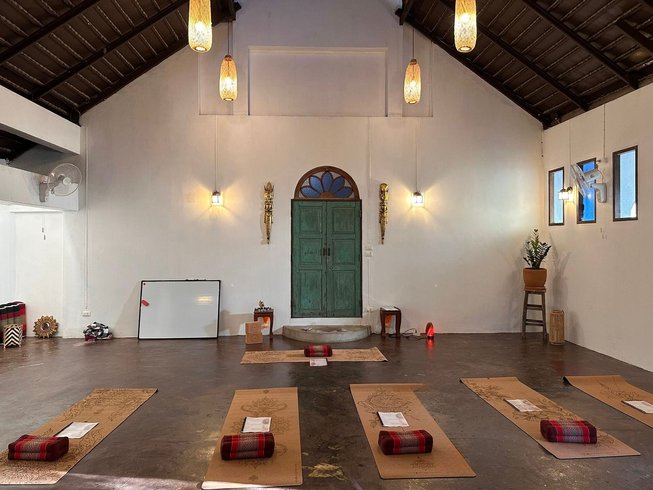
Nestled in a quiet area 15 minutes outside the old city, Layla Yoga Garden offers a peaceful retreat surrounded by nature and tropical greenery. The space is designed for stillness and deep practice, with a beautiful wooden shala, artful decor, and a warm, welcoming atmosphere.
Chiang Mai itself is a cultural gem - known for its ancient temples, traditional crafts, and relaxed northern Thai charm. It is a vibrant mountain city steeped in tradition and surrounded by lush forests - the perfect setting for inner exploration, focused practice, and inspired growth. It’s also the perfect environment to slow down, reflect, and go deeper into your practice.
Training location
Layla Yoga Garden is a tranquil sanctuary nestled in the serene Mae Hia neighborhood of Chiang Mai, just 15 minutes from the Old City. Once an artist's workshop, this unique space has been thoughtfully transformed into a lush, plant-filled haven designed to inspire deep practice and creative exploration.
Surrounded by mature trees and infused with natural light, it offers an ideal setting for immersive yoga trainings and soulful retreats.

Food
Healthy local lunches in Chiang Mai
The training includes six nourishing vegetarian lunches, freshly prepared and delivered to the venue. Meals will be light, healthy, and designed to support your practice.
Breakfasts and dinners are not included, giving you the freedom to explore the rich culinary scene of Chiang Mai. Within 10 to 15 minutes' walking distance, you’ll find a wide variety of cafés and Thai restaurants. From local noodle soups to organic salad bowls, Chiang Mai is a food lover’s paradise.
Flexible, healthy meal options during your yoga training
EidanYoga is currently in the process of finalizing their catering partnership to provide nourishing, high-quality meals for all course participants. Their aim is to offer a wholesome menu with both vegan and vegetarian options that will support your practice and well-being throughout the training.
Details about the food service will be published soon. Thank you for your patience and understanding as EidanYoga works to create a mindful and satisfying dining experience.
The following meals are included:
- Lunch
- Drinks
The following drinks are included:
- Water
- Tea
The following dietary requirement(s) are served and/or catered for:
- Vegetarian
- Vegan
- Organic
- Whole food
- Yogic
What's included
- 50-hour Myofascial Yin yoga teacher training
- Daily guided meditation and pranayama sessions
- Daily Myofascial Yin or Yang to Yin yoga practices
- Lectures on fascia anatomy, muscle physiology, and connective tissue properties
- Study of myofascial meridians and their practical application in Yin yoga
- Integration of Traditional Chinese Medicine (TCM): 12 meridians, Five Elements theory, Taoist Yin-Yang philosophy
- Teaching methodology sessions, sequencing, cueing, and practicum
- Interactive myofascial meridians review and locations
- Use of yoga props (bolsters, blocks, straps, mats, etc.)
- Comprehensive printed training manual
- Ongoing support and personalized feedback throughout the training
- Access to the peaceful yoga shala and training facilities
- 7 nights private room accommodation at Vdara Hotel
- 6 nourishing vegetarian lunches
- Free drinking water
- Free herbal tea
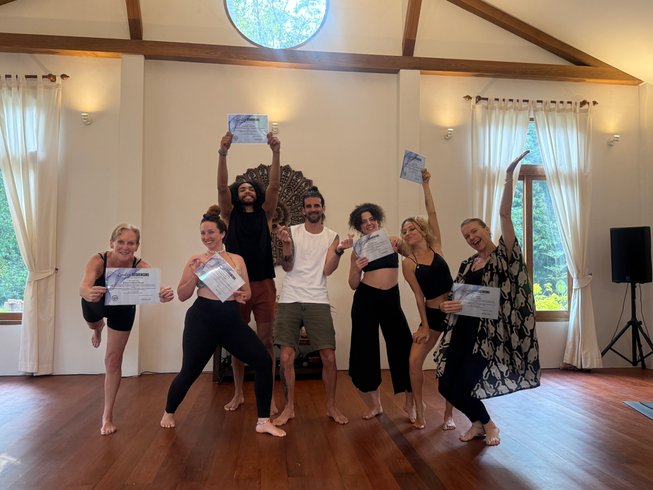
- Certificate of completion
What's not included
- Flights to and from Chiang Mai
- Airport transfer (10-minute taxi ride at your own cost)
- Breakfasts and dinners
- Travel and health insurance
How to get there
Recommended Airports
Transfer not provided
Chiang Mai International Airport
2 km away from your destination
Arrival by car
Participants are responsible for their own transportation from Chiang Mai Airport to the hotel or venue. The drive is short - only about 10 minutes by taxi or ride-share - and EidanYoga will provide clear directions to make your arrival easy and smooth.
Cancellation Policy
- A reservation requires a deposit of 20% of the total price.
- The deposit is non-refundable, if the booking is cancelled.
- The rest of the payment should be paid on arrival.

Reviews
No reviews yet
For this organizer you can guarantee your booking through BookYogaTeacherTraining.com. All major credit cards supported.