
28 Day 200-Hour Ashtanga, Hatha, Vinyasa Flow Yoga Teacher Training in Uttarakhand, India
Yoga Teacher Training in India
The yoga teacher training focuses on traditional styles of yoga, along with naturopathy and Ayurveda, providing a comprehensive all-rounded knowledge base, and an holistic approach to the teachings. With modules on yoga philosophy, yogic life, naturopathy, Ayurveda, pranayama, yoga anatomy, meditation, mantra-chanting, teaching methodology, alignment, and Ashtanga Vinyasa. It'll be comprised of small groups of 20 to 25 people, in order to provide intimate classes where they can give proper personalized attention to each student. You will learn from enthusiastic teachers who have studied yoga, meditation, and spiritual techniques from yoga universities (Gurukulam) since their childhood.
Meet the instructors
Highlights
- Daily asana practice
- Meditation sessions, pranayama and mantra chanting
- Naturopathy and Ayurveda modules
- Eligibility to register with Yoga Alliance upon completing the course
- Ganga Arti and Ganga Puja ceremony
- Daily healthy sattvic meals
- 27 nights accommodation
- Pick-up from Dehradun Airport to school on the 1st of selected month
Skill level
- Beginner
- Intermediate
- Advanced
Types
23 days with instruction in English
Accommodation
Facilities
- Garden
- Free Wi-Fi
- Laundry
During the course, you will be staying at Rishikesh Yoga Teacher Training Center in Tapovan, Rishikesh, India. The school is situated in the heart of the Rishikesh, Next to the famous hanging bridge and holy ganga (Holy river).
The ashram is peaceful and surrounded by beautiful green mountains. There are 2 yoga studios, dining area. Everything is close by the ashram such as shops, cafes, Restaurant, ATM, healthcare, organic stores.
Rishikesh Yoga Teacher Training Center offers single and double room based on the student’s requirements. Every room has attached bathroom with western toilet and hot shower, balcony. The rooms for the yogis are well maintained and clean.
They offer bed sheets, pillows, bath towels, toilet paper, blanket and welcome amenities upon arrival. Good Wi-Fi is included in every floor. Water and laundry service is also available.
There is also budget accommodation offered by Rishikesh Yoga Teacher Training Center. These rooms do not have balcony or mountain view and separated from the main building, but all the other facilities are just the same.
Budget room
It includes comfortable beds, fan, table and chairs, attached washroom, hot and cold water, and high speed Wi-Fi.
Standard room
It includes comfortable bed, table and chairs, welcome amenities upon arrival which includes (fruit basket, mini water bottle, mini soap, 4 toilet paper, toothpaste, toothbrush, rudraksha mala) attached washroom, hot and cold water, and high speed Wi-Fi.
Amenities upon arrival:
- 1. A small fruit basket
- 2. Water bottle
- 3. Welcome drink
- 4. Refreshing towel
- 5. Flower Mala
- 6. Soap
Program
Certifications
Students who complete this training are eligible to register with Yoga Alliance as Registered Yoga Teachers (RYT).
Program Introduction
This 200 hours fusion yoga teacher training course includes meditation, mantra chanting, shatkriya, Hatha, Ashtanga Vinyasa, anatomy, yoga philosophy, Ayurveda and group discussion class, together with the practice of various different levels of asanas with their benefits.
During your stay with Rishikesh YTTC, you will experience a life-changing opportunity that will give you one of the most memorable moments in your life and this holy journey will lead your path towards enlightenment and becoming a great teacher.
During the opening (welcoming) ceremony, you will be provided with a complete yoga kit which includes a yoga mat, books for study, a notebook, a water bottle, a neti-pot, rubber neti, a school t-shirt and rudraksha mala. Rishikesh Yoga Teacher Training Center have made their 200 hours yoga teacher training course in such a unique way so it is suitable for all the different level of students as it includes yoga for beginners, primary series, intermediate series and advance level.
Every single student in class will get personal attention from the individual teachers as all the yoga gurus are highly qualified, experienced holders and well-known names in India. Some of the yoga teachers used to teach yoga in many famous destinations such as Seychelles (Desroches Island), Sofitel the Palm Dubai resorts and spa and Zaya Nurai Island in Abu Dhabi, UAE.
Program
This course is for those who would like to deepen their practice, for new learners and for beginners. This program meets the standards of Yoga Alliance. It is for those who would like to deepen their knowledge and practice in different aspects of yoga, anatomy, Ayurvedic therapies, and yogic life.
During the course, you will assimilate not only the main subject of yoga but also learn the principles of yogic philosophy which will put you on the right path.
You will expand in the world of yoga, develop spiritually and physically and improve your knowledge, professional skills, and the ability to teach yoga in your specific way. You will have special classes to understand the nuances of class teachings based on yogic principles and discussions on philosophical topics that will help streamline the approach and experiences of yogic practices in the class.
Apart from teaching the technical aspects of class teaching, very interactive and vibrant discussions on various aspects of yogic lifestyle and ethics of yoga teachers will be encouraged. There will be sessions of talk and interactive discussions on different aspects of class teaching and presentation.
The dedicated and experienced panel of yoga teachers and gurus have immense knowledge of vinyasa yoga flows, Vinyasa yoga poses, different kinds of yoga, Ashtanga yoga, Hatha yoga, meditation and much more, following a unique way of making seekers learn, providing full attention to the needs of people personally as well as professionally. The staff is highly cooperative and ensures to make your stay as convenient as possible.
Meditation
You are starting your day with morning mantra chanting continue with shat-kriya and finished with meditation.
- 1. Mantra chanting meditation
- 2. Breathing meditation
- 3. Bhajan/kirtan
- 4. Trataka (candle meditation)
- 5. Silence practise meditation
Pranayama
Pranayama is generally defined as breath control. Although this interpretation may seem correct in view of the practices involved, it does not convey the full meaning of the term. The word pranayama is comprised of two roots: ‘prana’ plus ‘ayama’. Prana means vital energy or life force.
1st week (study)
- 1. Introduction of pranayama
- 2. Benefits of pranayama
- 3. Explain the pranic body
- 4. Prana and lifestyle
- 5. Breath, health and pranayama
- 6. Pranayama and the spiritual aspirants
2nd week (practical and theory)
- 1. Nadishodhana pranayama
- 2. Sheetali pranayama
- 3. Sheetkari pranayama
- 4. Bramari pranayama
- 5. Ujjayi pranayama
- 6. Bhastrika pranayama
- 7. Kapalbhati pranayama
- 8. Surya Bheda pranayama
3rd week (mudra)
- 1. Jnana mudra
- 2. Chin mudra
- 3. Yoni mudra
- 4. Bhairava mudra
- 5. Hridya mudra
- 6. Shambhavi mudra
- 7. Khechari mudra
- 8. Kaki mudra
- 9. Bhoochari mudra
- 10. Akashi mudra
4th week Bandha (energy lock)
First definition of the bandha is that by restraining or locking the muscle on a physical level.
- 1. Preparation for Bandha
- 2. Benefits of Bandha
- 3. Mula Bandha
- 4. Jalandhara Bandha
- 5. Uddiyana Bandha
Mantra chanting
- 1. Om chanting
- 2. MahaMrityunjaya Mantra
- 3. Gayatri Mantra
- 4. Guru Vandana (prayer to Guru)
- 5. Prayer before class and meal
Shatkarma (the six purification methods in hatha yoga
Shatkarma is the Sanskrit term for one of the six yogic purification techniques (kriyas) as outlined in the "Hatha Yoga Pradipika." The purpose of these cleansing techniques is to keep the body strong, clean and healthy. They are said to remove toxins and anything blocking the flow of prana in the body.
Practicing shatkarmas internally purifies the body, which makes pranayama and meditation practice easier by preparing the body to perform these practices without distraction, discomfort or fatigue. This is a traditional yogic cleansing technique which is very effective and good to remove many illnesses and open the body blockages.
- 1. Agni Saar
- 2. Jal Neti
- 3. Ruber Neti
- 4. Sutra Neti
Yoga is not an ancient myth buried in oblivion. It is the most valuable inheritance of the present. It is the essential need of today and the culture of tomorrow.
Hatha yoga
Rejuvenate your mind and soul with the Indian traditional yoga style called "Hatha" which will lift your body stamina and strength. This is the most popular and beneficial yoga style.
- 1. Joints moments
- 2. Surya namaskara (sun Salutation) and Chandra Namaskara (moon salutation)
- 3. Yoga Mudrasana
- 4. Matsyasana
- 5. Gupta Padmasana
- 6. Baddha Padmasana
- 7. Lolasana
- 8. Kukkutasana
- 9. Garbhasana
Backward bending Asanas 1st and 2nd week
- 1. SaralBhujangasana (Easy cobra pose)
- 2. Bhujangasana (Cobra pose)
- 3. TiryakaBhujangasana (twisting cobra pose)
- 4. Sarpasana (snake pose)
- 5. ArdhaShalabhasana (half locust pose)
- 6. Shalabhasana (Locust pose)
- 7. SaralDhanurasana (easy bow pose)
- 8. Kandharasana (shoulder pose)
- 9. Ardha Chandrasana (half moon pose)
- 10. Setu Asana (bridge pose)
- 11. Gomukhasana (cow’s face pose)
Forward bending asanas 3rd and 4th week
- 1. Paschimottanasana (back stretching pose)
- 2. GatyatmakPaschimottanasasna (dynamic back stretch pose)
- 3. PadaPrasarPaschimottanasana (legs spread back stretch pose)
- 4. JanuSirshasana (head to knee pose)
- 5. Ardha Padma paschimottanasana (half lotus back stretching pose)
- 6. Hasta PadaAngushthasana (finger to toe stretch)
- 7. Padahastasana (hand to foot pose)
- 8. SirshaAngusthaYogasana (head to toe pose)
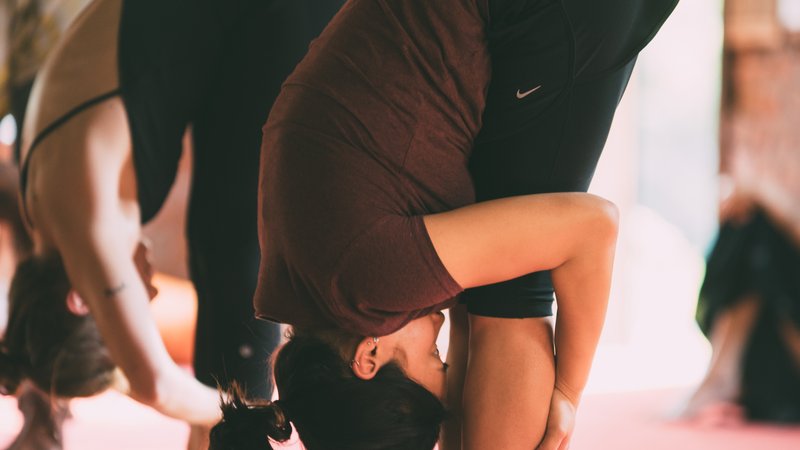
- 9. Utthitajanusirshasana (standing head between knees pose)
Spinal twisting and advance asanas 3rd and 4th week
- 1. ArdhaMatsyendrasana (half spinal twist)
- 2. ParivrittiJanuSirsasana (spiralled head to knee pose)
- 3. Poornabhujangasana (full cobra pose)
- 4. Kurmasana (tortoise pose)
- 5. Poornashalabhasana (full locust pose)
- 6. PoornaDhanurasana (full bow pose)
- 7. Dhanu-rakarshan-asana (archer’s posed)
- 8. Chakrasana (wheel pose)
- 9. Hanumanasana (leg splitting pose)
- 10. Poornamatsyendrasana (full spinal twist pose)
- 11. Mayurasana (peacock pose)
- 12. Padma mayurasana (Lotus or bound peacock pose)
- 13. Gorakshasana (Yogi Gorakhnath’s pose)
- 14. Astavakrasana (eight-twists pose)
- 15. Vrischikasana (scorpion pose)
- 16. Inverted pose, balancing pose and core pose
Teaching methodology and adjustment
During the class, you will learn how to do a perfect posture. You will also learn Ayurveda therapy, injuries, and rest and integrate your daily practice, basic knowledge of foot reflex, warming up, alignment, and core posture. Teaching methodology is one the most important part of the course as our students will learn the following:
- 1. How to conduct a class
- 2. Classroom management
- 3. How to get in and come out from the posture
- 4. How to assist and help while teaching the class
- 5. Which kind of words you should be using as a yoga teacher
- 6. What makes you different than other teachers in terms of teaching
- 7. Which kind of asanas you should recommend with different health issue
- 8. How to use belts, bolster, bricks and chair during the class adjustment
Yoga philosophy
Attend a theoretical class and lecture about the history of yoga and importance of yoga in your life and its origin in India. You can ask their questions and deepen your knowledge about the existence of yoga.
1st week
- a. Introduction of yoga
- b. Yoga Pantanjali sutra
- c. 5 basic element
- d. Injuries and rest
- e. Integrating your daily practice
- f. Principle of yoga
2nd week
- 1. 8 limbs of yoga
- 2. Yoga therapy
- 3. Yoga for stress, migraine and insomnia
- 4. Yoga for hypertension
- 5. Yoga for heart problem, blood pressure and diabetic
3rd week
- 1. Three Dosha
- 2. The Nadi and kundlani
- 3. Basic knowledge of Chakra and Ayurveda
4th week
- 1. Yogic diet
- 2. Difference between Satvic and Tamsic food
- 3. Group discussion
- 4. Clear doubt
Yoga anatomy
Yoga is considered to be a perfect medium to know oneself and his inner power. Anatomy classes expose the internal working of the body, bones, inner systems, and respiration that effect asanas and the flow.
The basic structure and function of the organs and system is very important for the practitioners so that their work as yoga teacher can be more enhanced. Knowing the different types of joints and their range of motions helps our students to be safe from injuries and also keep safe their students after they start teaching as a teacher.
- 1. Types of bones
- 2. Circulatory system
- 3. Types of heart block
- 4. Skeletal system
Ashtanga Vinyasa
An intensive and integral part of yoga, Ashtanga yoga style requires deep commitment and self-practice to achieve the goal. The retreat's yoga instructors are the best Ashtanga yoga teachers around Rishikesh, India.
Standing pose
- 1. Hasta Padangusthasana and Pada Hastasana
- 2. Utthita Tri Konasana
- 3. Parivrtta Tri Konasana
- 4. Utthitan Parsva Konasana
- 5. Parivrtta Parsva Konasana
- 6. Prasarita Padottanasana A, B, C and D
- 7. Utthita Parsvottanasana
- 8. Utthita Hasta Padangusthasana
- 9. Utthita Parsvasahita
- 10. Utthita Eka Padasana
- 11. Ardhabaddha Padmottanasana
- 12. Utkastasana
- 13. Virabhadrasana A, B and C
- 14. Primary Asanas
- 15. Paschimottanasana A, B and C
- 16. Purvottanasana
- 17. ArdhaBaddha Padma Paschimottanasana
- 18. Tirieng Mukha Eka Pada Paschimottanasana
- 19. JanuSirsasana A, B and C
- 20. Marichyasana A, B and D
- 21. Navasana
- 22. Lolasana
- 23. BhujaPidasana
- 24. Kurmasana
- 25. GarbhaPindasana
- 26. Kukkutasana
- 27. BaddhaKonasana A and B
- 28. Konasana A and B
Intermediate Asanas (3rd and 4th week)
- 1. Salabhasana A and B
- 2. Dhanurasana
- 3. Ustrasana
- 4. Kapotasana A and B
- 5. SuptaVajrasana
- 6. BakasanaA
- 7. Bakasana B Jump
- 8. ArdhaMatsyendrasana
- 9. Yoga Nidrasana
- 10. Tittibhasana
- 11. PichaMayurasana
- 12. Vatayanasana
- 13. Gomukhasana A and B
- 14. Hasta Sirsasana (head stand)
Advanced A (optional)
- 1. Kasyapasana
- 2. Bhairavasana
- 3. UrdhvaKukkatasana A
- 4. Galavasana
- 5. EkaPadaViparitaDandasna
- 6. VipritaSalabhasana
- 7. GandhaBherundasana
- 8. Hanumanasana
- 9. Natrajasana
- 10. Raja Kapotasana
Teaching methodology and adjustment
During the class, you will learn how to do a perfect posture. You will also learn Ayurveda therapy, injuries, and rest and integrate your daily practice, basic knowledge of foot reflex, warming up, alignment, and core posture. Teaching methodology is one the most important part of the course as our students will learn the following:
- 1. How to conduct a class
- 2. Classroom management
- 3. How to get in and come out from the posture
- 4. How to assist and help while teaching the class
- 5. Which kind of words you should be using as a yoga teacher
- 6. What makes you different than other teachers in terms of teaching
- 7. Which kind of asanas you should recommend with different health issue
- 8. How to use belts, bolster, bricks and chair during the class adjustment
Trauma and Emotional Centering Sessions
Traumatized people often have trouble sensing what is going on in their bodies, they lack a nuanced response to frustration. They either react to stress by becoming “spaced out” or with excessive anger. Whatever their response, they often can’t tell what is upsetting them.
This failure to be in touch with their bodies contributes to their well-documented lack of self-protection and high rates of re-victimization..." - Bessel A. van der Kolk, The Body Keeps the Score: Brain, Mind, and Body in the Healing of Trauma.
Learn practices that help trauma survivors reconnect to their bodies in healthy and meaningful ways. Rishikesh YTTC beautiful ashram setting is the perfect place to spend time in nature and process what you learn. These sessions will provide you will several tools for processing trauma and equip you to help lead others through a healing journey of mind and body.
Lecture Topics Include
- 1. Trauma and the Body healing
- 2. Mind-Body Connection through meditation
- 3. Understanding neurological triggers for trauma
- 4. How yoga must be adapted for trauma survivors
- 5. Pranayama - traditional yogic breathing for emotional regulation
200 hours yoga teacher training daily schedule:
- 05:30 Wake up
- 06:30 Hatha yoga
- 07:45 - 08:45 Mantra chanting, pranayama, Shak-karma, meditation
- 09:10 Breakfast
- 10:30 - 12:00 Therapeutic alignment, human anatomy and dynamic physiology
- 12:00 - 13:30 Talk to expert, important sessions, self study
- 13:30 - 14:30 Yogic lunch
- 15:00 - 16:00 Yoga philosophy
- 16:30 - 17:00 Tea break
- 17:00 - 18:30 Ashtanga Vinyasa
- 19:00 - 20:00 Dinner
Included excursions
During this retreat, you will be enjoying a different trip or extra-curricular activity, on each day, as below:
- Famous Parthmarth Niketan Aarti
- Himalayan tour
- Local market tour in Rishikesh
- Waterfall trekking
- Sightseeing of the famous ghats (river sides)
Instructors
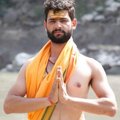
Sanjeev Semwal
Yogi Sanjeev is the founder and director of Rishikesh Yoga Teacher Training Center (formerly known as Shiv Shakti Yoga School) and is a master of teaching yoga teacher courses, retreats, and allied techniques. A holistic and dedicated soul Yogi Sanjeev is born in Brahmin family. He has grown up under the guidance of Swami L.R Bhatt. Yogi Sanjeev has spent his many years in the field of yoga and Ayurveda.
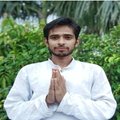
Sonu Ji
Yogi Sonu Ji is a traditional Yoga teacher. He started doing yoga at the age of 10 years. He offers his students a clear vision about yoga and it's practised. He helps his students to understand the basic principles of yoga so they can prepare the base to understand or begin their journey which leads them towards becoming aware of real self.

Sachine Ji
Yogi Sachine Ji is a dedicated soul and born in the motherland of yoga. He was born in a spiritual family and he started doing yoga when he was 15 years old. After practising yoga for several years he became the master of teaching methodology. He has 3 years of experience in professional teaching.
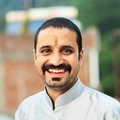
Yogi Mahesh Bhatt Ji
Guru Mahesh Bhatt Ji was born in the brahmins family in the year 1983. Mahesh Ji has spent years and years in yoga, Ayurveda, Vedas, and sharing his knowledge with the world. It’s hard to explain in few words how much Mahesh has gone through in spirituals path. He had a clear vision of his past life in the Himalayas. He completed his higher education from Rishikesh and Haridwar University. For deeper practice, he went to many caves in the Tehri and Rishikesh for a few years on and off. He has trained more than 6000 students from all over the globe and now he is a guest teacher at Rishikesh.
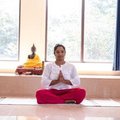
Hemlata Saklani
Dr. Hemlata Saklani Bahuguna was born on 8 December 1985 at New Tehri, located in the Indian state of Uttarakhand. In her school years, she had average grades. But her involvement in extracurricular activities such as in debate or speech and also in some school level projects was great. After completing her school education Dr. Hemlata went on to attend Combined (P.G.) Institute Of Medical Science and Research (CIMSR), Dehradun where she graduated in Bachelor of Physiotherapy. She is expert in the field of yoga anatomy and physio-yoga-therapy.
Gopal Bhatt Ji
Gopal Bhatt Ji was born in a Hindu Brahmin family in 1991, coming from Tehri Gharwal. Gopal Ji started doing yoga from age of 16 with his father (an old variation of meditation and asana practice). He is a dynamic, young, and well-educated teacher. Yoga has become part of his life since when he was 19 years old. He has learned and practiced yoga under experienced yogis and mentorship teachers and also completed his study in yoga at one of the most top famous universities in Haridwar called Dev Sanskriti Vishwavidyalaya. He teaches Hatha yoga and Ashtanga yoga asana.
Location
This retreat will take place at Rishikesh Yoga Teacher Training Center in Rishikesh, India. It is located behind gayatri book store, next to mamma Mia Inn cafe. Popular all around as the Yoga capital, Rishikesh is a perfect place to learn and study yoga. Surrounded by beautiful mountains, lush green surroundings, holy and mighty Ganges, Himalayan foothills, and tranquility, one can instantly get a natural feeling of sigh, contentment and happiness.
All set to take you on a spiritual and enjoyable journey to India, and cherish the yoga teacher training with an enhanced and uplifted spirit and feel compassion and love for everything life have given to you and for all that, which is surrounding you. Have the unique chance to experience the nature and the animals around the school such as different types of monkeys, squirrels, birds, and cows.
It provides an extraordinary feeling to all who are dedicated to spiritual transformation, internal development, and environmental sustainability. The staff will overwhelm you with their hospitality and desire to make your stay the best ever.

Food
Daily freshly made vegetarian meals are included in the price. The food is fully prepared hygienically and the vegetables are organic. Rishikesh Yoga Teacher Training Center's food is well-known all around the world for its taste and verities.
"When diet is wrong, medicine is of no use. When diet is correct, medicine is of no need." ~Ayurvedic Proverb.
"Isn’t it enough just to practice yoga, do we have to regulate our food?" wonder many. In itself, practicing yoga, is not just a healthy life but at Rishikesh YTTC, they believe that it is also a way of living. When complemented with healthy food habits, it can really create wonders. In fact, eating the right food is an essential part of living a yogic life.
What you eat, not only influences your physical well being, but also your emotions and thoughts. Yoga does not dissect food into proteins, carbohydrates or fats, instead it classifies them according to the effect they have on the body and mind, into three types - Satva, Rajas and Tamas.
Tamasic food is the kind of food which makes you lethargic or sluggish, while Rajasic food is that which brings about activity or restlessness. Whereas, Sattvic food is the kind which makes you feel light, energetic and enthusiastic.
Sattvic foods are those which purify the body and calm the mind. They stimulate the body and mind into action. Cooked food that is consumed within 3-4 hours can be considered sattvic as Rishikesh Yoga Teacher Training Center focus on well being of our students they do sattvic diet for all of them.
These menus are created by their Master Chef Sandeep Semwal who had worked with some of the best five-star hotels around the world and carries great knowledge about sattvic diet along with this he focuses on hygiene practices at our institution to ensure the food is safe and carries great nutritional values which is much needed for a healthy life.
Not just the right kind of food, it is vital to eat the proper quantity of food at the right time. Overindulging leads to lethargy while under eating will not provide enough nourishment. Most of the times, you know that your stomach is full but tempted by the taste buds, you tend to indulge. The right amount of food cannot be quantified into cups or grams, when you listen to your body attentively, you will know when exactly to stop!
You might eat the right kind of food in the right quantity but if you are irregular with your timings then the whole system goes for a toss and the natural rhythm of the body is hampered. Therefore it is of prime importance to eat food at the same time everyday and eat it at regular intervals.
It is said that the state of the mind of the person cooking / eating also affects the food. The energy in the food cooked by someone while he/she was angry will definitely be lower than that of someone who cooked it with a feeling of love, contentment and gratitude. Listening to some soothing music or chanting while cooking and eating can help retain the Prana (life force energy) in the food.
It is definitely worthwhile to pay some attention to the food that you eat as the ancient Indian texts say that you are what you eat!
The following meals are included:
- Breakfast
- Lunch
- Dinner
The following drinks are included:
- Water
- Tea
The following dietary requirement(s) are served and/or catered for:
- Vegetarian
- Vegan
- Gluten Free
- Organic
- Raw food
- Fruitarian
- Lactose Free
- Yogic
- Other dietary requirements on request
- Ayurvedic
Things to do (optional)
The most amazing things to do in Rishikesh. These activities are not included in the package but Rishikesh Yoga Teacher Training Center can arrange them upon request.
- 1. Experience Traditional Indian culture
- 2. Bungee jumping
- 3. Camping and bonfire
- 4. Mountain biking
- 5. Flying fox
- 6. Cliff jumping
- 7. Trekking
- 8. Rappelling and rock climbing
- 9. Kayaking
- 10. Ayurvedic massage and therapies
- 11. Parasailing and paragliding
- 12. Attend Ganga Arti
Spa treatments
Rishikesh Yoga Teacher Training Center can arrange Ayurvedic massages and western massages based on extra charges.
What's included
- 1 cooking session (scheduled during free time)
- 1 reflexology session (scheduled during free time)
- 1 trekking tour
- 1 60-minutes massage (scheduled during free time)
- 1 yoga kit – (Manual, A.P.M.B book, textbook, pen, neti pot, rubber neti, rudraksha mala, white t-shirt, water bottle and eco-yoga bag)
- Detox water
- 3 fresh organic vegetarian meals
- 27 nights’ accommodation
- Complimentary pick-up from Dehradun Airport to school
- Certificate of completion
- The Himalayas sightseeing trips
- Movie and kirtan nights
- Weekend excursions
- High speed W-Fi
What's not included
- Airfare
- Personal expenses
- Drop off from the school to airport
- GST
How to get there
Recommended Airports
Transfer included
Jolly Grant Airport
14 km away from your destination
Arrival by airplane
Please book your flight to arrive at Indira Gandhi International Airport (DEL), from where you can take a domestic flight to Jolly Grant Airport Dehradun (DED). Upon your arrival, they have a complimentary taxi waiting for you, which will bring you from Dehradun airport to our yoga school at Laxman Jhula.
Arrival by bus
From the Delhi airport, you can get a taxi to bring you to Delhi ISBT bus station. From there you can find many government and private transportation to bring you to Rishikesh. Once you arrive at Rishikesh bus station, your complimentary pick up will be waiting for you to bring you to our yoga school at Laxman Jhula.
Arrival by train
The nearest railway station is Haridwar train station. From there you will find many buses, taxis and other transportation services that will bring you to Rishikesh. If you want Rishikesh Yoga Teacher Training Center to help you arrange transportation from Haridwar, kindly let them know.
Cancellation Policy
- A reservation requires a deposit of 30% of the total price.
- The deposit is non-refundable, if the booking is cancelled.
- The rest of the payment should be paid on arrival.

Reviews
For this organizer you can guarantee your booking through BookYogaTeacherTraining.com. All major credit cards supported.
Similar Yoga Teacher Training you might like
You recently viewed