

50 Day 500-Hour Hatha Yoga Teacher Training Course in Rishikesh, India
Hatha Yoga Teacher Training in India
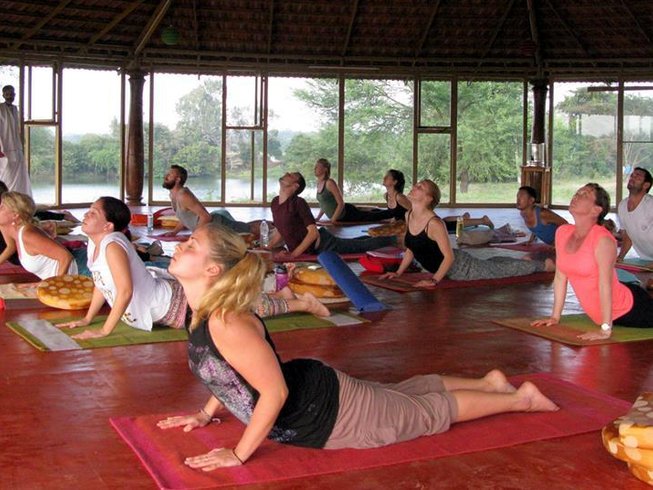
Hatha yoga is the base and the purest form of what is taught nowadays in the world. In the training, Sanatana Yog Sandesh brings the root of the knowledge to understand and get more clarity about what yoga is. This is a fully residential course systematically designed with theory as well as practical classes. In the course, all the components of Hatha yoga, such as asana, pranayama, mudra, bandha, and shat-karma, are discussed at an advanced level along with their implications in your day-to-day life. The course brings to students an understanding of the yogic lifestyle and how to be a smart yoga teacher.
Meet the instructors
Highlights
- Course training
- Course material (books, notebook, pen, Jala Neti pot)
- Eligible to register with Yoga Alliance upon completion
- Private yoga consultation on request
- 49 nights accommodation
- Vegetarian food (breakfast, lunch and dinner)
- Wi-fi etc.
Skill level
- Beginner
- Intermediate
Types
49 days with instruction in English
Accommodation
Facilities
- Air-conditioned rooms
- Garden
- Meditation garden
- Multilingual staff
- Restaurant
- Smoke-free property
- Terrace
- Free parking
- Free Wi-Fi
- Internet access
- Laundry
- Medical assistance
Located in Rishīkesh, within 29 kilometers of Mansa Devi Temple and 600 meters of Patanjali International Yoga Foundation, Ved Bhoomi Residency provides accommodation with a restaurant and free Wi-Fi throughout the property as well as free private parking for guests who drive. This 4-star hotel offers room service and a 24-hour front desk. The property is non-smoking and is situated 600 m from the Himalayan Yog Ashram.
At the hotel, each room includes air conditioning, a desk, a terrace with a mountain view, a private bathroom, a flat-screen TV, bed linen, and towels. Guest rooms include a wardrobe.
Program
Certification
Students who complete the training are eligible to register with Yoga Alliance as Registered Yoga Teachers (RYT®).
Course overview
This course is a fully residential course systematically designed with theory as well as practical classes. The course is the grand combination of the 200-hour and 300-hour Hatha yoga teacher training courses. In the course, the various components of Hatha yoga such as asana, pranayama, mudra, bandha, satkarma and meditation and other topics such as anatomy and physiology, philosophy, alignment and adjustment, teaching methodology and practical approach of yoga teaching are discussed in the beginning at their basic and intermediate level and as the course progresses it includes the advanced and deeper levels such as energy and psyche.
In the 500-hour traditional Hatha yoga teacher training course, at first a student completes the 200 Hours traditional Hatha yoga teacher training course form the school or if he already has completed a 200 hours yoga teacher training course from any yoga school accredited with Yoga Alliance USA, then he begins with the 300 hours traditional hatha yoga teacher training course which together makes 500 hours yoga teacher training course. By the end of the course, the student receives the certificate, which is 2 different certificates of 2 different levels (one of 200 hours and another of 300 hours).
Yoga teacher training course and assessment
The entire teacher training is the assessment of the students at all levels, including practical and written tests. At the successful completion of the course, an aspirant will be conferred a certificate indicating that the aspirant is qualified to impart the techniques in which he or she has been trained.
Why Choose Sanatana Yog Sandesh
Sanatana Yog Sandesh's yoga courses and retreats are strictly traditional and yogic life-style oriented; therefore, they adhere to the teachings of authentic schools of Yoga and spirituality such as Ramakrishna Mission, Sri Aurobindo Society, Yogoda Satsang Society of India, Bihar School of Yoga, and so on. they do not teach any modern trends of Yoga such as Iyenger, Ashtanga, Acro, Yin, Vikram, Power or so on.
From their educational and cultural backgrounds as well as experience of authentic yoga, they create a unique space for the opportunity to learn, heal, and grow in a congenial, safe, and relaxed environment.
They believe in the common values of life rooted in compassion, kindness, and love for one another, and this is their main driver. Therefore, they promise to provide you with the very best of pre- and post-course assistance, answering your questions, whatever comes up, and more that you may require for your growth and well-being.
Sanatana Yog Sandesh invites all of you to study, learn, and grow as an evolved human with the help of Yogic tools.
Course eligibility
- The participants should have a basic understanding of yoga which means they are exposed to yoga practices.
- The participants who have already completed a 200-hour yoga teacher training course may also join the training.
- The participants should be able to practice the discipline of yoga, such as purity, punctuality, early waking up, participation in daily activities, and so on.
- The participants must have good command of the English language as this is the medium of education.
- The participants must have medical fitness, physical as well as mental. In cases otherwise, the individual limitation must be detailed along with the medical report.
- The participants must have commitment for a longer stay in order to undergo the intensive training of total 500 hours split into 2 different levels of trainings - 200 and 300 hours.
Course information / syllabus / Curriculum
The training incorporates a variety of topics. All these topics come under these following heads:
1. Techniques, training and practice
It incorporates several practices of Hatha yoga, which students will study in the yoga teacher training course. They are:
- Asana - Postures of Hatha yoga such as preparatory movements of joints, muscles, and parts of the body, standing, supine, prone (backward, forward, spine twist), inversion, and balance at intermediate and advanced levels.
- Pranayama - Udar Svashan, Vaksha Svashan, Griva Svashan, Yogic Svashan, Kapalabhati, Bhastika, Nadi Shodhana, Sheetali, Sheetkari, Bhramari and Ujjayi. In addition, altogether 12 classical pranayama.
- Mudra - Specific, selected and important gestures to affect energy in the body
- Bandha - Important locks to block the flow of energy in the body (Jalandhara Bandha, Uddiyana Bandha, and Moola Bandha)
- Satkarma - Purificatory practices in yoga (Laghu Sankhaprakshalana, Vaman, Jala Neti and Sutra Neti)
- Meditation - Fundamental and intermediate practices of yoga Nidra, yogic breathing with awareness, fundamental practices of developing awareness, kaya asthairyam (stillness of body) and its intermediate level, awareness of natural breath and its intermediate level, awareness of peace, antarmouna (inner silence) with awareness of natural sensory responses, awareness of natural thought process, conscious creation and disposal of thought and awareness and disposal of spontaneous thoughts, japa (chanting) of sacred mantra or holy syllables with rosary, ajapa japa (spontaneous chanting) with awareness of frontal psychic passage and awareness of frontal psychic passage with SOHAM, developing awareness with mantra such as AUM, fundamental dharana (concentration) practices and concentration with sacred mantra, trataka (gazing) and group meditation for universal peace and harmony.
2. Teaching methodology
This is a combination of complex topics such as designing the yoga class, how to teach different practices of yoga, how to be a good yoga teacher, ethical guidelines, develop communication skills, time management, principles of demonstration, assistance, awareness, correction, styles of teaching, specific needs of individuals in a yoga class and business aspects of yoga teaching etc.
3. Anatomy and physiology
a. Modern human anatomy and physiology - Skeleton system, muscular system, digestive system, respiratory system, cardiovascular system, urinary and reproductive system (female and male), endocrine system, immune system, important joints and their movements in different asana, and important muscles and their movements in different asana.
b. Yoga human anatomy and physiology - Discussion on human body according to Hatha yoga and its relation to the study of human body in modern study regarding 3 bodies, 5 elements, 5 kosha, prana, mind, 5 sense organs and 5 motor organs, nadi, chakra, and Kundalini.
c. Holistic approach of yoga - Learning how the system of Hatha yoga needs to be incorporated for human well-being of body, mind, emotion and spirit.
4. Yoga philosophy, lifestyle and ethics for yoga teachers
History - The term ‘yoga’, historical perspective of yoga, yoga in ancient texts, school’s lineage, style and methodology, important dates and key ideas - Vedic period, pre-classical era, Classical era, Middle Ages, Hatha yoga 11th century, colonial era, modern revival - 19th century with Swami Vivekananda and other great saints and yogis, Vedas, Vedanta and Hatha, historical context of asana, specific asana from the school’s lineage, historical context of pranayama, meditation methods by lineage and ability to practice school’s chosen meditation practice.
Philosophy - Definition of yoga, philosophy and key terms, tradition of yoga, important scriptures of yoga, important Darshan (schools of philosophy), branches of yoga (Gyana yoga, Karma yoga, Bhakti yoga, Raja yoga, Hatha yoga, Kundalini yoga, Kriya yoga, Nada yoga, Swara yoga and Mantra yoga), Brahman and Atman, yuga (age) and its characteristics, individual existence (Sharira Traya, Pancha Tattva, Gyanendriya and Karmendriya, Antahkaran, Triguna, Pancha Kosha, Nadi, Prana Vayu, Chakra and Kundalini), Sad Bhava Vikar (six modifications of body), Sadurmi (six waves), Sadripu (six enemies), Karma, Mrityu and Punarjanma (death and reincarnation), Mukti, key terms of meditation, japa, mantra, mudra. Relationship between asana, pranayama and meditation with reference from yoga sutra and according to school’s approach, relationship, message and similarity between yoga sutra, Bhagavad Gita and Hatha yoga Pradipika, self-reflection on how philosophy relates to practice, Sristi (Creation) and Pralaya (Dissolution), Concept of Dharma, Dharma and Karma relation, religion and its true essence with reference to comparative study of different faiths of the world, Hinduism - a way of living with reference to other ism’s as ways of living, reflection on the lives of great Gurus of different parts of the world with special reference to Swami Vivekananda, Bhakti yoga as the yoga of Kaliyuga, yogic lifestyle, ethics for a yoga teacher, ethical guidelines as an individual and as a yoga teacher and Yoga Sutra of Patanjali (important topics from all four chapters - Samadhi Pada, Sadhana Pada, Vibhuti Pada and Kaivalya Pada).
5. Practicum
Practice of teaching different practices in groups as the lead instructor, observing and assisting while others teach, focusing on specific practices, and compiling feedback, etc.
Suggested yoga books
- Asana Pranayama Mudra Bandha - Swami Satyananda Saraswati
- Raja Yoga - Swami Vivekananda or
- Four Chapters on Freedom - Swami Satyananda Saraswati
- Yoga Darshan - Swami Niranjanananda Saraswati
- Anatomy and Physiology - Not specified
Daily schedule
The daily schedule is tentative and subject to change according to need. All classes are held for 6 days in a week.
- 6:30 - 7:00 Herbal tea or drink
- 7:00 - 8:30 Hatha yoga asana, pranayama and other practices followed by relaxation
- 8:30 - 9:30 Breakfast
- 10:00 - 11:00 Anatomy
- 11:15 - 12:15 Yoga, humanities,s and philosophy
- 12:15 - 13:00 Personal cleaning and Karma yoga
- 13:00 - 14:00 Lunch
- 15:30 - 16:30 Meditation and relaxation (lecture, practice and vice-versa), professional essentials (teaching methodology, professional development, practicum), and yoga business tools
- 17:00 - 18:30 Asana alignment and adjustments (theory and practical training with teaching practices)
- 18:30 - 19:30 Dinner
- 19:30 - 20:30 Kirtan, chanting and video show etc. (optional session)
- 21:00 Bed time
Included excursions
There will be weekend excursions (temple visit for the rising sun, visit nearby temples, Ram Jhula, Laxman Jhula, Rishikesh city).
Instructors
Rohit Kumar
Rohit is the founder and lead trainer of Sanatana Yog Sandesh. Literature, metaphysics, Tantra, and yoga have been matters of interest in his life since a young age. Having started yoga classes at Yoga Sansthan, he visited several places to disseminate the principles of yoga along with its practices. He traveled to many countries of the European Union such as the Netherlands, Germany, etc, where he received a lot of exposure to various aspects of human life and could feel how yoga could be implemented into several walks of life.

Niveda Arora
Niveda Arora comes from Delhi. She has been a trained yoga instructor with five years of teaching experience in various yoga teacher training courses across different states of India and abroad. For the last two years, Niveda has been in Rishikesh teaching at various yoga schools to students coming for yoga teacher training from all parts of the world. In yoga teaching, her interests are Hatha, Vinyasa, and anatomy lectures.
Neha Baliyan
Neha was born and raised in Haridwar, Uttarakhand. She was introduced to yoga in her childhood while reading Srimad Bhagavad Gita. It brought a deep influence in her childhood psyche. Since then she has been naturally attracted towards the practice of yoga, pranayama and meditation.

Naomi Nakajima
Naomi Nakajima is a very experienced yoga teacher. She studied many fields of education. She worked as a designer, a stylist, and an assistant photographer but she continued as a professional photographer. She moved to the Netherlands and studied medicine for a decent livelihood. After her studies, she started working as a pharmacist. She travelled to India to fulfil promises to her mother. Here, yoga and meditation became her interest. She did for several years different kinds of yoga trainings like Hatha, Ashtanga, Yin, Kundalini, meditation, Kriya, chanting, prayer, kirtan and rituals etc.

Danny Knight
Danny, from the UK, found his calling much later in life, spending the first 25 years of his career working in London culminating in him becoming head of the department at what is now the world’s largest insurance broker. However, feeling unfulfilled and in great personal suffering he sought out answers and relief through the study of various modern esoteric modalities, as taught by people such as Dr Joe Dispenza. However, this opened Pandora’s box to many experiences he was not able to understand, or in fact, be ready for. This led him to seek knowledge of the forces behind these experiences.

Lidiya Cheresharova
Lidiya was born in Bulgaria and raised in Italy. As a child, she loved asking questions and seeking answers. She travelled to India for the spiritual journey. During her traveling phase in India, she experienced yoga and spirituality which brought inner change within her. She completed her 200 and 300 hours yoga teacher training course in Rishikesh. Now she works as a yoga instructor and uses her skills in tourism work and organization of cultural events to organize various levels of yoga programs all over the world.
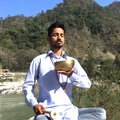
Dr. Rohit Chobe
Dr. Rohit Chobe was born and brought up in Haridwar which is one of holy pilgrimages in Uttarakhand, India. He has more than 12 years of experience in Yoga Philosophy and Indian Culture. He did his doctorate in Yogic Science from Uttarakhand Sanskrit University, Haridwar in 2018. He has a wonderful teaching experience as an Assistant Professor in Shoolini University, Solan, Himachal Pradesh from Sep 2021-Sep 2023 which is one of India’s best private Universities. He is a Certified Sound Healer and Reiki Master. His specialisation is in Meditation and Sanskrit Recitation.
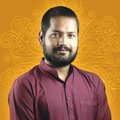
Rajia Nautial
Rajiv is a very experienced yoga teacher. Academically he holds a bachelor’s in Engineering from Graphic Era University. He worked in this field for some months. Later he felt a need to make a substantial change in his life. He found Yoga and he immersed himself in this to experience life deeper. He graduated in Yogic Science from Uttarakhand University and also in Yoga Naturopathy. He is an ERYT 500 Hours. He teaches Asana, Pranayama and meditation.
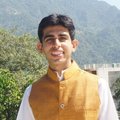
Yogi Mann
Yogi Mann comes from Delhi, India. He is a very calm and humble yoga practitioner who is always ready to help others in whatever way he can, be it guiding or counselling, teaching the techniques of Pranayama and meditation or teaching the therapeutic effects of Yoga. His main intention is to share with others the real essence of Yoga by which we can make the best use of this human form of life. His journey of Yoga started in teenage when he was quite inquisitive about the deeper truths of life. In search of the real goal of life he came across this beautiful process of Yoga and started practic

Pradeep Singh
Pradeep Singh comes from Rishikesh, Uttarakhand. Pradeep has done a bachelor in Arts. His inclination to Yoga was more dominant so he went for Yoga education. He completed a Yoga Course from Uttarakhand Sanskrit University and another 200 Hours Yoga Teacher Training. He trained students at Nomad Yoga – (May to Aug 2019), taught Hatha Yoga, Ashtanga Yoga and Vinyasa as a part of Yoga teacher training. He trains international clients and International School students conducting online training sessions since 2015 and has trained approximately 150 students in the last 5 years.

Yogini Aishwarya Ji
Yogini Aishwarya Ji, a certified Yin Yoga and Ashtanga teacher as well as a dietician, has been dedicated to yoga since participating in the XXII National Yoga Meet in 2011. With over five years of teaching experience, she combines her expertise in yoga and nutrition to create a holistic and enriching experience for her students. Holding an M.A. and P.G. Diploma in Yogic Science, along with an M.Sc. in Food Science & Nutrition, she is a 500-hour certified yoga teacher with additional certifications in Yin Yoga, Prenatal Yoga, Aerial Yoga, and Tibetan Bowl Sound Healing.
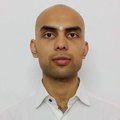
Vedant Karmahe
Vedant, a professional yoga practitioner from Rishikesh, India, has dedicated over 12 years to spreading the benefits of yoga. Holding an M.Sc. in Yogic Science and a B.Sc. in Yoga Science, he is a UGC NET-qualified educator, an RYT 500-certified instructor with Yoga Alliance USA, and a recognized Yoga Teacher and Evaluator under the Government of India’s AYUSH ministry. Vedant has conducted Yoga Teacher Training Courses (YTTC) and workshops across India, including in central and sub-jails of Madhya Pradesh, positively impacting over 1,600 students.
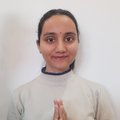
Dr. Medha Bhatt
Medha Bhatt is a calm and dedicated yoga teacher from Rishikesh, with a Ph.D. in Yoga Science from the University of Patanjali. She has over 10 years of experience teaching Yoga Teacher Training Courses (TTC), specializing in Meditation, Pranayama, Yoga Nidra, Anatomy, Philosophy, and different styles like Yin, Prenatal, and Kids Yoga.Medha studied Yoga Science at Dev Sanskriti Vishwavidyalaya for her bachelor’s degree and later completed her master’s from Uttarakhand Open University. She is also registered with Yoga Alliance as an E-RYT 500 and YACEP.
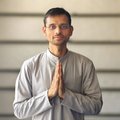
Dr. Akshay Vashisht
Dr. Akshay Vashisht is a dedicated and experienced Yoga teacher from Rishikesh with over seven years of teaching experience. He holds a Ph.D. in Yoga Science from the University of Patanjali and specializes in Pranayama, Meditation, Yoga Therapy, Kirtan Mantra, and Ayurveda. Akshay’s teaching style integrates traditional yoga practices with modern techniques to cultivate balance, resilience, and inner harmony.He began his academic journey with a B.Tech in Computer Science before transitioning to Yoga, earning an M.Sc. in Yoga from SVYASA, Bengaluru. He is also an E-RYT 500 registered with Yoga
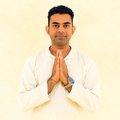
Gagandeep
With a Diploma and Master’s in Yogic Science, Gagandeep Ji is a devoted teacher of Yoga Anatomy and Therapy, rooted in both ancient wisdom and modern science. Guided by revered masters of India, he blends traditional healing concepts with contemporary understanding to awaken holistic awareness. His sessions are deeply engaging, empowering students to explore the sacred connection between body, breath, and spirit. Through his heartfelt guidance, learners are inspired to embody the true essence of therapeutic yoga.
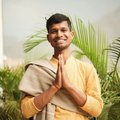
Jeet Thapliyal
Jeet is a passionate and experienced Yoga teacher with over a decade of personal practice and nine years of teaching experience. Beginning his yogic journey at the young age of twelve to heal his partial deafness and manage a hyper-acidic body, Jeet discovered the transformative power of Yoga. Through consistent and dedicated practice, he not only regained his hearing but also restored balance to his body, marking the start of a lifelong commitment to the yogic path.Jeet holds a Master’s degree in English Literature and is a Gold Medalist in Master’s in Yoga.
Location
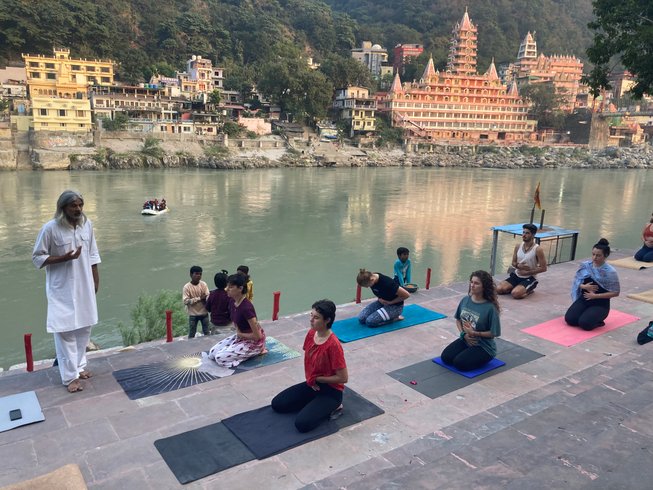
The retreat will take place at Tapovan, Rishikesh. It is a very ancient city in the state of Uttarakhand, India.
There are nearby places such as Laxman Jhula, Ram Jhula, Ganga beaches, Sivananda Ashram, and Parmarth Niketan for Ganga Aarti. Students can go and visit many shops, bookstalls, astrologers, priests, etc., between Laxman and Ram Jhula.
Ram Jhula is 1.9 kilometers from Ved Bhoomi Residency, while Triveni Ghat is 4.8 kilometers away. The nearest airport is Dehradun Airport, 20 kilometers from the accommodation.

Features
General
- Air-conditioned rooms
- Garden
- Meditation garden
- Multilingual staff
- Restaurant
- Smoke-free property
- Terrace
Services
- Free parking
- Free Wi-Fi
- Internet access
- Laundry
- Medical assistance
Food
You will be served sattvik (suitable for yoga) vegetarian North Indian food. Alcohol, drugs, or any kind of intoxicant is strictly forbidden. Non-vegetarian food is also not recommended during the course.
Drinking water
Sanatana Yoga Sandesh provides filtered water for drinking purposes. Bring a water bottle with you. The weather in Rishikesh in summer is normally hot, so you need to drink plenty of water. On average, you need to consume 3 to 4 liters of water every day. In the class, you need to bring your filled water bottle.
General food info and food timings
- 06:30 - 07:00 Herbal tea or lemon, a healthy drink, and honey mixed with plain water before the class starts
- 08:30 - 09:30 Breakfast
- 13:00 - 14:00 Lunch: This food is your main meal, so feel free to eat as much as you can easily digest. At this time, you will be served rice varieties, chapatti (Indian bread), lentils (daal/sambar), salad, vegetable curries, and a dessert on certain occasions
- 18:30 - 19:30 Dinner: The meal includes rice varieties, chapatti (Indian bread), dosa, lentils, vegetable dish, salad, herbal hot drinks, and occasional desserts
These food timings and food are a general idea and are tentative. There can be substantial changes according to the need. Sanatana Yoga Sandesh provides food or kinds of food and arranges the timings of the food from the yoga course point of view.
According to the yogic principle, there must be at least a 3-hour gap between meals and yoga practices. At the same time, a light stomach is also required for the afternoon classes. If you need to have something in between, you can keep something healthy with you always. Rishikesh has many shops where you can buy many healthy foodstuffs. But make sure that your stomach is empty before doing asana and pranayama classes.
The following meals are included:
- Breakfast
- Lunch
- Dinner
- Drinks
The following drinks are included:
- Water
- Tea
- Detox juices
The following dietary requirement(s) are served and/or catered for:
- Vegetarian
- Yogic
Things to do (optional)
There are many places to explore in and around Rishikesh. You can go camping, hiking, meditate at the holy Ganga beach, Ganga Aarti, visit ancient temples, ashrams, holy people, and Rishikesh city, waterfall, river rafting, Ayurveda massage, shopping, and others. After the course, you can enjoy tours to different places in North India such as Delhi, Agra, Mathura, Vrindavan, Pushkar, Dharamshala, and Himachal etc.
What's included
- 49 nights accommodation
- Course material (books, notebook, pen, jala neti pot)
- Course training
- Private yoga consultation on request
- Vegetarian food (breakfast, lunch and dinner)
- Wi-fi etc.
What's not included
- Flight tickets
- Airport pick up and drop
- Longer tours and trips around
- Travel and cancellation insurance
- Medical assistance
- Things for personal requirements
How to get there
Recommended Airports
Transfer not provided
Jolly Grant Airport
15 km away from your destination
Transfer not provided
Indira Gandhi International Airport
209 km away from your destination
Arrival by airplane
Please book your flight to either Indira Gandhi International Airport (DEL) or Jolly Grant Airport (DED). You may contact Sanatana Yog Sandesh to arrange for transportation at a reasonable cost.
India Gandhi International Airport is in New Delhi and is around 245 kilometers from Rishikesh, which is around a 6-hour drive and would cost approximately 4500 to 6000 INR. Jolly Grant Airport, also known as Dehradun Airport, is 25 kilometers from Rishikesh, which is a 45-minute drive and would cost approximately 1200 to 1400 INR. The charges are variable as per the arrival of several tourists, but the charges can't go too high.
If you will be arriving one or two days before the course starts, Sanatana Yog Sandesh can coordinate to accommodate two or three students in one car comfortably to reduce the car fare and for company on the long drive. Please send your confirmed e-ticket to let them know your flight number, airline, airport arrival and departure times, etc. They will confirm the booking of the car or taxi by email. A designated driver or staff member will be standing at the airport with a placard showing your name and the school's name, Sanatana Yog Sandesh. There will be phone numbers to reach the school in case of difficulty locating the driver.
Car services are also available at the airports. There are government/professional car/taxi drivers available who can take passengers to different routes. The government buses or any other bus services are very cheap. You can also bargain with the car/taxi drivers to give you a cheaper fare.
Cancellation Policy
- A reservation requires a deposit of 15% of the total price.
- The deposit is non-refundable, if the booking is cancelled.
- The rest of the payment should be paid on arrival.

Reviews
For this organizer you can guarantee your booking through BookYogaTeacherTraining.com. All major credit cards supported.