
24 Day 200-Hour Intensive Yoga Teacher Training in Rishikesh, India
All-Level Yoga Teacher Training in India
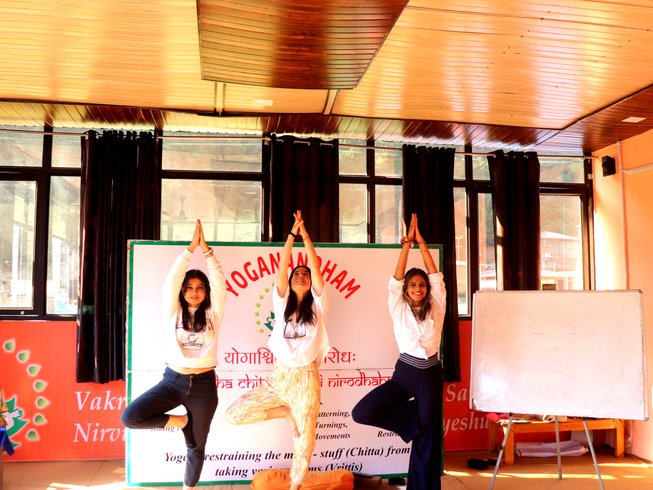
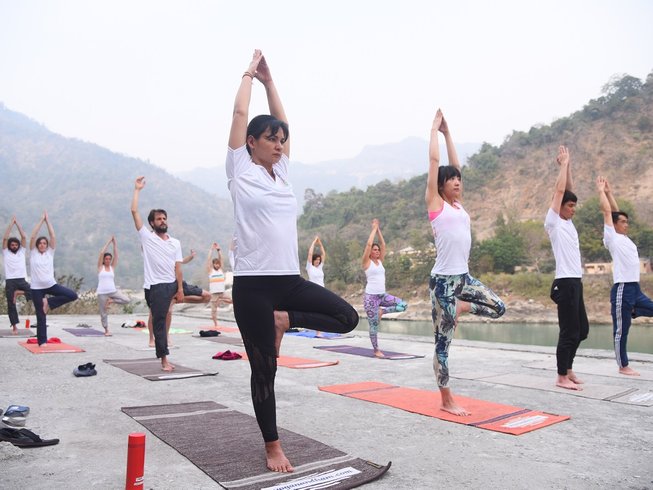
Yoganandham offers 200-hour yoga teacher training in Rishikesh, India (the world capital of yoga), and is a Registered Yoga School with Yoga Alliance. The yoga teacher training program at Yoganandham are designed by professional yoga teachers who combine the traditional style of yoga with a touch of modern teaching methods. Most of the teaching comes from the roots of Hatha yoga and Ashtanga yoga explained in such a way that it is understandable to all beginners as well as the advanced level of students.
Meet the instructors
Read more
Highlights
- Daily yoga and meditation
- Asana and pranayama sessions
- Eligibility to register with Yoga Alliance
- Rudraksha Mala and cleansing process
- Yoga philosophy and yogic anatomy classes
- Teaching methodology and mantra chanting lessons
- Daily organic breakfast, lunch, and dinner
- 23 nights' accommodation
Skill level
- Beginner
- Intermediate
- Advanced
Types
24 days with instruction in English
Accommodation
Facilities
- Gym
- Health Club
- Dining area
- Environmentally friendly
- Garden
- Kitchen
- Meditation garden
- Terrace
- Yoga deck
- Yoga studio
- Conference room
- Free parking
- Library
- Parking lot
- Tour assistance
During the course, you will be staying at Yoganandham (A School for Yoga Learning). The school has a yoga studio, a dining area, a reception, and a wonderful garden surrounded by mountains. Yoganandham Yoga School offers single and double rooms based on the student’s requirements.
Every room has an attached bathroom with a western toilet and hot shower and a cozy seating area provides picturesque views. The rooms for the yogis are well-maintained and clean. They offer bed sheets, pillows, bath towels, toilet paper, a blanket, and toiletries. High-speed Wi-Fi is activated in all property which will keep you connected.
Yoganandham Rishikesh is located in the lap of nature, offering a connection to the nature with Luxurious accommodation. The location is close to nature which gives you an opportunity to explore the nature with a lot of natural trails and an amazing river stream which is just 5 minutes walking from the location, inviting guests to immerse themselves in the tranquil essence of their spiritual journey.
Program
Certifications
Students who complete their training are eligible to register with Yoga Alliance as Registered Yoga Teachers (RYT®). Registration with Yoga Alliance provides a globally recognized credential.
Program
Yoga teacher training at Yoganandham covers all aspects of yoga physical aspects as well as mental aspects and spiritual aspects, which include the practice of asanas, Ashtanga yoga, Hatha yoga, Bhakti yoga, breathing techniques, cleansing techniques, yoga sadhana, meditation, and other yogic practices.
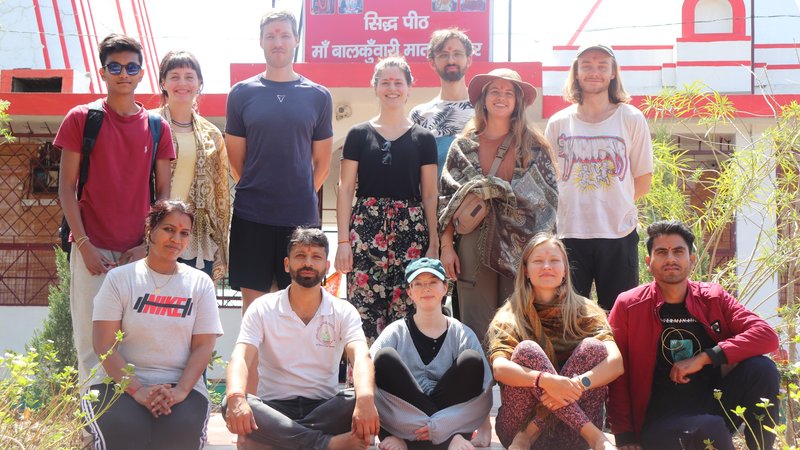
The total number of students in each course is approximately 10 students. All the registered students are requested to apply for "tourist visa" only, for a speedy and convenient application process.
In keeping with the requirements of Yoga Alliance, a 200-hour yoga teacher training program follows a tight schedule where almost each of the seven to eight training hours in the day is assigned to some aspect of yoga. You could find the training intensive but enlightening.
Depending on the weather and season, the mornings can begin as early as 07:00 with meditation, followed by some yoga postures and maybe some classes or lectures in philosophy or anatomy.
Chanting and pranayama are also part of the schedule. Daily written homework is also the norm as that is how you will gain in-depth knowledge of the subject. Sleeping early is encouraged as that is part of yogic practice.
Aims and objectives
The teacher training course is a comprehensive course that will provide you the knowledge about yoga philosophy, history, and its development. The course will help you master yoga asanas (positions) and will make you understand the effect of it on the body through yogic anatomy and yoga therapy. The motive is to spread your authentic knowledge of yoga to the world in its purest form.
You will observe daily pranayama and meditation classes along with mantra chanting so you understand their strengthening and balancing properties. The course will bring you an understanding of the yogic discipline, diet, and cleansing rituals (shatkarma), and you will be taught teaching methodology to enrich your teaching skills.
Overview
- Yoga teacher training that meets the standards of Yoga Alliance
- Yoga teacher training in Rishikesh, known as the yoga capital of the world
- Yoga teacher training course specially designed for all types of yoga students (beginners, intermediate, and advanced)
- Intensive yoga teacher training course taught by Yoganandham’s experienced and knowledgeable yoga teachers who are firmly rooted in tradition yet contemporary in their vision and communication
- Inexpensive yoga teacher training in India
- Residential facility close to nature with all luxury
- Loving and caring supportive teachers and staff
- Opportunity to experience Indian culture and tradition
Daily Schedule
- 07:00 - 07:45 Meditation session
- 07:45 - 08:00 Shat Karma
- 08:00 - 09:15 Hatha yoga session
- 09:00 - 10:00 Breakfast time
- 11:00 - 12:00 Yoga philosophy/ Schools of Yoga
- 12:00 - 13:00 Stretching class
- 13:00 - 14:00 Lunch
- 15:00 - 16:00 Yoga anatomy and physiology/ Ayurveda
- 16:00 - 17:30 Yoga class (Ashtanga yoga)
- 18:00 - 19:00 Pranayama & meditation
- 19:00 - 20:00 Soup time
- 20:00-21:00 Dinner time
Syllabus
Paper 1: 110 hours
Asana
Yogic postures comprise four hours of the daily schedule. Students will be introduced to the various asanas in a systematic manner with a progressively increasing level of difficulty. Once the basics are mastered, asana flows, adjustments, and subtle aspects of breath and awareness will be brought into focus.
Students will learn many postures of texts Hatha Yoga Pradipika and Gheranda Samhita. You will also study various asanas and the technique of teaching the postures, the benefits of each posture, modifications, contraindications, and the use of props. Below is the list of the postures:
- Sukshm Vyayam (joints movements)
- Surya Namaskar (sun salutation)
- Standing poses
- Sitting poses, forward bends, and hip openers
- Sitting/supine twists
- Backbends
- Arm balances
- Restorative postures
- Asana poses with detailed alignment
- Standing poses
- Tadasana standing
- Vrksasana standing
- Urdhva Hastasana standing
- Urdhva Baddhaguliyasana standing
- Paschima Namaskar standing
- Utkatasana standing
- Virabhadrasana 1 standing
- Utthita Trikonasana standing
- Utthita Parsvakonasana standing
- Ardha Candrasana standing
- Virabhadrasana 2 standing
- Virabhadrasana 3 standing
- Standing twisting poses
- Parivrtta Trikonasana standing-twist
- Parivrtta Parsvakonasana standing-twist
- Standing forward ext poses
- Uttanasana forward ext-standing
- Padangusthasana forward ext-standing
- Padahastasana forward ext-standing
- Prasarita Padottanasana forward ext-standing
- Parshvottanasana forward ext-standing
- Seated poses
- Dandasana seated
- Eka Pada Rajakapotasana seated
- Baddha Konasana seated
- Upavista Konasana seated
- Ubhaya Padangusthasana seated
- Urdhva Mukha Paschimottanasana seated
- Baddha Padmasana seated
- Seated forward ext poses
- Paschimottanasana seated-forward ext
- Ardha Baddha Padma Paschimottanasana seated-forward ext
- Trianga Mukha Eka Pada Paschimottanasana seated-forward ext
- Janu Shirshasana seated-forward ext
- Malasana seated-forward ext
- Marichyasana seated-twist
- Bharadvajasana seated-twist
- Backbend poses
- Urdhva Mukha Shvanasana backbend
- Ustrasana backbend
- Purvottanasana backbend
- Setu Bandha Sarvangasana backbend
- Urdhva Dhanurasana backbend
- Salabhasana backbend
- Inversion poses
- Adho Mukha Shvanasana inversion
- Supta Konasana inversion
- Salamba Sarvangasana inversion
- Halasana inversion
- Karnapidasana inversion
- Eka Pada Sirsasana inversion
- Parsvaika Ekapada Sirsasana inversion
- Sirshasana inversion
- Urdhva Dandasana inversion
- Supta Hasta Padangusthasana supine
- Navasana abdominal
- Arm balance poses
- Adho Mukha Vrksasana arm balance
- Mayurasana arm balance
- Bakasana arm balance
- Kukkutasana arm balance
- Tolasana arm balance
- Restorative poses
- Supta Virasana restorative
- Supta Baddhakonasana restorative
- Shavasana restorative
Adjustment
Learn how to adjust these asanas and understand how the adjustment can deepen your practice.
Pranayama (breathing techniques)
These are based on traditional yogic breathing techniques which will benefit your yoga practice as you learn how to lengthen your breath. How to incorporate breathing into postures and into your classes. How breathwork assists the body.
- Sheetali and Sheetkari pranayama
- Bhastrika and Bhramari pranayama
- Anulom-Vilom Pranayama
- Suryabhedi and Ujjayi pranayama
Shatkarma (cleansing techniques)
These yogic cleansing practices will be integrated into the daily morning schedule and will work in conjunction with the asana practices. These will purify the nervous system and allow your breath to flow freely throughout the body. In expelling toxins from the body, you will, therefore, cleanse it.
- Agnisar Kriya
- Kapalbhati
- Sutraneti
- Jalneti
- Kunjal
- Tratak
Yogic mudras (energy seals)
Stimulate different parts of the body by sealing in the energy. These are usually used in pranayama and affect the flow of prana.
- Shambhavi mudra
- Tadagi mudra
- Shanmukhi mudra
- Kaki mudra
Bandhas (energy locks)
How they regulate the flow of energy and assist the practitioner in asana.
- Jalandhar Bandh
- Uddiyan Bandh
- Mool Bandh
- Maha Bandh
Meditation
You will cover a range of meditation techniques that will help build concentration and focus in your daily practice. Techniques include om chanting, chakra, and candlelight meditation.
Mantras (chanting)
A range of mantras will be taught including the Gayatri mantra, Mrityunjay mantra, and many more. You will find your inner harmony in these sessions. Recommended books: "Asana Pranayama Mudra Bandha" by Swami Nityananda Saraswati, "Hatha Yoga Pradipika" - Bihar School of Yoga by Swami Muktibodhananda, and "Gheranda Samhita" by Swami Niranjananand Saraswati.
Paper 2: 25 hours
Teaching methodology
This class will give you the necessary building blocks to devise your own yoga class. Learn how to motivate your students by teaching inclusively to the range of abilities that you may be faced with.
Adjustment
- Learn how to help your students get deeper into a posture through adjustment.
- Studying yoga lifestyle and the ethics of a yoga teacher.
- Studying the attitude and presence of the teacher.
- The seat of yoga teacher/teaching as service / why you teach/create a sacred space.
- Elements of great teaching.
- Classroom organization and set up.
- Creating a class plan.
- Teaching progressively focusing on alignment principles.
- The basic principles of sequencing.
Paper 3: 20 hours
Introduction of yogic anatomy
Students will be introduced to the structure of the main organs (heart, lungs, stomach, liver, and kidney). Students will learn anatomy relevant to yoga in order to strengthen the classroom explanations, cues, and corrections of asanas.
You will also learn the yoga and skeletal system, brain and nervous system, respiratory system, digestive system, and cardiovascular system. In addition, the class will also cover the effects of Kriya, pranayama, asana, and meditation for various disorders, subtle body anatomy of the chakras, nadis, and the application of chakras energy in the practice of yoga. Recommended book: "Anatomy of Hatha Yoga: A Manual for Students, Teachers, and Practitioners" by David H. Coulter.
Paper 4: 30 hours
Introduction to yoga
You will learn the definition of yoga, the history of yoga, and the introduction of the yogic text. This topic will focus on introducing you to the basic philosophy, concepts, and history of yoga. It will cover the various traditional philosophies and viewpoints, insights from modern research and ways in which the essence of this holistic life-view can be integrated into a modern lifestyle. There will also be ethical guidelines for the student-teacher relationship, how to behave as a student and how to behave as a teacher, communication, and limits between teacher and student. Recommended books: "Yoga Sutras of Patanjali", "Hatha Yoga Pradipika", and "Gherand Samhita".
- Yoga Sutras (Preface of Yoga Sutras of Patanjali): study this important text based on the eight limbs of Ashtanga yoga. Discover the theory and foundations of yoga as Patanjali describes how to make a connection with the body, mind, and spirit.
- Kriya yoga: a methodology to overcome Pancha Klesha (five causes of pain and miseries)
- Raja yoga and Hatha yoga
Paper 5: 15 hours
- Practicing teaching with RYT / E-RYT
- Karma yoga (receiving/giving feedback)
- Group teaching during class hours
- Class observation: you will observe a class given by one of the experienced yoga teachers as an inspiration for the class that you will then prepare.
Peer teaching
These sessions allow you to practice your teaching skills and get constructive feedback from both your senior teachers and your peers on your progress. The lead trainer expands at least five to ten hours with all students on this topic during practicing as a teacher.
Evaluation
Yoga follows a tradition that will enrich your personal life and also show you how to help others to enrich their lives too so that a compassionate and humanitarian community can build up. Assessments will be based on written as well as practical evaluations.
- Student conduct will be a part of the assessment criterion.
- Evaluation will be carried out only for those students who have a minimum of 90% attendance.
Included excursions
- Visits to Ganga Aarti and temples in Rishikesh
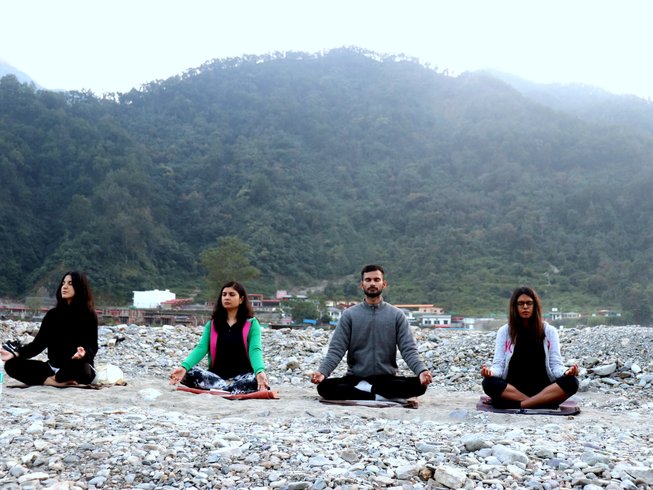
- Meditation on the bank of the river
- Sunrise trip to Balkumari Temple
- River rafting
Instructors
Yogacharya Manish Arora
Yogacharya Manish Arora is a founder of Yoganandham (A School of Yoga Learning). He is well known and loved for the classes he teaches such as yoga philosophy, Hatha yoga, and teaching methodology sessions for yoga teacher training students. His aim is to teach ancient and authentic teaching methods of yoga practice in the traditional yoga styles which bring the essence of mastery. Yogi Manish teaches with all his experience and knowledge to all the yoga learners with humility and sincerity, but also with positive thoughts and meticulousness.
Location
Yoganandham is peacefully located at Bairagarh, Rishikesh, India which is within five minutes' walking distance from River.
Distances
- River - 5 minutes walk
- Bungee Jumping - 10 minutes walk
- Lakshman Jhula - 25 minutes drive

Features
Activities
- Gym
- Health Club
- Mountain walking
General
- Balcony
- Dining area
- Environmentally friendly
- Garden
- Kitchen
- Meditation garden
- Terrace
- Yoga deck
- Yoga shala
- Yoga studio
Services
- Conference room
- Free parking
- Free toiletries
- Library
- Parking lot
- Tour assistance
Food
The food provided is hygienic and well-prepared yogic food. Pure vegan meals are served according to the principles of Ayurveda and you are expected to be fully devoted and obey all the guidelines and disciplines of the yogic path during your training so that you may get the best benefits.
Yoganandham provide healthy and light breakfasts which is the best way to start your day. It includes a fresh juice or milkshake with bread and butter served with some different spreads or toppings.
At lunch, Yoganandham serves a complete full meal which would provide energy for the whole day. Typically this will include one healthy salad, fresh seasonal vegetables, lentils, rice, and chapati.
At dinner, Yoganandham provides light food which includes soup, different salads each day, healthy vegetables, lentils, and chapattis.
The following meals are included:
- Breakfast
- Lunch
- Dinner
The following drinks are included:
- Water
- Tea
The following dietary requirement(s) are served and/or catered for:
- Vegetarian
- Organic
- Yogic
- Ayurvedic
Things to do (optional)
During your free time, you can explore the spirituality of Rishikesh by attending Satsangs, kirtan, Ganga Pooja and others. You can also enjoy your day by walking in the mountains to the waterfalls and enjoy the nature at its best. You can also enjoy the adventure sports on your off days like river rafting, bungee jumping, and others.
Spa treatments
Yoganandham offers Ayurveda treatments to the participants at an additional cost. By joining this course, you will be eligible for a discounted treatment at some Ayurveda centers and Ayurvedic clinics.
What's included
- 1 rudraksha mala
- 1 yoga t-shirt
- 24 days 23 nights' accommodation
- Books for reading
- Eligible to register with Yoga Alliance upon completion
- Cleansing process materials
- Daily organic breakfast, lunch, and dinner
- Daily yoga and meditation
- Mantra chanting lessons
- Outings to the nearby locations (Ganges River and Balakumari Devi Mandir)
- Teaching methodology, yoga philosophy, and yogic anatomy classes
What's not included
- Ayurvedic massage
- Pickup and drop from Airport
How to get there
Recommended Airports
Transfer available for additional US$ 30 per person
Jolly Grant Airport
23 km away from your destination
Transfer available for additional US$ 80 per person
Indira Gandhi International Airport
206 km away from your destination
Cancellation Policy
- A reservation requires a deposit of 24% of the total price.
- The deposit is non-refundable, if the booking is cancelled.
- The rest of the payment should be paid on arrival.

Reviews
For this organizer you can guarantee your booking through BookYogaTeacherTraining.com. All major credit cards supported.