
28 Day 300-Hour Traditional Hatha & Ashtanga Yoga Teacher Training in Rishikesh, India
Yoga Teacher Training in Rishikesh, India
This 300-hour teacher training is conducted in the ever so inspiring and meditative environment of this healing town. It is located in the heart of Rishikesh, the place offers the perfect escapade into the yogic practices and its lifestyles In the laps of Himalayas. This 300-hour course helps to construct a beautiful structure. The deeper understanding of yoga molds the personality of a person becoming an inspired teacher. It will provide you knowledge of advance yoga teaching skills.
Meet the instructors
Highlights
- Daily guided meditation session, one sound healing session
- Yoga Therapy and Ayurveda
- Pranayama and chanting lessons
- Daily practice of kriyas, asanas, pranayama, bandha, mudras, and dhyana
- Teaching different meditation techniques
- Study philosophy from the classical treaties of yoga
- Eligible to register with Yoga Alliance upon completion
- 27 nights accommodation with daily vegetarian meals
Skill level
- Intermediate
- Advanced
Types
27 days with instruction in English
 Average daily hours of activity: 7
Accommodation
Facilities
- Dining area
- Kitchen
- Internet access
- Medical assistance
Accommodation comprises of single rooms and double shared rooms. All rooms are clean and have a silent environment around. The rooms have a balcony and attached bathrooms. The bathrooms are clean and equipped with western toilet seats, and cold showers. Hot water is also available during winter season. They make sure that the guest has its best time here and spend quality time being here in Rishikesh.
Program
Certification
Students who complete the training are eligible to register with Yoga Alliance as Registered Yoga Teachers (RYT300 ®).
Overview
To Enroll in the RYS 300-Hour Yoga course, it is mandatory for you to have an RYS 200 certificate from the preceding course, as the curriculum builds on the concepts you have formerly learned and practiced in your 200 hour Yoga TTC. RYS 300 Hour advanced yoga teacher training is for yoga teachers designated as RYT 200.
Program highlights
- Yoga orientation ceremony - A day prior to the commencement of the course
- Week 1 Introduction to yoga
- Week 2 Focus on deepening the practice, adjustments, and corrections
- Week 3 Focus on the lesson plan
- Week 4 Assessment, evaluation, and certification
Course objectives
- Develop a daily practice of kriyas, asanas, pranayama, bandha, mudras, and dhyana
- Delve deeper into yoga anatomy and physiology
- Introduction to structural yoga therapy
- Study philosophy from the classical treatises of yoga (Bhaghavad Gita, Patanjali Yoga Sutras, Hathayoga Pradipika, Gheranda Samhita and the Upanishads)
- Introduction to Ayurveda and Marma points
- Design and teach a 90-minute asana class to your peers which incorporates these components
- Sound healing session
Course curriculum
Yoga philosophy
There exists at present a good deal of misconception with regard to the practices of yoga. Yoga philosophy is needed to get linked with tradition by a direct reference to the treatises. This class will allow students to understand, and appreciate the classical literature of yoga. The philosophy of yoga is an integrated view of life. It includes an understanding nature of existence, man and his role in investigating the true self.
The 300-hour philosophy is comprised of the following yogic texts:
Orientation of Patanjali's yoga sutra:
In the yoga sutras, Patanjali has provided a very scientific and practical exposition of the philosophy, and practice of yoga. One very important section of the book describes what is commonly called Ashtanga yoga, or eight limbs of yoga, which provides practical guidelines for experiencing the ultimate state of consciousness. The discourse will be a recollection of Ashtanga yoga from the 200-hour discourse and will detail the important sutras, including a discussion of the last two chapters.
Orientation of Hatha yoga pradipika:
This is a classic text on Hatha yoga written by yogi Swatmarama. The instructions given in the text are very useful in understanding the mechanics of the body, and channelizing the energies to establish harmony. By bringing balance between sun (Ha) and moon (Tha), one can prepare for a higher possibility. Topics include:
- Relationship of Hatha yoga and Raja yoga
- Greatness of Hatha yoga
- Hatha yogi lineage
- Importance of Hatha yoga
- Destructive and constructive aspects of yoga
- Methods of Hatha yoga practice and yogic diet
Orientation of Gheranda samhita
Gheranda samhita and Hatha yoga pradipika are two of the older main Hatha yoga texts available in India. Dated back a few centuries, they are still studied today to understand the therapeutic aspect of Hatha yoga.
The Hatha yoga practices described in Gheranda Samhita are known as Ghatayoga, which describes the human body as a clay pot, and the practices of Hatha yoga as the means by which one moulds the clay seals the cracks in the wet clay and solidifies the pot through the fire of one's own disciplined practice. Topics include:
- Introduction to Gheranda Samhita
- Seven steps of Ghatayoga
- Benefits of Ghatayoga
- Purification techniques
- Classification of asanas and their benefits
- A comparative study of Hatha yoga and Ghata yoga
Orientation of Upanishad
The Upanishads (defined as "to sit with one's self", or "to sit in the presence of the master") are the insights gained by the yogis. It discusses liberation through wisdom. This is the end portion of the Vedas, and the subject of yoga is presented in a conversational form. It is very easy to comprehend the discussion of yoga through the Upanishads. The quality of discrimination between real and unreal unfolds during the study of the Upanishads. Studying the Upanishads helps practitioner to implement yoga in their daily lives. A study of the Upanishads inspires the question, "Ko Ham? Who am I?"
Yoga anatomy and physiology
This class provides a meticulous understanding of the anatomy and physiology of the human organ systems key to one's yogic practice, with a brief discussion of the remaining organ systems. The correlation between the physiology and the psycho-philosophical nature of the human organ systems is also discussed.
- Muscular system: Muscle classification, histology, properties, distribution, mechanism of muscle contraction, neuromuscular transmission, ligaments, and tendons
- Skeletal system: Bone types, structure and function, spinal column, joints, end field restrictions
- Lymphatic and the immune system: Function of the lymphatic system, major and accessory organs (lymph, lymph nodes, spleen, tonsils, thymus, capillaries), the composition of blood corpuscles (red blood corpuscles, white blood corpuscles, platelets). Plasma, lymph, haemoglobin, coagulation of blood and anticoagulants, blood groups and their importance, lymphatic system, immunity types, and mechanism of immunity. Relationship of the lymphatic system to pranamaya kosha
- Cardiovascular system: Function of the cardiovascular system, major and accessory organs (the heart, blood vessels - veins, arteries). Properties of cardiac muscle, control of cardiac cycle and circulation, cardiac output, blood pressure, and heart rate. Relationship of the cardiovascular system to annamaya kosha
- Respiratory system: Function of the respiratory system, major organs (nasal cavity, trachea, lungs, bronchioles, bronchiole trees, alveolar sacs, diaphragm, chest, shoulder, and back muscles). Mechanism of breathing, exchange of gases, pulmonary function tests, lung volume, control of respiration. Relationship of the respiratory system to annamaya kosha
- Digestive system: Function of the digestive system, major and accessory organs (mouth, salivary glands, tongue, oesophagus, stomach, pancreas, liver, gall bladder, small, and large intestines). Mechanism of secretion of saliva, gastric juice, pancreatic enzymes, bile, and intestinal secretions. Role of these secretions in the digestion of food, absorption and assimilation of nutrients, and excretion of faeces. Relationship of the digestive system to annamaya kosha
- Endocrine system: Function of the endocrine system, major and accessory organs (thyroid, parathyroid, hypothalamus, thalamus, adrenal glands, hippocampus, pituitary gland, reproductive glands). Hormones produced by these glands, and their effect on hypo- and hyperactivity of the body. Role of insulin in glucose metabolism. Relationship of the endocrine system to manomaya kosha
- Nervous system: Function of the nervous system, major and accessory organs (brain, spinal column, cranial nerves, spinal nerves). Gross anatomy of the brain: cerebrum, cerebellum, spinal cord. Physiology and important connections of cerebrum, pons, medulla, thalamus, hypothalamus, pineal gland, pituitary gland, and cerebellum. Physiology of Somatic nervous system and Autonomic nervous system: Sympathetic and Parasympathetic nervous system. Relationship of the nervous system to manomaya kosha
- Reproductive system: The genital system of an organism, also referred to as the reproductive system is the biological system made of all the anatomical organs involved in amphimixis. Many non-living substances like fluids, hormones, and pheromones are important accessories to the organs involved in producing offspring. In women, this method includes the ovaries, the fallopian tubes, the uterus, the cervix and also the vagina. In men, it includes the prostate, the testes, and also the penis
Teaching methodology
- To structure and sequence a class
- Modification techniques
- Teaching different meditation techniques
- Organizing and preparing for the workshop
- Principles of demonstration, observation, alignment, and correction
Mantra and meditation
Mantra is a word or sounds repeated to aid concentration in meditation. The reverberating sound harmonious the body and mind. A mantra is a word or sounds repeated to aid concentration in Meditation. The reverberating sound harmonious the body and mind. Mantras are repetitive hymns that benefit yoga practice and assist the yogi to awaken the self and extend the meditative and practical aspects of yoga. The course includes mantra lessons to facilitate peaceful vibrations for the practitioners and creates an atmosphere of serenity
- Ganesha mantra
- Guru mantra
- Shakti mantra
- Gayatri mantra
- Mangalacharan mantra
- Shanti mantra
Asanas
Dynamic postures
- Pawanmuktasana series
- Marjari asana
- Vyaghrasana
- Surya namaskar
Standing postures
- Tadasana
- Utkatasana
- Padhastasana
- Trikonasana
- Parivrtta Trikonasana
- Parshwakonasana
- Parivrtta parshwakonasana
- Veerbhadrasana I
- Veerbhadrasana II
- Veerbhadrasana III
- Ardh chandrasana
- Parsvottanasana
- Prasarita padottanasana
Inverted postures
- Sirsasana
- Sarvangasana
- Halasana
- Pincha mayurasana
- Adho mukha vrkshasana
Twisting postures
- Ardh matsyendra asana
- Parivritti janu sirshasana
- Kati chakrasana
Back bend postures
- Bhujangasana
- Shalabhasana
- Dhanurasana
- Matsyasana
- Ushtrasana
- Kandhrasana
- Chakrasana
- Gomukhasana
- Setu asana
- Rajkapotasana
Forward bend postures
- Paschimotanasana
- Janusirasana
- Ardh padam paschimotanasana
- Padprasar paschimotanasana
- Adho mukha svanasana
Twisting yoga postures
- Ardh matsyendra asana
- Parivritti janu sirshasana
- Kati chakrasana
Balancing postures
- Vrkshasana
- Bak dhayan asana
- Mayurasana
- Natraj asana
- Garudasana
Relaxation postures
- Shashankasana
- Makarasana
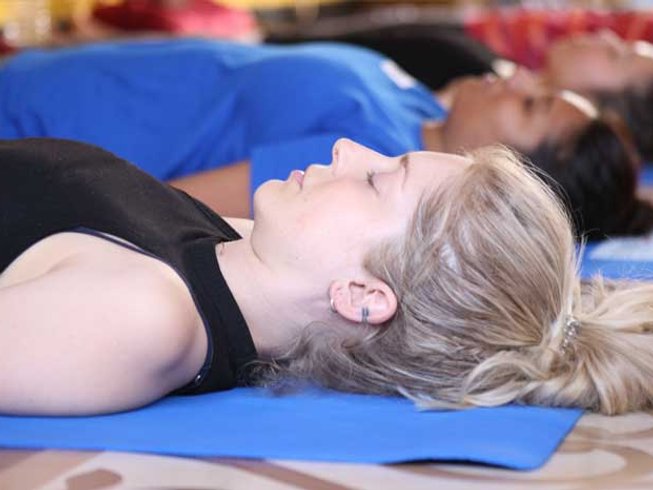
- Savasana
Breathing practices
- Yogic breathing
- Nadi shodhan
- Kapalbhati
- Bhastrika
- Ujjayi
- Bhramari
Meditative postures
- Sukhasana
- Padamasana
- Vajrasana
Meditational practices
- Breath awareness
- Tratak
- Yoga Nidra
- Mantra chanting
Yog Mudras
- Anjali mudra
- Chin mudra
- Jnana mudra
- Poorna mudra
Principles and guideline
- Teaching starts from early in the morning
- Respectful behavior is mandatory at all times on and off the premises
- Respect the rules and regulations of Arogya Yoga School
- Course fees are non-refundable
- Before departure from Arogya Yoga School, students must return all books from the library
- Non-vegetarian food, smoking, and drinking alcohol are not allowed on the Arogya Yoga School premises
General rules
- Silence should be maintained between 10 p.m. and the morning
- Regular homework should be completed
- All classes are mandatory to attend unless you are ill
- As a part of the evaluation procedure, there will be an assessment for certification
- Arogya Yoga School reserves the right to disqualify any students at any time during the course for misconduct
- Eating and drinking (anything other than water) is not allowed in the yoga halls
- Use of electronic gadgets i.e., mobile phones, laptops, and tablets during lectures is strictly prohibited
- During asana practice leave all jewellery, books, extra clothing, book bags, and purses in your room (only yoga mat and water bottles permitted in yoga hall)
- Management expects all students to clear your practice space immediately following your practices
Yoga Therapy
Yoga Therapy Teacher Training Course Program one thing is very clear we only can cure disease through traditional yoga practice and through some variation of traditional yoga other wise through modern yoga it's not possible. Modern yoga is good to practice (Hatha, Astanga, Vinyasa) but for these types of yoga practices, we should prepare our body. Without preparation it's hard to practice.
- Diabetes
- Hypertension
- Bronchial asthma
- Stress
- Back pain
Chakra And Kundalini Yoga
Kundalini Yoga Teacher Training in India is without a doubt the most rewarding journey you will ever take. We are recognized as one of India's top Yoga Ashrams and have received numerous testimonials. Do not wait to start this journey towards your true-Self. This will be the most important step of your life. Join our course today and find out the REAL YOU.
- Kundalini Theory.
- Chakras - Chakras are the energy channels on our subtle body, you will be taught the key
- practices that open and balance the chakras.
- How to harness the Kundalini energy for its benefits in every area of your life.
- Pranayama and Mudra with their practical applications.
Yog Nidra And Meditation
Yoga Nidra - Powerful Healing Yoga Nidra is a powerful healing tool in yoga therapy. This is because it is the ultimate method of inducing profound relaxation and deep rest. Yoga Nidra Teacher Training Session Headlights:
- How does yoga Nidra work
- Yoga Nidra and hypnosis
- 7 Stages of Yoga Nidra
Sample daily schedule
This course includes some yogic purification, pranayama, Hatha, and Ashtanga yoga classes and perhaps some classes or lectures in philosophy or anatomy.
Daily Schedule
- 05:30 - 06:00 Herbal tea
- 06:00 - 06:30 Shatkarma or yogic cleansing
- 06:30 - 08:30 Pranayama and chanting, yoga asana
- 08:30 - 09:30 Breakfast
- 09:30 - 10:30 Yoga anatomy / Yoga Therapy
- 11:00 - 12:00 Yoga philosophy
- 12:00 - 13:00 Lunch
- 15:00 - 16:00 Body alignment and adjustment
- 16:00 - 17:30 Vinyasa yoga asana
- 18:00 - 19:00 Meditation / Yog Nidra
- 19:00 - 20:00 Dinner time
- 22:00 Lights off
Included excursions
- Nearby trips and weekend excursions
- Ganga Aarti
- Raja ji National Park
- Vashishta Gufa
Instructors

Azad Bhatt
Azad Bhatt is an E-RYT 200, E-RYT 500 or Experienced Registered Yoga Teacher with Yoga Alliance, which acknowledges the completion of a yoga teacher training with a Registered Yoga School (RYS). He was inspired to explore his own personal yoga practice after realizing the transformative benefits he could develop mentally, spiritually, and physically. He began teaching yoga five years later, with a strong desire to share his knowledge with others. He first started teaching yoga retreat programs being conducted by his gurus, and later began teaching at teacher training programs around India.
Mahesh Bhatt
Mahesh specializes in yoga therapy, yogic philosophy, and is a pranayama teacher. He was born and raised in a very spiritual family. He graduated from Garhwal University with a science background. He transformed after meeting his guru who helped him realize and understand energy and how he is connected intimately to society and others through his own energy. His guru taught him to cultivate this energy through his personal practices. He developed his knowledge further and began sharing with others, towards building a strong foundation for society.
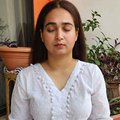
Neha Ji
Neha Ji specializes in Sound Healing, yoga Nidra and meditation.
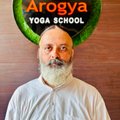
Vinay Kausik Ji
Acharya Vinay has been a teacher, mentor, guide and companion to thousands of people around the world for last 25 years.
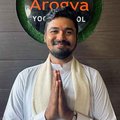
Yogi Abhishek
With extensive experience in Spiritual and Yoga Anatomy, he is passionate about weaving together physical anatomy and energetic awareness. Grounded in both traditional anatomical study and spiritual teachings, his work invites students into a holistic exploration of the body, where structure, chakras, and subtle energy systems come into harmony.
Location
Rishikesh is a city in India’s northern state of Uttarakhand. It is a most tranquil place in northern Uttarakhand, it is surrounded by hills and bisected by the wide and sluggish Ganges, is often claimed as the "Yoga Capital of the world." It is also called the gateway to the Himalayan Shrines of Badrinath, Kedarnath, Gangotri, and Yamunotri.
Rishikesh has long been a spiritual center. It is said that the sage Raibhya did severe penance here and as a reward, God appeared to him in the form of Hrishikesh hence the name. Rishikesh has numerous ashrams, some of which are internationally recognized as centers of philosophical studies, yoga, and meditation.

Food
You will be served daily breakfast, green/herbal tea, lunch, and dinner. On Sundays, only breakfast is provided. During your yoga teacher training course in Rishikesh, D'vine Yoga ensures your stay is comfortable, nourishing, and supportive in every aspect of your well-being.
All meals are healthy, organic, and 100% vegan—prepared not only for great taste but also for balanced nutrition. Expert chefs craft delicious, wholesome dishes that prove eating clean doesn’t have to be plain or boring. Your health, hygiene, and comfort are always prioritized, and the meals help keep you energized, enthusiastic, and light throughout your training.
Food served here follows veg and Sattvic principles, promoting clarity, calmness, and physical purity. Special dietary requests are also accommodated to ensure your individual needs are met.
The following meals are included:
- Breakfast
- Lunch
- Dinner
- Drinks
The following drinks are included:
- Water
- Tea
- Detox juices
The following dietary requirement(s) are served and/or catered for:
- Vegetarian
- Vegan
- Gluten Free
- Organic
- Other dietary requirements on request
- Ayurvedic
Exclusive Gifts
Arogya Yoga School has prepared a few special surprises for you, including unique experiences and thoughtful extras to make your journey even more memorable.

Additional Night Stay

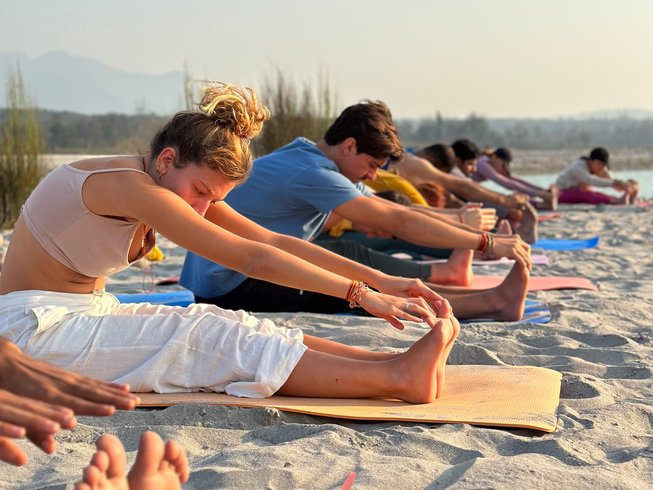
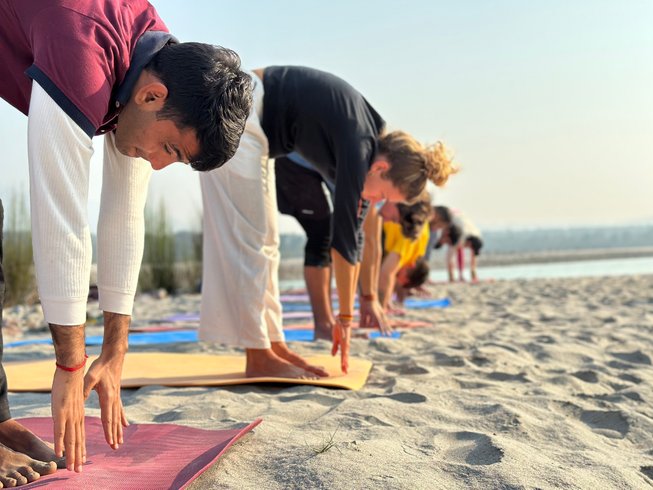
Ganga Riverside outdoor yoga session

Free Pick up From Dehradun Airport

7 CHakra Sound Healing Session
What's included
- Daily yoga sessions
- Weekend excursions
- Certificate of completion
- Teaching different meditation techniques
- Introduction to Ayurveda and Marma points
- Study philosophy from the classical treaties of yoga
- Eligible to register with Yoga Alliance upon completion
- Daily practice of kriyas, asanas, pranayama, bandha, mudras, and dhyana
- Yoga material (books, yoga t-shirt, body cleansing kit etc.)
- Daily nutritious vegetarian meals, detox juices, and teas
- Free pick up from Jolly Grant Airport (DED)
- 27 nights accommodation
- 300 Hour Yoga TTC Manual
Included Exclusive Gifts
Additional Night Stay
Enjoy an additional night’s stay before the course begins, allowing extra time to settle in, relax, and adjust to the serene environment. Arrive early, unwind from travel, and prepare your mind and body for the transformative days ahead. Perfect for easing into your retreat with comfort and peace.
Ganga Riverside outdoor yoga session
Experience a serene Ganga riverside outdoor yoga session, where gentle flows meet the soothing sound of flowing water. Surrounded by nature and fresh air, this practice encourages grounding, balance, and inner peace. Reconnect with your breath, calm the mind, and rejuvenate your energy in a sacred, tranquil setting.
Free Pick up From Dehradun Airport
Enjoy free pickup from Dehradun Airport for a smooth and stress-free arrival. Our reliable transport service ensures a comfortable ride directly to the retreat, allowing you to begin your journey with ease and peace of mind.
7 CHakra Sound Healing Session
A 7 Chakra Sound Healing Session uses vibrational instruments like singing bowls, chimes, and tuning forks to rebalance energy centers. Each chakra is harmonized through specific frequencies, promoting deep relaxation, emotional release, and inner clarity. This gentle experience restores alignment, reduces stress, and supports overall physical, mental, and s
What's not included
- Flight tickets
- Airport drop off
- Air-conditioned room - available with extra cost of 160 USD
How to get there
Recommended Airports
Transfer included
Jolly Grant Airport
17 km away from your destination
Transfer not provided
Indira Gandhi International Airport
200 km away from your destination
Arrival by airplane
The closest and most convenient airport for you is to fly to New Delhi (DEL). If you are visiting India for the first time then it is better for you to take a flight to Dehradun (a city nearby), and from Dehradun, it is a 30-minute drive by car.
Arrival by car
Indira Gandhi International Airport (DEL) to Rishikesh by car is a 6-hour journey. Arogya Yoga School can arrange a taxi pick up for 70 USD.
Arrival by bus
If you choose to take a bus to Rishikesh from Indira Gandhi International Airport (DEL), you must first travel by taxi to the ISBT bus stand, located about 30 kilometers from the airport. You can book your bus ticket in advance.
From ISBT, the bus ride to Rishikesh covers approximately 230 kilometers and typically takes seven to eight hours. After arriving at the Rishikesh bus stand, you can take a taxi directly to D’vine Yoga School.
Arrival by train
If you prefer to travel by train, you can take one from Delhi to Haridwar. From Indira Gandhi International Airport (DEL), take a taxi to the Delhi Railway Station, located about 22 kilometers away. From there, board a train to Haridwar.
Cancellation Policy
- A reservation requires a deposit of 30% of the total price.
- The deposit is non-refundable, if the booking is cancelled.
- The rest of the payment should be paid on arrival.

Reviews
For this organizer you can guarantee your booking through BookYogaTeacherTraining.com. All major credit cards supported.