
24 Day 200-Hour Yoga Teacher Training with Ayurveda in Rishikesh, India
Yoga Teacher Training in India
Jiva Yoga Academy offers a unique 200 hour Yoga Teacher Training Course specifically designed for students looking to immerse themselves in an all-inclusive exploration of yoga. This multi-faceted course incorporates key elements of the most popular courses - Hatha and Ashtanga - and combines them with studies of Ayurveda to provide students with a holistic and empowering journey towards the inner self. By completing this course, you will be able to teach yoga and offer your future students basic insights to balancing the doshas, correct eating habits for the body types, and how to bring the body back into homeostasis through natural means.
Meet the instructors
Highlights
- Ayurveda classes
- Experienced yoga instructors
- Anatomy and yogic philosophy
- Breathing technique and meditation
- Ashtanga Yoga and Hatha yoga postures
- Pick up from Dehradun Airport (DED)
- 24 nights accommodation
- All daily meals
Skill level
- Beginner
- Intermediate
- Advanced
Types
24 days with instruction in English
Accommodation
Facilities
- Hot spring
- Air-conditioned rooms
- Café
- Concierge desk
- Dining area
- Environmentally friendly
- Garden
- Kitchen
- Lobby
- Luggage room / storage
- Picnic area
- Smoke-free property
- Terrace
- Yoga shala
- Yoga studio
- Bicycle rental
- Car rental
- Conference room
- Currency exchange
- Dry cleaning
- Free parking
- Free Wi-Fi
- Internet access
- Laundry
- Medical assistance
- Meeting room
- Wireless internet
Jiva Yoga Academy understands that during your course, a quiet, restful place you can call home is essential to your studies. All courses include private and shared accommodations so it is up to you want to choose private or shared accommodation with another student. All rooms are equipped with the necessary modern amenities. You will be nestled nearby the holy Ganges, in the quiet oasis of Rishikesh. From here, you also have easy walking access to all local cafes. restaurants, and markets.
Program
Program
It is a great experience to have 200-hour Yoga Teacher Training in India and Jiva Yoga Academy is a unique place for that. We offer a course of 200 Hour Yoga Teacher Training in Rishikesh, India specifically designed for students looking to immerse themselves in an all-inclusive exploration of yoga.
This 200 Hour Yoga Teacher Training Course in Rishikesh incorporates key elements of Jiva Yoga Academy's most popular courses, Hatha and Ashtanga, and combines them with studies of Ayurveda to provide students with a holistic and empowering journey towards the inner self.
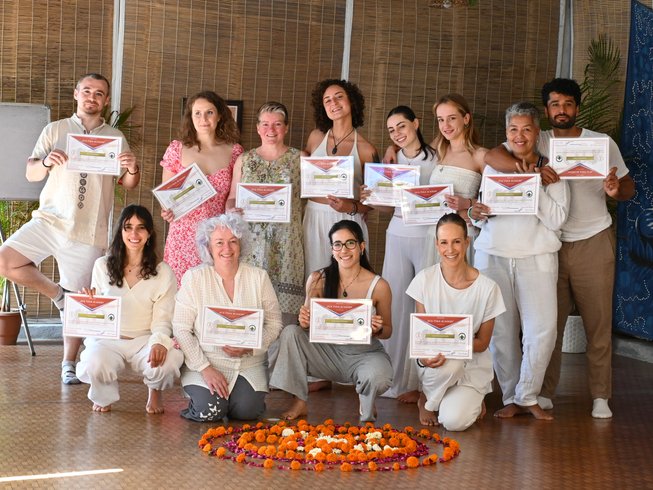
In this 200-hour yoga Teacher Training Course in India, with holistic, traditional teachings of the sacred yogic path at our core, our objective is to deliver an authentic yoga experience to students and help transform them into certified teachers, as well as experienced and passionate yoga practitioners.
Jiva Yoga Academy's comprehensive training courses are conducted by highly experienced and dedicated yoga masters who seek to infuse real traits of a yogi in those who come to practice and study yoga at Jiva Yoga Academy. We believe in sharing the yoga system in a way that brings proper balance between the bodies, minds, and souls of our students so that they may bring more happiness, stability, and peace into their lives.
By completing this course, you will be able to teach yoga and offer your future students basic insights into balancing the doshas, correct eating habits for the body types, and how to bring the body back into homeostasis through natural means.
The 200-hour yoga teacher training course is designed for practitioners who are at a beginner, intermediate or advanced level of practice. The course lays equal emphasis on yoga asana practice, meditation, pranayama, spiritual, and scientific aspects of yoga.
The course follows high-quality standards by including subjects such as asanas, pranayama, kriyas, chanting, mantra, meditation, anatomy and physiology, yoga philosophy/ethics/lifestyle, and other time-honored yoga techniques.
You will be guided by traditional yogis who have mastered their practice and have shared the yogic lifestyle with hundreds of students worldwide.
Alignment and adjustment: Master the alignment of over 50 asanas and learn how to help your students get deeper into a posture through adjustment. How to become flexible through adjustment? You will learn the benefits, precautions, methodology, and correction of asanas in this class.
Teaching methodologies: Learn how to motivate your students by teaching allusively to the range of abilities that you are faced with.
Class sequencing and a practical assessment: Learn appropriate and effective sequencing of classes and conduct a class of your own in a friendly and safe environment.
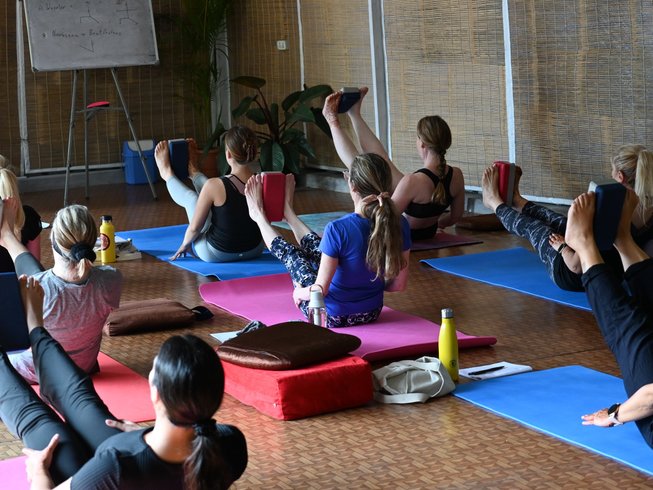
Hatha Yoga
During this course, students will learn the following Hatha yoga postures: sun salutation, moon salutation, Tadasana, Malasana, Pwan muktasana, Trikonasana, Parivrit trikonasana, Triyak tadasana, Garudasana, Parsvakonasna 1, Parsvakonasna 2, Parivarit parsvakonasana 1, Parivarit parsvakonasana 2, Virbhadrasana 1, Virbhadrasana 2, VirBhadrasana 3, Ek padasana, Ardh chandarasana, Chadra namaskarasna, Pranamasana, Urdhava vrikshasana, Hast uttanasana,Pad hastasana, Ashva sanchalan asana, Santulanasana, Dandasana, Ashtang namaskara asana, Bhujangasana, Parvatasana, Balasana, Shashank asana, Savastikasana, Sukhasana, Padmasana, Siddhasana, Adhomukha sukhasana, Parivarit sukhasana, Uttkat konasana, Parsvottanasana, Hanumanasna, Hanuma dandasana, Baddh konasana, Raj kapotasana, Matsyasana, Setu bhandhasana, Ustrasana, Salbhasana, Vajrasana, Ardh matsyendrasana, Sarpasana, Parighasana.
Ayurveda
Ayurveda is a more than 10,000-year-old system of natural healing that has its origins in the Vedic culture of India. although suppressed during years of foreign occupation, Ayurveda has been enjoying a major resurgence in both its native land and throughout the world.
Tibetan medicine and traditional Chinese medicine both have their roots in Ayurveda. Early Greek medicine also embraced many concepts originally described in the classical Ayurvedic medical texts dating back several thousands of years. During the course you will explore the following aspects of this amazing healing modality:
- ayurvedic philosophy & history
- exploring doshas and the elements
- diagnostic techniques of imbalances and disease
- pathology of disease
- body constitutions
- balancing the doshas
- panchkarmas
- ayurvedic diet
- daily habits to balance energies
- prevention and maintenance of health
Ashtanga Yoga
Ashtanga Vinyasa Yoga is a dynamic and physically demanding style of yoga that synchronizes breath with movement through a specific sequence of postures. It is often referred to simply as "Ashtanga Yoga" and was popularized by Sri K. Pattabhi Jois in the 20th century. The practice is known for its rigorous sequences, which build strength, flexibility, and stamina.
Key Features of Ashtanga Vinyasa Yoga
Structured Sequence
Ashtanga Vinyasa Yoga is based on a set sequence of postures, known as "series." Practitioners follow the same sequence in each session, allowing them to develop familiarity and mastery over time.
Vinyasa
The term "Vinyasa" refers to the flow of movement coordinated with breath. In Ashtanga, each movement is linked to an inhalation or exhalation, creating a smooth, flowing practice that generates heat and purifies the body.
Six Series
Ashtanga Yoga is divided into six series:
- Primary Series (Yoga Chikitsa): Focuses on detoxification and alignment.
- Intermediate Series (Nadi Shodhana): Works on purifying the nervous system and opening energy channels.
- Advanced Series A, B, C, D (Sthira Bhaga): Highly advanced postures that require significant strength, flexibility, and stamina.
During the 200 Hour Yoga TTC, Jiva Yoga Academy teach Primary Series
Drishti (Gaze)
In Ashtanga, each posture is associated with a specific drishti, or gaze point. This helps focus the mind and maintain concentration during the practice.
Ujjayi Breath
The practice emphasizes the use of Ujjayi breathing, a deep, audible breath that creates internal heat, aids in concentration, and maintains a steady rhythm throughout the practice.
Physical and Mental Benefits
Ashtanga Vinyasa Yoga builds strength, flexibility, and endurance while also promoting mental clarity, focus, and inner calm. The repetitive nature of the sequences fosters a meditative state and deep self-awareness.
Who Can Practice Ashtanga Vinyasa Yoga?
While Ashtanga Yoga is physically demanding, it is accessible to practitioners of all levels with modifications. Beginners often start with the Primary Series and gradually progress as they build strength and flexibility. Commitment and regular practice are key components of the Ashtanga tradition.
Hatha Yoga
Hatha Yoga has its roots in ancient Indian traditions and is mentioned in classical texts like the Hatha Yoga Pradipika, Gheranda Sanhita, and Shiva Sanhita. These texts outline the principles and practices of Hatha Yoga, including asanas, pranayama, mudras (hand gestures), and bandhas (energy locks). Hatha Yoga promote overall health and well-being. Its focus on balance, alignment, and mindful breathing makes it an excellent choice for anyone looking to improve their physical fitness, mental clarity, and emotional resilience.
Key Features of Hatha Yoga
Physical Postures (Asanas)
Hatha Yoga emphasizes the practice of asanas, which are designed to align the body, improve flexibility, build strength, and promote overall well-being. The postures are typically held for longer periods, allowing practitioners to deepen their stretch and focus on proper alignment.
Balance and Harmony
The word "Hatha" is often interpreted as "ha" (sun) and "tha" (moon), symbolizing the balance of opposing forces in the body and mind, such as strength and flexibility, effort and relaxation, and activity and rest. Hatha Yoga aims to harmonize these elements to achieve a balanced state of being.
Gentle and Accessible:
Hatha Yoga is known for its gentle and accessible approach, making it suitable for practitioners of all levels, including beginners. Classes typically move at a slower pace, allowing time for proper alignment, breath awareness, and mental focus.
Holistic Approach
Hatha Yoga is not just about physical exercise; it encompasses a holistic approach to health and well-being. It encourages practitioners to adopt a balanced lifestyle that includes proper diet, ethical behavior, and mental discipline.
Benefits of Hatha Yoga
- Physical Health: Improves flexibility, strength, posture, and balance.
- Mental Clarity: Enhances concentration, focus, and mindfulness.
- Stress Relief: Reduces stress, anxiety, and tension through relaxation techniques.
- Emotional Well-being: Promotes emotional balance and a sense of inner peace.
- Spiritual Growth: Provides a pathway to self-awareness, self-discipline, and spiritual development.
Who Can Practice Hatha Yoga?
Hatha Yoga is suitable for everyone, regardless of age, fitness level, or experience. It is particularly beneficial for beginners who want to build a solid foundation in yoga, as well as for those seeking a slower, more meditative practice.-Pranayama
Jiva Yoga Academy teaches ancient yogic breathing technique that is used as preparation for meditation and is a vital aspect of practicing yoga so they offer to their students Ujjayi, Kapal Bhati, Nadi shodan, Anulom vilom, Bhramari, Bhastrika, Shitkari, Surya bhedi.
Meditation
- Silence practice
- Ajapa jap
- Mona
- Tratka
- Developing concentration
Yogic philosophy
During this course you will focus on the following points:
- What is yoga?
- Patanjali yoga sutra
- Yama
- Niyama
- Asana
- Pranayama
- Pratyahara
- Dharna
- Dhyana
- Samadhi
- Karma yoga
- Bhakti yoga
- Sankhya yoga
- Raj yoga
- Nada yoga
- Hatha yoga
- Gyan yoga
- Three heterodox scripture
- Six orthodox scripture
- Four Vedas
- Five bodies
- Mantras explanation
- Bhagavad Gita
- How to control the mind
- How to karma work
Yoga cleansing
- Jalaneti
- Rubber neti
- Shankha prakshalana
- Laghu shankha prakshalana
- Kunjar kriya
- Vaman kriya
- Kapal bhati
- Basati kriya
Anatomy
Students will learn muscles, bones, fascia, and joint movement of the body, and how it applies to movement of the body from asana to asana. The proper understanding of the physical body will help to prevent injury before, during, and after practice. You will focus on the following points:
- Nervous system
- Organs
- Bodily system
- Nadi
- Digestive system
- Circulatory system
- Respiratory system
- Endocrine system
- Skeletal system
- Muscular system
- Joint movement
- Muscle functions
Guidelines
It is advisable to arrive at Jiva Yoga Academy the day prior to the course so you can be fresh and well-rested for beginning your Yoga training. During your stay at Jiva Yoga Academy strictly prohibited the consumption of meat (including fish and sea fruits), eggs, tobacco, alcohol, drugs, or any intoxicating substances.
Silence and inner focus are the prevailing climates while in the yoga hall. Treat others as you would like to be treated yourself: with respect, openness, kindness, and love. Avoid criticizing or gossiping about other people.
Don’t say anything about someone in their absence that you would not say in their presence. It is pure wisdom not to criticize others or the world. We each contribute to a harmonious clean atmosphere in the class.
Be open to honest feedback and guidance. This refines and matures both yourself and the teacher. True communication uplift, inspire and nurture the spirit. Students must be present at least 5 minutes before starting the class. Being late might be detrimental to your learning, and may disturb others as well as the class flow.
Switch off your mobile phones or tablets during any class!
It’s mandatory to participate in all the classes, as 95% attendance it’s a must for graduating from the course. In case you might feel sick you must inform us. All articles must be returned to their designated places and it’s strictly prohibited to take out anything from the yoga hall which doesn’t belong to you.
Please refrain from giving things to the staff, like money, clothes, etc. without consulting the director of the Yoga School. Kindly follow the given timings for breakfast, lunch, and dinner, and in case you skip any meal, make sure to inform us in advance so we can avoid waste. It is strictly forbidden to eat or drink (except water) inside the yoga hall.
Do not be quick to become involved in personal relationships and avoid superficial interactions that arise merely out of habit. These can easily take your attention away from the purpose of joining this course. Remember why you are here! In case you have any physical issues, you should inform the Pranayama and Yoga asanas teachers before starting the class!
If you are currently receiving or have previously received any medical treatment or therapy for issues related to mental health, this program may not be suitable for you. If you have a history of serious mental health conditions, it is not advisable to attend the Yoga program without ensuring it is reasonably safe to do so; for this, please check with a specialist healthcare practitioner whether attending the Yoga program is suitable for you at this time. Please consult with Jiva Yoga Academy before booking the yoga program.
Payment
- The integral payment must be completed latest on the first day, on arrival
- The booking amount is non-refundable
- In case you can not attend the course due to some reason, Jiva Yoga Academy offers you the possibility to join the next available course within one year's calendar
Instructors

Vikash Kumar
Vikas is an accomplished teacher of both Ashtanga and Hatha yoga with over 7 years experience as a teacher and lifelong learner of the yogic lifestyle. During the course, he will offer friendly expert insights to yoga philosophy and Hatha yoga, where you will learn proper adjustment and alignment of the postures. Vikas is hardworking, sincere, confident, and an enthusiastic person - his charisma and fun nature is infectious! He has strong willpower and he is always ready to learn new things. Vikas believes in teamwork and prides himself on adapting to any environment or student need with ease.

Pritam Singh Rawat
Yogi Pritam is a Hatha Yoga certified Instructor with considerable experience of teaching and practicing yoga is a gentle soul. His sheer inclination towards spirituality and absolute precision in teaching creates an ambiance of harmony and love.Pritam is also a practitioner of acupressure since he acquired the knowledge and certification long ago. Due to his knowledge of acupressure other healing sciences and under the guidance of masters, his approach is basically therapy based. He is also versed in Ashtanga Vinyasa Yoga.
Location
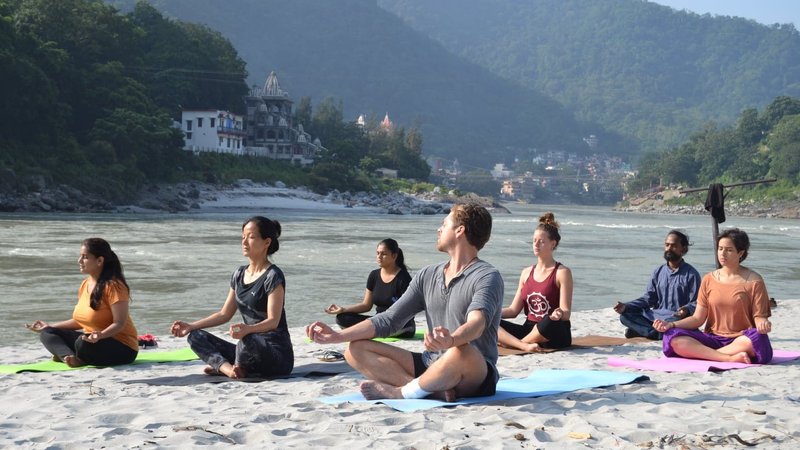
The yoga school is located in Rishikesh, a city in India known as “the yoga capital of the world.” It is located at a premier location, seven minutes walking from the River Ganga and thirty minutes driving towards to the waterfall. Other touristic shopping places are very close to here. Enjoy a comfortable and peaceful stay within serene surroundings during your yoga teacher training in Rishikesh.

Food
Jiva Yoga Academy offers a delicious and nutritious daily menu prepared on-site for students. All meals are vegetarian and they also cater to vegan diets. Fresh vegetables, nourishing curries and soups alongside rice and flat bread (chapati).
The chefs are passionate about cooking and serving traditional Indian food.
Dishes include:
- Aloo Jeera
- Muesli
- Daal
- Sprouts
- Baingan Bharta
- Matar Paneer
- Pasta with boiled veg
- Aloo mushroom
- Spinach (saag)
- Paratha, Poori, Chapati
- Fruit salad
- Banana smoothie
Nourishing meals are vital for student performance throughout the Jiva Yoa Academy teacher training. Between classes, enjoy chai, herbal tea and coffee.
The following meals are included:
- Breakfast
- Lunch
- Dinner
- Snacks
The following drinks are included:
- Water
- Coffee
- Tea
- Detox juices
The following dietary requirement(s) are served and/or catered for:
- Vegetarian
- Vegan
- Gluten Free
- Raw food
- Yogic
- Ayurvedic
Things to do (optional)
- Camping
- Cliff jumping
- Flying fox
- Kayaking
- Mountain biking
- Rappelling and rock climbing
- Ayurvedic therapy
- Bungy Jump
- White river rafting
What's included
- 24 nights accommodation
- All daily three meals (breakfast, lunch, supper) and chai/coffee/tea, are well balanced for the yogic lifestyle and made from local, nutritious and seasonal foods
- Yoga materials like a yoga mat, Neti pot, rubber Neti, notebook, textbook
- Free Wi-Fi
- Pick up from Dehradun Airport (DED)
What's not included
- Airfare
- Personal expense
How to get there
Recommended Airports
Transfer included
Jolly Grant Airport
15 km away from your destination
Arrival by airplane
New Delhi (Indira Gandhi International Airport) is the closest international airport to Rishikesh. Rishikesh is around 240 km from Delhi, and some options for travel from Delhi to Rishikesh are to take a domestic flight, train, or taxi.
The best option is to take a domestic flight to Jolly Grant Airport (DED), which is approximately 21 km from Rishikesh. Pick up from this airport is included in the price. A good website to find domestic flights is Cleartrip. Please note that usually, domestic flights allow only 15 kg check-in and 7 kg cabin baggage.
Arrival by bus
Second good option is traveling by Governmental bus. From the airport you need to take a taxi or metro to "Kashmiri Gate" and from there are so many buses going to Rishikesh; it will take around 6 hours to Rishikesh. You can book a seat here.
Arrival by train
From Delhi you can travel by train to Haridwar Junction or Rishikesh Railway Station, Haridwar is around 21 km from Rishikesh. The train tickets are reserved well in advance. You can register with Indian Railways and reserve a train ticket here. Tickets can also be reserved at travel websites such as Cleartrip, after registration with Indian Railways.
Arrival by taxi
From Delhi Airport into Delhi:
You can buy a prepaid ticket at the official taxi counters inside the airport. Look for the “Prepaid Taxi” sign just outside of baggage claim, but still inside the airport.
Important! Be sure to receive clear instructions from your taxi company about how to correctly identify your driver. There have been reports that other taxi drivers may pretend that they have come to pick you up - they may even know your travel details or have a story about how the original driver could not come.
Metro: The Airport Express Metro Line runs from 4:45 - 23:15 and should take around 25 minutes to New Delhi Metro Station. Airport Metro is the most convenient way to reach New Delhi Railway station.
Getting about in Rishikesh
By auto-rickshaw
Auto-rickshaws are a reasonable means of transportation and they often pass the main road. They provide very cheap transportation whether you choose a private one, or join a ‘Shared Rickshaw’, which transports many passengers. Rickshaws usually run until 21:00. If you plan to stay out late, make sure you arrange a vehicle in advance.
On foot
Rishikesh is a lovely place to discover on foot. Ram Jhula and Lakshman Jhula are within walking distance from each other and it’s a beautiful walk along the banks of the Ganga. Women are strongly advised not to walk alone, especially after sunset. In the evening it is generally better to move as a group and with male companions.
Cancellation Policy
- A reservation requires a deposit of 30% of the total price.
- The deposit is non-refundable, if the booking is cancelled.
- The rest of the payment should be paid on arrival.

Reviews
No reviews yet
For this organizer you can guarantee your booking through BookYogaTeacherTraining.com. All major credit cards supported.
Similar Yoga Teacher Training you might like
You recently viewed