
22 Day 200-Hour Multi-Style Yoga Teacher Training in India
Yoga Teacher Training in Havelock Island, Andaman and Nicobar Islands
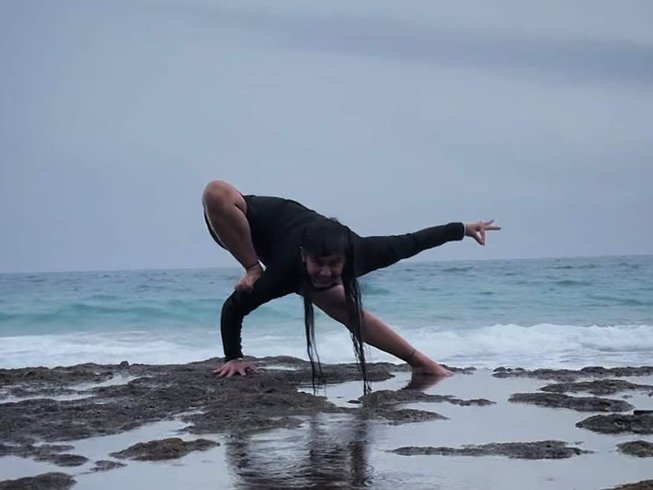
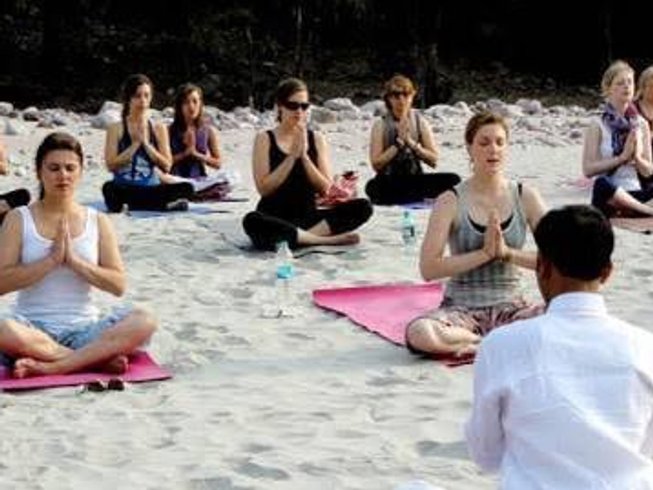
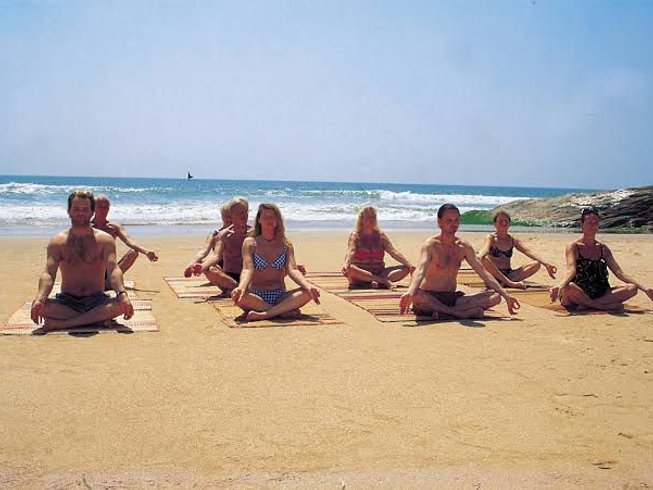
Explore Hatha, Ashtanga, and Vinyasa in a tropical environment. This course is carefully crafted for individuals with diverse aspirations, bringing together the best of both worlds: a yoga teacher training experience set in a tropical paradise. If you dream of becoming a certified yoga teacher and yearn to immerse yourself in the serenity of a tropical retreat, this course is tailor-made for you. Pyramid Yogshala's comprehensive curriculum, led by experienced and passionate instructors, will equip you with the knowledge and skills needed to confidently guide others on their yoga journey.
Meet the instructors
Highlights
- Asana, pranayama, mantra chanting
- Yoga philosophy
- Teaching methodology
- Ayurveda workshop
- Banana boat trip
- Eligibility to register with Yoga Alliance upon completing the course
- 21 nights accommodation
- Meals
Skill level
- Beginner
- Intermediate
- Advanced
Types
20 days with instruction in English
Accommodation
Facilities
- Air-conditioned rooms
- Bar
- Restaurant
- Yoga studio
- Free Wi-Fi
During your yoga teacher training course, you will stay at the Lemon Grass Yoga Retreat Center in Havelock Island, India. The center is located on a beautiful beach, surrounded by coconut trees and offering stunning views of the turquoise blue waters of the Andaman Sea.
The center has a variety of accommodation options, including private rooms, dormitory-style rooms, and family suites. All rooms are equipped with air conditioning, ensuite bathrooms, and free Wi-Fi.
The center also has a number of facilities, including a yoga studio, a meditation room, a restaurant, and a bar. There are also a variety of activities available, such as yoga classes, meditation sessions, beach walks, and boat trips.
The Lemon Grass Yoga Retreat Center is the perfect place to relax and rejuvenate while you learn about yoga and meditation. The beautiful surroundings and the friendly staff will make you feel at home.
Program
Welcome to Pyramid Yogshala’s 22-day 200-hour yoga teacher training course in Havelock Island, Andaman and Nicobar. Their beautiful retreat center is located on a private beach, and they offer double and private rooms with air conditioning. They also provide three vegan or vegetarian meals per day, and all meals are included in the program price.
Their program is a multi-style course that includes Hatha, Ashtanga, and Vinyasa yoga. They also cover a variety of other topics, including mantra chanting, anatomy, yoga philosophy, meditation, adjustment and alignment, pranayama, and shatkriya.
Their goal is to provide you with the skills and knowledge you need to become a confident and effective yoga teacher. They believe that yoga is a powerful tool for physical, mental, and spiritual well-being, and they are committed to helping you share this gift with others.
For the adventurous travelers seeking an intense yoga retreat in the heart of tropical South Asia, look no further. Havelock Island offers the perfect backdrop for self-discovery and rejuvenation. Surrounded by pristine beaches and lush greenery, this paradise is an idyllic setting to deepen your practice and connect with nature on a profound level.
If you seek a traditional YTTC experience in India but desire an alternative to the bustling scenes of Rishikesh and Goa, Pyramid Yogshala's Havelock Island course is your oasis of authenticity. Rooted in the rich heritage of yoga, they embrace the traditional teachings while infusing modern elements to meet the evolving needs of aspiring teachers.
Whether you’re a seasoned yogi or just beginning your journey, this 22-day 200-hour YTTC in Havelock Island is designed to accommodate all levels of experience. Embark on this soul-stirring adventure, where yoga, nature, and self-realisation converge, leaving you with cherished memories and a profound transformation that will last a lifetime.
Join this extraordinary voyage and delve into the depths of yoga amidst the tropical splendor of Havelock Island.
This teacher training course is especially tailored for couples and solo travelers.
Certifications
Students who complete the training are eligible to register with Yoga Alliance as Registered Yoga Teachers (RYT®).
Specialists in yoga teacher training
Pyramid Yogshala is dedicated to nurturing and empowering the next generation of yoga teachers, providing them with comprehensive and transformative training experiences. Their team of highly skilled and experienced yoga instructors is committed to guiding aspiring teachers through an enriching journey of self-discovery and knowledge.
With a curriculum that combines ancient wisdom with modern techniques, their yoga teacher training programs offer a holistic approach, covering various styles of yoga, meditation, pranayama, anatomy, and teaching methodology. Whether you’re a beginner or an experienced practitioner, their tailored programs cater to all levels, ensuring that each participant develops a deep understanding of yoga’s true essence.
Join Pyramid Yogshala and embark on an inspiring voyage towards becoming a confident, compassionate, and proficient yoga teacher. Unfold your potential, share the gift of yoga, and make a positive impact on lives around the world.
This program is designed to be both comprehensive and challenging. All of the essential topics that yoga teachers need to know will be covered, and students will be provided with plenty of opportunities to practice and learn.
Here is a brief overview of what you can expect to learn in this program:
- Asana: a variety of asanas, including standing poses, seated poses, backbends, twists, and inversions. You will also be taught how to modify poses for different levels of experience and ability.
- Pranayama: different pranayama techniques such as deep breathing, diaphragmatic breathing, and alternate nostril breathing. You will also be taught how to use pranayama to improve your physical and mental health.
- Yoga philosophy: the history of yoga, the different schools of yoga, and the key concepts of yoga philosophy, such as the eight limbs of yoga and the five yamas and niyamas.
- Teaching methodology: how to teach yoga. You will also be taught how to create a safe and effective yoga class, how to sequence poses, how to modify poses, and how to give verbal cues.
- Other topics: mantra chanting, anatomy, Ayurveda, and meditation
Benefits of attending
There are many benefits to attending this yoga teacher training program. Here are just a few:
- Learn from experienced instructors: Pyramid Yogshala's instructors are all experienced yoga teachers who are passionate about sharing their knowledge with others.
- Practice in a beautiful setting: the retreat center is located on a private beach in Havelock Island, Andaman and Nicobar Islands. The setting is beautiful and inspiring, and it provides a perfect environment for learning yoga.
- Make new friends: you will have the opportunity to meet other yoga enthusiasts from all over the world. This can be a great way to make new friends and build a network of support.
- Gain the skills and knowledge you need to become a yoga teacher: the program will provide you with the skills and knowledge you need to become a confident and effective yoga teacher.
Here is a detailed overview of the program:
Pranayama
Pranayama is a set of yogic techniques and practices generally defined as breath control and is on its own considered a science.
Here are what you’ll learn on the subject:
- Introduction of pranayama
- Benefits of pranayama
- The pranic body
- Prana and lifestyle
- Breath, health, and pranayama
- Pranayama and spiritual development
Techniques:
- Kapala-bhati (frontal brain cleansing)
- Nadi-sodhanam (psychic network purification)
- Bhastrika (bellows breath)
- Ujjayi (the psychic breath)
- Sheetatli (cooling breath)
- Sheetkari (hissing breath)
- Bhramari (humming bee breath)
- Surya-bheda (vitality stimulating breath)
Mudras and bandhas
Mudras and bandhas are two important aspects of yoga that can help to improve one’s physical, mental, and emotional health. Mudras are hand gestures that are said to have a variety of benefits, including stimulating the chakras, balancing the doshas, and improving concentration. Meanwhile, bandhas are subtle locks that are used to control the flow of prana (life force energy) through the body.
The four bandhas that will be taught in the module are:
- Mula bandha: the root lock, which is located at the base of the spine. It is said to help to improve digestion, strengthen the pelvic floor, and increase energy levels.
- Uddiyana bandha: the abdominal lock, which is located in the abdomen. It is said to help to improve digestion, reduce stress, and increase lung capacity.
- Jalendra bandha: the chin lock, which is located at the base of the throat. It is said to help to improve concentration, reduce stress, and improve the voice.
- Maha bandha: the great lock, which is a combination of mula bandha, uddiyana bandha, and jalandhara bandha. It is said to have a powerful effect on the body and mind, and is said to be able to help to reverse the aging process.
The main yoga mudras that will be taught in the module are:
- Chin mudra: this mudra is formed by placing the tip of the index finger on the tip of the thumb. It is said to help to improve concentration, reduce stress, and improve the voice.
- Gyan mudra: this mudra is formed by touching the tip of the index finger to the tip of the middle finger. It is said to help to improve concentration, reduce stress, and promote spiritual development.
- Dhyana mudra: this mudra is formed by touching the tips of the index finger and the thumb together, with the remaining fingers extended. It is said to help to promote meditation and concentration.
- Prana mudra: this mudra is formed by touching the tips of the thumb and the ring finger together, with the remaining fingers extended. It is said to help to improve circulation, reduce stress, and promote longevity.
The module on mudras and bandhas will provide students with a comprehensive understanding of these important aspects of yoga. Students will learn the correct way to perform each mudra and bandha, as well as the benefits of each practice. The module will also include a number of practical exercises that students can use to improve their practice.
Mantra chanting
Mantras are sacred sounds or words that are believed to have spiritual or healing power. They are often chanted or sung as part of yoga practice, and they can be used to focus the mind, promote relaxation, and connect with the divine.
The best way to learn how to chant mantras is to practice. During the mantra module, students will have the opportunity to practice chanting different mantras in a safe and supportive environment.
Here is a glimpse of what you’ll learn:
Introduction to mantras
- What are mantras?
- The different types of mantras
- The meaning of mantras
Chanting techniques
- Correct pronunciation
- Breath control
- Visualization
Practicing mantra chanting
- Chanting different mantras
- Integrating mantra chanting into yoga practice
Kriya and shatkarma (the six purification methods of Hatha yoga)
Shatkarma is the Sanskrit term for one of the six yogic purification techniques (kriyas), as outlined in the “Hatha Yoga Pradipika.” The purpose of these cleansing techniques is to keep the body strong, clean, and healthy. They remove toxins and anything blocking the flow of prana in the body.
Practicing shatkarmas internally purifies the body, and makes pranayama and meditation practice easier by preparing the body to perform these practices without distraction, discomfort, or fatigue. This is a traditional yogic cleansing technique which is very effective and good to remove many illnesses and open the body blockages. You’ll learn:
- Jal neti
- Rubber neti
- Kunjal
Hatha yoga
The Indian traditional yoga style is called “Hatha” (“ha” means sun while “tha” means moon,) unifying the sun and the moon within (yin and yang). It’s a physical method for preparing and maintaining the body, providing stamina, flexibility, balance and strength. This is the most traditional, popular and beneficial yoga style.
What you’ll practice:
- Joints warm ups (pawanmuktasana series A, B, and C)
- Surya namaskar (sun salutation) and chandra namaskara (moon salutation)
- Yoga mudrasana
- Matsyasana
- Gupta padmasana
- Baddha padmasana
- Kukkutasana
- Garbhasana
Backward bending asanas
- Saral bhujangasana (easy cobra pose)
- Bhujangasana (cobra pose)
- Tiryaka bhujangasana (twisting cobra pose)
- Sarpasana (snake pose)
- Ardha shalabhasana (half locust pose)
- Shalabhasana (locust pose)
- Saral dhanurasana (easy bow pose)
- Kandharasana (shoulder pose)
- Ardha chandrasana (half moon pose)
- Setu asana (bridge pose)
- Gomukhasana (cow’s face pose)
Forward bending asanas
- Paschimottanasana (back stretching pose)
- Gatyatmak paschimottanasasna (dynamic back stretch pose)
- Pada prasar paschimottanasana (legs spread back stretch pose)
- Janu sirsasana (head to knee pose)
- Ardha padma paschimottanasana (half lotus back stretching pose)
- Hasta padangusthasana (finger to toe stretch)
- Padahastasana (hand to foot pose)
- Sirsha angústia yogasana (head to toe pose)
- Utthita janu sirsasana (standing head between knees pose)
Spinal twisting and advanced asanas
- Ardha matsyendrasana (half spinal twist)
- Parivrtta janu sirsasana (spiraled head to knee pose)
- Poorna bhujangasana (full cobra pose)
- Kurmasana (tortoise pose)
- Poorna salabhasana (full locust pose)
- Poorna dhanurasana (full bow pose)
- Dhanur aakarshan-asana (archer’s posed)
- Chakrasana (wheel pose)
- Hanumanasana (leg splitting pose)
- Poorna matsyendrasana (full spinal twist pose)
- Mayurasana (peacock pose)
- Padma mayurasana (lotus or bound peacock pose)
- Gorakshasana (yogi Gorakhnath’s pose)
- Astavakrasana (eight-twists pose)
- Vrschikasana (scorpion pose)
- Inverted pose, balancing pose and core pose
Ashtanga Vinyasa
An intensive and integral part of yoga, Ashtanga yoga style requires deep commitment and self-practice to achieve the goal. The Pyramid’s yoga instructors are experienced teachers and advanced practitioners of the Ashtanga style and will guide you safely through the hardest postures. you’ll learn the complete Led primary series:
Warm up sequences:
- Surya namaskar A
- Surya namaskar B
- Standing poses
- Hasta padangusthasana and pada hastasana
- Utthita trikonasana
- Parivrtta trikonasana
- Utthita parsvakonasana
- Parivrtta parsvakonasana
- Prasarita padottanasana A, B, C, and D
- Utthita parsvottanasana
- Utthita hasta padangusthasana
- Utthita parshwa sahita
- Utthita eka padasana
- Ardha baddha padmottanasana
- Utkatasana
- Virabhadrasana A, B, and C
- Paschimottanasana A, B, and C
- Purvottanasana
- Ardha baddha padma paschimottanasana
- Tryang mukha eka pada paschimottanasana
- Janu sirsasana A, B, and C
- Marichyasana A, B, and D
- Navasana
- Lolasana
- Bhujapidasana
- Kurmasana
- Garbha pindasana
- Kukkutasana
- Baddha konasana A and B
- Konasana A and B
Intermediate asanas
- Salabhasana A and B
- Dhanurasana
- Ustrasana
- Kapotasana A and B
- Supta vajrasana
- Bakasana A
- Bakasana B jump
- Ardha matsyendrasana
- Yoga nidrasana
- Tittibhasana
- Pincha mayurasana
- Vatayana asana
- Gomukhasana A and B
- Hasta sirsasana (head stand)
Advanced A (optional)
- Kasyapa asana
- Bhairava asana
- Urdhva kukkutasana A
- Galavasana
- Eka pada viparita dandasana
- Viparita salabhasana
- Gandha bherundasana
- Hanumanasana
- Natarajasana
- Raja kapotasana
Teaching methodology and adjustment
During these classes, you will learn how a perfect posture should be. You will also learn how to connect with your future students through correct class verbal guidance and touch adjustment, and about recurrent yoga injuries and how to prevent them. Teaching methodology is one the most important parts of the course as students will learn the following:
- How to conduct a class
- Classroom management
- How to get into and come out of the posture
- How to assist and help while teaching the class
- Which kind of words you should be using as a yoga teacher
- What makes you different than other teachers in terms of teaching
- Which kind of asanas you should recommend for those with different health issues
- How to use belts, bolster, bricks, and chair during the class adjustment
Yoga philosophy
The history of yoga, the sutras of Patanjali and the importance of yoga and its origins in India, are the subjects of these classes and lectures. A question and answer session will be performed in every class so doubts can be addressed, and students can deepen their knowledge about yoga.
Yoga anatomy
Anatomy classes expose how the body, bones, inner systems, and respiration are affected by asanas and the flow of breath. To know the basic structure and function of the organs and systems is very important to practitioners, so that their work as yoga teacher can be safe and beneficial to future students. These are what you’ll learn:
- Complete body anatomy
- Skeleton system
- Muscular system
- Circulatory system
- Nervous system
- Respiratory system
- Endocrine system
- Joints and movement
Meditation
The meditation module of this 200-hour YTTC is designed to provide students with a comprehensive understanding of the different types of meditation and how they can be used to improve one’s physical, mental, and emotional health. The course will cover a wide range of topics, including:
- The history and philosophy of meditation
- The different types of meditation, such as mindfulness, trataka, and japa
- The benefits of meditation for physical and mental health
- How to teach meditation to others
The course will also include a number of practical exercises, such as guided meditations and pranayama (breathing exercises). These exercises will help students to develop their own meditation practice and to experience the benefits of meditation firsthand.
The yoga Nidra component of the course is particularly important, as it is a powerful tool for relaxation and stress relief. Yoga Nidra is a guided meditation that allows the practitioner to relax deeply and access the subconscious mind. This can be a very beneficial experience, as it can help to release tension, improve sleep, and promote overall well-being.
Overall, the meditation module of this 200-hour YTTC is a valuable addition to the course. It will provide students with the knowledge and skills they need to teach meditation to others and to experience the benefits of meditation for themselves.
Here are some additional details about the topics that will be covered in the meditation module:
- Introduction to meditation: this section will provide an overview of the history, philosophy, and benefits of meditation. Students will learn about the different types of meditation and how they can be used to improve one’s physical, mental, and emotional health.
- Mindfulness: mindfulness is a type of meditation that involves paying attention to the present moment without judgment. This can be a very helpful practice for reducing stress and anxiety.
- Nada brahma: nada brahma is a meditation technique that involves listening to the subtle sounds of the body and mind. This can be a very calming and relaxing experience.
- Metta: metta is a meditation technique that involves cultivating feelings of love, compassion, and goodwill towards oneself and others. This can be a very powerful practice for transforming negative emotions and creating a more peaceful world.
- Gratitude meditation: gratitude meditation is a practice that involves focusing on the things that one is grateful for. This can be a very helpful way to cultivate a positive outlook on life.
- Anuloma viloma with prana shuddhi: anuloma viloma is a pranayama (breathing exercise) that is often used in conjunction with meditation. This practice can help to calm the mind and promote relaxation.
- Trataka: trataka is a meditation technique that involves gazing at a fixed point. This can be a very effective way to train the mind and to develop concentration.
- Ajapa japa: ajapa japa is a meditation technique that involves repeating a mantra silently. This can be a very calming and relaxing practice.
- Antar mouna: antar mouna is a meditation technique that involves practicing inner silence. This can be a very challenging but rewarding practice.
- Japa meditation: japa meditation is a meditation technique that involves repeating a mantra aloud. This can be a very powerful way to focus the mind and to cultivate concentration.
- Yoga Nidra: yoga Nidra is a guided meditation that allows the practitioner to relax deeply and to access the subconscious mind. This can be a very beneficial experience, as it can help to release tension, improve sleep, and promote overall well-being.
Schedule
- 05:30 - Wake up
- 06:00 - 06:30 Morning tea
- 06:30 - 08:00 Hatha yoga class
- 08:00 - 09:00 Pranayama
- 09:00 - 10:30 Breakfast / tea
- 10:30 - 11:30 Mantra / anatomy / teaching methodology / adjustment
- 11:30 - 11:45 Tea break
- 11:45 - 12:45 Teaching methodology / anatomy
- 13:00 - 15:00 Lunch
- 15:30 - 16:00 Philosophy
- 16:00 - 16:30 Tea break
- 16:30 - 18:00 Ashtanga Vinyasa
- 18:00 - 19:00 Meditation / yoga Nidra
- 19:30 - 21:00 Dinner
Included excursions
- 1 jungle hike
- 1 sea walk
- 1 banana boat trip
Instructors
Yogi Buddhi Prakash Ji
He got his first experience of Samadhi at the age of 7. He had clear visions of a past life in the Himalayas. He completed his higher education from Agra University, obtaining a Master’s degree in Philosophy in 1977 as well as a Master’s degree in Yoga from Gurukul Kangri University in Haridwar in 1994. He currently teaches Meditation and Indian Philosophy in India and abroad. He also received initiation in Shankaracharya tradition through his master, Maharishi Mahesh Yogi. In 2007, he established the Prakash Yoga Seva Trust.
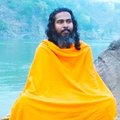
Swami Atma Jnanananda Giri Ji
Atma is old-handed in meditation and other spiritual practices. Since 10 years or more; he is giving relaxing and refreshing talks on about Bhagavat Gita, yoga, great yogic such as Lao Tzu, Jalaluddin Rumi, Boddhidharma, Buddha, Patanjali and Sri Krishna. The gentle and inspiring talks of Swami Ji helps in understanding the true meaning of yoga and its balancing impact on multiple problems. He clearly explains the Patanjali Yoga Sutras which makes a person strong, secure and self-sufficient. Swami Ji is really a kind and compassionate person with a soft & gentle voice.
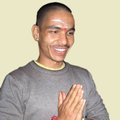
Prashant Jakhmola
Born and brought up with an aim to acquire a yogi’s profession, Yogi Prashant’s family have seen a dream for him to reach the revering heights in yoga. With a desire to fulfil his family’s dream, he stated the training in yoga at a young age and felt the flow within in a high intensity. He completed his studies at Bihar School of Yoga and learned to live the life in a disciplined, devoted and a structured manner. The same attitude is reflected in all his classes, which start with mantra chanting, take a tour to Hatha yoga asanas and end with meditations.
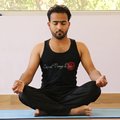
Ravi Nagar
Ravi Nagar is the founder of the Pyramid Yogshala and the co-owner of the Pyramid café with his family. He has a BA in Yoga from Haridwar University and is currently working on his Master's in Yoga. He cares deeply about offering excellent, safe, and personalized yoga education to all students, which is why he created the Yogshala. Ravi is a real yogi and not just because of his yoga practice, but because of the way he lives his life, putting his personal best in everything he does, and the graciousness he shows the people around him.
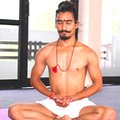
Manoj Rawat
Yoga has been Manoj’s calling since early childhood. He was introduced to yoga by his grandfather who encouraged him to follow the path of karma yoga. Later on in his life, Manoj explored Bhakti and Karma in depth to take his yoga journey further. Being born in Rishikesh he has always been absorbed in spirituality and yoga, which is why chose to share his experience through teaching. Manoj developed his practice of learning and living amongst communities of swamis and yogis. His understanding of traditional yoga grew at Swargashram, Sivananda Ashram, and Jai Ram Ashram.
Location
About the Andaman and Nicobar Islands
The Andaman and Nicobar Islands are a group of islands in the Bay of Bengal, located about 1,250 kilometers (780 miles) off the coast of India. The islands are home to a diverse range of flora and fauna, including mangrove forests, coral reefs, and a variety of marine life. They are also home to a number of indigenous tribes, many of whom still live a traditional way of life.
Havelock Island is one of the largest islands in the Andaman and Nicobar Islands. It is located in the Ritchie’s Archipelago, about 70 kilometers (43 miles) from Port Blair, the capital of the Andaman and Nicobar Islands. Havelock Island is known for its beautiful beaches, clear waters, and abundant marine life. The island is a popular destination for scuba diving, snorkeling, and other water sports.
Here are some of the things you can do on Havelock Island:
- Scuba diving and snorkeling: The waters around Havelock Island are home to a variety of coral reefs and marine life, making it a great place for scuba diving and snorkeling. There are a number of dive sites located around the island, including Radhanagar Beach, which is considered to be one of the best beaches in India.
- Relax on the beach: Havelock Island has some of the most beautiful beaches in the Andaman and Nicobar Islands. Spend your days swimming, sunbathing, and enjoying the peace and quiet of the island.
- Go on a jungle trek: The interior of Havelock Island is covered in dense jungle. There are a number of jungle treks that you can take, which will allow you to explore the island’s natural beauty.
- Visit a tribal village: There are a number of indigenous tribes living on Havelock Island. You can visit one of these villages to learn about their culture and way of life.
- Go camping: There are a number of campsites located on Havelock Island. This is a great way to experience the island’s natural beauty and get away from the hustle and bustle of everyday life.
- Go fishing: The waters around Havelock Island are teeming with fish. You can go fishing from the shore or take a boat out to sea.
- Go hiking: There are a number of hiking trails located on Havelock Island. These trails will take you through the island’s jungles, beaches, and villages.
- Go birdwatching: The Andaman and Nicobar Islands are home to a variety of birds. You can go birdwatching in the forests, on the beaches, and in the villages.
- Learn about the island’s history: Havelock Island has a rich history. You can learn about the island’s history by visiting the Havelock Island Museum or by talking to the locals.
If you are looking for a relaxing and beautiful vacation, Havelock Island is the perfect place for you. The island has something to offer everyone, from scuba divers and snorkelers to beach lovers and jungle explorers.
Here are some of the things you should know before visiting Havelock Island:
- The best time to visit Havelock Island is during the winter months (November-March), when the weather is dry and sunny.
- The island is relatively inexpensive to visit. You can find budget-friendly accommodation, food, and activities.
- There are a number of tour operators on the island that can help you plan your trip.
- The island is home to a number of indigenous tribes. It is important to be respectful of their culture and way of life.
- The island is located in a remote area. It is important to be prepared for anything, including bad weather and medical emergencies.

Food
At Pyramid Yogshala's 200-hour teacher training course (TTC) on the serene shores of Havelock Island in the Andaman and Nicobar archipelago, they believe that nourishing the body is an integral part of the yogic journey. They carefully crafted meals that provide a harmonious blend of sustenance and flavor, ensuring that you receive the essential nutrients required to support your practice and personal growth.
Start your day with a wholesome breakfast that will energize you for the day's practice. The lunches will be designed to refuel your body, while dinners will be time to unwind and rejuvenate. Pyramid Yogshala offers a complete package of three daily meals - breakfast, lunch, and dinner - each prepared with the utmost care and consideration.
Dietary choices:
Pyramid Yogshala understands the significance of individual dietary preferences and requirements. Their menu caters to a range of choices, including vegetarian and vegan options. If you follow a yogic diet, you'll find nourishing dishes that align with your practice. For those eager to explore the local flavors, they also offer island cuisine options, allowing you to savor the unique culinary delights of this tropical paradise.
Nourishment for body and soul
Food isn't just fuel. It's a conduit for connecting the physical and spiritual aspects of one's being. Pyramid Yogshala's culinary offerings are crafted with love and intention, aiming to nourish not only your body but also your soul. As you delve deeper into your yoga practice, let the food you consume become a mindful experience, fostering a deeper connection to yourself and the world around you.
Join this transformative journey, where every meal becomes a part of your holistic growth. Pyramid Yogshala looks forward to sharing nourishing moments with you amidst the beauty of Havelock Island.
The following meals are included:
- Breakfast
- Lunch
- Dinner
The following dietary requirement(s) are served and/or catered for:
- Vegetarian
- Vegan
- Yogic
Things to do (optional)
There are a lot to do and see around the area. These are not included in the price but can be arranged upon request.
- Snorkeling
- Diving
- Rent a scooter
- Beach walks
- Cliff jumping
- Ocean kayaking
- Parasailing and paragliding
- Experience the Andaman’s culture
Spa treatments
Included in this package are two deep tissue massages during your stay.
What's included
- Eligibility to register with Yoga Alliance upon completing the course
- Yoga kit - comprehensive yoga book, yoga mat, notebook and pen, yoga shirt, rudraksha meditation mala, and a bag
- All transfers from airport to resort and back to the airport
- 2 deep tissue massages during the stay
- 1 Ayurveda workshop
- 1 jungle hike
- 1 sea walk
- 1 banana boat trip
- 3 fresh delicious meals a day
- 21 nights accommodation (1 in Port Blair, 20 in Havelock)
What's not included
- Airfare
- Visa fees
- Yoga Alliance fees
- Personal expenses
- Additional activities and excursions
- Additional nights and meals
- 18% GST
How to get there
Recommended Airports
Transfer included
Veer Savarkar International Airport (Port Blair Airport)
50 km away from your destination
Arrival by airplane
Please book your flight to arrive at Veer Savarkar International Airport (IXZ). It is located in the capital town of Port Blair, which is the gateway to the Andaman and Nicobar Islands.
Port Blair is connected by air to Chennai, Kolkata, New Delhi, and Bhubaneswar. Air India, Jet Airways, Jet lite, Go Air, and Spice Jet Airlines operate regular flights to Port Blair.
Upon your arrival at the airport, a driver will be waiting for you to take you to the hotel in town where you will spend your first night.
Here are some additional details about how to reach Port Blair by plane:
The Veer Savarkar International Airport (IXZ) is located about two kilometers south of the city center. There are several airlines that offer direct flights to Port Blair from major cities in India. The flight time from Chennai is about two hours, from Kolkata is about two and a half hours, from New Delhi is about four hours, and from Bhubaneswar is about one and a half hours. The airport is open 24 hours a day. There are several options for transportation from the airport to the city center, including taxis, buses, and rickshaws.
Cancellation Policy
- A reservation requires a deposit of 30% of the total price.
- The deposit is non-refundable, if the booking is cancelled.
- The rest of the payment should be paid on arrival.

Reviews
For this organizer you can guarantee your booking through BookYogaTeacherTraining.com. All major credit cards supported.
Similar Yoga Teacher Training you might like
You recently viewed