
29 Day Holistic 300-Hour Yoga Teacher Training in Rishikesh, India
India Yoga Teacher Training in Rishikesh
Rishikesh Yogkulam is offering a comprehensive 300-hour yoga teacher's training course. The course aims to provide traditional yoga teachings, including philosophy, asana-pranayama, anatomy, meditation-breathing techniques, mantra-chanting, yoga therapy, asana lab, teaching methodology, and spiritual practices. The experienced yoga teachers at Rishikesh Yogkulam have dedicated their lives to studying yoga and meditation from reputable yoga universities. With a focus on individualized attention, the small class size allows for a close-knit learning environment. The aim is to foster a strong bond between students, teachers, and the Rishikesh Yogkulam team, creating an open and supportive atmosphere.
Meet the instructors
Highlights
- Special Yin yoga / Restorative yoga classes
- Special functional anatomy classes
- Free sound healing and kirtan session
- One special session of Ayurveda massage
- Free airport pick-up from DED Airport to Rishikesh Yogkulam
- Eligible to register with Yoga Alliance upon completion
- Daily fresh and healthy organic vegetarian / vegan / gluten-free meals
- 28 nights accommodation
Skill level
- Intermediate
- Advanced
Types
26 days with instruction in English
Accommodation
Facilities
- Shopping
- Air-conditioned rooms
- Café
- Dining area
- Kitchen
- Lobby
- Restaurant
- Smoke-free property
- Yoga shala
- Yoga studio
- ATM / banking
- Convenience / grocery store
- Currency exchange
- Dry cleaning
- Free parking
- Free Wi-Fi
- Internet access
- Ironing / ironing board
- Laundry
- Library
- Medical assistance
- Wireless internet
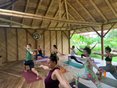
During the course, you will be staying at Rishikesh Yogkulam. The school has yoga hall, a dining area, a reception and a wonderful area surrounded by mountains. Rishikesh Yogkulam offers single and double rooms based on the student’s requirements.
Every room has an attached bathroom with a western toilet and hot shower and a balcony with a mountain view(subjective). The rooms for the yogis are well-maintained and clean. They offer bed sheets, pillows, bath towels, toilet paper, a blanket, and welcome amenities upon arrival. Good Wi-Fi is included on every floor. Water and laundry service are also available.
The location of Rishikesh Yogkulam is incredibly central, offering the utmost convenience. All the necessary amenities like an organic store, ATM, bike rentals, and renowned cafes are in close proximity. Moreover, they are just a 5-minute walk away from the hanging bridge and the sacred River Ganga, allowing easy access to their spiritual essence and tranquility.
Program
Certification
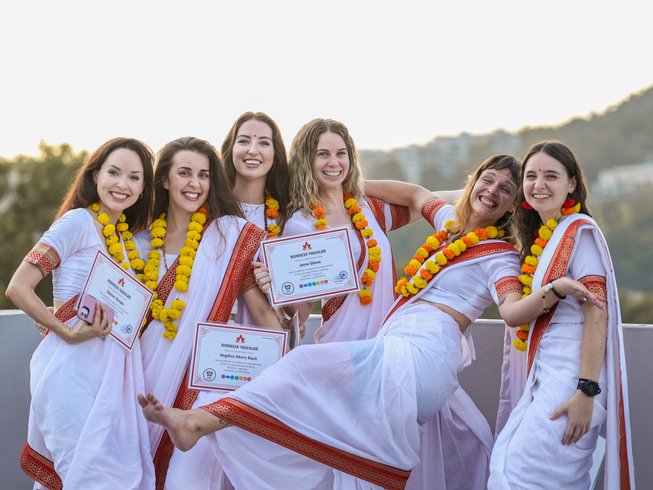
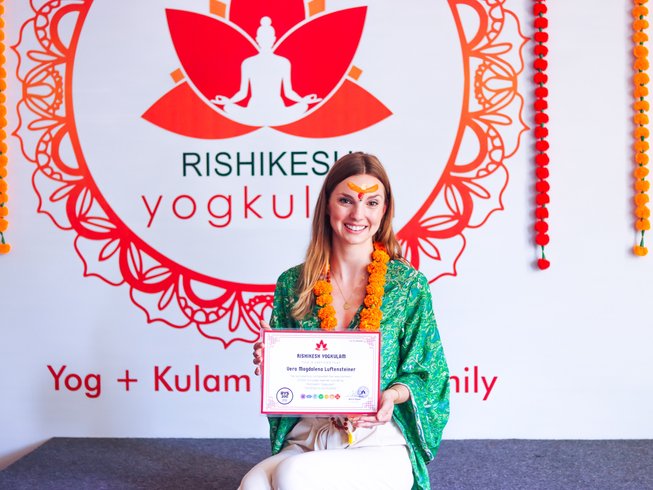
Upon successful completion of the 300-hour yoga teacher training course at Rishikesh Yogkulam, students become eligible to register with Yoga Alliance as Registered Yoga Teachers (RYT®). This registration holds immense value as it grants a globally recognized credential, affirming the student's expertise and qualification as a yoga teacher.
By becoming a Registered Yoga Teacher (RYT®) through Yoga Alliance, graduates of Rishikesh Yogkulam's 300-hour yoga teacher training course gain a competitive edge in the yogic world and join a community committed to upholding the highest standards of yoga education and practice.
Eligibility
This course is an intense teacher training programme which will unhinge your belief system, transform your body and mind, push you out of your comfort zone and is advised to intermediate and advanced students who must have previously done a 200hrs YTTC and are willing to delve into an even more transformative training.
Daily schedule
- 05:30 Morning bell
- 06:00 - 07:30 Hatha yoga
- 07:45 - 08:45 Pranayama / Shatkarma
- 08:45 - 09:45 Breakfast
- 10:00 - 11:00 Yoga philosophy
- 11:15 - 12:15 Alignment and adjustment
- 12:30 - 13:15 Yoga teaching methodology
- 13:30 - 14:30 Lunch
- 14:30 - 15:30 Self-study / rest
- 15:30 - 16:30 Yoga anatomy and physiology / yoga therapy
- 16:45 - 18:15 Ashtanga Vinyasa / Yin yoga / Restorative yoga
- 18:30 - 19:30 Meditation
- 19:30 - 20:30 Dinner
- 21:00 Lights off
Please note that the schedule may be subject to change.
This program is not suitable for severe mental / physical health conditions and thus you’re advised not to take this training as a substitute of medical therapies and alternative healing therapies
Amenities upon arrival
Rishikesh Yogkulam warmly welcomes students with a small gift of amenities. As a gesture of hospitality, they provide essential items to ensure your comfort during your stay with us. They believe in creating a nurturing and supportive environment for our students, and this small token of appreciation reflects their commitment to your well-being.
- A water bottle for keeping you hydrated throughout the day.
- A Rudraksha mala, a sacred necklace with spiritual significance, symbolizing protection and positive energy.
- A refreshing welcome drink, a delightful beverage to rejuvenate your senses upon arrival.
- A refreshing towel, offering a moment of comfort and refreshment after your travels.
- Toilet paper, ensuring convenience and hygiene during your stay.
Opening ceremony at Rishikesh Yogkulam
At Rishikesh Yogkulam, they commence the courses with a very special ritual called Hawan or Fire Ceremony. This ancient tradition holds great spiritual significance and symbolizes the purification and sanctification of the learning space.
During the Hawan, a sacred fire is lit, and Vedic mantras are chanted by experienced teachers. The fragrant smoke from the sacred herbs and offerings permeates the air, creating an atmosphere of divine energy and purity.
As participants, you will have the opportunity to offer prayers, gratitude, and intentions into the fire, aligning yourself with the transformative power of this sacred ritual. It is believed that Hawan purifies the mind, body, and spirit, setting the stage for a deep and meaningful journey of self-discovery and growth.
This auspicious ceremony not only marks the beginning of your course but also serves as a reminder of the ancient wisdom and traditions that underpin the practice of yoga. It sets the tone for a sacred and transformative learning experience, creating a harmonious connection between you, your fellow students, and the teachings of yoga.
The Hawan is a cherished tradition at Rishikesh Yogkulam, and the school invites you to embrace this sacred ritual as you embark on this profound yogic journey together.
Yoga kit to support your journey
During the orientation program, you will receive a complete yoga kit to support your journey. This carefully curated kit is designed to enhance your learning experience and provide you with essential tools for your yoga practice.
- Inside the yoga kit, you will find a comprehensive yoga manual that serves as a valuable reference throughout your course.
- Additionally, we provide you with a notebook and pen to encourage you to reflect, take notes, and capture your personal insights and experiences during the course. This serves as a valuable resource for self-reflection and integration of the teachings.
- As a proud member of Rishikesh Yogkulam, you will also receive our school's t-shirt, which symbolizes your connection to our esteemed yoga school and community.
- To support your Ashtanga Vinyasa practice, we include an Ashtanga Vinyasa chart, which serves as a visual guide to the sequence of postures. This chart aids in memorization and helps you navigate through the practice with confidence and clarity.
- In addition, Rishikesh Yogkulam provides you with a shatkarma kit, including a neti pot and rubber neti.
300-hour yoga teacher training curriculum at Rishikesh Yogkulam
The curriculum offers a holistic and enriching learning journey. It covers a wide range of yoga aspects, including asanas, pranayama, meditation, anatomy, philosophy, asana lab, yoga therapy and teaching methodologies. The curriculum aims to enhance students' knowledge, skills, and confidence, empowering them to become proficient yoga teachers. Through this comprehensive program, students can deepen their personal practice, expand their understanding of yoga principles, and develop the necessary tools to guide others on their yoga journey.
Here is an overview of the curriculum:
Asanas (yoga postures)
During the yoga teacher training program, students have the opportunity to learn and practice a diverse range of yoga asanas. The emphasis is placed on understanding proper alignment, making adjustments, and offering modifications to accommodate various body types and abilities. Students are exposed to different yoga styles, including Hatha, Ashtanga Vinyasa, Restorative, and Yin yoga, allowing them to explore and experience the unique benefits and characteristics of each style. This comprehensive approach ensures that students gain a well-rounded understanding and proficiency in a variety of yoga asanas.
Hatha yoga
- Alignment, assist, and adjustment
- Surya namaskar (sun salutation)
- Chandra namaskar (moon salutation)
- Bharadvajasana
- Lolasana - swinging pose
- Kukkutasana - rooster pose
- Sarpasana - snake pose
- Shalabhasana - locust pose
- Dhanurasana - bow pose
- Paschimottanasana - seated forward bend
- Janu sirshasana - head to knee pose
- Parivirta janu sirshasana - revolving head to knee pose
- Sarvangasana - shoulder stand
- Padam sarvangasana - shoulder stand lotus pose
- Sirshasana - Headstand
- Natarajasana - lord shiva’s pose
- Utthita hasta padangusthasana
- Naukasana - boat pose
- Vatayanasana - horse face pose
- Mayurasana - peacock pose
- Koormasana - tortoise pose
- Chakrasana - wheel pose
- Hanumanasana - monkey pose
- Agnistambhasana - fire log pose
- Brahmacharyasana - celibate’s pose
- Astavakrasana - eight-twists pose
- Ek pada sirasana - one foot to head pose
- Chaturanga dandasana
- Pincha mayurasana - feathered peacock pose
- Eka pada koundinyasana - sage koundinyasana
- Handstand - Adho mukha vrksasana
- Ardha pincha mayurasana - dolphin pose
- Makara adho mukha svanasana - dolphin plank pose
- Bakasana - crow pose
- Ek pada bakasana - one leg crow
- Utthan pristhasana - lizard pose
- Pashasana - noose pose
- Parivrtta surya yantrasana - sundial or compass pose
- Titibasana - firefly pose
- Parshva bakasana - side crow
Ashtanga Vinyasa yoga
- Surya namaskar A
- Surya namaskar B
Full Primary Series
- Padangusthasana
- Padahasthasana
- Utthita trikonasana
- Parivrtta trikonasana
- Utthita parsvakonasana
- Parivrtta parsvakonasana
- Prasarita padottanasana A B C and D
- Parsvottanasana
- Utthita hasta padangusthasana A B C and D
- Ardha baddha padmottanasana
- Utkatasana
- Virabhadrasana A and B
- Dandasana
- Paschimottanasana A B C
- Purvattanasana
- Ardha baddha padma uttanasana
- Triang mukaikapada pashimottanasana
- Janu sirsasana A B and C
- Marichyasana A B C and D
- Navasana
- Bhujapidasana
- Kurmasana
- Supta kurmasana
- Garbha pindasana
- Kukkutasana
- Baddha konasana A ,B and C
- Upavishta konasana A and B
- Supta konasana A and B
- Supta padangusthasana A and B
- Ubhaya padanghusthasana
- Urdhva mukha pashimottanasana
- Setu bandhasana
- Urdhva dhanurasana
- Salamba sarvangasana
- Halasana
- Karnapidasana
- Urdhva padmasana
- Pindasana
- Matsyasana
- Uttāna pādāsana
- Sirsasana
- Urdhva dandasana
- Baddha padmasana
- Yogimudra
- Uplutih
- Savasana
Asana lab
The asana curriculum at Rishikesh Yogkulam includes a strong emphasis on alignment and adjustment for each pose. The experienced teachers are dedicated to ensuring that you develop a solid foundation in proper alignment and receive personalized adjustments to enhance your practice.
During the training, you will learn the correct alignment principles for each asana, including the placement of the body, positioning of the limbs, and engagement of the muscles. Our teachers will guide you through detailed instructions, highlighting the key alignment points and providing modifications and variations to suit different body types and levels of flexibility.
In addition to learning about alignment, you will also receive hands-on adjustments from our skilled teachers. These adjustments are tailored to your individual needs, helping you deepen your experience in each pose, refine your alignment, and explore new levels of awareness and stability.
The teachers have a keen eye for alignment and years of experience in providing adjustments that are safe, supportive, and transformative. Through these adjustments, you will gain a deeper understanding of the subtle nuances of each asana and how to align your body optimally for maximum benefit and injury prevention.
The alignment and adjustment component of the asana curriculum at Rishikesh Yogkulam is designed to ensure that you develop a strong foundation, cultivate body awareness, and practice yoga with precision and mindfulness. By focusing on alignment and receiving personalized adjustments, you will refine your practice, deepen your understanding of the asanas, and progress towards a safe and fulfilling yoga journey.
In addition to the comprehensive curriculum mentioned earlier, you will have the opportunity to learn and practice different sequencing and poses from various experienced asana teachers. Each teacher brings their unique expertise, style, and sequencing techniques to the classroom, enriching your learning experience.
By exposing you to a diverse range of teaching styles, you will gain a broader understanding of yoga asanas and their variations. You will have the chance to explore different sequences, modifications, and progressions that can be incorporated into your personal practice and future teaching.
These variations in sequencing and poses not only help you deepen your physical practice but also expand your knowledge and creativity as a yoga practitioner and potential teacher. It allows you to explore different approaches, discover your preferences, and develop a well-rounded understanding of sequencing principles.
The guidance and expertise of multiple asana teachers create a dynamic and enriching environment, where you can learn from their unique perspectives and benefit from their individual insights. This exposure to diverse teaching styles will empower you to develop your own authentic teaching style in the future, ensuring that you can cater to the unique needs and preferences of your future students.
Pranayama (breathing techniques)
During the yoga teacher training program, students explore the art and science of breath control through the practice of pranayama. They learn and experience various pranayama techniques that are designed to enhance vitality, balance the energy body, and deepen their meditation practice.
By working with different breath patterns and mastering the regulation of breath, students develop a greater awareness of their breath and its connection to their physical, mental, and spiritual well-being. This knowledge and skill in pranayama allow them to incorporate these techniques into their personal practice and guide others in harnessing the transformative power of breath control.
Introduction to pranayama
- a. Pranayama: The science of breath control in yoga.
- b. Benefits of pranayama: Enhances vitality, balances energy, and deepens meditation.
The pranic body:
- Annamaya kosha: physical body nourished by food.
- Manomaya kosha: mental body composed of thoughts and emotions.
- Pranamaya kosha: energy body sustained by prana or life force.
- Vijnanamaya kosha: wisdom body that connects to intuition and higher knowledge.
- Anandamaya kosha: bliss body representing the highest state of consciousness.
- Natural breathing: observing and experiencing the natural flow of breath.
- Abdominal breathing: deep breathing technique using the diaphragm to expand the abdomen.
- Thoracic breathing: expanding and contracting the rib cage to facilitate deeper breaths.
- Clavicular breathing: utilizing the upper chest and collarbone area to enhance breath capacity.
- Yogic breathing: coordinating the three-part breath, involving abdominal, thoracic, and clavicular breathing.
- Nadi shodhana pranayama: alternate nostril breathing technique for balancing energy channels.
- Sheetali pranayama: cooling breath technique involving inhaling through the rolled tongue.
- Sheetkari pranayama: cooling breath technique involving inhaling through clenched teeth.
- Bhramari pranayama: bee breath technique producing a soothing hum during exhalation.
- Ujjayi pranayama: victorious breath technique characterized by a soft hissing sound.
- Bhastrika pranayama: bellows breath technique involving forceful inhalation and exhalation.
- Kapalbhati pranayama: skull shining breath technique focusing on forceful exhalation.
- Surya bheda pranayama: solar piercing breath technique involving right nostril breathing.
- Chandra bhedana pranayama: lunar piercing breath technique involving left nostril breathing.
Mudra (yogic gestures)
Mudras are ancient hand gestures practiced in yoga that influence the flow of energy in the body and can bring about spiritual and mental transformations.
- Introduction of mudras: understanding the significance and practice of hand gestures in yoga.
- Jnana mudra & chin mudra: gesture of knowledge and gesture of consciousness, respectively.
- Yoni mudra: gesture of the womb, symbolizing creation and feminine energy.
- Bhairava mudra: gesture of divine consciousness, representing the union of masculine and feminine energies.
- Hridaya mudra: heart gesture, connecting with the energy of the heart and promoting love and compassion.
- Khechari mudra: gesture involving the manipulation of the tongue, associated with activating higher consciousness.
- Nasikagra mudra: gesture of the nose tip, used for focusing the mind and enhancing concentration.
- Shambhavi mudra: eyebrow center gazing gesture, stimulating the third eye and inner perception.
Bandhas (energy locks)
Bandhas are energetic locks practiced in yoga that enhance lung capacity, improve breathing, and strengthen the body from within.
- Introduction to bandhas: Understanding the purpose and significance of energy locks in yoga.
- Jalandhara bandha: Throat lock, achieved by gently pressing the chin towards the chest, regulating the flow of energy and stimulating the thyroid gland.
- Moola bandha: Root lock, involving the contraction of the pelvic floor muscles, supporting stability and energy flow in the lower abdomen.
- Uddiyana bandha: Abdominal lock, achieved by drawing the abdomen in and up towards the spine, activating the core muscles and enhancing breath control.
- Maha bandha: The combination of Jalandhara, Moola, and Uddiyana Bandhas, performed simultaneously to awaken and balance the entire energy system of the body.
Mantra chanting (recitation of sacred sound)
Mantra chanting in yoga serves the purpose of creating powerful vibrations and fostering a connection with the universe. Each mantra carries profound spiritual energy and significance.
- Om Asato Maa Sadgamaya: A mantra from the Upanishads that invokes the aspiration for truth and enlightenment.
- Tvameva mata ca pita Tvameva: A sloka praising the divine gods and recognizing their presence in our lives.*
- Om Tryambakam Yajamahe: A mantra dedicated to Lord Shiva, emphasizing the aspects of healing and transformation.
- Om sahana vavatu: A mantra from the Upanishads that seeks protection, guidance, and unity in spiritual journey.
- Guru Brahma Guru Vishnu Gurudevo Maheshwara: A Guru Stotram that expresses gratitude and reverence to the guru, who represents the divine in our lives.
- Yogena Cittasya: A sloka attributed to Sage Patanjali, acknowledging the power of yoga in calming and focusing the mind.
- Hare Rama, Hare Krishna: The Maha Mantra that invokes the divine energy of Lord Rama and Lord Krishna, promoting spiritual awakening and devotion.
- Vakratunda Mahakaya Mantra: A mantra invoking Lord Ganesha, the remover of obstacles, and seeking blessings for auspicious beginnings.
- Om Bhur Bhuva Swaha (Gayatri Mantra): The sacred Gayatri Mantra, expressing reverence to the divine light and seeking enlightenment.
By chanting these mantras with sincerity and devotion, practitioners can tap into their spiritual essence and experience a deeper connection with the divine.
Shatkarma (yogic cleansing)
Yogic cleansing practices are essential for harmonizing the breath, enhancing meditation, and clearing energy blockages within the body.
- Jala neti: Nasal cleansing using a saline solution to purify and clear the nasal passages.
- Rubber neti: Nasal cleansing performed with a soft rubber string to remove impurities and promote respiratory health.
- Agnisar kriya: A technique involving rapid abdominal contractions to activate the digestive fire and improve digestion.
- Nauli kriya: A specialized abdominal exercise that massages and tones the internal organs, promoting digestive health and vitality.
- Kapalbhati: A cleansing breathing technique that involves forceful exhalations to clear the respiratory system and energize the body.
- Netra neti: Nasal cleansing using a specially designed rubber catheter to cleanse and purify the nasal passages.
- Kunjal kriya: The practice of drinking saline water and inducing vomiting to cleanse the stomach and upper digestive tract.
- Shankh prakshalan: A comprehensive cleansing technique that involves drinking a large quantity of saline water followed by specific yoga asanas to cleanse the entire digestive system.
Meditation and mindfulness
Students explore different meditation techniques, cultivating mindfulness, concentration, and inner awareness. They learn to guide meditation sessions and develop a personal meditation practice.
- Introduction to meditation: exploring the practice and benefits
- Why meditate? Understanding the purpose and motivation
- Meditation and brain waves: exploring the effects on cognitive states
- Meditation and stress management: techniques for relaxation and resilience
- Obstacles in meditation: overcoming challenges and developing a consistent practice
- Role of concentration in meditation: enhancing focus and deepening awareness
- Tips for developing concentration: strategies for cultivating a strong mind
- Meditation on body and breath: connecting with physical sensations and breath awareness
- Class sequencing for meditation: creating effective meditation sessions
- Posture for meditation: finding optimal seating positions for comfort and stability
- Philosophies and traditions of meditation: exploring various approaches and belief systems
- Beej mantra - vedic chanting meditation: harnessing the power of sacred sounds
- Chakra meditation: balancing and activating energy centers in the body
- Kundalini meditation: awakening and channeling kundalini energy
- Breathing awareness meditation: cultivating mindfulness through breath observation
- Understanding meditation and its distinctions from mindfulness
- Kaya sthairyam (body steadiness) - cultivating physical stability and stillness for meditation practice.
- Ajapa meditation - harnessing the power of mantra and breath to deepen a meditation practice.
- Trataka meditation - developing concentration through candle gazing, enhancing focus and inner clarity.
- Aum meditation - connecting with the universal sound of creation, expanding awareness and promoting spiritual growth.
- Japa meditation - repetition of sacred mantras for spiritual attainment and deepening meditation experience.
- Osho Kundalini meditation - awakening and channeling the dormant energy within, facilitating personal transformation and spiritual awakening.
- Dynamic meditation - a multifaceted meditation technique involving movement, catharsis, and stillness for emotional release and transformation.
- Osho nada bhrama meditation - expanding consciousness through the exploration of sound and silence, deepening meditative states and self-awareness.
- Osho laughter meditation - cultivating joy, releasing inner blockages, and accessing a state of spontaneous laughter for inner healing and transformation.
- Conclusion: integration and reflection on the meditative journey
Yoga Nidra (yogic sleep): Exploring the deep states of relaxation
During the practice of yoga Nidra, practitioners delve into different internal states, leading to a profound experience of relaxation. This state, known as "Turiya," manifests as a feeling of absolute bliss.
Module 1: Introduction to yoga Nidra
- Understanding the concept of yoga Nidra and its significance
- Exploring the benefits of yoga Nidra for relaxation and well-being
- Developing an understanding of the different stages of yoga Nidra
Module 2: Basic relaxation
- Practicing basic relaxation techniques in yoga Nidra
- Cultivating body awareness and releasing tension
- Enhancing relaxation through breath awareness and visualization
Module 3: Tension relaxation
- Deepening the relaxation experience by targeting specific areas of tension
- Releasing physical and mental stress through progressive muscle relaxation
- Using guided imagery to promote a state of deep relaxation
Module 4: Full-body relaxation
- Experiencing complete relaxation of the body and mind
- Practicing yoga Nidra techniques for relaxation and rejuvenation
- Cultivating a sense of inner peace and tranquility
Module 5: Turiya - Pure bliss
- Exploring the state of Turiya in yoga Nidra
- Experiencing profound relaxation and blissful awareness
- Deepening the connection between body, mind, and spirit
Yoga therapy
Yoga therapy offers effective solutions for a range of physical, mental, and emotional disorders. Students will learn therapeutic yoga techniques to address these issues.
- Shathkarma: purification practices with therapeutic benefits.
- Effects of shathkarma: therapeutic advantages of shathkarma practices.
- Tridosha: explanation of the three doshas (vata, pitta, kapha).
- Tridosha food habits: dietary recommendations based on individual dosha types.
- Nadi parikshan: assessment of energy channels for identifying imbalances.
- Diabetes: yoga therapy for managing diabetes.
- Hypertension: therapeutic practices to regulate blood pressure.
- Respiratory diseases: yoga therapy for respiratory-related ailments.
- Yog nidra: deep relaxation technique for physical and mental rejuvenation.
- Pranayama effects: benefits of pranayama (breathing exercises).
- Heart diseases: therapeutic yoga practices for heart-related conditions.
Yoga anatomy and physiology
A comprehensive study of the human body and its systems in relation to yoga. Students gain insights into the physiological and biomechanical aspects of yoga asanas, understanding the effects of yoga on the body and mind.
- Introduction to yoga anatomy and physiology: exploring the connection between yoga and the human body's functions.
- Body organization: understanding the organization and structure of the body in relation to yoga.
- Nervous system and yoga: examining the influence of yoga on the nervous system.
- Brain waves and meditation: exploring the effects of meditation on brain waves.
- Muscle memory and yoga: understanding the relationship between muscle memory and yoga practice.
- Neuroplasticity and healing: exploring how yoga can promote neuroplasticity and facilitate healing.
- Sympathetic and parasympathetic nervous system: examining the impact of these nervous systems on different organs and their regulation through yoga.
- Improving nervous system health: exploring how yoga can enhance the health of the nervous system.
- Endocrine system: understanding the seven types of endocrine glands and their relationship to chakras, as well as their role in various diseases and disorders.
- Improving endocrine gland health: exploring how yoga can promote the health of the endocrine glands.
- Respiratory system: exploring the qualities of breath and how yoga can improve lung capacity.
- Digestive system and yoga: understanding the relationship between yoga and the digestive system.
- Yogic diet for digestion: exploring different types of food recommended in yoga for improving digestion.
- Yoga practices for digestion: learning specific yoga practices to enhance digestion.
Yoga philosophy (yoga darshana)
The foundation of our yoga practice, providing the key to developing yogic strength and understanding. Through the path of Vedanta philosophy, a well-rounded yoga practice is established.
- Study of yoga in connection with Gita: Exploring the teachings of yoga in connection with the Bhagavad Gita.
- Karma and non-attachment in yogic dimensions: Understanding the concept of karma and the practice of non-attachment in the realm of yoga.
- Four levels of consciousness: exploring the different levels of consciousness in yogic philosophy.
- Pancha klesha: understanding the five afflictions or causes of suffering according to yogic philosophy.
- Samkhya philosophy: understanding the foundation of samkhya, a theory for understanding existence.
- Pancha kosha: examining the concept of the five layers of existence: physical, energetic, mental, intellectual, and blissful.
- Chakra and Kundalini: investigating the chakra system and the awakening of Kundalini energy for higher consciousness.
- Patanjali Yoga Sutras: studying the classical text by Patanjali, providing guidance on the path of yoga.
- Chapter 1 - Samadhi Pada: exploring the first chapter on samadhi and its stages.
- Chapter 2 - Sadhana Pada: examining the second chapter on practical aspects of yoga practice, including the eight limbs and inner stillness.
Teaching methodology
Students learn effective teaching techniques, class sequencing, communication skills, and the art of creating a safe and inclusive yoga environment. They practice teaching in small groups and receive feedback to enhance their teaching skills. Key aspects of the teaching methodology include:
- Positive and mindful communication
- Cultivating friendship and trust among students
- Effective time management
- Developing the qualities of a competent teacher
- Mastering the principles of demonstrating, observing, assisting, and correcting
- Utilizing voice effectively during classes
- Prioritizing mental and emotional preparedness for teaching
- Thorough class preparation
- Structuring classes step by step to ensure a cohesive experience
Practicum
Students gain practical teaching experience by leading yoga classes under the guidance of experienced teachers. This hands-on experience helps build confidence, refine teaching style, and integrate theoretical knowledge into practical application.
- Demonstration
- Alignment
- Instructions
Evaluation and certification
The evaluation and certification process at the end of the course is designed to ensure a comprehensive assessment of your progress and competency. The evaluation will be based on the following criteria:
- Assignments: Completion and quality of written assignments will be evaluated.
- Performance throughout the course, taking into consideration your dedication, participation, and progress in learning and applying the teachings.
- Attendance, which is an important factor in gauging your commitment and consistency in attending classes and completing the required training hours.
- Conduct, including your behavior, attitude, and adherence to the code of conduct and ethics expected of a yoga practitioner and teacher.
- Practicum: Your practical teaching will be assessed.
Important Instructions
- Maintaining discipline is a fundamental aspect of our training program, and adherence to the course routine is of utmost importance.
- Attendance for all classes is mandatory, except in cases of emergencies or illness, where leave may be granted with permission from the respective teacher. Uninformed absences will not be accepted as they are deemed a serious violation of discipline and can negatively impact a student's progress.
- It is essential to arrive on time for class, as entry will not be permitted once it has commenced.
- Failure to comply with the rules and regulations may lead to termination of studentship without any fee refund.
- If a student intends to skip a meal, prior intimation is required to prevent food waste.
- Please note that we do not accommodate guests of students and any non-course-related activities are strictly prohibited.
- Smoking and alcohol consumption are not permitted during the training program.
Throughout the training, there are regular assessments and evaluations to track students' progress and ensure their understanding of the material. The curriculum is taught by experienced and dedicated yoga teachers who provide guidance, support, and individual attention to every student.
At Rishikesh Yogkulam, the 200-hour yoga teacher training curriculum is designed to provide a strong foundation in yoga, enabling students to share the profound benefits of this ancient practice with others while embarking on their personal transformational journey.
Included excursions
As part of this course, you will have the opportunity to participate in various exciting trips and extra-curricular activities on the weekends. These activities include:
- Witnessing the renowned Parthmarth Niketan Aarti.
- Engaging in thrilling white river rafting adventures.
- Embarking on a captivating Himalayan tour.
- Exploring the local markets of Rishikesh through an informative tour.
- Trekking to mesmerizing waterfalls in the region.
- Sightseeing along the famous ghats (riversides).
- Visiting fascinating caves.
- Experiencing the breathtaking Himalayan sunrise.
Please note that these excursions are organized on Sundays, and their availability is subject to favorable weather conditions.
Instructors

Amit Ji
Born and brought up in Rishikesh, popularly known as the world capital of yoga. Amit is a young yoga practitioner and a learned yoga guru. His first formal training was at Jay Ram Ashram, Rishikesh, where he did an in-depth study on subjects like Hatha yoga, yoga philosophy, anatomy and physiology, yoga therapy, shatkarma, yogic diet, and nutrition, along with other aspects of art. Since then, Amit has dedicated himself to the path of yoga to gain proficiency in his work.

Mandeep Ji
Mandeep Ji is one of the popular yogis in Rishikesh. With his 10 years of yoga practice and teaching mantra chanting, yoga philosophy, and meditation, he has become an expert trainer of yoga. He has also worked as an astrologer for nine years. Mandeep Ji’s heart and soul lies in music and he says that music is life for him. He has practiced yoga and spirituality in Rishikesh for 18 years. Mandeep Ji is a yoga guru who has given a valuable part of his life to yoga and the preaching of meditation, sound healing, and the practice of yoga philosophy.
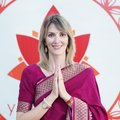
Ella Ji
Ella is specialized in Yin yoga, meditation techniques (especially Buddhist and Osho), pranayama, and Reiki. Her classes are focused to release the blockages from the body, both mental and physical. In her cueing, you can find many anatomical as well as psychological and spiritual aspects. She always puts great emphasis on breathing and meditation, both before and after the practice. She also likes to add some mantra chanting and aromatherapy. Her motto is to embrace the discomfort and allow changes to happen.

Jitu Ji
A distinguished and time-honored individual, Jitu Ji embodies traditionalism. He completed his Bachelor's in Sanskrit from Parmarth Niketan Ashram here in Rishikesh itself and went on to pursue his Master's in Yoga from the prestigious Uttarakhand Sanskrit University. He has spent over 10 years of his life in various ashrams like Bhagirathi Dham Ashram and Anand Dham Ashram. While he teaches Ashtanga Vinyasa at the school, his classical method of teaching brings students in, leaving them with a sense of gratitude and fulfillment.

Pankaj Ji
Pankaj Sharma was born and brought up in the foothills of Himalayas, Himachal Pradesh. After the completion of B.A in Sanskrit, he moved to Rishikesh and spent 8 years of his life in an ashram, learning yoga in the age-old Gurukul style leading a disciplined and yogic life. To Satiate his urge for knowledge Pankaj went on to pursue a Masters's degree in Yoga simultaneously teaching in various ashrams and Yoga schools. Due to his early induction to ashram life, Pankaj at a very young age has carved a niche for himself in yoga with his teaching skills and knowledge in Vedas, and Upanishads.

Deepa Ji
As a teacher, Deepa ji focuses largely on Meditation, Yoga Nidra, Mantra Chanting, and Laughing Yoga. She has fondly been teaching 200 hours and 300 hours of Yoga teacher training courses at various prestigious yoga schools for more than 12 years. For many, spirituality may have a definition differentiating from one another, but for Deepa ‘spirituality’ is all about peace of mind, being consistent within striking a perfect balance with yourself.
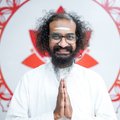
Sadhushri Ji
Sadhu Shri Ji has a deep knowledge in philosophy owing to his specialization in Indian Philosophy. He has studied Patanjali Yoga Sutra, Upanishads, and Buddhist literature in depth which has contributed immensely to his knowledge of philosophy and history. Now, for many years, the Yoga Guru has been sharing his valuable experience of philosophy with his students along with teaching his students on how to use the knowledge in day-to-day routine life with the help of practical approach backed by reasoning.

Siddha Ji
Siddha Ji brings a wealth of knowledge from his diverse experience and background.His yoga classes blend his love of creative ways of sharing this traditional knowledge with a modern aspect that connects the students deeply. With his continuous studies of different breathing practices (Pranayama), Sound Healing, Reiki and yoga as a modality to heal. There is a major focus on mindfulness, body and breathing awareness, Yoga Nidra, and various techniques of meditation as well as dipping into the more subtle aspects of yoga.
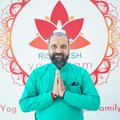
Mahesh Ji
Yogacharya Mahesh, born and brought up in the foothills of the Himalayas in Rishikesh, has a strong educational background and extensive experience in the field of yoga. He completed his B.Sc. in Science from HNB Garhwal University. Afterward, he pursued his passion for yoga by obtaining a P.G. Diploma in Yoga from Uttarakhand Sanskrit University, where he achieved the prestigious gold medal. Continuing his academic journey, he earned an M.Sc. in Yoga from the same university, once again receiving a gold medal for his exceptional performance.
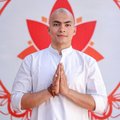
Dhirendra Ji
Born in the lap of the Holy Ganga, at the feet of the Bhootnath Shiva Temple, amidst the forests of the Himalayas, Dhirendra reveals himself as a nature lover and spiritual seeker. Having started his schooling at the tender age of 5, from one of the oldest, most iconic and traditional schools of Rishikesh, Dhirendra believes he was drawn to Yoga by a mystical force as he practiced asanas during the physical education lessons in school. He began to live the yogic way of life from that early age and embraced spirituality as his routines began with dedicatead yoga pratice.

Dr. Hemlata Ji
Dr. Hemlata ji represents deep understanding and commitment in yoga, anatomy and physiotherapy field. Her school success, long work experience and strong promise to spread the change of yoga make her a great person in this field. For many years, she has been teaching about yoga anatomy and therapy in the spiritual place of Rishikesh. She is inspiring lots of people to move forward on their yogic adventures. Her lessons have given her a good name as a trusted expert and guide. Hemlata ji has a great school history and fantastic job experience.
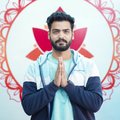
Ankit Ji
Yogi Ankit Ji is a master of Ashtanga Vinyasa Yoga, Pranayama and Yogic Sciences. Over the last few years, he has perfected the science of yoga by practicing various styles such as Ashtanga, Hatha, Iyengar and Acro on a consistent basis. Not only is he absolutely committed in the expansion of authentic yoga techniques in different parts of the world but he has also been participating in yoga events since the age of 15. In addition, he is also a certified teacher from the reputed Uttarakhand Sanskrit University. He conducts many yoga classes ranging from beginner to advanced level courses.
Location
Located in the vibrant heart of Rishikesh, our school enjoys a prime location just a 5-minute walk away from the renowned hanging bridge and the sacred Ganga river. Nestled amidst picturesque green mountains, the school offers a serene and tranquil environment. Convenience is at your fingertips, as you'll find all essential amenities nearby, including shops, cafes, restaurants, ATMs, healthcare facilities, and even organic stores. Embrace the harmonious blend of nature and accessibility in Rishikesh Yogkulam ideal setting.

Food
Daily, Rishikesh Yogkulam provide freshly made vegetarian meals as part of their program, with a focus on maintaining hygiene and utilizing organic vegetables. Rishikesh Yogkulam is renowned worldwide for its delectable and diverse cuisine. They firmly believe in the Ayurvedic proverb, "When diet is wrong, medicine is of no use. When diet is correct, medicine is of no need."
While many wonder if practicing yoga itself is sufficient, at Rishikesh Yogkulam, we emphasize that yoga is not just a practice but a way of life. When combined with healthy eating habits, the benefits can be truly transformative. Rishikesh Yogkulam believes that food choices not only impact our physical well-being but also our emotions and thoughts. In yoga, food is not classified based on proteins, carbohydrates, or fats, but rather on their effects on the body and mind: Satva, Rajas, and Tamas.
Tamasic food induces lethargy and sluggishness, while Rajasic food brings about restlessness Sattvic food, on the other hand, nourishes both the body and mind. It has a purifying effect, promoting clarity and calmness. Sattvic foods activate the body and mind, infusing them with energy and enthusiasm. Rishikesh Yogkulam considers cooked food consumed within 3 to 4 hours as Sattvic, aligning with its beneficial properties.
In addition to this, Rishikesh Yogkulam places great emphasis on maintaining high standards of hygiene within the institution. Rishikesh Yogkulam's aim is to ensure that the food they provide is not only safe but also possesses excellent nutritional value, which is essential for a healthy and fulfilling life. However, it is important to note that it is not just the selection of appropriate food that matters; consuming the right quantity of food at the appropriate times is equally crucial for optimal well-being.
Note:
- In line with the yogic philosophy of respecting everyone's life, Rishikesh Yogkulam follow a lacto-vegetarian diet. They do also take care of dietary requirements such as dairy-free, gluten-free, vegan.
- Remember to let Rishikesh Yogkulam know before your arrival, if you follow a special diet or have a different allergy/intolerance then those mentioned above kindly let them know prior to your booking so they can check the possibility with the kitchen staff.
- Rishikesh Yogkulam cannot cater for celiac disease or strong gluten allergy due to possible gluten contamination.
- Rishikesh Yogkulam cannot guarantee no contamination for food.
- On Sundays, no food will be served and you can enjoy the meals in the cozy cafes nearby with beautiful Ganga view.
The following meals are included:
- Breakfast
- Lunch
- Dinner
The following drinks are included:
- Water
- Tea
- Detox juices
The following dietary requirement(s) are served and/or catered for:
- Vegetarian
- Vegan
- Gluten Free
- Yogic
- Ayurvedic
Things to do (optional)
Outlined below are a selection of remarkable activities to engage in while in Rishikesh. Please note that these activities are not included in the package; however, Rishikesh Yogkulam can readily facilitate their arrangement upon request.
- Ayurveda doctor consultation
- Ayurvedic massage and therapies
- Panchakarma Treatment
- Sound Healing sessions & Course Level 1,2,Master
- Reiki sessions & Course Level 1,2,Master
- Astrology consultation with birth chart Reading
- Physiotherapy sessions
What's included
- 28 nights accommodation
- 3 organic delicious meals per day, plus morning herbal tea
- Outdoor excursions that include some of the caves, temples, waterfalls, or local mountain villages
- Use of campus facilities such as free Wi-Fi
- Course materials
- Free online preparation course
- All activities as per the schedule
- Certificate of completion
- Practice teaching, learn how to sequence your first yoga class and teaching tools
- Daily mantra chanting, meditation, asana, anatomy, and yoga philosophy
- One special session of Ayurveda massage
- Special Yin and Restorative yoga classes
- Special functional anatomy classes
- Chakra healing based classes
- Complementary sound healing session
What's not included
- AC/heater - available for an additional cost
- Ayurveda doctor consultation
- Physiotherapy sessions
- Ayurvedic massage and therapies
- Sound Healing course levels 1, 2, Master
- Reiki course levels 1, 2, Master
- Vedic astrology consultation (birth chart reading)
- TCM treatments
- Meals on Sundays
How to get there
Recommended Airports
Transfer included
Jolly Grant Airport
15 km away from your destination
Transfer available for additional US$ 73 per person
Indira Gandhi International Airport
208 km away from your destination
Arrival by airplane
Please book your flight to arrive at Indira Gandhi International Airport (DEL), from where you can take a domestic flight to Dehradun Airport (DED). Upon your arrival, there is a complimentary taxi waiting for you, which will bring you from the airport to the yoga school at Laxman Jhula.
Arrival by bus
From Indira Gandhi International Airport (DEL), you can get a taxi to bring you to Delhi ISBT bus station. From there, you can find many governments and private means of transportation to bring you to Rishikesh. Once you arrive at Rishikesh bus station, your complimentary pick up will be waiting for you to bring you to the yoga school at Laxman Jhula.
Arrival by train
The nearest railway station is the Haridwar train station. From there you will find many buses, taxis, and other transportation services that will bring you to Rishikesh. If you want Rishikesh Yogkulam to help you arrange transportation from Haridwar, kindly let them know.
Cancellation Policy
- A reservation requires a deposit of 20% of the total price.
- The deposit is non-refundable, if the booking is cancelled.
- The rest of the payment should be paid on arrival.

Reviews
For this organizer you can guarantee your booking through BookYogaTeacherTraining.com. All major credit cards supported.
Similar Yoga Teacher Training you might like
You recently viewed