


28 Day 300-Hour Advanced Multi Style Yoga Teacher Training in Goa, India
Advanced Hatha - Vinyasa Yoga Teacher Training in India
This 300-hour YTT is an advanced course for those who have already completed a 200-hour YTT and want to incorporate detailed and subtle yogic techniques and enhance the depth of yoga practice. This intensive course helps you deepen your existing knowledge in the subject, which includes technical training and advanced asana practice. A great deal of attention will be given to technical aspects, sequencing, and structural components for traditional Hatha and Vinyasa flow class to enhance your teaching skills and adjustment techniques.
Meet the instructors
Highlights
- Daily mantra chanting and asana practice
- 500-hour yoga certification upon completion
- Daily pranayama and guided meditation sessions
- Daily teaching methodology, anatomy, and physiology
- Sarvaguna Yoga kit containing two T-shirts and one yoga bag
- Vegetarian breakfast, lunch, and dinner
- 27 nights accommodation
- Airport transfers
Skill level
- Intermediate
- Advanced
Types
24 days with instruction in English
Accommodation
Facilities
- Shopping
- Swimming pool (outdoor)
- Café
- Dining area
- Yoga shala
- Beauty salon
- Free Wi-Fi
- Laundry
During the training, you will stay in standard or deluxe rooms with private shower and Wi-Fi.
Program
The course will focus more on Sanskrit and asana vocabulary and in-depth discussions on philosophy. The students will gain in-depth knowledge of advanced pranayama techniques, meditation practices, structural anatomy, and have an opportunity to teach and assist with verbal and physical adjustments during the asana classes. In summary, this training is not just about receiving more information but also about experiencing through practice.
The standards and course framework set by Yoga Alliance under five educational categories
- 80 hours of training techniques and practice
- 20 hours of teaching methodology
- 25 hours of anatomy and physiology - including both human physical anatomy and physiology (bodily systems, organs, etc.), energy anatomy, and physiology (chakras, nadis, etc.). It also includes both the study of the subject and application of its principles to yoga practice (benefits, contraindications, healthy movement patterns, etc.)
- 65 hours of yoga philosophy, lifestyle, and ethics for yoga teachers
- 50 hours of practicum
- 60 non-contact hours - assignments for reading recommended books that students submit post 300 hr YTTC
- They will receive the details of Non- contact hour assignments during training with us.
Overview of the structure and operational details of this 300-hour TTC program
This 300-hour yoga TTC comprehensively meets the standards defined by the Yoga Alliance and exceeds in all respects as they enhance the program with other activities like Sanskrit learning, spiritual therapy, Kundalini system, and chakra balancing techniques.
There are also workshops on Mantra yoga - the science of sound vibrations and its role in spiritual practices, Buddhi yoga - yogic cognitive therapy, yogic personality theory “Panchakosha” model - a comparative study of yogic psychology and modern psychology, etc.
Techniques training and practice
Asana practice
The core style of asana taught in the course is traditional Hatha yoga.
Traditional Hatha yoga
Traditional Hatha yoga is a principle style of yoga practices and is the origin of all other yoga practiced today. The word Hatha is a combination of two words ‘Ha’ meaning “Sun Energy” and ‘Tha’ meaning “Moon Energy” representing two principle energies flowing within your body. When these two aspects of one’s self are integrated, a fullness of the whole personality is experienced.
Hatha yoga influences your two sides of the brain and brings balance between these two energies within all of you to merge from the opposite to the harmony of oneness.
Hatha yoga is a powerful tool of transformation and the practitioner develops a balance of strength and flexibility. The salient feature of “Hatha yoga” is the focus on the asanas and breath control while holding the postures for a longer duration.
Hatha yoga classes incorporate the mind, body, and spirit through various practices like asanas, (postures) pranayama (breathing) and kriyas, (internal cleansing). It is not fast flowing and is highly suitable for beginners as well as advanced practitioners, as it is much gentler than Ashtanga yoga.
The course also introduces other styles of asana practice including: Vinyasa flow, Yin and smooth Restorative yoga in order to experience the other yoga styles.
Functional details of the course
The asana practices include:
- Warm up exercises and sun salutations with mantras
- Pavana muktasana series to loosen and strengthen major joints, to develop core energy, and to bring flexibility in the body
- Standing asanas to develop neuromuscular coordination
- Twenty five asanas from the foundations of standing, sitting, prone and supine; covering forward bends, back bends, spine twists, hip openers and stretches, arm balances and inversions; with the details of breathing patterns while doing and holding an asana, contraindications, and benefits
- Variations of the above mentioned in full details
- Workshops: Special workshops are conducted on variations and modifications of advanced postures, modifications for beginners and students with injuries (multi-level modifications) arm balances, twists, inversions, hip openings, headstands, back bendings, personal corrections, personal guidance, safety measurements, and others individual tips if required
- Other components related: How to use props including blocks, bolsters, straps, blankets, walls in your yoga practice, rope headstand, etc.
- Adjustments and corrections: Modes of adjustments and effective adjustment techniques are given by expert teachers to reap the full benefits of the practice
- Feedbacks: Regular feedbacks are given by the teachers and fellow students about your teaching in order to facilitate you to improve and find your unique voice and style as a teacher
Teaching methodology: techniques and demonstrations
- Principles of demonstration: The art of teaching, leading a class, voice modulation, and effective communication with great clarity
- Observing, assisting, and correcting: Mindful adjustments, correcting and adjusting through physical and verbal instructions
- Instructions, teaching styles: Designing and planning a class suitable to different needs. Learning Sanskrit names and other symbolism related to asanas, structuring and sequencing an asana class, and exploring various methodologies
- Qualities of a teacher: voice, presence, dealing with injuries, and explaining about safety precautions
- Business aspects of teaching yoga: Educating about business ethics and values, setting up yoga business and community responsibilities, marketing, and advertising
Pranayama (yogic breathing)
- Pranamaya kosha - pranic body, its nature, and characteristics
- Introduction
- Different aspects and different types of prana
- Breathing basics
- Anatomy of breathing
- Yogic breathing
- Kapalbhati (frontal brain cleansing breath)
- Bhastrika (bellows breath)
- Suryabheda (vitality stimulating breath)
- Nadi Shodhana (alternate nostril breathing)
- Ujjayi (the psychic or victorious breath)
- Sheetali (cooling breath)
- Shitkari (hissing breath)
- Bhramari (humming bee breath)
Mudra (attitude of energy flow and psychic gesture): Sacred gestures and hand positions for energy flow
- Mudra meaning
- Different types of mudras observed during yoga practice
- Chin mudra (psychic gesture of consciousness)
- Jnana mudra (psychic gesture of knowledge)
- Nasikagra mudra (nose tip gazing mudra)
- Shanmukhi mudra (closing the seven gates)
- Khechari mudra (tongue lock)
- Vipareet karani (inverted psychic attitude)
- Maha mudra (great psychic attitude)
- Shambhavi mudra (eyebrow center of gazing)
- Theoretical explorations, symbolism, practice, and benefits of mudras and their effect on the pranic body
Badhas (energy locks)
- Definition and types
- Maha mudra
- Abdominal Mudra
- Throat Mudra
- Perineum contraction Mudra
- Theoretical explanation
- Practical demonstrations, benefits, and contraindications
Kriya (yogic cleansing techniques)
- Nasal cleansing- Jala neti
- Kapala dauti and Trataka - flame gazing
Dhyaana yoga
Meditation practices
- Introduction, definitions, types of meditations, preparatory practices, and obstacles during meditation
- Methods to overcome them and its benefits
- Scientific evidence of the benefits of meditation on the physical, pranic, and emotional personalities
Guided meditation
- Relaxation meditation
- Visualization meditation
- Pranic awareness meditations
- Chakra meditation
- Silent meditations
- Mantra meditation
- Concentration meditation
- Mindfulness meditation
- Loving kindness meditation
- Gratitude meditations
Mantra yoga (mantra chanting)
- Definition of mantra
- Its significance
- Its calming and healing effect on the psyche
- The role of sound in spiritual practices.
Anatomy and physiology (comprising physical anatomy, physiology, and energy anatomy)
Physical anatomy and physiology - insight into relevant anatomical systems in your body and their connection with asana practice. The course focuses on the following topics:
- Insight into different body systems and their function and the terminology of human anatomy
- Skeletal system, muscular system, connective tissue, nervous system, and major joints of the body
- Understanding the anatomical and skeletal differences i.e. compression, tension, and proportion and orientation theory
- The foot, knee, pelvic floor, hips, spine, and shoulder
- Breathing and respiratory system
Energy anatomy
- Energy body (pranic body)
- Nadis (energy channels)
- Chakras (energy centers)
- Theoretical framework and application of its principles in yoga practices
- Benefits of opening the nadis and chakras
- Healthy energy movement within the body, etc.
Philosophy, lifestyle, and ethics
Philosophy content (Yoga Sutras of Patanjali)
- Functional definition, meaning, concepts, historical, and cultural background of yoga, its essence, and goals
- Four paths of yoga ( Jnana, Raja, Bhakti, and Karma yoga)
- Three-gunas and their effects on the mind
- Five-Kleshas or afflictions and their binding effect
- Hatha yoga, nadis (energy channels), chakras, and kundalini system
- Vedas and six systems of Indian philosophy and the theory of karma in relation to self-realization
Ashtanga yoga (Raja yoga)
- Yoga sutras of Patanjali
- Aim of yoga according to sutras
- Modification of mind and mental disposition
- Different levels of preparation
- The role of ego in self-realization and understanding consciousness
OM
- Meaning, symbolism, and significance of OM
- Eight limbs of yoga
- Kriya yoga
- Samyama yoga
- Types of Samadhi
- Nirbija and Sabija Samadhi
- Superconscious state of self-realization
Obstacles on the path of yoga
- Physical and mental disturbances caused by an unconcentrated mind
- Means to overcome obstacles
- Methods to control the modifications of the mind
Lifestyle and ethics for yoga practitioners and teachers (value-based lifestyle - yamas and niyamas)
- Yogic value system in an ancient period and in a contemporary period
- Non-judgmental disposition of a yogi
- The exemplary role of a yogi in the contemporary society
- Lifestyle of a yogi - yogic diet
- The spirit of the yogic practices
- Roles and responsibilities of yoga teachers
- Written assignment on selected philosophical topics and finishing test
The practicum
- Practice of teaching under the guidance of a teacher
- One to one teaching, teaching in small groups, and in big groups
- Receiving and giving feedback
- Observing others teaching
- Practical exam of teaching
- Assisting the main teacher
Sample daily schedule
- 06:30 - 07:45 Mantra chanting, pranayama and guided meditations
- 08:10 - 09:40 Asana practice
- 09:40 - 11:00 Breakfast
- 11:00 - 13:15 Philosophy or anatomy class
- 13:15 - 15:00 Lunch break
- 15:00 - 17:00 Alignment, teaching methodology, or adjustments training
- 17:00 - 18:15 Asana practice
- 18:15 - 19:00 Guided meditations/ Teaching practice
- 19:00 - 19:45 Dinner
- 19:45 - 20:30 Sat-Sangams - Question and answer session on philosophy, spirituality, or meditation related topics (twice a week)
General info
- Advanced training course, technically, second level of training for the professional yoga teachers
- 200-hour certification from any school with any style is a prerequisite qualification to enroll in this course
- 500-hour yoga certification will be awarded upon the successful completion of the course
- Become an RYT-500 by registering with Yoga Alliance
Included excursions
During this training, you will be able to enjoy some of the following trips:
- Boat trip
- Dolphin trip
Instructors
Dr. Keshava Murthy, PhD, E-RYT 500+, M.Sc (Yoga), YACEP
Dr. Keshava has been teaching yoga philosophy, meditation and pranayama, therapeutic yoga, principle teachings of original tantra, Sanskrit language and poetry, and Vedic mantra chanting in various academic settings and yoga teacher training centers. He taught more than 100 yoga teacher training courses. Keshava lives a monastic life practicing and teaching yoga, meditation, and spirituality. He is committed to bringing a deep change in the personality of a seeker in order to have a meaningful and blissful life with peace, harmony and universal awareness.

Eleanor Evrard, E-RYT-200, RYT 500+
Eleanor is RYT- 500+ in Yoga Anatomy and Vinyasa Teacher. She is an experienced osteopath and practicing yogini (RYT 500+) with extensive training in various styles including Hatha, Anusara, Vinyasa flow, Yin, and Ashtanga. She loves yoga’s eight limbs for their profound healing qualities and the unconditional unlimited joy they helped bring into her life. Teaching anatomy is one of Eleanor’s many passions. She especially enjoys helping yogis understand their own bodies in order to fully integrate their unique limitations and qualities in their own practice.
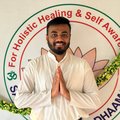
Shubham Dhumal (Shubhu), E-RYT 500+, YACEP
Subham was born and brought up in central India. A yoga enthusiast from the age of 4, he started learning Yoga from his mother Ms. Anjali and always dreamt about being a Yoga Sadhaka and teacher. Shubham received various certificates and titles from Kaivalyadhama, a well-known Yoga Institute in central India on successful completion of different yoga programs. He has been teaching different styles of Yoga, physiology and Anatomy in various Registered Yoga Schools (RYS) and Yoga Teacher Training programs and various platform since 2013.

Helen Warriner- E-RYT-500+
Her yoga journey started 8 years ago and she fell in love with yoga the way the asanas made her feel. Her curiosity and love for yoga took her to India in 2017 where she did her initial teacher training at Sarvaguna in Hatha and Vinyasa. She did an advanced training 2 years later eager to learn more and have since found a love for trapeze and aerial yoga. Yoga has taken her on a journey of self-discovery and growth, supported her through difficult periods and opened up an incredible new way of thinking and perspective on life.
Location
This retreat will be held at the academy on Agonda Beach, Goa, India. Goa is one of the South Indian states situated by the Arabian Sea on the west coast. Goa is known as the tourist paradise of India, as it is endowed with marvelous beaches, splendid churches and temples, plenty of sunshine, wonderful locations, and warm and friendly people.
With its beautiful nature and culture, delicious food, the Arabian Sea with dancing dolphins, marvelous sunset, and the shadow of palm trees around, Goa attracts people all over the world who want to escape from cold winters in Europe and North America. Visitors spend unforgettable dream holidays here and explore Indian culture in a safe and pleasant atmosphere.
Goa is one of the most ideal places for yoga practitioners as well as artists and dancers. Apart from many tourist attractions, yoga, meditation, and spiritual seekers can find peace and silence here. The best time to visit Goa is from November to March.

Features
Activities
- Massage
- Reiki
- Shopping
- Swimming
General
- Beach
- Café
- Dining area
- Yoga shala
Services
- Beauty salon
- Free bottled water
- Free Wi-Fi
- Laundry
- Local market
- Mosquito net
Food
Breakfasts, lunches, and dinners will be served throughout the course with vegetarian, vegan, gluten-free, and organic food. Except on Saturday evenings and the whole day on Sundays.
The following meals are included:
- Breakfast
- Lunch
- Dinner
The following drinks are included:
- Water
- Coffee
- Tea
The following dietary requirement(s) are served and/or catered for:
- Vegetarian
- Vegan
- Gluten Free
- Organic
- Lactose Free
- Yogic
Exclusive Gifts
Sarvaguna Yoga has prepared a few special surprises for you, including unique experiences and thoughtful extras to make your journey even more memorable.

Free one additional night stay

Reiki Healing session for holistic wellbeing

Ayurvedic massage and Spa Treatment
Things to do (optional)
- Meditate on the beach/ Beach Rock with Sunset
- Take day trips in the area
- Swim in the splendid Agonda Beach
- Visit the night clubs nearby
Massage treatments
- Ayurvedic Massage facility nearby
- Ayurvedic consultancy nearby
What's included
- 2 herbal teas and unlimited filtered drinking water
- 3 daily vegetarian meals (except on Saturday nights and Sundays)
- 27 nights accommodation with Wi-Fi
- 500-hour yoga certification upon completion
- Dolphin/Boat trip
- Pick-up and drop-off from Goa International Airport (GOI)
- Registration fee
- Sarvaguna Yoga kit containing two T-shirts and one yoga bag
- TTC study material/TTC manuals
- Tuition fee and many surprises on the way
- Mosquito net
- Wardrobe/cupboard
- Many surprises on the way
Included Exclusive Gifts
Free one additional night stay
Get a free stay either before or after the course in a single private room with attached shower and wifi.
Reiki Healing session for holistic wellbeing
One hour Reiki healing session for removing the Pranic Energy blockages and balancing the chakras.
Ayurvedic massage and Spa Treatment
Get one Ayurvedic massage therapy with an experienced massage therapist.
What's not included
- Meals on Saturday evenings and Sundays
- Optional activities
- Transportation
- Travel insurance
How to get there
Recommended Airports
Transfer included
Goa International Airport (Dabolim Airport)
42 km away from your destination
Transfer included
Manohar International Airport
78 km away from your destination
Arrival by airplane
Please book your flight to arrive at Goa International Airport (GOI) or North Goa International Airport/Mopa Airport (GOX). Sarvaguna Yoga will pick you up from the airport/Rail station.
As Goa is an internationally well-known tourist place, most of the international airlines operate flights to Goa from all the major cities in the world. Direct charter flights are operated regularly to the Goa International Airport “Dambolim Airport” (GOI) and Manohar Internationa Airport/ Mopa Airport (GOX) from all over the world, from October to April every year.
Goa is also well connected by air with major Indian cities like New Delhi, Mumbai, Kolkatta, Bangalore, Chennai, Kocchi, Trivendram, and so on. Domestic airlines operate regular flights to Goa from the above cities.
The nearest Airport is Goa (Dambolim) international Airport (GOI). It takes about 1.5 hours to reach the location. The Mopa - north Goa Airport (Mopa- GOX) International Airport is the second nearest Airport, takes about 2.5 hours to reach the location
Arrival by train
Please arrive at Madgaon Railway Station, which is 40 kilometers away from Agonda Beach, or Canacona Railway Station, which is seven kilometers away from Agonda Beach. The trains offer services that range from luxurious to budget, catering to all the needs of any traveler.
Airports/rail station transfers
Transportation from Goa International Airport / local railway station to the school at Agonda Beach is included in the course fee, so they will arrange the airport transfers.
The dedicated and trusted taxi driver will wait for you with your nameplate and bring you straight to the place where your accommodation is arranged, so please send them your flight details.
Please let them know if we can help you or answer your questions!
Cancellation Policy
- A reservation requires a deposit of 30% of the total price.
- The deposit is non-refundable, if the booking is cancelled.
- The rest of the payment should be paid on arrival.

Reviews
For this organizer you can guarantee your booking through BookYogaTeacherTraining.com. All major credit cards supported.
Similar Yoga Teacher Training you might like
You recently viewed