
Online 200-Hour Self-Paced Certified Yoga Protocol Instructor Course With 10 Hours of Q&A Sessions
Online Yoga Protocol Instructor Course
Are you disheartened by the increasing commercialization of yoga teacher training programs? Do you feel that the spiritual essence of yoga is getting lost in the pursuit of competitiveness and exercise routines? If so, it's time to embrace a change and join an authentic traditional AYUSH, Indian govt. certification program that upholds the sacred Gurushishya Parampara.
Meet the instructors
Highlights
- 200-hour yoga protocol instructor course
- Direct: 50 hours
- Indirect: 150 hours
- One-on-one doubt clearing live session over Zoom (10 hours)
- Pre recorded sessions will be shared through We Transfer by MD doctors and certified international faculty
- All of the recorded sessions will be provided and can be used lifelong
- Fully self-paced: students will receive video recordings of the course
- Online sessions' timezone: IST (GMT+5:30)
- Self-paced: can be completed in 2 months
Skill level
- Beginner
Types
30 days with instruction in English
Program
Pre-application requirements
- Good yoga knowledge and practice
- Wi-Fi connection
- Computer to download the digital material,
- A yoga mat
- A notebook to take down notes if required
- Valid passport photocopy
- Medical fitness certificate
- Swasti Yoga online admission form
Introduction
This program is for those who want to want to be real yogis walking on the path of traditional yoga (think beyond asana) with an authentic AYUSH certification (Indian government).
Why the course?
As you embark on your yoga journey, let them remind you that yoga is not just a physical exercise, but a Gurushishya Parampara - a tradition that has been passed down from guru to disciple for thousands of years. It is a practice that can help you develop yogic qualities and transform your life.
Unfortunately, many modern yoga students are not introduced to classical yoga texts like the Yogasutra and Hatha Yoga Pradipika, which contain the wisdom and teachings of the ancient yogis. Instead, yoga has become commercialized, with a focus on certification business and low standards of yoga training.
But let them tell you, the true goal of yoga is not just about losing weight, curing physical ailments, or getting commercial success. The ultimate goal of yoga is to find inner balance and connect with your true self.
Through the practice of yoga, you can develop qualities such as mindfulness, compassion, and self-awareness. These qualities can help you not only in your personal life but also in your professional life, as you learn to navigate challenges with grace and ease.
So seek out authentic teachers and teachings that will guide you on your path of self-discovery and personal transformation. Take the time to study the classical yoga texts and learn from experienced practitioners, MD doctors who have dedicated their lives to the practice of yoga.
Moreover, joining an authentic traditional certification program will equip you with the tools to prevent injuries and promote safe practices. You will learn to prioritize the well-being of your students by understanding their unique needs and limitations. This will not only enhance your teaching skills but also help to restore the credibility and reputation of yoga as a holistic practice.
Together, restore the sacredness of yoga and uphold India's rich legacy for generations to come.
Certifications
Those who want to receive Yoga Certification Board (YCB) certification from the Government of India will have to take an exam later arranged at Swasti Yoga in Pune (India).
Obtaining certification from the Indian Government carries immense weight and credibility. It demonstrates your commitment to upholding the authentic teachings of yoga and showcases your dedication to the practice. This recognition will undoubtedly attract students seeking a genuine yoga experience and set you apart as an exceptional instructor.
How the training works
- There will be self-paced video recordings of sessions for 80 hours
- 120 non-contact hours will be spent on swadhyay (self-study), yoga assignments, compilation, short online demo sessions, quiz, yoga competitions, mock exams, completing short tests, or short practices to teach
- MCQ mock test and 3 practical exams
Weekly time to be devoted (10 hours)
- Free complimentary 30 hours of daily yoga sessions (Live)
- Complimentary 30 hours of lecture series on different topics of yoga including yoga philosophy, classical yoga texts, Ayurveda, yogic food, anatomy and physiology etc.
- All online materials will be shared on We Transfer
- The course can commence 48 hours after admission
Course information
Level 1: Yoga Protocol Instructor (YPI) accredited by Swasti Yoga Center
Swasti Yoga Center is a trusted Indian yoga institution (ISO 9001:2015 certified yoga center for quality education, training, therapy, and research in yoga) and is an associate center of the Indian Yoga Association (IAA).
The yoga curriculum is based on the International Accreditation Forum (IAF) Certification of Persons ISO/IEC 17024, and it is affiliated with the Indian Yoga Association, International Ayurveda Association, and International Federation of Yoga Professionals.
Introduction to yoga and yogic practice
- Yoga: etymology, definitions, aim, objectives and misconceptions
- Yoga: its origin, history, and development
- Guiding principles to be followed by yoga practitioners
- Principles of yoga (triguna, antahkarana-chatustaya, tri-Sharia/panchakosha)
- Introduction to major schools of yoga (Jnana, Bhakti, Karma, Patanjali, Hatha)
- Introduction to yoga practices for health and well being
- Introduction to shatkarma: meaning, purpose and their significance in yoga sadhana
- Introduction to yogic sukshma vyayma, sthula vyayama, and surya namaskar
- Introduction to yogasana: meaning, principles, and their health benefits
- Introduction to pranayam and dhyana and their health benefits
Introduction to yoga of texts
- Introduction and study of Patanjala Yoga Sutra including memorization of selected Sutras (chapter I-1-12)
- Introduction and study of Bhagavad Gita including memorization of a selection of Slokas (chapter II-47, 48, 49, 50 and 70)
- Introduction and study of Hathpradipika
- General introduction to Prasthanatrayee
- Concepts and principles of aahara (diet) in Hathapradipikaand Bhagawadgita (Mitahara and Yuktahara)
- Significance of health yoga practices in health and well being
- Concept of mental well-being according to Patanjala yoga
- Yogic practices of Patanjala Yoga: Bahiranga and Antaranga yoga
- Concepts of healthy living in Bhagwad Gita
- Importance of subjective experience in daily yoga practice
Yoga for health promotion
- Brief introduction to the human body
- Meaning and means of health promotion and role of yoga in health promotion
- Yogic positive attitude (maitri, karuna, mudita, upeksha)
- Concepts of bhavas (dharma, jnana, vairagya, aishvarya) and their relevance in well being
- Dincharya and ritucharya with respect to a yogic lifestyle
- Holistic approach of yoga towards health and diseases
- Introduction to first aid and cardiopulmonary resuscitation (CPR)
- Yogic management of stress and its consequences
- Yoga in the prevention of metabolic and respiratory disorders
- Yoga for personality development
Practical: demonstration skills
Prayer: concept and recitation of pranava and hymns
Yoga cleansing techniques: Knowledge of dhauti, neti and practice of kapalabhati
Yogic sukshma vyayama and sthula vyayama
- Yogic sukshma vyayama (micro circulation practices): neck movement
- Griva shakti vikasaka (I, II, III, IV): shoulder movement
- Bhuja valli shakti vikasaka
- Purna bhuja shakti vikasaka: trunk movement
- Kati shakti vikasaka (I, II, III, IV, V): knee movement
- Jangha shakti vikasaka (II-A and B)
- Janu shakti vikasaka: ankle movement
- Pada-mula shakti vikasana - A and B
- Gulpha-pada-pristha-pada-tala-shakti vikasaka
- Yogic sthula vyayama (macrocirculation practices): Sarvanga pushti and hrid gati (engine daud)
- Yogic surya namaskara
- Yogasana
- Tadasana, vrikshasana, ardha, chakrasana, padahastasana, kati chakrasana, trikonasana
- Dandasana, sukhasana, padmasana, vajrasana,
- Bhadrasana, mandukasana, ushtrasana, shashankasana, uttana mandukasana
- Paschimottanasana, purvottanasana
- Vakrasana, gomukhasana
- Bhujangasana, shalabhasana, makarasana
- Pavanamuktasana, uttnapadasana, ardha, halasana, setubandhasana
- Vipareetakarani, saral matsyasana, shavasana
Preparatory breathing practices
- Sectional breathing (abdominal, thoracic, clavicular)
- Yogic deep breathing
Pranayama
- Concept of puraka, rechaka and kumbhaka
- Anulmoa viloma / nadi shodhana
- Sheetalee (without kumbhaka)
- Bhramari (without kumbhaka)
Understanding of bandha
- Jalandhara bandha
- Uddiyana bandha
- Mula bandha
Understanding of mudra
- Hasta mudras (chin, chinmaya, brahma, adi, jnana, dhyana and nasika)
Practices leading to meditation and dhyna sadhana
- Recitation of pranava and soham
- Recitation of selected hymns, invocations and prayers from Vedas and Upanishadas
- Body and breath awareness
- Yoga Nidra
Practical: teaching skills (methods of teaching yoga)
- Essentials of good lesson plan: Concepts, needs, planning of teaching yoga (shatkriya, asana, pranayama, and practices leading to dhyana)
- Principles of teaching yoga protocol to different groups (beginners, children, youth, women, geriatric population, and special attention group)
- Preparation for a yoga class (before and during the class)
- Factors influencing yoga teaching
- Class management in yoga: it's meaning and needs
- Conducting yoga practical lessons: precautions and contraindications of practices)
- Salient features of ideal yoga instructors
- Models of ideal yoga lesson plans
Certification exam
The yoga certification exams are held online so students from all over the world can do their yoga TTC with Swasti Yoga Center and be internationally certified at their home.
Instructors
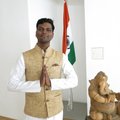
Dr Vikas Chothe
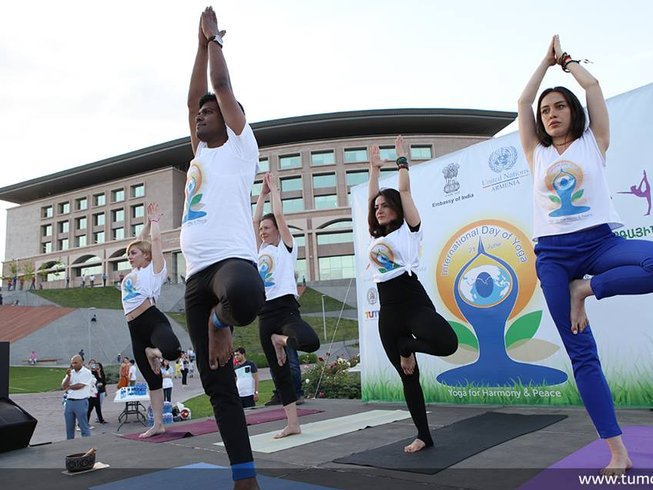
Swasti’s founder, Dr. Vikas Chothe, holds an MD, PhD in Ayurvedic medicine and works as yoga teacher and consultant. He has worked as a yoga ambassador for Indian government and invited as guest speaker by Indian Embassy in Armenia, Austria, and Malaysia. He has been working as a lead examiner for yoga certification board (YCB), AYUSH Ministry and has conducted exams for more than 3,000 students to date and visited the USA, Cambodia, China, UAE, France, Italy for promotion of Yoga and Ayurveda. He is also a yoga school auditor and assessment expert for the Yoga Certification Board.
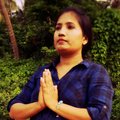
Dr Shwetambari Chothe
Dr. Shwetambari Chothe is a certified yoga teacher by the government of India, consulting homeopath, assistant professor in LMF Homoeopathic Medical College, Pune, and co-founder of Swasti Yoga Center. Since childhood, she had a keen interest in yoga and Indian culture. She is a great chef with Ayurveda healthy cooking as her specialty. Qualifications: MD Homoeopath, Anatomy and Physiology expert, yoga teacher, and practitioner for six years.
Location
This teacher training is held online. Swasti Yoga Center is located in Pune, India (GMT+5:30), and you will have one-on-one live sessions for doubt clearing via Zoom which you can participate from the comfort of your home.

What's included
- Tuition to 200-hour online self paced yoga teacher training
- Prerecorded sessions
- Yoga activities, competitions
- Assignments
- Mock exams
- Lifetime access to Swasti's global yoga community
- Certificate accredited by Swasti Yoga Center
What's not included
- Accommodation
- Food
- Yoga Certification Board (YCB) registration and examination fees (Indian government) - 200 USD for foreign nationals
Cancellation Policy
- A reservation requires a deposit of 100% of the total price.
- The deposit is non-refundable, if the booking is cancelled.

Reviews

For this organizer you can guarantee your booking through BookYogaTeacherTraining.com. All major credit cards supported.
Similar Yoga Teacher Training you might like
You recently viewed