
28 Day 300-hour Advanced Ashtanga, Iyengar, and Vinyasa Yoga Teacher Training in Rishikesh, India
Yoga Teacher Training in India
Namaste, join this world-class 300-hour yoga teacher training course in Rishikesh with Drishti Yogashala. The program will equip you with the knowledge, skills, and confidence to teach yoga classes based on the Hatha, Ashtanga, and Vinyasa styles, along with an in-depth understanding of Iyengar yoga, with a 300-hour certificate.
Meet the instructors
Highlights
- Certificate of completion
- 28 days of advanced training
- Daily yoga and meditation sessions
- Iyengar yoga sessions
- Pranayama and shatkarma practices
- Alignment and adjustment, yoga philosophy, and anatomy lessons
- Prayer and mantra chanting sessions
- 27 nights accommodation with daily sattvic meals
Skill level
- Beginner
- Intermediate
- Advanced
Types
27 days with instruction in English
 Average daily hours of activity: 8
Accommodation
Facilities
- Dining area
- Lounge
- Terrace
- Yoga studio
- Laundry
- Parking lot
- Wireless internet
The accommodation is provided in the same building as the classes, so it is convenient for the students. The accommodation also includes access to the yoga hall, dining, and lounge area to sit, relax, and study amidst magnificent views. Wi-Fi, water, room heaters, filtered drinking water, and laundry services are available in the building itself, as well as the parking area, which is open for the students.
You will have access to a fully air-conditioned yoga hall for practice and meditation in silence. Laundry service is also available at a small charge.
The school has spacious, clean, sattvic rooms, and you can choose from shared, single, or double occupancy rooms as per your comfort and convenience. Shops, ATMs, healthcare, bike rentals, and cafes are all nearby, within walking distance.
Accommodation at Drishti Yogshala campus for the 300-hour yoga teacher training program is well-maintained and clean. The staff cleans all rooms on a daily basis. All rooms have an attached bathroom with 24-hour electricity, as well as hot and cold running fresh water.
Facilities at Drishti Yogshala campus
Kyarki Resort is a place in nature's lap, carefully converted into a paradise with a touch of Himalayan architecture. Situated over a hill, the resort has a gorgeous view of the Ganges and Rishikesh. It is six kilometers from Tapovan and eight kilometers from Lakshman Jhoola. Surrounded by hills and forest, it invites you to discover nature with luxury at an affordable price and the hospitality of mountain people.
Kyarki Resort is a quiet, harmonious place in nature where guests can enjoy the tranquil nature in its purest form. It is an amazing place that cannot be described in words, although Drishti Yogshala Rishikesh tries their best to provide you with some ideas through pictures.
Drishti Yogshala Rishikesh provides accommodations on private and sharing basis, so do check according to your individual needs. Rooms at the campus are shared by the same genders, but wife and husband, and mother and daughter, can share their room if both are doing the yoga teacher training program. You will also have access to a fully air-conditioned yoga hall for practice and meditation in silence.
- 24/7 hot, cold running water
- Single and double sharing rooms
- Rooms with attached bathrooms
- Spacious and ventilated yoga hall
- Free Wi-Fi 24/7
- Close proximity to the market
Program
The 300-hour yoga teacher training course (YTTC) program in Rishikesh is the advanced level course in higher yoga teachings and practice of the traditional forms of yoga. This course provides information about philosophy and anatomy of multi-style Ashtanga primary series, Vinyasa, Vinyasa flow, and Hatha flow style training programs.
Drishti Yogshala Rishikesh's 300-hour YTTC is specialized in multi-style Ashtanga primary series, Vinyasa, Vinyasa flow, and Hatha flow style training programs. The school covers Ashtanga yoga primary series, Mysore and Led style, along with Vinyasa flow sequencing in a 28-day 300-hour YTTC in Rishikesh, India.
There will be a physical and written test before course completion. Upon passing the exam, you will be certified.
The 200-hour program is the basic level of YTTC. Under this, you will get a 200-hour certificate, which certifies that you can teach yoga. However, a 300-hour YTTC is the advanced level. After course completion, you will have done a total of 500 hours of YTTC, which will help you in teaching yoga with deeper knowledge and skills.
Yes, it is mandatory to do a 200-hour YTTC to be eligible to do the 300-hour YTTC.
This course is an overview of the basic systems of Ashtanga yoga, the eight limbs of yoga, and stems from the establishment of Vinyasa yoga and related sciences. It is designed for people who want to become professional yoga instructors, as well as students of all levels who want to deepen their Ashtanga Vinyasa flow practice. It is affordable and provides certification.
If you’re looking to deepen your Ashtanga Vinyasa flow / traditional Hatha yoga practice, Drishti Yogshala is the perfect place for you. They provide all the props - ropes, bands, bricks - needed to help you progress in your practice.
And, there’s something special about experiencing yoga in India, especially in Rishikesh. Many Ashtanga Vinyasa flow centers have opened up around the world, but the yogic atmosphere of Rishikesh is truly unique and ideal for practicing yoga. Many of the sages (rishis) have spent their entire lives contemplating and meditating on the truths of yoga, so you can be sure that you’ll be in good hands.
Drishti Yogshala Rishikesh's teachers are well-versed in the traditional literature on yoga - Upanishads, Puranas, Vedas, stotra, and smritis. A YTTC is incomplete without a proper combination of practical and theoretical knowledge, which is why they also invite the most prominent personalities from various parts of India for guest lectures.
Their teacher training is unique in that it is based on the ancient gurukula teaching method. This method makes the student’s daily life an Ashtanga Vinyasa flow practice. During the week’s intensive course, the student strengthens their own practice through awareness and discipline of mind, body, and spirit.
Drishti Yogshala provides YTTCs, a great opportunity to meet old and new friends, enjoy the atmosphere of the holy place of Rishikesh, and be part of their community. The best part of the learning is that every bit of knowledge in the cosmos is within you, and yoga practice can help you access those beautiful gifts inside you.
The experience provides a great way to find lasting happiness, peace, and tranquillity, as well as to share yogic knowledge with others.
What you’ll learn in the 300-hour YTTC in Rishikesh
Take a bold step forward in your yoga journey and join Drishti Yogshala for an immersive, transformative, and life-changing experience. This 300-hour YTTC in Rishikesh offers a deeper dive into the philosophy, techniques, and lifestyle of yoga, preparing you to become a skilled and confident yoga teacher.
By the end of this advanced training, you'll not only receive your certification, but also experience a profound shift in how you perceive yourself and the world around you.
This program is designed for those who have completed their 200-hour certification and wish to expand their knowledge and refine their practice. The training is open to both experienced practitioners and those looking to elevate their teaching skills, offering them the opportunity to deepen their understanding of yoga and elevate their personal and professional growth.
Throughout this intensive training, you will immerse yourself in advanced asanas, pranayama techniques, and meditation practices that will help you connect with your inner self and improve your physical and mental well-being.
Daily asana practice will challenge your body to reach new levels of flexibility and strength, while pranayama will enhance your breath control and energy flow. Meditation and mindfulness practices will provide you with the tools to cultivate mental clarity, emotional balance, and a deeper spiritual connection.
This program also delves deeper into the philosophy of yoga, teaching you the ancient wisdom of the yogic texts such as the Bhagavad Gita, Yoga Sutras of Patanjali, and other relevant scriptures. You will learn the art of teaching yoga with a compassionate heart, discovering your own unique teaching style and the confidence to guide others on their yoga journey.
The training program also emphasizes anatomy and physiology, yoga Therapy, and hands-on adjustments, equipping you with a holistic approach to teaching and personal practice. By the end of the program, you'll have the tools and techniques to confidently teach a wide range of students and contribute to their growth and healing through yoga.
Join a community of like-minded individuals on this transformational journey, where you'll be supported, inspired, and challenged to grow as both a person and a yoga teacher. Rejuvenate your mind, body, and soul, and step into the best version of yourself.
Curriculum of 300-hour YTTC
Meditation (dhyana)
In this course, you will learn about meditation philosophy and gain deeper knowledge about the different layers of meditation to reach samadhi (self-realization). The meditation practice will include:
- Introduction to meditation
- Why meditation?
- Meditation and brain waves
- Meditation and its effect on stress management
- Obstacles in meditation
- Role of concentration in meditation and tips for developing concentration
- Meditation on body and breath
- Om / mantra meditation
- Antat and Bahir Trataka
- Dynamic meditation
- Tips for silent meditation practice
- Japa meditation
- Ajapa japa
- Antar mouna
- Nada meditation
Mantra chanting
Mantra chanting is a great way to connect with the universe and to feel the divine energy within you. The words in each mantra are rich in spiritual energy, and the sounds of their "upchar" generate inner vibrations. The course will focus on mantra chanting at regular intervals during daily activities. Mantra chanting will include:
- Om asato maa sadgamaya (mantra from Upanishad)
- Tvameva mata ca pita tvameva (sloka on gods)
- Om tryambakam yajamahe (Lord Shiva mantra)
- Om sahana vavatu (mantra from Upanishad)
- Guru brahma guru Vishnu Gurudevo maheshwara (Guru stotram)
- Yogena cittasya (sloka on Sage Patanjali)
- Hare Rama, hare Krishna (maha mantra)
- Vakratunda mahakaya mantra
- Om bhur bhuva swaha (gayatri mantra)
Vinyasa and Ashtanga
Under this part of the course syllabus, you will learn as follows:
- Sun salutation A
- Sun salutation B
- Primary series and advanced posture
- Padangusthasana - Big toe posture
- Padahastasana - Hand under foot posture
- Trikonasana - Triangle pose
- Parivrtta trikonasana - Revolving triangle
- Utthita parvakonasana - Extended side angle pose
- Parivritta parsvakonasana - Revolving side angle pose
- Prasarita padottanasana A to D - Intense wide leg stretch
- Parsvottanasana - Intense side stretch posture
- Utthita hasta padangusthasana - Hand to big toe posture
- Ardha baddha padmottanasana - Half bound lotus forward bend
- Utkatasana - Fierce pose
- Virabhadrasana A to B - Warrior
The Vinyasa (Vinyasa to jump back)
Under this part of the course syllabus, you will learn as follows:
- Purvottanasana - Intense east stretch
- Ardha baddha padma paschimottanasana - Half bound lotus forward bend
- Tiriang mukhaipada paschimottanasana - Reverse the leg direction of one-leg intense east stretch
- Janu Sirsasana A to C - Head to knee pose
- Marichyasana A to D
- Navasana - Boat posture
- Bhujapidasana - Shoulder pressure posture
- Kurmasana - Tortoise posture
- Supta kurmasana - Sleeping tortoise
- Garbha pindasana - Embryo posture
- Kukkutasana - Rooster posture
- Baddha konasana A to B - Bound angle posture
- Upavista konasana A to B - Seated angle posture
- Supta konasana A to B - Lying down angle posture
- Supta padangustasana - Reclining big toe posture
- Ubhaya padangusthasana - Both big toes postures
- Urdhva mukha paschimottasana - Upward facing full forward bend
- Setu bandhasana - Bridge
- Urdhva dhanurasana - Upward bow posture
- Paschimottanasana - Full forward bend
- Salamba sarvangasana - Shoulder stand
- Halasana - Plow
- Karnapidasana - Ear pressure posture
- Urdhva padmasana - Upward lotus
- Pindasana - Embryo posture
- Matsyasana - Fish posture
- Uttana padasana - Extended leg posture
- Sirsasana - Headstand
- Yoga mudra - Sealed yoga posture
- Padmasana - Lotus
- Uttpluthi - Uprooting
- Shavasana - Corpse posture
Hasta mudra (hand gestures)
Under this part of the course, you will learn various hand gestures like:
- Introduction of mudras
- Jnana and chin mudra
- Yoni mudra
- Bhairava mudra
- Hridaya mudra
- Khechari mudra
- Nasikagra mudra
- Shambhavi mudra
Detailed study
This part of the syllabus covers the following topics:
- Effects of pranayama in the respiratory system
- Effects of yoga practice and nauli in the digestive system
- Muscular and skeletal system with advanced postures
- Anatomy of the pelvic griddle and spine
- Nadis - The energy channel
- Prana and the nervous system
- Kundalini shakti
- Chakra
- Panchakosha
- Therapeutic applications of yoga postures and how to avoid injury in an asana class
Sitting postures
Sitting postures course syllabus includes:
- Dandasana - Staff pose
- Paschimottanasana A to D intense west - Stretch or sitting forward bend
Shatkarma (internal cleansing)
Shatkarma is a traditional yoga technique for cleansing the body from the inside. It will help in internal cleansing, open blockages in the body, and remove all internal illnesses. Shatkarma word is derived from Sanskrit and is a combination of two words: "shat" and "karma." It is also known as shaktkriya. Below are the shatkarma techniques included in the course.
- Jalaneti satkarma (nasal cleansing with salty water)
- Rubber neti (nasal cleansing with a rubber string)
- Agnisar kriya
- Nauli kriya
- Kapalbhati cleansing
Pranayama (breathing exercises)
The pranamaya course syllabus includes:
- Introduction of pranayama
- Meaning and definition
- Relevance of pranayama in modern times
- Benefits of pranayama
- 5 prana and components of pranayama
- Preparation for pranayama
- Methods of pranayama
- Balancing pranayama
- Vitalizing pranayama
- Tranquilizing pranayama
- The pranic body
- Annamaya kosha
- Manomaya kosha
- Pranamaya kosha
- Vijnanamaya kosha
- Anandamaya kosha
- Natural breathing
- Abdominal breathing
- Thoracic breathing
- Clavicular breathing
- Yogic breathing
- Nadi shodhana pranayama and its techniques
- Sheetali pranayama and its techniques
- Sheetkari pranayama
- Bhramari pranayama
- Ujjayi pranayama
- Bhastika pranayama
- Kapalbhati pranayama
- Moorchha pranayama
- Surya bheda pranayama
- Chandra bhedana pranayama
- Swana pranayama
Hatha yoga
Hatha yoga course syllabus covers the following topics:
- Alignment, assist, and adjustment
- Surya namaskar (sun salutation)
- Traditional chandra namaskar (moon salutation)
- Bharadvajasana
- Lolasana - Swinging pose
- Kukkutasana - Rooster pose
- Sarpasana - Snake pose
- Shalabhasana - Locust pose
- Dhanurasana - Bow pose
- Paschimottanasana - Seated forward bend
- Janu sirshasana - Head to knee pose
- Parivirta janu sirshasana - Revolving head to knee pose
- Sarvangasana - Shoulder stand
- Padam sarvangasana - Shoulder stand lotus pose
- Sirsasana - Headstand
- Natarajasana - Lord Shiva’s pose
- Utthita hasta padangusthasana aukasana - Boat pose
- Vatayanasana - Horse face pose
- Mayurasana - Peacock pose
- Koormasana - Tortoise pose
- Chakrasana - Wheel pose
- Hanumanasana - Monkey pose
- Agnistambhasana - Fire log pose
- Brahmacharyasana - Celibate’s pose
- Astavakrasana - Eight-twists pose
- Ek pada sirasana - One foot to head pose
- Chaturanga dandasana
- Pincha mayurasana - Feathered peacock pose
- Eka pada koundinyasana - Sage koundinyasana
- Handstand - Adho mukha vrksasana
- Ardha pincha mayurasana - Dolphin pose
- Makara adho mukha svanasana - Dolphin plank pose
- Bakasana - Crow pose
- Ek pada bakasana - One leg crow
- Utthan pristhasana - Lizard pose
- Pashasana - Noose pose
- Parivrtta surya yantrasana - Sundial or compass pose
- Titibasana - Firefly pose
- Parshva bakasana - Side crow
Teaching practice
This part of the course helps in training students to become yoga teachers.
- Demonstration
- Alignment
- Instructions
Teaching methodology
The teaching methodology is one of the most important parts of the course, as students will learn the following:
- Positive and conscious communication
- Time management
- Qualities of a teacher
- Principles of demonstrating, observation, assisting, and correcting
- Use of voice in class
- Mental and emotional preparation for teaching
- Class preparation
- Step-by-step class structure planning
- Classroom management and its discipline
- Awareness of injuries
Yoga philosophy
In this class, you will get theoretical knowledge of Vedanta yoga. Here are the contents of what you will learn:
- Integrating yoga in daily practice
- Principle of advanced yoga
- Yoga Therapy
- Advanced yoga for stress, migraine, and insomnia
- Advanced yoga for hypertension
- Yoga for heart, blood pressure, and diabetic problems
- Advanced knowledge of chakra and Ayurveda
- Group discussion
- Question and answers
Patanjali Yoga Sutras
The Patanjali Yoga Sutras lectures will cover:
- Chapter 1 - Samadhi pada
- Chapter 2 - Sadhana pada
Yoga anatomy and yoga therapy
Anatomy and yoga Therapy lessons will cover:
- Concepts of panchakosha (five layers) and trisharira (three bodies)
- Introduction to the musculoskeletal system with insights into asanas
- Respiratory system
- Mechanisms and therapeutic implications of pranayama
- Circulatory system
- Digestive system
- Mechanisms and therapeutic implications of shatkarma
- Mechanisms and therapeutic implications of asanas
- Endocrine system
- Nervous system
Timetable (Monday to Saturday)
- 05:30 Wake up
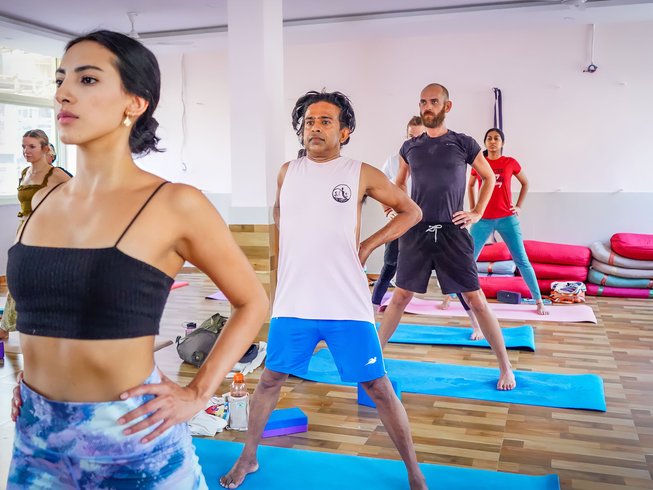
- 06:15 - 07:30 Ashtanga Vinyasa yoga
- 07:30 - 09:00 Mantra chanting, pranayama, and shatkarma
- 09:00 - 10:00 Breakfast with tea
- 10:00 - 11:00 Alignments and teaching methodology
- 11:00 - 12:30 Self-study and self-practice / massage
- 12:30 - 13:30 Lunch / sattvic diet
- 13:30 - 14:00 Some rest
- 14:00 - 15:00 Yoga philosophy
- 15:00 - 16:00 Traditional Hatha yoga
- 16:00 - 17:00 Human anatomy
- 17:00 - 18:00 Additional classes / Ayurvedic massage
- 18:00 - 18:45 Mantra chanting
- 19:00 - 21:00 Dinner
- 21:00 onwards Sleep
Sunday will be a full day off! No classes will be held on this day. However, accommodation will still be available.
Included excursions
Weekly nature excursion
You will join tours to Kunjapuri temple, a waterfall, Vasishtha Cave, the Beatles ashram, etc.
Instructors
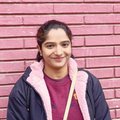
Yogi Hemlata Sakalani
Dr Hemlata is a professionally qualified physiotherapist who has successfully completed her post graduation in the field of physiotherapy and research. She had gone through the combined institute of medical science and research (CIMSR), Dehradun where she obtained doctorate degree in Physiotherapy.
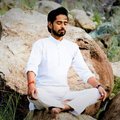
Yogi Sonu Ji
Yogi Sonu Ji is a yoga teacher and student of many years. He has earned his reputation as a teacher in this field through his vast knowledge and experience, which are passed on to his students in a clear and concise way so that they can fully understand what they are practicing, why they are practicing it and how they can move forward with a step by step journey towards being aware of themselves.

Yogi Dheeraj Chauhan
Yogacharya Dheeraj Chauhan Ji began his yoga journey in 2008. His expertise includes traditional Hatha yoga, Ashtanga yoga, adjustment and alignment, pranayama, Shatkarma (cleansing technique), and multicultural wellness. Yogacharya Dheeraj Chauhan Ji learned yoga under the famous and renowned yoga guru in Rishikesh.
Location
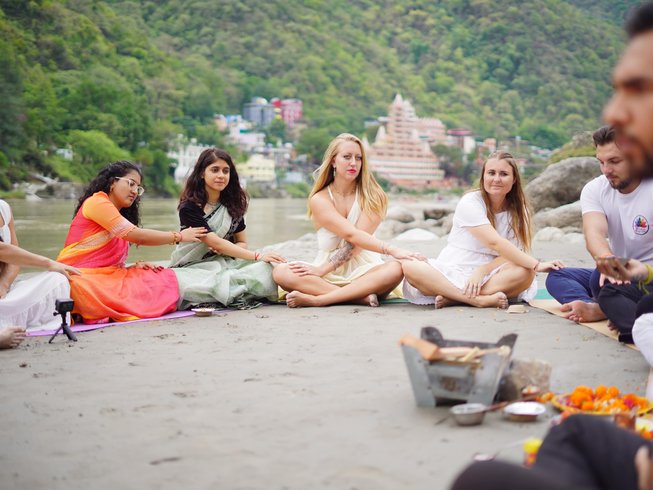
The training will take place in Rishikesh, Uttarakhand, India. In this location, students can find everything they need for their daily necessities. Additionally, they will have the opportunity to visit popular attractions like Laxman Jhula and Ram Jhula for the mesmerizing Ganga Arti ceremony. Tapovan Market is also conveniently located near the school, offering further options for shopping.
Furthermore, there are nearby waterfalls where one can take a refreshing bath, and plenty of charming cafes to explore. Drishti Yogshala is situated in a peaceful area surrounded by green mountains and fields. Their rooms are spacious and well-ventilated, and their staff is always available to keep them clean and hygienic.
Distances
- Laxman Jhula hanging bridge - 10 minutes' walk
- Jolly Grant Airport (DED) - 30 minutes
- 50 steps to the riverside; view of the forest and majestic mountains

Food
Included in the price of the course, Drishti Yogshala Rishikesh will prepare three freshly made vegetarian meals per day. The kitchen is clean and hygienic, and all of the vegetables are organic. The food is popular all over the globe for its taste and variety. Drishti Yogshala Rishikesh believes that yoga is a way of living. When complemented with healthy food habits, it can completely transform your life for the better.
In fact, eating the right food is an essential part of living a yogic life. Freshly cooked food that is consumed within three to four hours can be considered sattvic. A sattvic diet purifies the body and calms the mind. This diet creates peace within the body and mind, complementing your yoga practice throughout your training.
Drishti Yogshala Rishikesh is fully committed to the well-being of their students, and they provide a sattvic diet for everyone on the course. These menus have been tailored by their Master Chef Arvind Nautiyal, who has worked with some of the best five-star hotels around the world and carries great knowledge about the sattvic diet.
Along with this, he focuses on hygiene practices at the institution to ensure that the food is safe and carries great nutritional values, which are much needed for a healthy life.
Students can eat outside food on their own expense, but only after all classes in the evening. No outside food are allowed during classes. Students will have to eat sattvic meals at the dining hall.
Yogic food
Eating a balanced and nutritious diet is very important for yogis, as it can affect both their mental and physical health. The yogic diet is based on the natural healing, rejuvenating, and energizing elements from the revered science of Ayurveda, making it the perfect food for nourishing the mind, body, and soul of budding yogis.
Drishti Yogshala provides yogic food that helps physically increase flexibility and stamina. All of their kitchens are clean and hygienic, and their food is globally popular for its taste and yumminess.
They provide three meals a day. Both vegan and vegetarian options are available to meet the requirements of yogic practice. A healthy soul requires a healthy body, in the same way that physical bodies require a safe and clean environment. Food at Drishti Yogshala is cooked daily by expert chefs and is included in the price of course fees.
The following meals are included:
- Breakfast
- Lunch
- Dinner
- Snacks
- Drinks
The following drinks are included:
- Water
- Tea
- Detox juices
The following dietary requirement(s) are served and/or catered for:
- Vegetarian
- Vegan
- Organic
- Ayurvedic
Things to do (optional)
- Triveni Ghat, Ram Jhula, Lakshman Jhula, Shivpuri, and other local areas
Spa treatments
One Ayurvedic full-body massage is included in the price.
What's included
- Certificate
- Detailed content for structured learning
- Daily mantra chanting, meditation, asana, yoga anatomy, and yoga philosophy lessons
- Introduction to yoga philosophy and yogic lifestyle
- Relaxation and meditation techniques
- Sound healing session
- Yoga materials and accessories
- 1 Ayurvedic full-body massage
- Ganga Arti and Ganga Puja ceremony
- Sunday activity tour in places like Kunjapuri temple, waterfall, Vasishtha Cave, Beatles ashram, etc.
- 1 special session of the most appreciated emotional blockage treatment
- Kirtan session
- Indian cooking classes
- Pick-up from Jolly Grant Airport (DED) to Drishti Yogashala
- Qualified management-operated school with a family environment and safety
- 27 nights accommodation
- Daily fresh and healthy organic vegetarian, vegan, or gluten-free meals
- GST included
What's not included
- Airfare
- Drop-off from the school at the airport
- Personal expenses
- Air-conditioner
- Ayurveda doctor consultation
- Ayurvedic massage and therapies
- Sound healing course levels 1, 2, and 3
- Reiki course levels 1, 2, and 3
- Astrology consultation with birth chart
How to get there
Recommended Airports
Transfer included
Jolly Grant Airport
14 km away from your destination
Transfer not provided
Indira Gandhi International Airport
205 km away from your destination
Arrival by taxi
Direct taxi from Indira Gandhi International Airport (DEL) is also possible. The taxi charges would be 90 USD per trip. If you need Drishti Yogshala Rishikesh's assistance in booking your taxi on arrival, please provide them with your flight details (i.e., flight number, airline, time, date, and location).
Cancellation Policy
- A reservation requires a deposit of 30% of the total price.
- The deposit is non-refundable, if the booking is cancelled.
- The rest of the payment should be paid on arrival.

Reviews
No reviews yet
For this organizer you can guarantee your booking through BookYogaTeacherTraining.com. All major credit cards supported.
Similar Yoga Teacher Training you might like
You recently viewed