
Self-Paced 200-Hour Online Ayurveda and Hatha Yoga Teacher Training Course
Online Ayurveda & Yoga Teacher Training
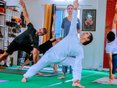
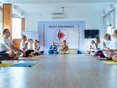
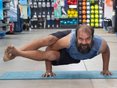
The online 200-hour Ayurveda and yoga teacher training course is a beginner to intermediate holistic program that outlines the treatments and lifestyle recommendations to suit individual needs and imbalances. The course covers various topics of Ayurveda, Hatha yoga, Meditation, Pranayama & Yoga Philosophy.
Meet the instructors
Highlights
- 200-hour pre-recorded course videos (4k High-Quality Video, Clear 48KHz 24 bit Audio)
- Eligible to register with Yoga Alliance upon completion
- Minimum time for completion: 30 days
- Pre-recorded course videos
- Lifetime access to videos and educational resources
- E-books and a manual
Skill level
- Beginner
- Intermediate
Types
30 days with instruction in English
Program
Pre-application requirements
- Zoom
- Stable internet connection
Certifications
Students who complete their training are eligible to register with Yoga Alliance as Registered Yoga Teachers (RYT®).
How the training works
This is a self-paced yoga teacher training that can be completed within at least 30 days. There are three live classes / Q&A sessions via Zoom per week, assignments and exams, e-books, and a manual. You will be learning from the best-experienced yoga teachers in India who will guide them toward their highest potential. The course will contain pre-recorded sessions of different chapters in Ayurveda, Hatha yoga, breathwork, meditation, anatomy, and yoga philosophy.
You can pause, rewind, and replay classes to fully grasp the knowledge and techniques. The exceptional group of experienced teachers will help you to clarify your doubts.
Course information
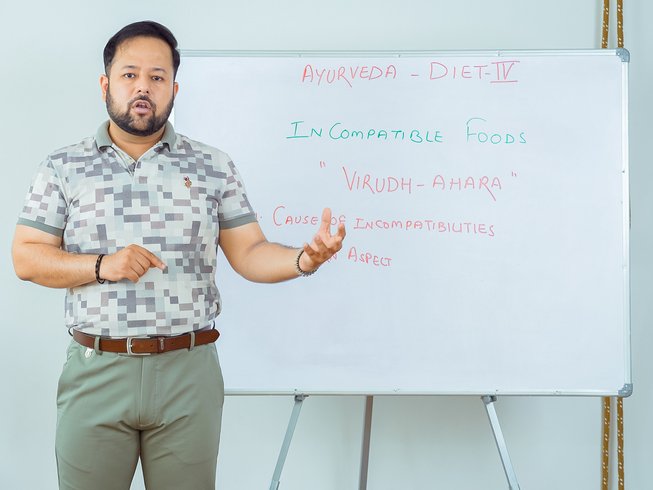
In this Ayurveda course, you will learn about preventive care, the importance of balancing doshas, and healthy daily routines to promote longevity and vitality. This course helps to understand the body’s natural detoxification processes through diet and lifestyle and offers holistic approaches to treat different conditions.
Curriculum
Ayurveda
1. Introduction to Ayurveda
2. 5-Elements Concept - Ether(Akash), Air (Vayu), Fire (Agni), Water (Jal), and Earth (Prithvi)
3. 3-Dosha Concepts (Vata, Pitta, Kapha)
4. Prakriti - Doshic Personality
5. Ayurvedic Diet & Nutrition
6. Treatments in Ayurveda
7. Ayurvedic Physiology (Agni, Kosha, Tissue, Digestive process)
8. Tissue Formation. Digestive Process - OJUS & AMA
9. Ayurvedic Lifestyle (Sadvritta)
10. Utensils for Cooking & Serving in Ayurveda
11. Diseases in Ayurveda
12. Disease Wise Food Guidance (Common Ailments)
13. Diagnosis in Ayurveda - 10 Fold & 8 Fold Examination
14. 3 types of Diagnosis
15. Home Remedies
16. Yoga & Pranayam according to Ayurveda
17. Exquisite Gift Ideas Inspired by Ayurveda
18. Balancing Doshas - Addressing Imbalance
19. Essential Medicines in Ayurveda (Ayurvedic Pharmacy)
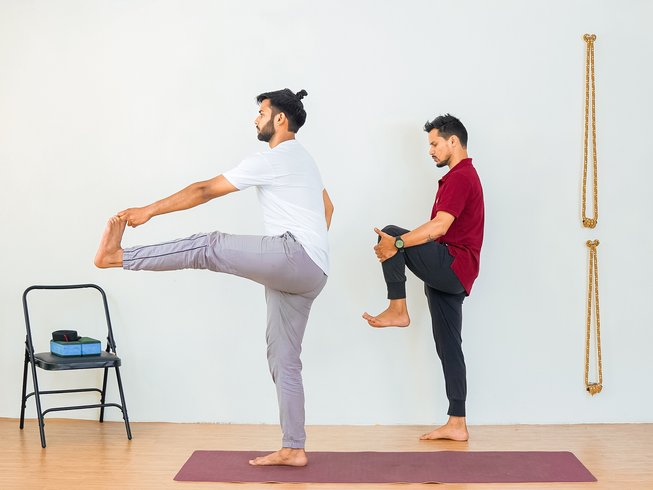
Traditional Hatha yoga
1. Historical contexts of hatha yoga
2. Surya Namaskar (Sun Salutation)
3. Chandra Namaskar (Moon Salutation)
4. Pawan Muktasana series A, B, C
5. Asanas (Postures):
- Standing Asanas
- Vajrasana Group of Asanas
- Backward Bending Asanas
- Forward Bending Asanas
- Spinal Twisting Asanas
- Balancing Asanas
- Inverted Asanas
- Relaxation Asanas
6. Sequences:
- Standing Sequence
- Kneeling Sequence
- Sitting Sequence
- Pronation Sequence
- Supination Sequence
- Inversion Sequence
- Twisting Sequence
- Hip-Opening Sequence
- Forward Bending Sequence
- Back Bending Sequence
Alignment and adjustment
1. Aspects of Yoga Alignment
2. Various Principles of Hands-Adjustments
3. Practical lessons on Alignments and Adjustment of various Asanas
Pranayama or breathing practices
1. Historical contexts of pranayama and subtle body.
2. Understanding of pranayama effects on your body.
3. Four Aspects of Pranayama
4. The Pranic Body
5. Five Major Pranas and Five Minor Pranas
6. Nadis - Channels of Prana
7. Ida Pingala and Sushumna
8. Location of the Nadis
9. Basic Understanding of Chakras
10. Different Types of Pranayama Practices
- Abdominal (or diaphragmatic) breathing
- Thoracic Breathing
- Clavicular Breathing
- Yogic Breathing
- Nadi Shodhana Pranayama/ Alternate Nostril Breathing
- Sheetali Pranayama/ Cooling Breath
- Sheetkari Pranayama
- Bhramari Pranayama
- Ujjayi Breathing
- Bhastrika Pranayama
- Kapalbhati Pranayama/ Frontal brain cleansing breath
- Surya Bhedi Pranayama
- Chandra Bhedi Pranayama
Meditation
1. History and philosophy of meditation.
2. Important terms in Meditation
3. Different Types of Meditation Practices
- Ajapa Japa
- Guided Meditation
- Mindfulness Meditation
- Raisin Meditation
- Trataka Meditation
- Chakra Meditation
4. Yoga Nidra
Mudras and Bandhas
1. Mudras (Hand Gestures)
- Five Element Theory
- Jnana Mudra (Psychic Gesture of Knowledge)
- Chin Mudra (Psychic Gesture of Consciousness
- Hridaya Mudra (Heart Gesture)
- Shoonya Mudra (Gesture of Emptiness)
- Apan Mudra (Digestion Gesture)
- Prana Mudra (Invocation of energy)
- Vayu Mudra (Gesture of Air)
- Prithvi Mudra (Gesture of Earth)
- Buddhi Mudra (Gesture of Intellect)
2. Bandhas (Energy Lock)
- Jalandhara Bandha (throat lock)
- Moola Bandha (perineum contraction)
- Uddiyana Bandha (abdominal contraction)
- Maha Bandha (the great lock)
Yoga anatomy, physiology, and biomechanics
1. Anatomy and Physiology
- Levels of structural complexities
- Skeletal System
- Muscular System
- Nervous System
- Endocrine System
- Respiratory System
- Cardiovascular System
- Digestive System
2. Biomechanics
- Force
- Joint Movements
- Safe Movements
History, yoga philosophy, and ethics
1. History of Yoga
2. Origination and Meaning of Yoga
3. Understanding of Patanjali Yoga Sutras
4. The Eight Limbs of Yoga
5. Understanding Bhagavad Gita
Teaching methodology
1. Sequencing
2. Pace
3. Environment and ambiance of a yoga class
4. Yoga Cues
Teaching practice
1. Teaching/guiding a yoga class
2. Command over teaching yoga
3. Essential skills for teaching a yoga class
4. Mentoring and feedback
What is Ayurveda?
Ayurveda believes in a holistic approach to well-being that takes into account the harmony of the body, mind, and soul. Herbal therapies, dietary modifications, yoga, meditation, and lifestyle adjustments are frequently used as treatments in Ayurveda.
What is the main aim of Ayurveda?
Ayurveda is based on the three life forces, known as doshas in the human body. They are known as pitta dosha, kapha dosha, and vata dosha. Each individual inherits a different combination of the three doshas. However, one is often more dominant than the others. An imbalance in the doshas leads to illness and health problems. Promoting health and preventing illness is the primary objective of Ayurveda.
Why should one practice the Ayurveda lifestyle?
Ayurveda offers individualized advice based on a person's dosha (constitution type), acknowledging that every person is unique. This personalized care has the potential to improve wellness and health behaviors.
Levels
You can learn Ayurveda if you are a beginner. It can be learned by anyone irrespective of age and experience.
What is the connection between yoga and Ayurveda?
Yoga and Ayurveda are both products of the old Vedic tradition, which offers a lot of intellectual, scientific, and spiritual knowledge. The goal of Ayurveda is to achieve internal equilibrium through herbal remedies, food habits, and lifestyle change and the goal of yoga is to perform asana, pranayama, and meditation to create physical and mental equilibrium. Together they offer a comprehensive approach to well-being.
Instructors
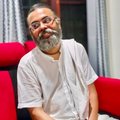
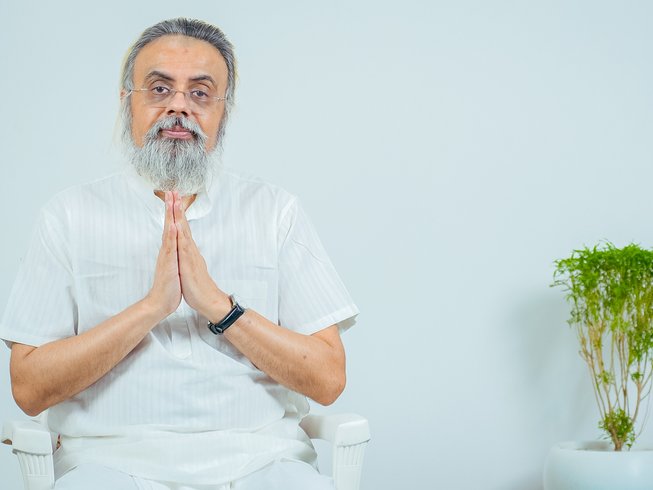
Gurudev Dhruvaji
Dhruvaji makes the most difficult yoga philosophy concepts very easy to understand. He is not just experienced in teaching but realized in yoga philosophy. His voice vibrates through all his chakras. Answering the most complex questions in the most understandable and easily implementable manner is his expertise. Dhruvaji has been a mentor to many yogis in selfless service for the past three decades. Education: E-RYT 500 Registered Yoga Teacher and YACEP from Yoga Alliance, master diploma (MD) in yoga therapy, diploma in sound therapy. 30+ years of overall teaching experience
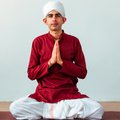
Man Mahesh Harjai
Mann Harjai is a very calm and humble yoga practitioner who is always ready to help others in whatever way he can, be it guiding or counseling, teaching the techniques of pranayama and meditation, or teaching the therapeutic effects of yoga. His main intention is to share with others the real essence of yoga by which we can make the best use of this human form of life. For the last 6 years, he has been sharing the science of yoga with people from around the world in different schools and NGOs. He has conducted several workshops in schools for teachers and children.
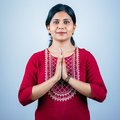
Aishwarya Upadhyay
Aishwarya has a deep understanding of yoga asana, pranayama, and meditation and articulates this knowledge in a clear and easy way for yoga students to understand. She plans her every class in a very professional manner taking care of all the important things that can help in easy and effective learning of her students. Education: M.A. in yogic science (Maharaja Agrasen Himalayan Garhwal University), M.Sc. in food science and nutrition (Banasthali Vidyapeeth), and Certified in Yin, Prenatal, Aerial yoga, and sound healing.
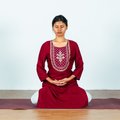
Meghna Banerjee
Meghna Banerjee is a yoga teacher, habit coach, and psychologist. She has worked on psychiatric cases in rehabilitation centers and has conducted yoga, meditation, and mental health sessions over the years in the corporate field. She has also offered lifestyle coaching and helped 1000+ clients transform their lives by incorporating healthy habits. Education: 500-RYT Certification in Hatha and Ashtanga yoga, 500-RYT in Kundalini yoga, mindfulness and resilience to stress at work certification from Berkeley, and 3+ years of yoga teaching.
Amit Rana
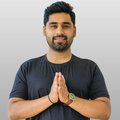
With a warm and charming personality, he creates a nurturing space where students feel not just heard, but truly understood. As a dedicated listener, he ensures that each student learns and embraces every aspect of the yogic journey. Education: Masters in yoga from the University of Sanskrit Vishwa Vidyalaya Haridwar, certified 500-RYT from Yoga Padma School Rishikesh, CCY (Certification Course Yoga) from Kaiwalyadhama, practiced Iyengar yoga under Gurus such as Usha Mata, Swami Rudra Deva Gowda, Praveen Nair, and Eyles Shefronn for about 7 years. 12+ years of teaching.
Dr. Prateek Singh Rawat
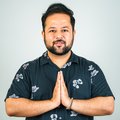
Dr. Prateek Singh Rawat has been one of the most efficient Ayurveda doctors in Rishikesh, India. Being a passionate and humble person, he took the lead in healing the people with his deep insight into classical Ayurveda. Moreover, Dr. Prateek Singh Rawat is a master in several other clinical sciences such as Panchakarma, Naturopathy, and Marma therapy, which helps him to smoothen the diagnosis and treatments. Being an expert in all aspects of Ayurveda, Dr. Prateek has been treating people with his vast knowledge of Ayurveda for more than ten years. He has 10+ years of teaching experience.
Location
This teacher training is held online. Nirvana Yoga School is located in Rishikesh, India (GMT+5:30). The course will include pre-recorded videos with lifetime access and they will live-stream yoga classes via Zoom which you can participate in from the comfort of your home.

What's included
- 200-hour pre-recorded course videos (4k high-quality video, clear 48KHz 24-bit audio).
- Assignments and exam
- E-books
- Manual
- Lifetime access to videos and educational resources
- Email and WhatsApp support
- Certificate of completion
- Eligible to register with Yoga Alliance - RYT 200, upon completion
What's not included
- Accommodation
- Food
Cancellation Policy
- A reservation requires a deposit of 100% of the total price.
- The deposit is non-refundable, if the booking is cancelled.

Reviews
For this organizer you can guarantee your booking through BookYogaTeacherTraining.com. All major credit cards supported.
Similar Yoga Teacher Training you might like
You recently viewed