14 Day 100-Hour Meditation Teacher Training in Agonda Beach, Goa, India
Agonda Beach Meditation Teacher Training India
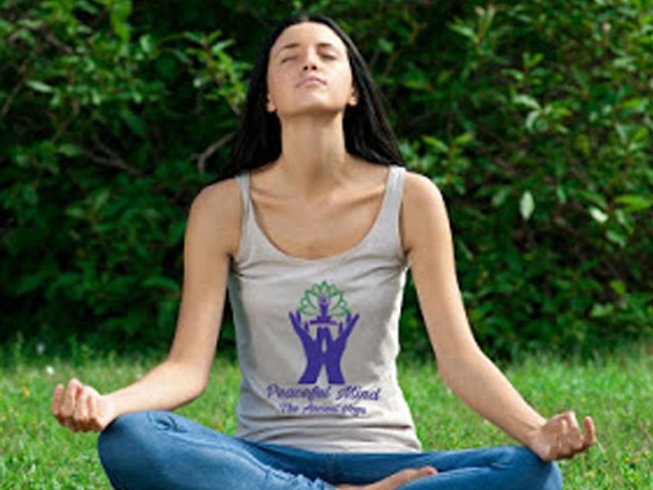
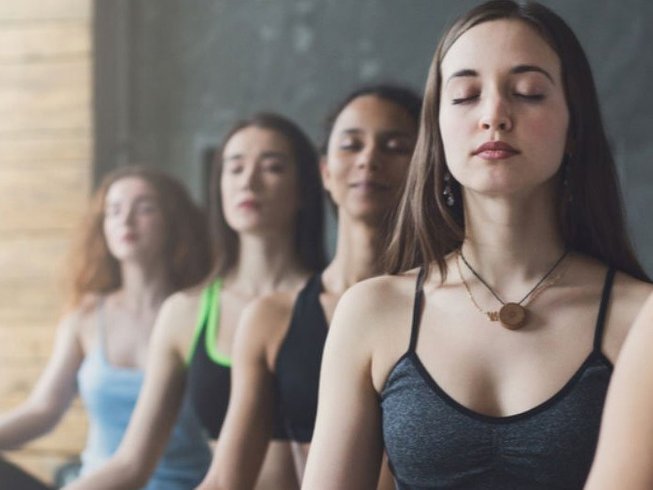
This is a 100-hour meditation teacher training in India with Peaceful Mind – The Ancient Yoga in Goa. This program is designed to offer training, guidance, and supervision to individuals who want to deepen their personal meditation practice, teach meditation to friends and family, integrate meditation into their current professions, or establish their own private meditation teaching practice.
Meet the instructors
Highlights
- Breathing awareness meditation, Trataka, and Dynamic meditation
- Certificate of completion
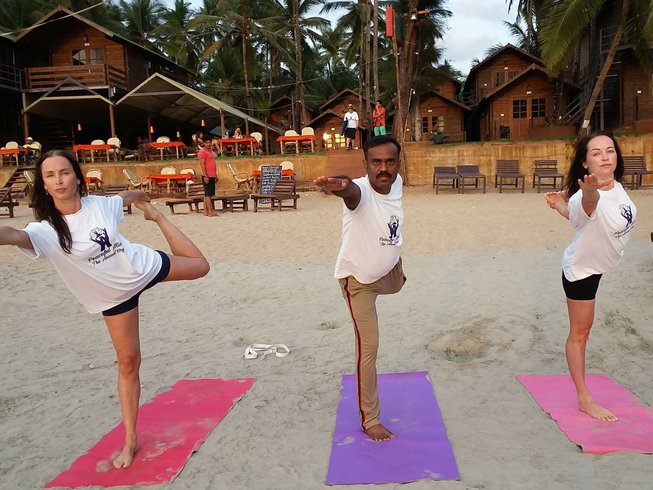
- Rejuvenating Hatha, Ashtanga Vinyasa yoga sessions
- Deepening bonds through simple singing around the fire with everyone
- Integration groups to help you synthesize the transformations that occur during training
- 13 nights accommodation in a relaxing and peace area
- Breakfast, lunch and dinner from Monday to Saturday afternoon
- Roundtrip airport transfers
Skill level
- Beginner
- Intermediate
- Advanced
Types
13 days with instruction in English
Accommodation
Facilities
- Hot tub / Jacuzzi
- Sauna
- Swimming pool (indoor)
- Swimming pool (outdoor)
- Table tennis
- Volleyball court
- Air-conditioned rooms
- Barbeque facilities
- Dining area
- Environmentally friendly
- Fireplace
- Garden
- Kitchen
- Lobby
- Lounge
- Poolside bar
- Terrace
- Yoga deck
- Free parking
- Free Wi-Fi
- Laundry
- Medical assistance
You will stay in private rooms with 24-hour hot water shower and Wi-Fi.
Program
Certifications
The course/hours count as Continuing Education hours for Registered Yoga Teachers (RYT®) only.
Overview
This program introduces participants to various meditation practices rooted in yoga, devoid of religious affiliations, and supported by scientific principles. It also provides education on the effects of acute and chronic stress on the body and mind, along with instruction in Restorative yoga and pranayama practices. No prior experience is necessary, and individuals of all body types are welcome to participate.
Throughout the course, participants will engage in immersive meditation practices complemented by gentle yoga and pranayama exercises. They will learn effective techniques for teaching meditation to others and will have the opportunity to practice teaching based on their own meditation experiences. Their experienced teachers will provide comprehensive coaching to enhance presentation and teaching skills, as well as guidance on how to effectively share meditation practices with different audiences. The program encourages deep connections with peers and fosters a supportive learning environment for all participants.
The program aligns with the standards and curriculum outlined by Yoga Alliance as a Continuing Education program for yoga teachers, meeting the approved clock hours of training. The program covers a comprehensive range of topics under Techniques Training and Practice. This includes preparatory asanas, pranayama, kriyas, chanting, mantra, meditation theory and practice, the philosophy of meditation, teachings from the Bhagavad Gita, yogic lifestyle, and various traditional, modern, and scientific meditation techniques. Participants will also explore energy anatomy and physiology, including chakras, nadis, and more. The training hours encompass analytical instruction on how to teach and practice the techniques, as well as guided practice sessions to deepen understanding and proficiency. Participants will gain insights into the benefits, contraindications, and healthy movement patterns associated with each technique, fostering a holistic approach to meditation practice and teaching..
Course details
1. Recitation of sacred sound (mantra chanting)
By combining sound, breath and rhythm, mantra meditation channels the flow of energy through the mind-body circuit, adjusting the chemical composition of internal states and regulating brain-hemisphere imbalances, contributing to a natural abatement of fear and despair—emotions that underlie both of these common afflictions. By balancing the nervous system, chanting regulates the chronic stress and tension that is the norm for many people in today’s hyper-stimulated lifestyle. And by balancing the endocrine system, chanting normalizes hormone production, which balances moods and overall sense of well-being.
- Gayatri Mantra - Gayatri Mantra is a powerful mantra from the Rig Veda that purifies, guided, protects and heals. It removes darkness and brings light. Everyone can chant this mantra.
- Maha Mrityunjaya Mantra - Maha Mrityunjaya Mantra is from the Rig Veda. It wards off all negative and evil force, cures diseases and protects from all mishaps. Everyone can chant this mantra.
- Om Asato Maa Sadgamaya (Mantra from Upanishad)
- Om sahana vavatu (Mantra from Upanishad)
- Guru Brahma Guru Vishnu Gurudevo maheshwara (Guru stotram)
- Yogena Cittasya (Sloka on sage Patanjali)
2. Yoga postures (asana)
The Indian Sages of Vedic times—the Rishis, had discovered the super science of yoga guided practical ways for accomplishing complete well-being. The Rishis had devised methods to awaken the unlimited powers (potentials) of human life by means of yoga, the real meaning and scope of yoga, and presents a new method of practicing it for strengthening and rejuvenation of body and mind. Students will gain extensive knowledge on yoga postures and will increase their strength, flexibility and discipline. The yogasana is fast and feasible, yet, comprehensive-in-effect. It can be practiced by people of all age groups without any time constraints.
Hatha yoga
According to Indian tradition, one of the primary objectives of Hatha yoga includes deepening concentration, called Dharana, to enhance meditation and bring energy and health to the body and mind by opening the nadis, or channels of Kundalini energy. The opening of nadis through Hatha helps promote spiritual growth and understanding, according to Indian tradition.
Because Hatha yoga’s pace is slow and gentle, it is an ideal starting place for people who are new to yoga. One of the more challenging aspects of a yoga practice is combining movements with breathing control, or pranayama; a slow pace assists newcomers in moving correctly with the breath according to Hatha principles. Students of Hatha yoga hold each pose through several breaths.
- Surya Namaskar (Sun salutation) and Chandra Namaskar (Moon salutation)
- Alignment, Assist and Adjustment for the following Asanas (Postures)
- Pawanmuktasana series 1
- Pawanmuktasana serie 2
- Pawanmuktasana series 3
- Surya Namaskar (sun salutation)
- Chandra Namaskar (moon salutation)
- Tadasana (palm tree pose)
- Triyak tadasana (swaying palm tree pose)
- Trikonasana (triangle pose)
- Parivirtatrikon asana – revolving triangle pose
- Uttkatasana – chair pose
- Virbhdrasana 1 - warrior 1
- Virbhdrasana 2 - warrior 2
- Virbhdrasana 3 - warrior 3
- Ardha Chandrasana - half moon pose
- Vriksasana – tree pose
Ashtanga Vinyasa yoga
Vinyasa yoga requires a working knowledge of yoga and is more advanced than Hatha yoga, in that it demands more physically through the poses. This form of yoga is a series of postures that work the cardiovascular system with its flowing movements and quick pace. All of the poses are linked and combined with a rhythm of inhalations and exhalations aimed to build heat in the body. Vinyasa yoga, also called Ashtanga yoga, is a fast-paced series of postures or asanas that focuses on the flow between movements, rather than individual poses.
The purpose of Vinyasa yoga is internal cleansing. By synchronizing the asanas with breathing control, your internal temperature rises. According to Ashtanga, the asanas performed in Vinyasa heat the blood, subsequently thinning it so it flows more freely in the body, which creates a healthier, lighter and stronger mind and body.
Coverage: Alignment, Drishti, Adjustment, Options
- Surya Namaskar A
- Surya Namaskar B
Full Primary Series:
- Padangusthasana
- Padahasthasana
- Utthita Trikonasana
- Parivrtta Trikonasana
- Utthita Parsvakonasana
- Parivrtta Parsvakonasana
- Prasarita Padottanasana A B C and D
- Parsvottanasana
- Eka Pada Padangusthasana A B C and D
- Ardha Baddha Padmottanasana
- Utkatasana
- Virabhadrasana A and B
- Dandasana
- Paschimottanasana A B C and D
- Purvattanasana
- Ardha Baddha Padma Uttanasana
- Triang Mukaikapada Pashimottanasana
- Janu Sirsasana A B and C
- Marichyasana A B C and D
- Navasana
3. Pranayama (breathing practices)
The Vedic sages (Rishis) have rewarded people with invaluable knowledge for well-being and mental and spiritual evolution. The yoga science of pranayama is unique of such precious gifts, which offers enormous benefits to physical as well as subtle bodies by enhancing Prana (Vital spiritual energy). The fourth Anga (part) among the eight fold system of yoga (Astanga-yoga) given by Maharshi Patanjali is pranayama (divine breathing exercises to enhance vital energy). Pranayama is composed of two words—Prana and ayama. Prana prefers to the Vayu (living energy) flowing in the word prana and ayama means its control. Its practice keeps the entire body healthy.
Week 1
- Introduction of pranayama, benefits of pranayama, general guidelines
- Clavicular, Thoracic and Diaphragmatic Breathing (Yogic Breathing)
- Ujjayi
- Bhastrika
- Kapalbhati
Sitting postures for Pranayama sadhana
- Easy pose
- Half-lotus
- Swastikasana
- Siddha yoni asana
- Nadi – Sodhana
- Bhramari
- Surya – Bhedi and Chandra – Bhedi
- Sheetali and Sheetkari
- Pranakarshan Pranayama
- Bhastika Pranayama
4. Meditation (Dhyana)
Meditation is a systematic practice that promotes physical, mental and emotional tranquility with the purpose of reaching Samadhi (self-realization). Meditation is relaxation. It is not about concentration, it’s actually about de-concentration. It’s not about focusing one’s thoughts on one thing, but instead on becoming thoughtless. With meditation, the physiology undergoes a change and every cell in the body is filled with more prana (energy). This result in joy, peace, enthusiasm as the level of prana in the body increases. Meditation brings the brainwave pattern into an alpha state that promotes healing. The mind becomes fresh, delicate and beautiful. It cleanses and nourishes you from within and calms you, whenever you feel overwhelmed, unstable, or emotionally shut down with regular practice of meditation.
- Breathing awareness meditation
- Trataka
- Dynamic meditation
- Tips for developing concentration
- Silence meditation
5. Yoga Nidra (psychic sleep)
When a yoga practitioner moves through the various internal states of yoga Nidra, a profound experience of relaxation occurs. This is called "Turiya," a sensation of pure bliss. Yoga Nidra, a Sanskrit term meaning "yogic sleep," is a deep relaxation technique and a form of meditation. Also called "psychic sleep," yoga Nidra is a state between sleeping and waking. The body is completely relaxed and the practitioner turns the awareness inward by listening to a set of instructions; much like a guided meditation. Performing yoga Nidra involves practicing pratyahara ("withdrawal of the senses"), which is the fifth limb of Ashtanga yoga.
Yoga Nidra practice results in deep relaxation and expands the individual's self-awareness. Yoga Nidra was practiced by ancient sages so they could consciously watch their samskaras, or the "impressions of the mind." They could also purify their samskaras in order to come closer to liberation, or moksha.
The practice of yoga Nidra not only involves pratyhara, but also requires pranayama (breathing techniques) and dharana ("concentration"), which are the fourth and sixth limbs of Ashtanga yoga.
In yoga Nidra, the practitioner enters their alpha state and their focus shifts to the third eye chakra (sahasrara). It also stimulates the hormones in the pineal gland, which releases melatonin—a hormone that reduces stress, boosts the immune system and helps prevent illness. Regular practice helps harmonize the brain hemispheres, promoting better mental performance.
Yoga nidra offers other amazing health benefits, as well, including:
- Calms the mind
- Relaxes and rejuvenates the body
- Soothes the nervous system
- Reduces fatigue
- Lowers high cholesterol and blood pressure levels
- Strengthens immunity
- Improves quality of sleep
- Treats depression
- Reduces pain
- Boosts concentration level
- Supports brain function and boosts creativity
- Basic relaxation
- Tension relaxation
- Full body relaxation
6. Yoga cleansing (Shatkarma or Purification)
The Shatkarmas purify the body. Their purpose, however, is not only physical purification, but inner purification as well. When the body is purified, internal disorders are removed and goods health is achieved. Without such purification the body will not be ready for the higher practices of yoga. After purification a human being lives longer on this earth. In the Upnishads and Vedas it states in number places that human beings remains healthy and free from disease, living for a hundred years or more is natural.
- Rubber-neti
- Jalneti
- Kapalbhati
7. Yoga philosophy (Yoga Darshana)
Yoga philosophy is the foundation of yoga practice and is the key to earn yogic strength. Through the path of Vedanta philosophy, you will establish a solid, well-rounded yoga practice. Yoga philosophy is closely related to one of the other six schools of Hinduism, Samkhya, but unlike Samkhya, yoga accepts the concept of God, described by Patanjali as Ishvara. Some scholars describe yoga philosophy as "Samkhya with God." While Samkhya states that knowledge is the only path to moksha, yoga says that it should be combined with systematic practice, or personal experimentation.
Week 1:
- Introduction to yoga, its philosophy and evolution
- Introduction to yoga sutras of Patanjali
- Definition of yoga
- 4 aspects of mind and its functions
- Daily Schedule of a yoga student
- Principles of 5 Basic element and 10 Senses
Week 2:
- Yama, Niyama (4 days)
- Asana, Pranayama and Pratyahara, Dharana, Dhyan, Samadhi (2 Days)
8. Anatomy and physiology (Sharir Vigyan)
One must know about the organization of the human body and how different parts of the human body work. The study also involves the knowledge of how various conditions affect the functioning of different body parts to maintain life and health. An introduction to anatomy and physiology is learning various systems that compose the human body. The synchronized working of all these systems explains the miraculous organization of the human being, a complex multicellular organism.
Brief overview:
- Digestive system
- Respiratory system
- Nervous system
- Organs
- Bodily systems
- Nadis
- Chakras
What you will learn
- Kundalini practices (to awake the hidden energy)
- Tantra practices (to unite and balance the Shiva and Shakti)
- Hatha yoga (for physical health and flexibility)
- Pranayama (for energy balance and proper breathing)
- Meditation (for calming and relaxing the mind to achieve stillness and stability in your life)
- Bandhas (for awakening the hidden energy and channeling the energy in the proper direction)
- Mudras (yogic gestures that help you to save your energy so that you can make yourself always happy)
- Philosophy (you can understand your life better and the function of Kundalini Shakti)
- Satkarma (detox cleansing will help you to make yourself lighter and open to awake the energy)
Pre-application requirements
- Those who want to develop the skill of teaching in the path of traditional Kundalini, Tantra, and meditation
- Good for beginners and advanced yoga practitioners
- Those who are willing to awaken the hidden energy
- Those who have at least six months of yoga experience or better
- Those who are interested to teach meditation and practices
Daily schedule
- 5:30 Morning bell
- 6:30 to 7:30 Mantra chanting and pranayama
- 7:45 to 9:00 Hatha yoga
- 9:15 to 10:00 Breakfast
- 11:00 to 12:00 Anatomy
- 12:15 to 13:15 Alignment, adjustment and methodology
- 13:30 to 14:30 Lunch
- 14:30 to 16:30 Resting, reading books
- 16:30 to 17:30 Yoga philosophy
- 17:30 to 18:30 Vinyasa yoga
- 18:30 to 19:15 Meditation
- 19:30 to 20:30 Dinner
- 22:00 Lights off
Instructors
Satendra Shrivastava
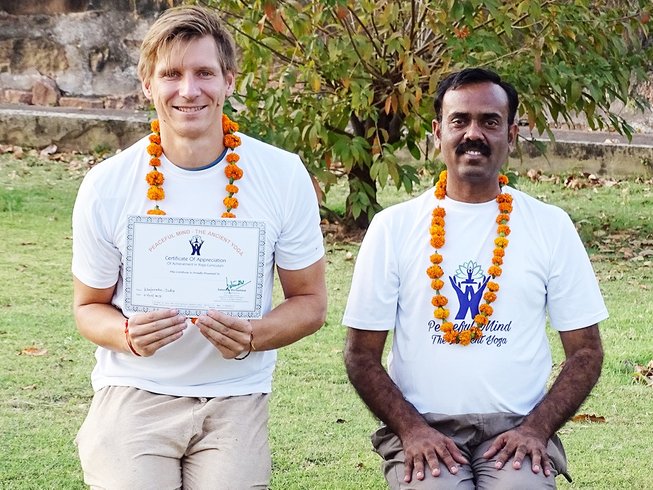
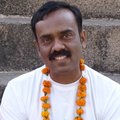
Yogi Satendra is the founder of Peaceful Mind - The Ancient Yoga with 27 years of experience in the field of teaching multi-style yoga and meditation for mental and physical well-being and inner strength. He is also a certified yoga therapist and has a postgraduate diploma in Yogic Science and certified in "Health Conservation" from a renowned university in India. His philosophy style involves correct postural alignment, balancing strength and flexibility, applying suitable modifications, variations, and creating a compassionate space where people feel safe to explore and challenge themselves.

Shreya Shrivastava
Shreya Shrivastava is a spiritual and professional yoga teacher and co-founder of Peaceful Mind - The Ancient Yoga, India, with an experience of nine years in the domain of yoga. She is a yoga mentor with diversified experience in meditation, pranayama, Hatha yoga, mantras chanting, and yoga philosophy. She is a highly dedicated, experienced, and passionate yoga instructor.

Chetan Kumar
Yogi Chetan is a registered experienced yoga teacher. He completed his Master's Degree MA in Yogic Science and Ayurveda from Himalaya Ayurveda Medical College and Hospital, Dehradun, India. Yogi Chetan has five years of yoga teaching experience in various yoga schools in India as a Hatha yoga and Ashtanga, Vinyasa yoga teacher.
Location
This program takes place in Agonda, Goa, in India.

Food
You will be provided with breakfast, lunch, and dinner, except on Saturday nights and Sundays; two herbal teas; and filtered unlimited drinking water.
The following meals are included:
- Drinks
The following drinks are included:
- Water
- Tea
The following dietary requirement(s) are served and/or catered for:
- Regular (typically includes meat and fish)
What's included
- Registration fee
- Tuition fee
- Certificate of completion
- Study material
- Yoga kit (two t-shirts, one yoga bag and water bottle – stainless steel)
- Spiritual dance and movement sessions
- Hatha yoga, Ashtanga Vinyasa yoga sessions in the afternoon and evening with resident yoga experts
- Integration groups
- Three beautiful gifts to be given on farewell
- A wonderful picnic in the jungle and mountain area
- Daily breakfasts, lunches, and dinners (except on Saturday nights and Sundays)
- Teas lovingly prepared by staff from locally sourced, vegetarian ingredients
- Goa International Airport (Dabolim Airport) (GOI) pick-up and drop off
- 13 nights beautiful and luxurious accommodation
What's not included
- Airfare
- Other traveling expenses
- Visa expenses
- Travel or other insurance
- Medical facilities
- Vehicle
- 30- to 60-minute massage on extra cost
- Personal expenses
- Other meals
How to get there
Recommended Airports
Transfer included
Goa International Airport (Dabolim Airport)
42 km away from your destination
Arrival by airplane
Please book your flight to arrive at Goa International Airport (Dabolim Airport) (GOI). Roundtrip airport transfers are included in the price.
Cancellation Policy
- A reservation requires a deposit of 14% of the total price.
- The deposit is non-refundable, if the booking is cancelled.
- The rest of the payment should be paid 30 days before arrival.

Reviews
For this organizer you can guarantee your booking through BookYogaTeacherTraining.com. All major credit cards supported.
Similar Yoga Teacher Training you might like
You recently viewed