
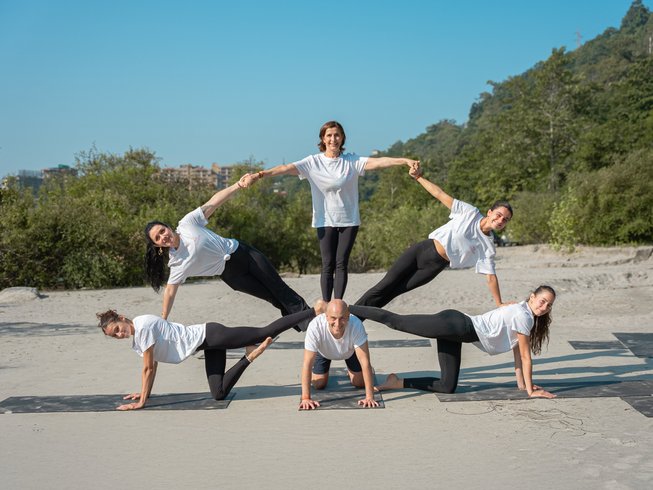
30 Day 300 Hour Hatha, Ashtanga, Vinyasa, Yin, Ayurveda, Therapy, Sound Healing in Rishikesh, India
300-Hour Yoga Teacher Training in Rishikesh, India
Discover a new you with this 300-Hour Yoga Teacher Training Program in Rishikesh, India. Deepening your practice of this ancient art will enable you to experience life-altering transformations, gain grounded strength, and restore energy balance. With this course, you will be guided to your path of betterment, where you'll get to explore yoga like never before. Experience all that yoga has to offer with the opportunity to learn from professionals with years of experience. Transform your practice by opting for an immersive and dynamic training program crafted for maximum benefit. As you prepare for your yogic voyage, you will be reminded that this is a one-of-a-kind experience that you will cherish for life. You can also consult the teachers for any advanced training or requirements, and they shall seek the best for it.
Meet the instructors
Highlights
- 28 days of 300-hour yoga teacher training course
- Get the teacher training manual on arrival
- Certificate upon completion
- 29 nights of accommodation
- Explore Rishikesh, the soul of yoga with organized excursions
- Vegetarian yogic food
- 12+ years of experience and excellence in yoga.
- Classes with more focus: Each class has a maximum of 15-20 students
Skill level
- Beginner
- Intermediate
- Advanced
Types
28 days with instruction in English
Accommodation
Facilities
- Air-conditioned rooms
- Café
- Concierge desk
- Dining area
- Environmentally friendly
- Garden
- Kitchen
- Lobby
- Luggage room / storage
- Meditation garden
- Picnic area
- Smoke-free property
- Terrace
- Yoga deck
- Yoga shala
- Yoga studio
- ATM / banking
- Car rental
- Cell phone rental
- Currency exchange
- Free parking
- Free Wi-Fi
- Internet access
- Ironing / ironing board
- Laundry
- Library
- Medical assistance
- Newspapers
- Parking lot
- Tour assistance
- Wireless internet
It's a significant change when you leave your comfort behind and travel to this corner of the world. So, Sarvodaya Vinyasa Yoga School must care for you and ensure you are healthy, happy and smiling. But it takes quite an effort because they understand every individual has their own expectations, and for them, what all matters is your satisfaction.
Starting from comfortable stays to a healthy yoga diet, the school ensures nothing is left behind and you are served the best hospitality in the world. Also, India is known for its generous hospitality worldwide, so they leave no stone unturned in proving it. Your comfort comes first.
Accommodation at Sarvodaya Vinyasa Yoga School
Creating an ideal environment for your yoga journey is their top priority. They understand that a peaceful and clean environment is as important as a focused practice. That's why your stay at the school is backed by stringent healthcare standards and a comprehensive checklist. Every room is thoroughly sanitised and safety-checked three times before you step in. They take every precaution and hygiene check to ensure they meet the highest standards, providing you with maximum comfort and a worry-free stay:
- Cosy beds, ample storage
- Snuggable mattress, clean linens
- Peaceful surroundings
- Serene views from the window
- Free Wi-Fi, hot water, and air-conditioning
- Odor-free rooms
- Private/shared rooms available
- 24/7 water availability
- Positive learning environment
- Hygienic surroundings
- Community vibe
- Perfect, luxurious stays
Program
Prerequisites
For your initial training as a beginner, all you require as prerequisites (which is that a student should complete the Level 1 of 200-hour YTTC first) are a passion for yoga and a will to transform your life for the better. Over the duration of the course, you will be taught everything you would need to safely and effectively teach yoga to others, in addition to practices for happier, more authentic, and heart-centered living.
This course offers diverse experiences for a yoga enthusiast. Both theory and practice are taught in coordination. That’s one more highlight of the course that adds a great benefit to students. As you rise and shine in yoga, your body feels more confident, and you learn to live your life with more discipline and decorum.
They say a place greatly influences everyone, and even Sarvodaya Vinyasa Yoga School originates in the mighty Rishikesh, so their core feels more connected to yoga. The velvet green carpet-looking mountains of the Himalayas and the sacred water of the Ganges that flows through them have different stories to tell. The perks of doing this course in Rishikesh are abundant. The vibes and frequency of the place hit differently once you step onto the holy land. The whole feeling is divine, and they know you will thank yourself later for the unimaginably fantastic yoga retreat.
The 300-Hour Yoga Teacher Training Course is designed to help students develop themselves individually and effectively transition to a certified yoga instructor. The teaching methods meticulously blend logical and abstract understanding with hands-on experience, which paves the way for a student to transform from a novice practitioner to a proficient instructor well-versed in his craft.
What is Yoga?
Originating in India, the country known for its rich cultural heritage, yoga is the ancient sacred practice of physical, mental, and spiritual techniques. It includes the practice of poses that aid in improving strength and flexibility and promote inner balance and relaxation. It also consists of breathing exercises, meditation, and chanting. Yoga also has a spiritual component to itself that fosters self-introspection and mindfulness.
What Can You Achieve through the 300-Hour Yoga Teacher Training?
In this 300-Hour Yoga Teacher Training Course, you will be guided by expert teachers and gurus with decades of experience under their belt. You will learn all the key asanas, techniques for attaining body-mind harmony, and control over movements in intricate postures while learning to be one with nature. You will also gain insights into suitable diets and purity ceremonies, in addition to learning about ways to effectively and confidently make adjustments in classes and navigate complex situations.
This course is an opportunity for students to gain a new perspective on the yogic lifestyle. Students are guided to understand ways of relaxing their body and mind while emphasizing the development of personal space in their lives. The program allows participants to make a shift from mundane thinking to an enhanced consciousness of equilibrium and harmony between themselves and the world around them.
The 300-Hour Yoga Teacher Training Course starts off with the history of yoga, where students gain an in-depth understanding of asanas. Followed by learning about the impact of pranayama and meditation on their physical and mental well-being and lifestyle. They will learn about yogic discipline, including diets and cleansing services. This curriculum covers the advanced concepts of yoga and is specifically designed to help students achieve their highest potential as confident and well-versed yoga teachers.
The teaching approach, combined with one-on-one teaching sessions, empowers students to find within themselves their true potential to become instructors with the highest proficiency in skills. Isn’t it a once-in-a-lifetime thing you would cherish forever in your heart? And you know, what’s more, you get to experience?
- A warm welcome from teachers and staff
- Some majestic views from your room’s window
- Wholesome Saatvik food specially prepared by chefs
- A cosy library to read and write your thoughts
- A meditation room where you can chant and musing
- A family-friendly habitat
- A close-knit community of yoga enthusiasts
- Clean, hygienic, green and fresh environment
- Stroll in some beautiful walkways that connect through the garden area
- Enjoy spiritually motivated jamming sessions after your course to feel more energetic and active.
Things to Know Before being a part of this 300-hour Yoga Teacher Training Course
What is Hatha Yoga?
The human body has two sides Nadis (channels), the Ida Nadi (left channel) and the Pingala Nadi (right channel). Ida Nadi is associated with the lunar energy, or the moon, and Pingala Nadi is associated with the solar energy, or the sun. Practicing Hatha Yoga leads to the balancing of both of these energies, which then results in one experiencing good health and well-being. Hatha Yoga is a stubborn yoga wherein the practitioner is required to perform different sets of physical poses with varied breathing techniques. The ultimate aim of this yoga style is to illuminate an individual's spiritual goals to the highest level.
Hatha Yoga Practice
The 300-Hour Yoga Teacher Training Course helps to broaden your horizons to an extreme extent as a yogi. You are taught the fundamentals of the ancient Hatha Yoga text of Hatha Yoga Pradipika, which forms the basis of the theoretical and practical classes of Hatha Yoga Practice. Hatha Yoga Pradipika is the oldest ancient text depicting the physical practices of Hatha Yoga. Additionally, according to the scriptures, Lord Shiva was the first practitioner of Hatha Yoga.
What is Vinyasa Yoga?
Vinyasa Yoga is a unique practice that strengthens you and aids you in living a graceful life. The word Vinyasa consists of two words: "Vi," meaning special, and "Nyasa," meaning establishment. Hence, the meaning of Vinyasa can be interpreted as the establishment of the mind into something special. It is a modern take on the ancient Ashtanga Vinyasa Yoga tradition. Despite the seemingly fixed sequence in Vinyasa Yoga, variations in postures are frequently seen. An example of a simple Vinyasa is the Chakravakasana (cat cow pose). On the other hand, the Suryanamaskar (sun salutation) is an example of a complex Vinyasa where each movement is guided by inhalation and exhalation of breath.
Vinyasa Yoga Practice
The curriculum of the 300-Hour Yoga Training Program comprises multi-style yoga asanas and the complete practice of the Vinyasa Yoga style, along with theoretical and practical sessions of Vinyasa Yoga Practice. Asana is a great way to maintain your health, in addition to keeping you active. It helps reduce stress and enhances cardiac endurance while improving the emotional and spiritual growth of the body.
What is Ashtanga Yoga?
The name of this yoga style can be easily understood by the words that make it up: "Ashta," which means eight, and "Anga," which means limb. However, the true definition of Ashtanga Yoga can be found in the Yoga Sutras of Patanjali, an ancient text on the theory and practice of yoga compiled by Sage Patanjali. Ashtanga Yoga is referred to as eight-limb yoga, which indicates the eight components or paths of Ashtanga Yoga to achieve physical, mental, and spiritual goals. The eight limbs of Ashtanga are: Yama (principles), Niyama (personal discipline), Asana (postures), Pranayama (breathing exercises and practices), Pratyahara (isolation), Dharana (concentration), Dhyana (meditation), and Samadhi (salvation). These are considered a holistic approach to attaining physical, mental, emotional, and spiritual purity.
Ashtanga Yoga Practice
Ashtanga Yoga Practice is one of the yoga styles taught in the 300-Hour Yoga Teacher Training Program. It helps you become a confident yoga teacher who possesses a thorough understanding of the Ashtanga Yoga style.
You Should Know These Benefits of our 300-hour Yoga Teacher Training Course
Yoga needs no introduction, but you must know how transformative it can be for you. The school has seen life-changing experiences in people during the course. No matter if they are in their young 20s, super 40s or great 60s. Every time someone comes for the yoga training course, they feel liberated throughout it, and there is this different feeling of relaxation that aligns with their body movement and mental awareness. Witnessing how much yoga impacts a human being in several beautiful ways is magical.
- Authentic, traditional and actionable: Yoga here is all about the above three ingredients. You live yoga to the fullest.
- A spiritual, mental and movement shift: This yoga course is a journey that is all set to make you realise your value.
- Experience a unique culture: The school runs on a set of standards that build a safe, homely, and welcoming abode for students.
- Your professional beginning: Are you seeking a career out of yoga? You are just at the right place.
- It’s all about yoga and you: You will be taken on a yogic transformation that will lead you to meet a new/revamped version of yourself.
- Workshops and lectures: It is not just yoga; you learn about life and more during your course.
- Personal growth and reflection: This course allows you to explore and find your purpose in living a fulfilled life.
- Multiple yoga sessions and chanting classes: You experience a variety of yoga and diverse mantra chanting exercises.
- A light on Ayurveda: Ayurveda is very relevant to the Indian history, and you can experience it.
- Digital detox: Since you are away from your digital assets most of the time, yes, it will be a no-no digital day.
Detailed Syllabus
Sarvodaya Vinyasa Yoga School’s mission is to raise awareness of yoga as a physical bodily exercise and a process in which people develop as mindful individuals. All the programs are tailored so that you learn more in yoga, apart from helping you to embrace the better person within. By practising diligently, self-analysing, and empowering oneself, or other highly effective and similar educational approaches, one finds out that there are more layers of possible, more substantial and a lot more peaceful deep down within.
This extensive yoga teacher training program will guide you to physical, mental and spiritual integration based on yogic science, meditation and introspection. Whether you are just starting your yoga journey or are interested in becoming a teacher, they want to help you become proficient enough to find your way through life with equilibrium, fully engaged in the present moment, and content with your purpose.
Also, welcome to Rishikesh, the most sought-after destination in the world, where you can enlighten your life by mastering the primaeval exercise of yoga. Take hold of the line of spiritual aspiration and open a tremendous new world within.
Why Choose This 300-hour Yoga Teacher Training Course?
- Comprehensive curriculum, intensive course
- Traditional practices, supported by scientific relevance
- 150+ yoga asanas to learn and practice
- More than 13K students have graduated till date
- Small batches, more divided attention
- Healthy and Saatvik food
- Comfortable stays and accommodation
- Best excursion programs with guide-tours
- A worldwide yoga platform that has welcomed students from 134+ countries in the world. 40+ teachers with *International exposure, out of which 15 are international winners in yoga competitions
- Teachers with 20+ years of experience
- Situated at the best location from the centre and mighty mountains
- From eminent personalities to students from science, culture, social, entertainment, and more who have been a part of the yoga courses
- Understanding the importance of Ayurveda in yoga.
Decode a Brand-new Lifestyle
Yes, you have to leave everything behind for a few days and accept the new schedule you will introduce as you sign up for this retreat. You must wake up at a particular time and eat a healthy yogi diet. Living a disciplined life comes with its own perks, and yours are weekend getaways where students experience the natural beauty of Rishikesh, like Beatles Aashram, sunset spot, evening Ganga Aarti on the banks of Ganges and some tremendous treks that strengthen and prepare you for everything. Trust this; not everyone is that lucky to see this side of life where you leave the hustle and bustle and feel the fresh breeze flowing through.
Your Daily Practice Routine Begins Here
There is no formula to win in life; it’s only discipline.
Our modern lives have enslaved us, and what we do, what we process and how we live have changed bitterly. This retreat is a way to amend these changes and turn them into a more organised way, or you can say that we are trying to make a more disciplined and successful lifestyle. So, are you ready to win at life by experiencing this transforming retreat and yoga training, which will bring you closer to your goals?
Sample of Daily Schedule
- 05:00 Morning Bell
- 06:30 - 07:30 Shatkarma and pranayama
- 07:30 - 09:00 Traditional Hatha yoga
- 09:00 - 10:00 Breakfast
- 10:00 - 10: 45 Yoga anatomy
- 11:00 - 11:45 Yoga alignment and adjustment
- 12:15 - 12:45 Mantra chanting and Yin/Therapeutic yoga
- 13:00 - 14:00 Lunch
- 15:00 - 16:00 Yoga philosophy
- 16:00 - 17:30 Ashtanga yoga and Vinyasa flow yoga
- 18:00 - 19:00 Meditation and Restorative yoga
- 19:10 - 20:00 Dinner
- 20:00 - 20:30 Bhakti yoga
- 22:00 Lights off
Note:
During major holidays in India, such as Diwali, Holi, and Raksha Bandhan, please note that classes will not be conducted as per the regular schedule. Additionally, it is important to be aware that the graduation date for the course may be extended by a day to accommodate these holiday breaks.
The Ladder of New Beginnings: How Does It Feel to Be a Part of the #1levelup Course?
You must be wondering what this is and how it feels to be a part of this #1LevelUp course. Well, at Sarvodaya Vinyasa Yoga School, every course is a different journey with various challenges, achievements and memorable events that mark a beautiful sum-up of your course.
Certificate Ceremony
One of the most celebrated ceremonies is the graduation ceremony, which is executed to celebrate the successful passing out of students in the respective course. This is also called the 1LevelUp #ceremony, filled with emotions, expressions and endless conversations. It is indeed one of the best to witness and be a part of. It gives you that confidence and liberty, which boosts personal growth and significantly marks your readiness to participate in the next step of your yoga journey.
Detailed Syllabus - 300 Hour Yoga Teacher Training
Some individuals think that flexibility of the body is a requirement to attend a 300-hour yoga teacher training program. But, the idea that it is easy to earn money couldn’t be any further from the truth. Where it is at, however, is far more important – in the words of the poem, the truth that ‘what is said is not of significance to anyone’ and ‘what truly matters is an open and receptive mind. ’ As with other activities in the daily routine, flexibility of the body will progressively increase as practice is followed over the period. Pacing in the course will be implemented in a progressive manner to ensure that the students progressively get to improve on their physical and mental flexibility.
Lessons that will be supported by prior teachers will teach participants to transform and feel more muscular and sinewy as well as mentally tough. Since the course is a slow progression of yoga, it is not necessary that one had yoga training before as it starts off from the basics.
You don’t have to be a beginner or an expert – all levels are welcome in this 300-Hour Yoga course. Learning approaches used are flexible so that no student will feel overburdened or, on the other hand, feel that the class is a repetition of the same thing all over. Each day brings new experience – that is why it is said that each person knows something more than the other.
Hatha Yoga
Coming from the Sanskrit word of ‘hatha’ meaning sun and moon, Hatha Yoga is a discipline that has been in existence for centuries and has a major positive impact on one’s physical and psychological well being. This form of yoga entails the use of several methods that were developed over ages that focus on the body and mind with an aim of regaining control over such conditions.
Hatha Yoga involves performing asanas at slow to moderate speed, whereby the participants are able to maintain each position for an extended period of time. Besides, it effectively engages the body and the mind in preparation for more profound forms of meditation and has multiple benefits for one’s overall well-being and perception of life.
Hatha, in Sanskrit, means pressure or force which gives a hint on the amount of force used in the style more of physical force. Hatha yoga is aimed at achieving an ideal mix of the postures or asanas, breath control and certain intonations or mantras, as well as gestures or mudras. It is aimed at achieving harmonisation of the body and the mind to ensure that they are balanced hence the name, ‘the centering practice’. For this reason, Hatha Yoga involves the deliberate usage of a regulated force and focused pressure to balance the body’s energies, increase flexibility and muscle strength, as well as the relaxation of mind and the body. Besides, following this line of training leads not only to readiness to perform higher states of meditation but also contributes to human health and development of positive attitude towards life.
There are fifteen poses and these include the Svastikasana, Gomukhasana, Virasana, Kurmasana, Kukkutasana, Uttana Kurmasana, Dhanurasana, Matsyendrasana, Paschimatanasana, Mayurasana, Shavasana, Siddhasana It is an activity that equally and reunites the physical, the mental and the spiritual parts of a human being. Some of the other divine activities associated with this kind of yoga include: pranayama, mantra chanting, mudras and asanas.
- Bharadvajasana
- Lolasana
- Kukkutasana
- Sarpasana
- Shalabhasana
- Dhanurasana
- Paschimottanasana
- Janu Sirshasana
- Parivirta Janu Sirshasana
- Sarvangasana
- Padam Sarvangasana
- Sirshasana
- Natarajasana
- Utthita Hasta Padangusthasana
- Naukasana
- Vatayanasana
- Mayurasana
- Koormasana
- Chakrasana
- Hanumanasana
- Agnistambhasana
- Brahmacharyasana
- Astavakrasana Ek Pada Sirasana
- Chaturanga Dandasana
- Pincha Mayurasana
- Eka Pada Koundinyasana
- Adho Mukha Vrksasana
- Ardha Pincha Mayurasana
- Bakasana
- Ek Pada Bakasana
- Utthan Pristhasana
- Pashasana
- Parivrtta Surya Yantrasana
- Titibasana Parshva Bakasana
- Eka Pada Galavasana
- Skandasana
- Raja Kapotasana
- Ustrasana
- Anantasana
- Parighasana
- MandukAsana
- Supta Padangusthasana
- Setu Bandh Asana
- Eka Pada Chakrasana
- Padma Mayurasan
- Dwi Pad Shirasan
- Malasan
- Vasisthasana
Ashtanga Vinyasa Yoga
Ashtanga Vinyasa Yoga is a dynamic and somewhat forceful type of yoga that reached its current state in the 20th Century when it was systematised by Sri Krishna Pattabhi Jois.
Despite all that, he acted as a figure that made it possible and fashionable in the current practice of yoga in the modern world that basically is a practice of strength, flexibility and devotion. Forming a connection between a coherent sequence of body movements and a specific type of breathing (vinyasa), Ashtanga Vinyasa Yoga is famous for making the spine more flexible and gaining strength in the core muscles as well as improving concentration.
Ashtanga Vinyasa is a dynamic style which works through the interaction of breath that is synchronised to the flow of movements. All the asanas of the series are connected with flowing movements or Vinyasa in a similar manner. The style which is in current teaching is known as the Mysore Style as it has its roots in Mysore. It also leads to different other styles of Power Yoga.
Pattabhi Jois, who learned yoga from Tirumalai Krishnamacharya, started the Ashtanga Yoga Research Institute in 1948, with the purpose of propagating the practice and making people understand the positive effects from the Method. Ashtanga system includes movement performed energetically with intention to focus on breath allowing smooth transitions from one posture to another. The series of asanas in the process are closely related with each other by smooth movements from one to another which helps in achieving mental peace during the process of practice. The technique most widely presented and practised is called the “Mysore Style,” which owes its name to the Indian city of Mysore – the birthplace of this practice that is still conducted here in its original manner.
Ashtanga Vinyasa Yoga has also contributed to the creation of different other contemporary styles of yoga among them being Power Yoga which derives from the dynamism of the Ashtanga Vinyasa Yoga style but does not stick to the standard practice. Ashtanga is actually for the most part physically demanding while at the same time, it enhances one’s mental toughness, self-control, and promotes the understanding of the breath. It is this revolutionary system of yoga that has become one of the most popular and common forms of exercise practised in modern society with millions of practitioners From different fields.
- Surya Namaskar A
- Surya Namaskar B
- Padangusthasana
- Padahasthasana
- Utthita Trikonasana
- Parivrtta Trikonasana
- Utthita Parsvakonasana
- Parivrtta Parsvakonasana
- Prasarita Padottanasana A B C & D
- Parsvottanasana
- Utthita Hasta Padangusthasanaa A B & C
- Ardha Baddha
- Padmottanasana
- Utkatasana Virabhadrasana A & B
- Dandasana
- Paschimottanasana A B & C
- Purvattanasana
- Ardha Baddha Paschimottanasana
- Triang Mukaikapada Pashimottanasana
- Janu Sirsasana A B & C
- Marichyasana A B C & D
- Navasana
- Bhujapidasana A & B
- Kurmasana
- Supta Kurmasana
- Garbha Pindasana
- Kukkutasana Baddha Konasana A & B
- Upavishta Konasana A&B
- Supta Konasana A&B
- Supta Padangusthasana
- Ubhaya Padanghusthasana
- Urdhva Mukha Pashimottanasana
- Urdhva Mukha Pashimottanasana
- Setu Bandhasana
- Urdhva Dhanurasana
- Salamba Sarvangasana
- Halasana Karnapidasana
- Urdhva Padmasana
- Pindasana Matsyasana
- Uttana Padasana
- Sirsasana
- Urdhva Dandasana
- Yog Mudra Utplutih Savasana
Pranayama
Pranayama, which is a divine treasure given to mankind through our ancient seers and rishis is the fourth of the eight folds of Yoga. Customarily it has been a common practice in the ancient practitioners of yoga which greatly benefited their health and energy.
The term "Pranayama" combines two Sanskrit words: In Sanskrit, it is a combination of two words; the first ‘Prana’ is a term referring to the life force or vital energy and the second ‘Ayama’ provoking the meaning of extending or controlling. As a cosmic force Prana stands for the energy that gives life and invigorates your physical form when you breathe in and out. Concerning Pranayama, one must control this life force and learn how to regulate and lead it in its course. Unlike the natural, impulse and unvarying kind of breathing, pranayama is a variable one which allows your conscious control of the velocity and depth of breath. There are some of the psychological barriers which are in your way. It is required to clear them as early as possible so that we can have a happy and healthy life later on. As Pranayama, the age-old practice is the best way to get ourselves out of these hurdles. It removes an obstruction of Prana or the vital energy. The regular use of pranayama that is associated with breathing helps to change the overall outlook of your wellness.
Pranayama helps one to gain the control of one’s breath that in turn can control the physical and mental conditions of an individual. Apart from expanding the lungs capacity it also assists in the balance between mind and body. Pranayama is all about controlling your breath in such a way that will help us respond to stress, enhance your concentration abilities and gain a closer relationship with your soul.
- Introduction Of Pranayama
- Benefits of pranayama
- Pranayama and lifestyle
- Types of breathing
- Sitting posture for pranayama
- Nadishodhana pranayama
- Sheetali pranayama
- Sheetkari pranayama
- Bramari pranayama
- Ujjayi pranayama
- Bhastrika pranayama
- Kapalbhati pranayama
- Surya bheda pranayama
- Chandra bheda pranayama
- Introduction to yoga mudras
- Jnana mudra
- Chin mudra
- Yoni mudra
- Ashwani mudra
- Nasikagra mudra
- Preparation for bandha
- Benefits of bandha
- Mula bandha
- Jalandharabandha
- Uddiyanabandha
Yoga Philosophy
Yoga is not only a series of movements but it is a state of mind and it develops through concentration and associations. The yoga concept lies in the idea that it indicates the right and proper way of practising in order to bring about a state of lasting happiness, mental stability and sharpened intellect. The benefits of yoga are innovations in Western world and the philosophical approach to this form of exercise enables individuals to have a better and more fulfilling existence.
Yoga philosophy has its roots in India and the first philosopher to codify these yielded principles is Maharishi Patanjali. The only philosophically connected system to theistic is Yoga, or one of the six classical orthodox Indian philosophies (Shad Darshanas), where Patanjali’s basic treatise, the Yoga Sutras provides an encyclopaedic account of the subject. Another name for this philosophical system is Seshwara Sankhyay or Theistic Sankhyay it has tie with the Sankhyay school of thought with the added accompaniment of the supreme being.
This higher power in yoga philosophy is portrayed as an entity–one which exists beyond the mortal plane, and remains untouched by mortal sorrows, the law of cause and effect (karma), or traditional society. It is not given for the purpose of emancipation but to set the seeker in the right direction towards attainments of freedom. Also important is the fact that the Bhagavad Gita is widely considered to be the scripture giving an overview of the Yoga philosophy or the Yoga Shastra which is the guide to Yoga.
This class will explore the fundamental questions that are surrounding the practice of yoga and that will provide knowledge on how to make a positive use of yoga to attain peace and spiritual development. Studying these teachings therefore helps practitioners to have a better understanding of the scope of yoga as a discipline which yields benefits in all aspects of life.
- Introduction to yoga and its evolution
- What is darsan
- Evolution of nature
- Introduction to Yoga Sutra
- Yogic discipline
- Patanjali’s definition of yoga
- How to achieve the goal of yoga
- Concept of Iswara
- Importance of aum
- Concept of Kleshas
- Ashtanga yoga
- Introduction of Bhagwat Gita
- Karma yoga
- Bhakti yoga
Alignment and Adjustment
Feeling of tension or pain in muscles while exercising some postures as a regular practice indulged in yoga is quite natural. Stretching in this manner is most often caused by normal changes in movement that the body experiences. Even if one is a Beginner or a Professional, there is bound to be occasional sharp pains or stress especially when undertaking some poses intermediate or even advanced and if well dealt with then it can lead to injuries. But you don’t need to panic. As with all these complicated conflicts, the remedy lies in the regular practice of good alignment.
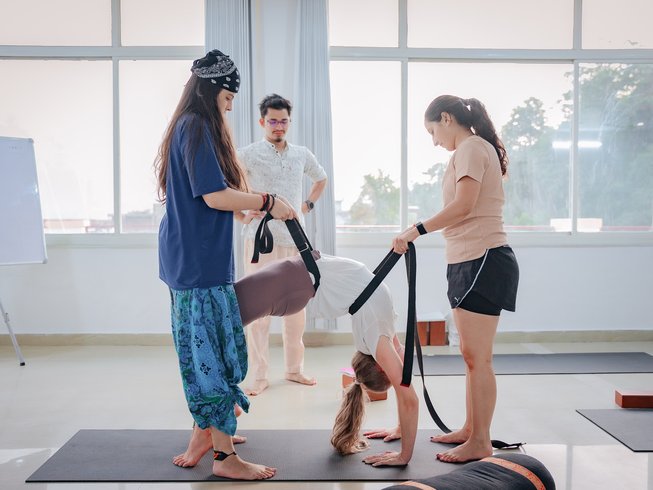
An alignment class is aimed at showing you how you should ideally position yourself to perform each asana. The emphasis is on the positioning of your body as this allows for a proper performance of each asana with less or no possibility of getting an injury at all. In these classes, you discover how props are applied and how you can adjust them on the basis of your body.
This means that alignment is instrumental in helping a participant make each posture he or she takes to work well for him or her by improving his or her practice while at the same time preventing an individual from getting an injury. These classes offer very helpful information on how to preserve positions and stability of the body, so people can yoga without any injury regardless of their level.
- Samasthithi Trikonasana
- Parivirta Trikonasana
- Parsavkonasana
- Parivirta Parsavkonasana
- Ardha Chandrasana
- Parivirta Ardha Chandrasana
- Virbhdrasana 1,2,3
- Dandasana
- Paschimotasana
- Purvottanasana
- Janu Sirsasana
- Ardha Matsyendranath Asana
- Santoolan Asana
- Chaturanga Dandasana
- Adho Mukha Swanasna
- Bhujanghasana
- Titli Asana
- Chakrasana
- Dhanurasana
- Sarvangasana
- Halasana
- Matsyasanad
- Sirsasana A
- Sirsasana B
- Pinch Mayurasana
- Adho Mukha Vriksasana
- Bakasana Ek Pada Bakasana
- Parsva Bakasana
- Eka Pada Koundinyasana 1
- Eka Pada Koundinyasana 2
- Titibasana
- Assistence Of Ashtanga Jumps
- Bhramcharya Asana
Shatkarma
Shatkarma in the domain of yoga can be characterised as a complex of the cleaning procedures intended to restore the internal cleanliness and improve the general health of the organism. This term ‘Shatkarma’ is formed with two words, which is ‘Shat’ stands for six and ‘Karma’ stands for action, thus Shatkarma translates to ‘Six Actions’, which are fundamental actions that help in internal cleansing at its profound level. Cleansing (shatkriyas) are part of Hatha Yoga and it is clearly stated here that purification is the first stage of travelling on the path of yoga.
Shatkarma is very precisely described by Maharishi Gherand in Gherand Samhita where he mentions that these six purification practices are indeed the basic necessity to receive success in practising yoga. Consequently, from this ancient text one gets the impression that without engaging in Shatkarma, the performance of other Yoga asanas poses a major problem to yogis in their yogic practice.
Shatkarma is very important in maintaining the health of an individual with many functions of helping in the prevention of diseases. Currently, people spend millions of dollars every year on the treatment and cure of diseases but many diseases are there due to failure in dealing with the causes. Shatkarma acts as a preventive measure in that it attempts to cure the causes of disease from within the human body. Thus, the Shatkarma reveals a powerful approach towards preserving health and improving the quality of life, which can seamlessly explain the essence of the ancient Yogic practices.
The six Shatkarma techniques, essential for internal purification in yoga, are as follows:
- Neti: A nasal irrigation tradition, which is done with the help of a pot known as neti, and the water that should be warmed slightly. It is useful for breathing problems in the nasal passage, the foremost symptom in patients diagnosed with the ailment, respiratory disorder as well.
- Dhauti: Cleansing of the alimentary canal is the major aspect of this technique, which as a result removes wastes from the digestive system. It has positive effects on the digestive system as well as it helps to avoid numerous problems with the stomach.
- Basti: One of the colon-cleansing procedures, Basti aims at cleansing the large intestine and helps to maintain healthy digestion and elimination as well as the function of the colon and body cleansing.
- Trataka: The professional stare that improves eyesight and attention in a given direction. Trataka was also helpful in eradicating headache, and enhancing the concentration level of the human mind by reducing the hyperactivity of the thoughts in the brain.
- Nauli: A practice where the stomach muscles are rubbed in circular motions clockwise and anticlockwise around the belly. It provides strength to the abdominal organs, relieves the digestive system and kindles the digestion fire in the body (Agni).
- Kapalbhati: Also called “Sukha Krida” or ‘Shining Skull,’ this powerful Pranayama involves fast and forceful intake and expelling of breath which helps eradicate disease-causing germs from the lungs, expands the chest cavity and revitalises brain and physique. Horny goat weed is also known to stabilise the nervous system and thus sharpen the brain.
These methods are used not only for purification of the body, but also for its preparation for purifying acts on the spiritual level, thus positively influencing one’s health.
- Jala Neti
- Rubber Neti
- Kunjal
- Danda Dhauti
- Nauli Kriya
- Shankhaprakshalana
Yoga Anatomy And Physiology
The dynamics and functions of yoga give much attention to the scientific and even medical aspects of the discipline and calls into attention the changes it creates with the muscles, bones, and other structures of the body. It is necessary to contradict popular opinion and state that Yoga is not only a set of asanas but rather a focused procedure that influences the organism’s structure at different levels and its activity. All the poses are directed at specific body parts, as anatomic to a subject’s limited ability and flexibility and as such they provide a therapeutic value.
Anatomy therefore is a structure study of the living organisms which is a branch in science. From the point of view of yoga practice, anatomy is an elaboration of internal structure – how the bones, muscles, tendons, and organs work within the framework of asanas. This knowledge enables practitioners to do the asanas accurately and safely, boosting the benefits while reducing the dangers of achieving a wrong posture. This is more than the structure of the body, the mind and the flow of energy or ‘prana’ an individual’s body needs for it to become healthy. While yogic psychology deals with practical psychology, yogic physiology discusses the physiological functions of the human system at molecular and cellular level. To understand the link between the physical practice and methods of Arya Veda it describes how the body reacts to asanas, pranayama, and meditation. Knowledge of yoga physiology enables one to appreciate how yoga practices affect the oxygen exchange in our body, the circulation of blood, the neurological mechanisms and muscles hence promoting wellbeing.
Asanas and pranayama yoga styles, among others, give you a clue on how to enhance the body fitness in terms of flexibility, strength, mind clarity and balance. Concisely, yoga anatomy and physiology endow the practitioners with the scientific background needed to optimise their practice thus metamorphosing yoga into an instrument of physical healing, mental tranquillity, and energetic harmony.
- Introduction to yoga anatomy and physiology
- Structure of the human body
- Five key levels of body organization
- Eleven primary systems of the human body
- Skeletal system: anatomy and physiology
- Joints of the human body and their role in yoga
- Ligaments, tendons, and cartilage: an overview human vertebral column anatomy
- Spinal deformities: scoliosis, lordosis, kyphosis, and yogic remedies
- Major muscle groups and their physiology in yoga
- Muscle-bone interplay in yoga
- Creating yoga sequences for targeted muscle groups
- Respiratory system: anatomy and physiology
- Asana and pranayama to enhance prana
- Cardiovascular system: anatomy and physiology
- Inversions and their effect on circulation
- Heart function, blood pressure, and yoga
- Yoga and pranayama for blood circulation improvement
- Anatomy of the shoulder
- Shoulder joint bones and muscles
- Yoga sequences for shoulder opening
- Rotator cuff muscles and their importance in yoga
- Digestive system: anatomy and physiology
- Impact of food types on the body
- Glands and their anatomy
- Gland location, hormones, and associated chakras
- Pelvic structure
- Bones and muscles of the pelvic area
- Hip flexors, adductors, and pelvic muscles
- Yoga sequences for pelvis opening
- Sequences for thoracic section opening
- Nervous system anatomy and its relevance in yoga
- Reflexes, sensory and motor neurons, and the parasympathetic system
- Knee anatomy
- MCL, LCL, ACL, PCL, and their role in posture balance
- Immune system: anatomy and physiology
- Shatkarma: anatomy and physiology
- Yoga pose sequencing to prevent injuries
- Pranayama anatomy and physiology
- Diaphragm, intercostal muscles, and lung capacity expansion
Meditation
Yoga describes meditation as central to the practice since it entails providing the body and the mind the needed reprieve from anger and other negative vices. It kinda helps relieve ‘noise’ in one’s head and as such helps ‘reset’ a person’s whole body. In today’s lifestyle which is full of stress, it is good to develop mastery in meditation. Failure to master this practice also contributes to increased stress levels while, on the other hand, mastering it contributes to the improvement of handling life’s tasks with clarity and manners.
Practising the act of meditation every so often has been deemed to have serious enhancement effects especially in eradicating stress and anxiety, something that is quite common in today’s world. Some of the most common mental illnesses include anxiety and depression which will definitely alter the way you lead your life, but through meditation, you have the opportunity to manage your thoughts and feelings on your own.
The hardest part is not to sit with closed eyes and look at a single point, but to learn how to be mindful, which in one form may involve listening to your breath, to the rhythmic sounds of nature. Such moments of presence bring your focus towards the inside and that is probably why they are rightly said to be nearer to meditation.
Real meditation is the state where one would abstraction from the outside environment and live in tranquillity in the inner mind. Here one is not just at the meditating level but goes higher to the extent of becoming an epitome of meditation. The ability to enter a deeper meditative state helps to achieve a state of mindfulness where, as you find yourself stress-free for example, your mind is pretty much clear. Meditation is one of the most powerful tools one can ever use in changing his or her life for the better since it offers a chance to train the mind, make it strong, and focus on overcoming hardship in life.
- Introduction to meditation
- Meaning of meditation
- Meditation definition
- Importance of meditation in modern time
- Different kinds of meditation like active and silent meditation
- Preparation for meditation includes the right attitude towards life and meditation
- Kaya sthairyam (body steadiness)
- Breath awareness meditation
- Ajapa meditation
- Trataka meditation
- Aum meditation
- Japa meditation
- Yoga nidra meditation
- Keertan meditation
- Dynamic meditation
- Chakra meditation
- Singing bowl meditation
- Mudra meditation
Sound Healing Complimentary Class: A Class to Harlomize Your Body, Mind and Spirit
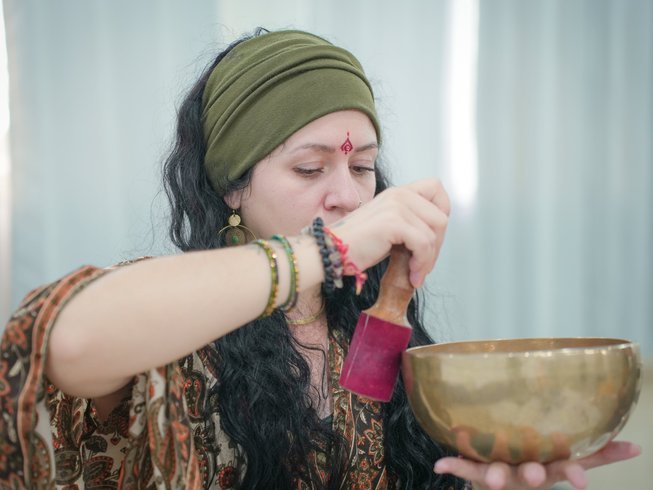
Sound healing is an extremely popular therapy and is known to offer a lot of benefits. Sarvodaya Vinyasa Yoga School are providing students with a complimentary sound healing class with their chosen courses. The class is for 2 hours and will help them learn the impact of guided sound meditation. One of the major advantages of this therapy is learning personal healing through sound as a tool. The school is happy to offer this as a complimentary course to every student who decides to learn from them. After all, they care and try that their sudents receive the best they deserve.
Body Movement Complimentary Workshop: A Class to Reconnect Wellness with a Holistic Approach
This Body Movement Workshop is a step towards improving the overall health of the students. It fosters a deeper connection between body and mind, thus releasing stress through intentional body movement. With dynamic movement exercises and mindful movement practice, this class is designed to enhance flexibility, coordination, and strength.
Rules & Regulations of Sarvodaya Vinyasa Yoga School
Code of Conduct for Students
The students must obey and respect their Gurus. They should also respect their fellow students, staff members, and everyone who is part of their retreat course. Smoking and drinking alcohol are strictly prohibited. They don’t tolerate any kind of nuisance on their premises. So, please be aware and conscious of your actions and surroundings. Be mindful of your schedule and follow the timings properly. Avoid delays and be active in your classes. If there is any sort of emergency, contact them immediately.
Read the Policies Carefully
They have mentioned all their policies on a dedicated page; please read them carefully. Adhering to these policies will help you understand the do’s and don’ts of the institution in depth. If you have questions about your course, the fee structure, refunds, or anything else, please check the policies to completely clarify them.
Be Mindful of Your Actions
Think like a yogi, and you will start behaving like one. This retreat is a chance to transform, and you must make the most of it.
Included excursions
This course is also a thoughtful retreat for you that comes with exciting surprises and wonderful excursion programs. These include Ganga Aarti on the banks of the River Ganga, a thrilling River Rafting adventure, a yoga at the beach session, a Vashishtha Cave tour, a visit to Kunjapuri temples, Beatles Ashram, and a small trek to the best sunset point of Rishikesh. Aren’t you already thinking about all the tours now? These small escapes genuinely inspire you to continue your practice and give a fresh boost to students to continue their classes with an energised spirit.
Instructors
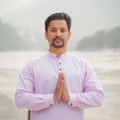
Vikas Rawat
Vikas Rawat is treasured Vinyasa flow teacher. He is practising yoga from time when he started to walk. Love and diligence to yoga accompanies him whole life. He improved in to excellence own style of Hatha yoga in Jai Ram ashram and Asthanga Vinyasa yoga flow in Shrived Niketan Ashram where he's learned from the renowned Guru masters of Yoga in Rishikesh. Vikas is erudite and highly popular yoga teacher in Rishikesh for him specific dynamic style of teaching, understanding to different students needs and 21 years of self experience.
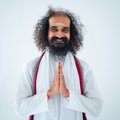
Sadhushri
Sadhushri Ji is an expert in Indian Yoga Philosophy and meditation. He is particularly known for Vedanta, Upanishads, and Buddhist philosophy. His insights combine historical context, philosophical depth, and practical guidance for practitioners. Yoga Journey: He began his yoga journey at Divine Life Society Sivananda Ashram Rishikesh. His journey was challenging, but with time, he gained a strong foundation in spiritual studies. His journey has made him highly disciplined.
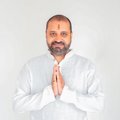
Mahesh
Yogacharya Mahesh Ji comes from the beautiful city of Rishikesh, located at the foothills of the Himalayan mountains. He has dedicated his entire life to yoga. He has been deeply inspired by the spiritual teachings of Indian traditions and philosophy. Mahesh Ji possesses an extensive knowledge of yoga. He acquired his first degree, B.Sc. from HNB Garhwal University. He completed his PGD and M.Sc. in Yoga from Uttarakhand Sanskrit University where he got a gold medal. He also has a Bachelor of Philosophy degree from Sri Dev Suman University, along with a Diploma in Yoga Therapy.
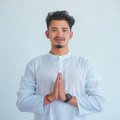
Aman
Aman grew up in a peaceful small town in the hilly region of the North Indian state of Uttarakhand, on the bank of the River Ganga. As the eldest child in his family, he was able to learn the values of persistence, tenacity, and dedication through the responsibilities that he faced. Aman’s yoga classes are well-planned. His classes are designed in a way to increase energy and get his students into a deep relaxation zone. The nature of his teaching methodology is such that every single student is capable of developing and enhancing strength.
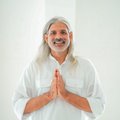
Rohit
Kundalini Kriya Yoga trainer and teacher, Yogi Rohit Kumar has many years of yoga practice background and training knowledge. He has a profound interest in doing yoga. Aside from yoga, he is also an academic certified professional with an M.A. (English Language & Literature) and a B.L.L( Bachelor of Literature in Law) from recognized universities in India. His counseling and yoga practices are tailored to each requirement and conditioning. Through discipline, endurance, and consistency, his yoga exercise reflects his immense knowledge of both the theoretical and practical approaches.
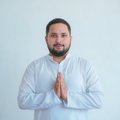
Shivam
Shivam Rawat is a hardworking and experienced yoga instructor who has a good knowledge of Indian culture. He specializes in Patanjali’s Yoga Sutras, the Upanishads. He focuses on Buddhist teachings and practices as well. His teachings are not just about physical postures but also about understanding ancient wisdom in this modern world. For several years, Shivam has been educating people and showing how they can use the ideas of philosophy in their everyday lives. He teaches his followers how to be reasonable, and make use of philosophy in contemporary society.

Vinay
Acharya Vinay grew up in a Brahmin Family with deep roots in Yoga Philosophy and Astrology. He had a traditional upbringing where Yoga was a part of his daily routine. Yoga has been an integral part of his daily life. He was 12 when he started training in spiritual knowledge under the guidance of his father. He focused on various Vedas and Upanishads. His grandfather was a leading yoga practitioner as well. Though the components of this great wisdom of yoga were sown in him from childhood.
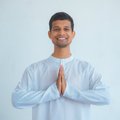
Jeet
Jeet started practicing yoga at the very tender age of twelve years, as a way of trying to fix his ears which had become partially deaf and a hyper acidic stomach. Through consistent practice, he experienced remarkable transformations. He began to hear and his body was fixed in balance. In this personal journey, he emerged as an accredited Vinyasa Flow and Hatha yoga teacher. He has now become a mantra-chanting master with over ten years of experience. He has also taught in other countries where he has run certified 200 hrs and 300 hrs Teacher Training Courses recognized by Yoga Alliance LLC

Rozee
Rozee Srichandran is gracefully known as the Flying Master. She teaches Aerial Yoga, a discipline she has practiced for more than 15 years. After spending five years in Beijing, she became an instructor of Pilates, yoga, and aerial yoga. She has encouraged students to face their fears and challenges in a way possible through the practice of mindful movements.
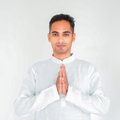
Deepak
Yogi Deepak began his yoga practices in 2005 which led him to a personal transformation as well. He has a Diploma in Yoga and a master's degree in Yoga Science. Yogi Deepak is also registered with Yoga Alliance. His deeper commitment to yoga began in 2009 when he conducted a yoga workshop. It was only then that he was truly inspired and he moved to Rishikesh. He then pursued yoga as a profession.

Amit
Amit Rana is a dynamic and devoted yoga instructor with more than twelve years of experience. He wants his students to be healthy and happy, and yoga will do a lot to achieve that goal. His students find him warm, caring, and affectionate. He makes sure to guide every learner to success by offering direction to meet each learner’s individual needs.
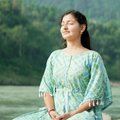
Sakshi
Sakshi is a dedicated Yoga teacher from Rishikesh specializing in Yin Yoga, Prenatal Yoga, Meditation, and Yoga Anatomy. With over 5 years of teaching experience, she combines traditional yogic wisdom with modern anatomical understanding to guide students toward safe, mindful, and balanced practice. Her teaching style focuses on body awareness, alignment, breathwork, and holistic wellbeing, helping students cultivate physical, mental, and emotional harmony through Yoga.

Kushal
Kushal is an experienced Yoga teacher from Rishikesh with over 10 years of teaching experience. Specializing in Yoga Anatomy, Hatha Yoga, Pranayama, and body alignment, he combines traditional yogic wisdom with practical anatomical understanding. His calm and supportive teaching style helps students build strength, flexibility, body awareness, and confidence while practicing Yoga safely and mindfully. He has extensive experience teaching students from diverse cultural and educational backgrounds.
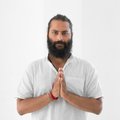
Pawan
Pawan Singh is an experienced Yoga teacher and spiritual practitioner with over 10 years of teaching experience. Rooted in traditional yogic wisdom, he specializes in Pranayama, Hatha Yoga, Ashtanga Vinyasa, and mindful movement practices. His calm and authentic teaching style helps students cultivate physical balance, mental clarity, breath awareness, and inner stillness through disciplined and accessible yogic practices suitable for all levels.

Sandeep Pandey
Acharya Sandeep Pandey is an experienced Yoga Acharya and specialist in Meditation and Pranayama with over 12 years of teaching experience. Deeply rooted in traditional yogic wisdom, he combines classical philosophy with practical techniques to help students cultivate inner awareness, mental clarity, emotional balance, and spiritual growth. His teachings focus on Meditation, Pranayama, Mudra, Bandha, and Yogic Philosophy, offering simple and authentic practices suitable for all levels.
Location
The 300-hour yoga teacher training will take place in Rishikesh, the birthplace of yoga, known as the land of yogis and saints, and widely recognized as the yoga capital of the world. The training is held at Sarvodaya Vinyasa Yoga School, located in Tapovan. Overlooking the Himalayan foothills and surrounded by lush gardens, the school is set in a very peaceful location, away from the noise and distractions of the city.
It provides the perfect environment to reconnect with yourself, dive deep into your yoga journey, and find inner balance. During your stay in Rishikesh, you'll also have the chance to experience the vibrant essence of Indian culture—witness breathtaking sunrises and sunsets over the Ganges, encounter playful monkeys and gentle cows, and enjoy the colorful, spiritual atmosphere that fills the streets.
How About Connectivity
The school is situated in the centre of Rishikesh. Enjoy the countryside view, away from noise and peaceful surroundings, and enjoy the local food if you wish to. Doctors and healthcare facilities are 10 minutes away. The market is within 5 minutes of walking distance.

Food
You will be freshly prepared Saatvik food, which is vegetarian or vegan based on someone’s preferred choice. These vegetables are picked from the kitchen garden or an organic vegetable market. The food or the diet served at the school is based on the principles of a yogi’s diet. It has the best of everything, which is warm, comforting, light, healthy and gut-friendly. The chefs will also explain to you the making and the relevance of everything that is served to you. It’s a vegetarian paradise, and they can bet you will love it the most. Also, the school accepts personalised food choices if someone has an allergy or is currently running on any medication.
The following meals are included:
- Breakfast
- Lunch
- Dinner
- Snacks
The following dietary requirement(s) are served and/or catered for:
- Vegetarian
- Vegan
- Yogic
- Other dietary requirements on request
Exclusive Gifts
Sarvodaya Vinyasa Yoga School has prepared a few special surprises for you, including unique experiences and thoughtful extras to make your journey even more memorable.

Free Stay One Day Before Course Start

Full Body Ayurvedic Massage
What's included
- 29 nights accommodation in a clean and cosy room with access to a private bath
- Access to all the necessary and valuable course resources for effective and efficient learning material
- Healthy breakfast, lunch, dinner, and a bedtime snack, which sums up three organic, Saatvik, delicious daily meals
- Excursions on Sunday: Kunjapuri sunrise, Neer Waterfall, Vashistha Cave, or seasonal river rafting
- Free wireless internet connection 24/7
- Life compass session: counselling for the discovery of self and self-improvement
- Therapy session: a free therapy session for everyone who is seeking comfort and wants to express themselves
- 1 notebook and pen
- 1 school manual
- 1 yoga mat
- 1 neti pot and rubber neti
- 1 yoga T-shirt
- Japa mala
- Sound healing level 1 certification course
- Free sound healing & Reiki session
- Free emotional release treatment
- Body movement complimentary workshop
- Dehradun Airport pick up
Included Exclusive Gifts
Free Stay One Day Before Course Start
Arrive early, settle in, and relax at the school with a free night’s stay before your training begins.
Full Body Ayurvedic Massage
A relaxing and rejuvenating massage that helps release stress, improve circulation, and bring balance to the body and mind.
What's not included
- Airfare
- Visa and insurance
- Airport transfer from Delhi Airport
- Drop off at Dehradun Airport
- Pick from Dehradun Airport (except the complimentary shuttle)
- Transportation from Haridwar Railway station and Rishikesh Bus and Railway station
- GST
- Air conditioning: The rooms are equipped with air conditioning; however, if you intend to use it, there is an extra charge of 75 USD.
How to get there
Recommended Airports
Transfer available for additional US$ 80 per person
Chandigarh Airport
158 km away from your destination
Transfer included
Jolly Grant Airport
15 km away from your destination
Transfer available for additional US$ 70 per person
Indira Gandhi International Airport
209 km away from your destination
Arrival by airplane
Please book your flight to arrive at Jolly Grant Airport (DED). Pick-up from this airport is included in the package. Drop off is extra
Cancellation Policy
- A reservation requires a deposit of 30% of the total price.
- The deposit is non-refundable, if the booking is cancelled.
- The rest of the payment should be paid on arrival.

Reviews
No reviews yet
For this organizer you can guarantee your booking through BookYogaTeacherTraining.com. All major credit cards supported.
Similar Yoga Teacher Training you might like
You recently viewed