
60 Day 500-Hour Hatha, Ashtanga, Vinyasa, Yin, Ayurveda, Sound Healing in Rishikesh, India
Comprehensive Yoga Teacher Training in Rishikesh, India
The 500-hour YTTC in Rishikesh is an advanced course that requires time, patience, and immense dedication, but it offers exceptional experiences and exposure that you might never have seen or felt. The training will empower you to develop a wise and trustworthy presence as a yoga instructor that will give your future students a sense of being in the right hands. Additionally, the program provides each student with support at every step of setting up various postures and asanas that are aimed at helping them center their thoughts while also boosting their confidence.
Meet the instructors
Highlights
- Comprehensive curriculum, intensive course
- Traditional practices, supported by scientific relevance
- 150+ yoga asanas to learn & practice
- 59 nights accommodation
- Healthy and Saatvik food
- Get the teacher training manual on arrival
- Opportunity to explore Rishikesh, the soul of yoga
Skill level
- Beginner
- Intermediate
- Advanced
Types
58 days with instruction in English
Accommodation
Facilities
- Air-conditioned rooms
- Café
- Concierge desk
- Dining area
- Environmentally friendly
- Garden
- Kitchen
- Lobby
- Luggage room / storage
- Meditation garden
- Picnic area
- Smoke-free property
- Terrace
- Yoga deck
- Yoga shala
- Yoga studio
- ATM / banking
- Car rental
- Cell phone rental
- Currency exchange
- Free parking
- Free Wi-Fi
- Internet access
- Ironing / ironing board
- Laundry
- Library
- Medical assistance
- Newspapers
- Parking lot
- Tour assistance
- Wireless internet
Creating an ideal environment for your yoga journey is Sarvodaya Vinyasa Yoga School's top priority. They understand that a peaceful and clean environment is as important as a focused practice. That's why your stay at the school is backed by stringent healthcare standards and a comprehensive checklist.
Every room is thoroughly sanitized and safety-checked three times before you step in. Sarvodaya Vinyasa Yoga School takes every precaution and hygiene check to ensure they meet the highest standards, providing you with maximum comfort and a worry-free stay.
- Cosy beds, ample storage.
- Snuggable mattress, clean linens.
- Peaceful surroundings.
- Serene views from the window.
- Free wi-fi, hot water, air-conditioning.
- Odor-free rooms.
- Private/shared rooms available.
- 24/7 water availability.
- Positive learning environment.
- Hygienic surroundings.
- Community vibe.
- Perfect, luxurious stays.
Program
The 500-Hour Yoga Teacher Training Program is the final conquest in your journey to becoming a registered yoga instructor. However, it’s not the end; it’s the start of new beginnings. Every student who hopes to be a generous yoga master, teacher, or practitioner has their dreams come true at this level. This intensive program provides participants with the tools and techniques they need to transform themselves.
What can you achieve through the 500-Hour Yoga Teacher Training?
The 500-Hour Yoga Teacher Training Program is your opportunity to learn from expert instructors and gurus with decades of experience under their belt and implement your knowledge to become a certified yoga teacher. During this program, you'll work on strengthening your breath and body actions, both of which should be kept in check to prevent the consumption of mental and emotional energy. And lastly, involuntary actions that should be controlled through strong willpower.
You will also work on your breathing, as it is your breath that connects your body and mind. Practicing your breathing patterns makes both your body and mind detoxified and more flexible. Once you master your breath, you'll be able to easily understand the rhythm of your own life. The course also provides you with a much-needed break from the fast-paced modern world, thereby offering you a chance to break away from the chaos and find your inner peace and harmony.
By the end of the training, you will feel your transformation journey both spiritually and physically. You will be a different version of yourself, one with much more understanding and clarity of the world around you.
This extensive program helps students build conviction and proficiency so that they are armed with the required skill set no matter the situation.
Required skill level
It is widely believed that practicing yoga is only possible if one is themselves a pro of some sort, but that myth is disproved by the 500-hour yoga teacher training program. This course is very open to everyone, and there is no prerequisite knowledge or prior experience needed.
The only thing that they allow for is change in perspective, an ability to change and grow both physically and mentally as you strive for the desired goal of becoming an exceptional teacher of yoga. It is not just physical stretching but stretching of one’s mind and even spirit. That, when one inspires others with one’s practice, it is one’s flexibility and character that predetermine one’s abilities.
The training includes so many benefits, what great knowledge of yoga and, at the same time, professionalism and mastery of the mind-body process. This is for the experienced teacher as well as for any person interested in improving his/her understanding of yogic practice. Here are the key takeaways that make this program accessible and rewarding for all:
- No prior experience required: This course has been designed such that it helps those who are fresh in Yoga practice as well as those who wish to advance their knowledge.
- Physical flexibility is not essential: Adaptability - there as well and you will grow mental flexibility as you move ahead.
- Improved flexibility and strength: Gradually, the course improves your body’s defenses, thus making it more capable of handling various pressures. Inclusive practice: The training offered is one that can be customized for all classes and can be done depending on the person’s physical ability or in case of an injury.
- Certification: By the end you will be a qualified yoga instructor who will be able to teach others what you have learned.
Curriculum
Hatha yoga
Hatha yoga includes the morning Hatha yoga class, which is informative. 5 hours of practice, which will enhance your muscular as well as your mental endurance. This class is not just a means to learn more elaborate postures; it’s an educational system in a way to rediscover the meaning of Hatha Yoga, based on the traditional texts of the Hatha Yoga Pradipika. This helps in gradually easing your body into more difficult positions, thus smoothly leading into more difficult postures, which will challenge one both physically and mentally.
This deliberately planned morning routine invites a question about the juxtaposition of strength and suppleness; it emphasizesthe uddiyana bandha, the naval lock, and concentration on your breath as well as your posture. The inclusion of these core principles not only helps the body to get a new form of training but also provides a new way of living that is based on yogic principles.
Hatha yoga is one of the main styles of yoga that you will practice, which not only helps you to tone your body and make it more flexible but also gives you the opportunity to find your inner self and be free from disturbing thoughts.
- Pawanmuktasana Series 1
- Pawanmuktasana Series 2
- Pawanmuktasana Series 3
- Surya Namaskar
- Chandra Namaskar
- Tadasana
- Triyak Tadasana
- Trikonasana
- Parivirtatrikon Asana
- Utkatasana
- Virabhadrasana 1
- Virabhadrasana 2
- Ardha Chandrasana
- Vrikshasana
- Parvatasana
- Vrikshasana
- Kati Chakrasana
- Malasana
- Garudasana
- Baddha Konasana
- Rajakapotasana
- Bhujangasana
- Urdhva Mukha Svanasana
- Matsyasana
- Setu Bandhasana
- Ustrasana
- Dhanurasana
- Salabhasana
- Supta Virasana
- Virasana
- Gomukhasana
- Balasana
- Dandasana
- Ardha Matsyendrasana
- Sarpasana
- Sirsasana
- Halasana
- Sarvangasana
- UttanPadasana
- Sirsasana
- Camatkarasana
- Simhasana
- Vajrasana
- Adho Mukha Svanasana
Ashtanga Vinyasa yoga
Ashtanga Vinyasa Yoga is a progressive, powerful, and life-changing style that emerged in the twentieth century through the teaching of Krishnamacharya’s son-in-law, Pattabhi Jois, from India. This style is a contemporary evolution of the traditional practice of yoga,, which focuses almost equal importance on the mobility and rhythm of the practice. Integral to the practice is vinyasa, an unbroken sequence of movements in harmony with the rhythm of breath that unifies the different poses, or asanas, in a flowing pattern that interprets both the physical and mental conditioning.
Iyyanda Pattabhi Jois, with a clear purpose of educating people regarding Ashtanga Vinyasa yoga, opened the Ashtanga Yoga Research Institute in 1948 to make the practice spread around the world. The practice method he introduced, which is currently known as Mysore style after the city in India where it was practiced, involved transitions through a systematically organized sequence of the asanas facilitated by the guru at a comfortable pace, depending on the ability of the practitioner. This makes it possible to systematize the process of mastering asanas, each of which is associated with certain types of breathing—ujjayi pranayama—which intensifies the process of creation of heat inside the body and therefore acts as an effective measure of purification.
Contrary to many forms of exercise, Ashtanga Vinyasa Yoga is not simply a physical practice, but it is a way of evolving as a whole person. It comprises six series of movements and is made up of the Primary Series, which includes easy and complex movements, Intermediate movements, and Advanced movements, which are very difficult to perform. In this way, each series is interdependent, and the practitioner is taught to strengthen his physical, mental, and psychological muscles.
Indeed, by practicing Ashtanga Vinyasa Yoga as a regular part of the workout, the person gets not only the physical benefits, such as increased flexibility and cardiovascular endurance, but also an improved mental state, with emphasis on focus and self-control, and improved emotional well-being. Its flexible and yet orderly form allows it to be a perfect exercise for those who want to have an all-around workout and at the same time achieve enlightenment and/orspiritual awakening.
- Surya Namaskar A
- Surya Namaskar B
- Padangusthasana
- Padahastasana
- Utthita Trikonasana
- Parivrtta Trikonasana
- Utthita Parsvakonasana
- Parivrtta Parsvakonasana
- Prasarita Padottanasana A BC & D
- Parsvottanasana
- Utthita Hasta Padangusthasanaa A B & C
- Ardha Baddha Padmottanasana
- Utkatasana
- Virabhadrasana A & B
- Dandasana
- Paschimottanasana A B & C
- Ardha Baddha Paschimottanasana
- Triang Mukhaikapada Paschimottanasana
- Janu Sirsasana A B & C
- Marichyasana A B C & D
- Navasana
- Bhujapidasana A & B
- Kurmasana
- Supta Kurmasana
- Garbha Pindasana
- Kukkutasana
- Baddha Konasana A & B
- Upavistha Konasana A & B
- Supta Konasana A&B
- Supta Padangusthasana
- Ubhaya Padangusthasana
- Purvottanasana
- Urdhva Mukha Paschimottanasana
- Setu Bandhasana
- Urdhva Dhanurasana
- Salamba Sarvangasana
- Halasana
- Karnapidasana
- Urdhva Padmasana
- Pindasana
- Matsyasana
- Uttana Padasana
- Sirsasana
- Urdhva Dandasana
- Yoga Mudra
- Utplutih
- Savasana
Pranayama
Pranayama comes from the Sanskrit two-part word, prana meaning life force and ‘yama,’ meaning control or regulation, thus the essence of pranayama is breath, a stream of life. In Hinduism, the pranayama is defined as one of the four sacred Vedas known as the Atharvaveda The concept of Pranayama is essentially life energy, an attempt in regulating life force within the body.
Other similar texts from the ancients also state that pranayama is important for the control of this life energy for physical, mental and spiritual health.
Many ancient texts highlight pranayama’s importance:Many ancient texts highlight pranayama’s importance:
- Breath control is considered necessary for life according to the Brihadaranyaka Upanishad and it therefore has a health promoting factor.
- In Bhagavad Gita, pranayama has been described as the process of inhalation, exhalation and retention of the breath which helps in the cleansing of body and mind.
- In the Maitrayaniya Upanishad it is explained that with the help of pranayama one trains the Prana to flow through Sushumna Nadi, as the channel for spiritual energy to reach one's inner consciousness.
- PATANJALI ‘YOGA SUTRAS prism of analysing pranayama as a breath regulation technique and going far beyond this definition, which describes pranayama as a practice leading to awareness of the soul and purification of the mind.
- Different types of pranayama described in ‘The Hatha Yoga Pradipika’ include the one in which the right and the left nostril are used alternatively to balance the body’s energies and to get a composed and clear mind.
Through practising pranayama in the lifestyle one can have better energy and reduced stress and inner experience of calmness. This is not only a physical endeavour, but also a soul-searching experience that has the capability of changing a person, of putting one’s physical and spiritual being in unison with the Natural Law.
- Introduction of pranayama
- Benefits of pranayama
- Pranayama and lifestyle
- Types of breathing
- Sitting posture for pranayama
- Nadishodhana pranayama
- Sheetali pranayama
- Sheetkari pranayama
- Bramari pranayama
- Ujjayi pranayama
- Bhastrika pranayama
- Kapalbhati pranayama
- Surya bheda pranayama
- Chandra bheda pranayama
Yoga philosophy
Feeling of tension or pain in muscles while exercising some postures as a regular practice indulged in yoga is quite natural. Stretching in this manner is most often caused by normal changes in movement that the body experiences. Even if one is a Beginner or a Professional, there is bound to be occasional sharp pains or stress especially when undertaking some poses intermediate or even advanced and if well dealt with then it can lead to injuries. But you don’t need to panic. As with all these complicated conflicts, the remedy lies in the regular practice of good alignment.
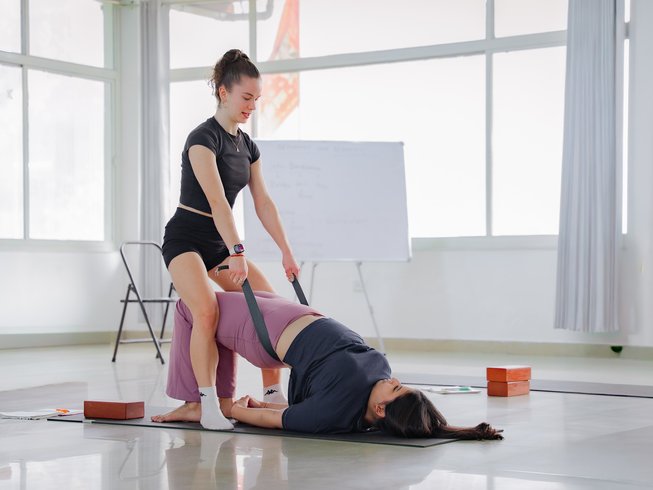
An alignment class is aimed at showing you how you should ideally position yourself to perform each asana. The emphasis is on the positioning of your body as this allows for a proper performance of each asana with less or no possibility of getting an injury at all. In these classes, you discover how props are applied and how you can adjust them on the basis of your body.
This means that alignment is instrumental in helping a participant make each posture he or she takes to work well for him or her by improving his or her practice while at the same time preventing an individual from getting an injury. These classes offer very helpful information on how to preserve positions and stability of the body, so people can yoga without any injury regardless of their level.
- Introduction to yoga
- Concept of Hatha yoga
- Origin of yogic practice
- Introduction to Yoga Sutra
- Yogic discipline
- Patanjali's definition of yoga
- Types of Vritti
- Concept of abhiyasa and vairagya
- Chita-Vikchepa
- Ashtanga yoga
- Introduction to Chakra
Alignment and adjustment
Some of the postures while exercising yoga which is done as a routine indulgence I often develop tension or some kind of pain in muscles. In this way stretching is most often and only caused by normal changes in movement that the body undergoes. Whether one is a Beginner or a Professional, there is always tightening or intermittent stinging at some point depending on the kind of pose that one is undertaking and if well managed, this can lead to emergence of some injuries. But to cushion you: you don’t need to panic. As with all those twisted situations, the cure is in being consistent with good alignment exercises.
An alignment class is meant to expose you how you ought to be positioned as you execute each asana. The focus is on the placing of the body since this enables one to correctly execute each asana with minimal or even no chances of getting an injury at all. In these classes, you learn how these props are used and how you are able to make modifications depending on your body.
This means that alignment is effective in supporting a participant to ensure that the position taken in each posture that a participant assumes will be perfect for the participant through enhancing the participant’s practice and at the same time avoiding a participant from receiving an injury. It provides very useful advice on how to avoid getting hurt during a yoga session and stand correctly and maintain balance, for all levels of learners.
- Samasthithi
- Trikonasana
- Parivirta Trikonasana
- Parsavkonasana
- Parivirta Parsavkonasana
- Ardha Chandrasana
- Parivirta Ardha Chandrasana
- Virbhdrasana 1,2,3
- Dandasana
- Paschimotasana
- Purvottanasana
- Janu Sirsasana
- Ardha Matsyendranath Asana
- Santoolan Asana
- Chaturanga Dandasana
- Adho Mukha Swanasna
- Bhujanghasana
- Titli asana
- Chakrasana
- Dhanurasana
- Ardha Matsyendrasana
- Sarvangasana
- Halasana
- Matsyasana
- Sirsasana
Shatkarma
The process of purification in yoga is known as Shatkarma which has been explained in the “Hatha Yoga Pradipika”. The name originated from two different terms where “Shat” by meaning Six and “Karma” by mean action. Therefore, Shatkarma is the six yogic purification processes required in order to purify the organs of the body. It provides energy and strength to the body and also prevents it from being infected with diseases. It clears out blocks of prana in the human body that have been formed by toxins.
The result of Shatkarma is that the practice of pranayama and meditation is eased for the practitioner is that suppression of pain and fatigue from the body takes away any such feelings. It is also important to understand that Shatkarma is done under an experienced guru though it will take some time to find a right one. The six techniques of Shatkarma are as follows: The Neti is a process which clears the nasal passage and includes the water passed through the nostrils; Dhauti purifies the alimentary canal; Nauli is the practice of cleansing the abdominal region; Basti cleanses the large intestine; Kapalabhati is a sort of breathing exercise which cleans the head and nostrils; the Trataka is a process used to cleanse.
The six Shatkarma techniques, essential for internal purification in yoga, are as follows:
- Neti: A nasal irrigation tradition, which is done with the help of a pot known as neti, and the water that should be warmed slightly. It is useful for breathing problems in the nasal passage, the foremost symptom in patients diagnosed with the ailment, respiratory disorder as well.
- Dhauti: Cleansing of the alimentary canal is the major aspect of this technique, which as a result removes wastes from the digestive system. It has positive effects on the digestive system as well as it helps to avoid numerous problems with the stomach.
- Basti: One of the colon-cleansing procedures, Basti aims at cleansing the large intestine and helps to maintain healthy digestion and elimination as well as the function of the colon and body cleansing.
- Trataka: The professional stare that improves eyesight and attention in a given direction. Trataka was also helpful in eradicating headache, and enhancing the concentration level of the human mind by reducing the hyperactivity of the thoughts in the brain.
- Nauli: A practice where the stomach muscles are rubbed in circular motions clockwise and anticlockwise around the belly. It provides strength to the abdominal organs, relieves the digestive system and kindles the digestion fire in the body (Agni).
- Kapalbhati: Also called "Sukha Krida" or 'Shining Skull,' this powerful Pranayama involves fast and forceful intake and expelling of breath which helps eradicate disease-causing germs from the lungs, expands the chest cavity and revitalises brain and physique. Horny goat weed is also known to stabilise the nervous system and thus sharpen the brain.
- Jala Netil
- Rubber Neti
- Kunjal
Yoga anatomy and physiology
Another concept connected with medical recommendations on the subject of Yoga is anatomy & physiology of yoga and its enactment to the muscular, skeletal and overall anatomic dorsal frame of a man. It discusses the fancy asanas which are the modifications of the basic yogic postures that are concerned with different aspects and limitations of human life span.
Anatomy is a branch of science that refers to the physical structure of an organism particularly of a living thing. You will be able to learn full appreciation of the anatomical construction and dynamic involving every position. It revolves around the Sheaths of the body psyche and the energy streams in the body. To put it in simple terms, yoga anatomy is a study of all the things concerning the body organs, tissues, muscles and so on. Yoga Physiology is that branch of Yoga that is employed in expounding on liases of functioning of these organisms. It lets you learn how the cell and living beings in the general sense work at the molecular level. In other words Physiology is all about learning the poses of yoga, the way you breathe.
Asanas and pranayama yoga styles, among others, give you a clue on how to enhance the body fitness in terms of flexibility, strength, mind clarity and balance. Concisely, yoga anatomy and physiology endow the practitioners with the scientific background needed to optimise their practice thus metamorphosing yoga into an instrument of physical healing, mental tranquillity, and energetic harmony.
- Introduction to yoga anatomy and physiology
- Structure of the human body
- Five key levels of body organization
- Eleven primary systems of the human body
- Skeletal system: anatomy and physiology
- Joints of the human body and their role in yoga
- Ligaments, tendons, and cartilage: an overview
- Human vertebral column anatomy
- Spinal deformities: scoliosis, lordosis, kyphosis, and yogic remedies
- Major muscle groups and their physiology in yoga
- Muscle-bone interplay in yoga
- Creating yoga sequences for targeted muscle groups
- Respiratory system: anatomy and physiology
- Asana and pranayama to enhance prana
- Cardiovascular system: anatomy and physiology
- Inversions and their effect on circulation
- Heart function, blood pressure, and yoga
- Yoga and pranayama for blood circulation improvement
- Anatomy of the shoulder
- Shoulder joint bones and muscles
- Yoga sequences for shoulder opening
- Rotator cuff muscles and their importance in yoga
- Digestive system: anatomy and physiology
- Impact of food types on the body
- Glands and their anatomy
- Gland location, hormones, and associated chakras
- Pelvic structure
- Bones and muscles of the pelvic area
- Hip flexors, adductors, and pelvic muscles
- Yoga sequences for pelvis opening
- Sequences for thoracic section opening
- Nervous system anatomy and its relevance in yoga
- Reflexes, sensory and motor neurons, and the parasympathetic system
- Knee anatomy
- MCL, LCL, ACL, PCL, and their role in posture balance
- Immune system: anatomy and physiology
- Shatkarma: anatomy and physiology
- Yoga pose sequencing to prevent injuries
- Pranayama anatomy and physiology
- Diaphragm, intercostal muscles, and lung capacity expansion
Meditation
Meditation is practice which may look like it is simple to do but do not get entangled within this web. It is easy though one needs a trainer first before they can give it a try. It is a way of relaxing the mind and you get the greatest solace in life. Meditation: is the act of stilling of the mind. It enhances your mental muscle so that you perform well in your daily tasks. It has many uses, one most relevant is to help not make you stressed or anxious.
There are references of meditation in many ancient literature works. It is the act of emptying thoughts and feelings from one’s mind through different methods. In a way, this means that meditation is not only a matter of closing one’s eyes. Focus and concentration; These are some of the things that sum up what it is all about. One can achieve this by either keeping or closing one’s eyes. Thus, you have to disconnect yourself from your environment. You should maintain your concentration on one thing or idea, but that has to be a good one. When you do so, you are linking yourself with the divinity side of life’s existence. And when you unite with that divine energy, there is the feeling of tranquillity and serenity, which is undoubtedly the most important thing in today's world.
Here one is not just at the meditating level but goes higher to the extent of becoming an epitome of meditation. The ability to enter a deeper meditative state helps to achieve a state of mindfulness where, as you find yourself stress-free for example, your mind is pretty much clear.
Meditation is one of the most powerful tools one can ever use in changing his or her life for the better since it offers a chance to train the mind, make it strong, and focus on overcoming hardship in life.
- Introduction to meditation
- Meaning of meditation
- Meditation definition
- Importance of meditation in modern time
- Different kinds of meditation like active and silent meditation
- Preparation for meditation includes the right attitude towards life and meditation
- Kaya sthairyam (body steadiness)
- Breath awareness meditation
- Ajapa meditation
- Trataka meditation
- Aum meditation
- Japa meditation
- Yoga nidra meditation
- Keertan meditation
- Dynamic meditation
- Chakra meditation
- Singing bowl meditation
- Mudra meditation
Complimentary classes
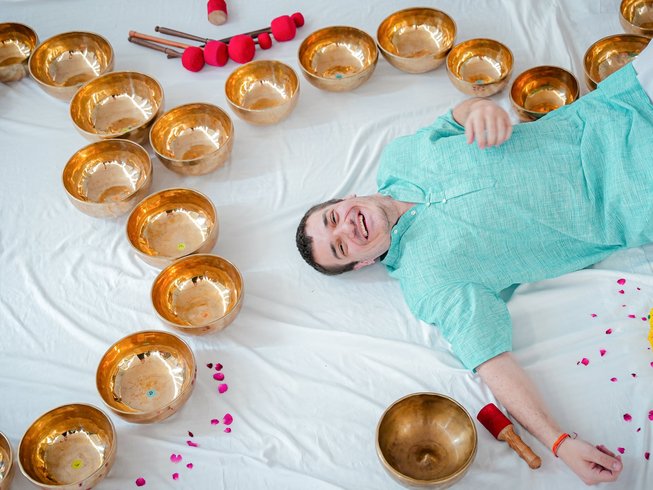
- Sound healing: sound healing is an extremely popular therapy and is known to offer a lot of benefits. Sarvodaya Vinyasa Yoga School at the school are providing students with a complimentary sound healing class with their chosen courses. The class is for 2 hours and will help you learn the impact of guided sound meditation. One of the major advantages of this therapy is learning personal healing through sound as a tool. The school is happy to offer this as a complimentary course to every student who decides to learn from them. After all, Sarvodaya Vinyasa Yoga School care and try that our students receive the best they deserve.
- Body movement workshop: This Body Movement Workshop is a step towards improving the overall health of our students. It fosters a deeper connection between body and mind, thus releasing stress through intentional body movement. With dynamic movement exercises and mindful movement practice – this class is designed to enhance flexibility, coordination, and strength. It’s a 2-hour workshop that will teach you the magic of intentional body movement and help you energize your overall well-being. Not only this but, it also helps in bringing more clarity through a sense of freedom and joy.
Sample schedule
- 05:00 Morning bell
- 06:30 - 07:30 Shatkarma & pranayama
- 07:30 - 09:00 Traditional Hatha yoga
- 09:00 - 10:00 Breakfast
- 10:00 - 10:45 Yoga anatomy
- 11:00 - 11:45 Yoga alignment & adjustment
- 12:15 - 12:45 Mantra chanting & Yin / Therapeutic yoga
- 13:00 - 14:00 Lunch
- 15:00 - 16:00 Yoga philosophy
- 16:00 - 17:30 Ashtanga yoga & Vinyasa Flow yoga
- 18:00 - 19:00 Meditation & Restorative yoga
- 19:10 - 20:00 Dinner
- 20:00 - 20:30 Bhakti yoga
- 22:00 Lights off
Note
During major holidays in India, such as Diwali, Holi, and Raksha Bandhan, please note that classes will not be conducted as per the regular schedule. Additionally, it is important to be aware that the graduation date for the course may be extended by a day to accommodate these holiday breaks.
Included excursions
This course is also a thoughtful retreat for you that comes with exciting surprises and wonderful excursion programs. These include Ganga Aarti on the banks of the River Ganga, a thrilling River Rafting adventure, a yoga at the beach session, a Vashishtha Cave tour, a visit to Kunjapuri temples, Beatles Ashram, and a small trek to the best sunset point of Rishikesh. Aren’t you already thinking about all the tours now? These small escapes genuinely inspire you to continue your practice and give a fresh boost to students to continue their classes with an energised spirit.
Instructors
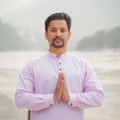
Vikas Rawat
Vikas Rawat is treasured Vinyasa flow teacher. He is practising yoga from time when he started to walk. Love and diligence to yoga accompanies him whole life. He improved in to excellence own style of Hatha yoga in Jai Ram ashram and Asthanga Vinyasa yoga flow in Shrived Niketan Ashram where he's learned from the renowned Guru masters of Yoga in Rishikesh. Vikas is erudite and highly popular yoga teacher in Rishikesh for him specific dynamic style of teaching, understanding to different students needs and 21 years of self experience.
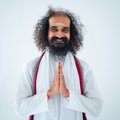
Sadhushri
Sadhushri Ji is an expert in Indian Yoga Philosophy and meditation. He is particularly known for Vedanta, Upanishads, and Buddhist philosophy. His insights combine historical context, philosophical depth, and practical guidance for practitioners. Yoga Journey: He began his yoga journey at Divine Life Society Sivananda Ashram Rishikesh. His journey was challenging, but with time, he gained a strong foundation in spiritual studies. His journey has made him highly disciplined.
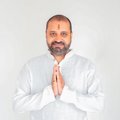
Mahesh
Yogacharya Mahesh Ji comes from the beautiful city of Rishikesh, located at the foothills of the Himalayan mountains. He has dedicated his entire life to yoga. He has been deeply inspired by the spiritual teachings of Indian traditions and philosophy. Mahesh Ji possesses an extensive knowledge of yoga. He acquired his first degree, B.Sc. from HNB Garhwal University. He completed his PGD and M.Sc. in Yoga from Uttarakhand Sanskrit University where he got a gold medal. He also has a Bachelor of Philosophy degree from Sri Dev Suman University, along with a Diploma in Yoga Therapy.
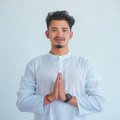
Aman
Aman grew up in a peaceful small town in the hilly region of the North Indian state of Uttarakhand, on the bank of the River Ganga. As the eldest child in his family, he was able to learn the values of persistence, tenacity, and dedication through the responsibilities that he faced. Aman’s yoga classes are well-planned. His classes are designed in a way to increase energy and get his students into a deep relaxation zone. The nature of his teaching methodology is such that every single student is capable of developing and enhancing strength.
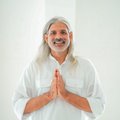
Rohit
Kundalini Kriya Yoga trainer and teacher, Yogi Rohit Kumar has many years of yoga practice background and training knowledge. He has a profound interest in doing yoga. Aside from yoga, he is also an academic certified professional with an M.A. (English Language & Literature) and a B.L.L( Bachelor of Literature in Law) from recognized universities in India. His counseling and yoga practices are tailored to each requirement and conditioning. Through discipline, endurance, and consistency, his yoga exercise reflects his immense knowledge of both the theoretical and practical approaches.
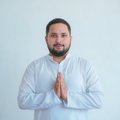
Shivam
Shivam Rawat is a hardworking and experienced yoga instructor who has a good knowledge of Indian culture. He specializes in Patanjali’s Yoga Sutras, the Upanishads. He focuses on Buddhist teachings and practices as well. His teachings are not just about physical postures but also about understanding ancient wisdom in this modern world. For several years, Shivam has been educating people and showing how they can use the ideas of philosophy in their everyday lives. He teaches his followers how to be reasonable, and make use of philosophy in contemporary society.

Vinay
Acharya Vinay grew up in a Brahmin Family with deep roots in Yoga Philosophy and Astrology. He had a traditional upbringing where Yoga was a part of his daily routine. Yoga has been an integral part of his daily life. He was 12 when he started training in spiritual knowledge under the guidance of his father. He focused on various Vedas and Upanishads. His grandfather was a leading yoga practitioner as well. Though the components of this great wisdom of yoga were sown in him from childhood.
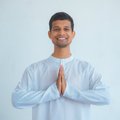
Jeet
Jeet started practicing yoga at the very tender age of twelve years, as a way of trying to fix his ears which had become partially deaf and a hyper acidic stomach. Through consistent practice, he experienced remarkable transformations. He began to hear and his body was fixed in balance. In this personal journey, he emerged as an accredited Vinyasa Flow and Hatha yoga teacher. He has now become a mantra-chanting master with over ten years of experience. He has also taught in other countries where he has run certified 200 hrs and 300 hrs Teacher Training Courses recognized by Yoga Alliance LLC
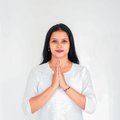
Rozee
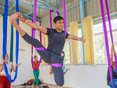
Rozee Srichandran is gracefully known as the Flying Master. She teaches Aerial Yoga, a discipline she has practiced for more than 15 years. After spending five years in Beijing, she became an instructor of Pilates, yoga, and aerial yoga. She has encouraged students to face their fears and challenges in a way possible through the practice of mindful movements.
Deepak
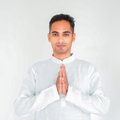
Yogi Deepak began his yoga practices in 2005 which led him to a personal transformation as well. He has a Diploma in Yoga and a master's degree in Yoga Science. Yogi Deepak is also registered with Yoga Alliance. His deeper commitment to yoga began in 2009 when he conducted a yoga workshop. It was only then that he was truly inspired and he moved to Rishikesh. He then pursued yoga as a profession.
Amit
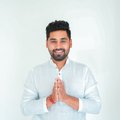
Amit Rana is a dynamic and devoted yoga instructor with more than twelve years of experience. He wants his students to be healthy and happy, and yoga will do a lot to achieve that goal. His students find him warm, caring, and affectionate. He makes sure to guide every learner to success by offering direction to meet each learner’s individual needs.
Sakshi
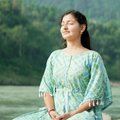
Sakshi is a dedicated Yoga teacher from Rishikesh specializing in Yin Yoga, Prenatal Yoga, Meditation, and Yoga Anatomy. With over 5 years of teaching experience, she combines traditional yogic wisdom with modern anatomical understanding to guide students toward safe, mindful, and balanced practice. Her teaching style focuses on body awareness, alignment, breathwork, and holistic wellbeing, helping students cultivate physical, mental, and emotional harmony through Yoga.

Kushal
Kushal is an experienced Yoga teacher from Rishikesh with over 10 years of teaching experience. Specializing in Yoga Anatomy, Hatha Yoga, Pranayama, and body alignment, he combines traditional yogic wisdom with practical anatomical understanding. His calm and supportive teaching style helps students build strength, flexibility, body awareness, and confidence while practicing Yoga safely and mindfully. He has extensive experience teaching students from diverse cultural and educational backgrounds.
Pawan
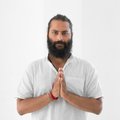
Pawan Singh is an experienced Yoga teacher and spiritual practitioner with over 10 years of teaching experience. Rooted in traditional yogic wisdom, he specializes in Pranayama, Hatha Yoga, Ashtanga Vinyasa, and mindful movement practices. His calm and authentic teaching style helps students cultivate physical balance, mental clarity, breath awareness, and inner stillness through disciplined and accessible yogic practices suitable for all levels.
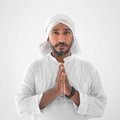
Sandeep Pandey
Acharya Sandeep Pandey is an experienced Yoga Acharya and specialist in Meditation and Pranayama with over 12 years of teaching experience. Deeply rooted in traditional yogic wisdom, he combines classical philosophy with practical techniques to help students cultivate inner awareness, mental clarity, emotional balance, and spiritual growth. His teachings focus on Meditation, Pranayama, Mudra, Bandha, and Yogic Philosophy, offering simple and authentic practices suitable for all levels.
Location

Food
The school serves freshly prepared Saatvik food, which is vegetarian or vegan based on someone’s preferred choice. These vegetables are picked up from the kitchen garden or an organic vegetable market.
The food or the diet served at the school is based on the principles of a yogi’s diet. It has the best of everything, which is warm, comforting, light, healthy, and gut-friendly. The chefs will also explain to you the making and the relevance of everything that is served to you.
It’s a vegetarian paradise, and they can bet you will love it the most. Also, the kitchen team accepts personalized food choices if someone has an allergy or is currently on any medication.
The following meals are included:
- Breakfast
- Lunch
- Dinner
- Snacks
The following dietary requirement(s) are served and/or catered for:
- Vegetarian
- Vegan
- Gluten Free
- Other dietary requirements on request
Exclusive Gifts
Sarvodaya Vinyasa Yoga School has prepared a few special surprises for you, including unique experiences and thoughtful extras to make your journey even more memorable.

Free Stay One Day Before Course Start

Full Body Ayurvedic Massage
What's included
- Accommodation: 59 nights to spend in a clean and cosy room with access to a private bath
- Course material: access all the necessary and valuable course resources for effective and efficient learning material
- Meals: healthy breakfast, lunch, dinner, and a bedtime snack, which sums up three organic, Saatvik delicious daily meals
- Sunday excursions: join local excursions like Kunjapuri sunrise, Neer Waterfall, Vashistha Cave, or seasonal river rafting
- Wi-Fi Access: free wireless internet connection 24/7
- Life compass session: counseling for the discovery of self and self-improvement.
- Therapy session: a free therapy session for everyone who is seeking comfort & wants to express themselves
- Sound healing level 1 certification course
- Free sound healing & Reiki session
- Free emotional release treatment
- Pick-up at the DED airport
Included Exclusive Gifts
Free Stay One Day Before Course Start
Arrive early, settle in, and relax at our school with a free night’s stay before your training begins.
Full Body Ayurvedic Massage
A relaxing and rejuvenating massage that helps release stress, improve circulation, and bring balance to the body and mind.
What's not included
- Airfare
- Air conditioning: The rooms are equipped with air conditioning; however, if you intend to use it, there is an extra charge of 75 USD
How to get there
Recommended Airports
Transfer included
Jolly Grant Airport
15 km away from your destination
Cancellation Policy
- A reservation requires a deposit of 30% of the total price.
- The deposit is non-refundable, if the booking is cancelled.
- The rest of the payment should be paid on arrival.

Reviews
No reviews yet
For this organizer you can guarantee your booking through BookYogaTeacherTraining.com. All major credit cards supported.
Similar Yoga Teacher Training you might like
You recently viewed