
25 Day 200-Hour Riverside Ashtanga Yoga Teacher Training in Rishikesh, India
Ashtanga Yoga Teacher Training in India
This course is an intensive Ashtanga yoga training that will make you an able and efficient teacher of Ashtanga style. You focus on the quality of your teaching and work with the aim of developing excellent yoga teachers out of your students.
Meet the instructors
Highlights
- 3 yoga classes per day
- Pranayama, meditation, and cleansing processes
- Eligible to register with Yoga Alliance upon completion
- Anatomy, philosophy, and astrology consultation
- Sightseeing and massage session
- 24 nights accommodation
- Daily full-board meals
- Transfer from the airport
Skill level
- Beginner
- Intermediate
- Advanced
Types
25 days with instruction in English
 Average daily hours of activity: 7.5
Accommodation
Facilities
- Air-conditioned rooms
- Dining area
- Environmentally friendly
- Garden
- Kitchen
- Meditation garden
- Smoke-free property
- Terrace
- Yoga shala
- Yoga studio
- Free Wi-Fi
- Laundry
- Library
- Medical assistance
Located in the tranquil area of Laxman Jhula, Rishikesh, the accommodation offers a serene environment at the foothills of the Himalayas and along the River Ganga. Guests can choose between private single rooms with personal amenities or twin-sharing rooms. Each room features attached bathrooms, 24-hour hot water, and free unlimited Wi-Fi. RO purified water is available, ensuring comfort and health. Enjoy a breathtaking view of the holy Ganga and the lush surroundings, perfect for relaxation and immersion in the yogic lifestyle.
Program
Certification
Students who complete the training are eligible to register with Yoga Alliance as Registered Yoga Teachers (RYT®).
Prerequisites
This 200-hour yoga teacher training is suitable for people of all levels. Sri Yoga Ashram starts from the beginner level and carries you towards more serious practices. But some level of fitness is useful. Start walking every day. Maybe, some easy exercises and stretching will prepare you well. It is highly recommended that you practice yoga regularly before attending this training. Ideally, you should practice Ashtanga Yoga or another vigorous form of Vinyasa Yoga at least three times a week to prepare your body for the training.
The better in shape you are before the training, the more you will get out of it and advance in your practice. In the yoga school, you will be eating pure vegetarian food only. So, starting with the same few weeks earlier will make you ready for that. Reading some preparatory books will give you a good perspective on yoga. You can start with the following titles:
- Ligh on Yoga Sutra by BKS Iyengar
- Hatha Yoga Pradipika
- Walking with a Joystick by Dr Gaurav Agrawal
About the training
The meaning of Ashtanga is derived from two Sanskrit words; “Asht,” which means eight, and “Anga,” which means limbs. The Ashtanga yoga teaching program mainly emphasizes eight limbs: Yama, Niyama, Pranayama, Asana, Dharana, Pratyahara, Samadhi, and Dhyana. As the name says, Ashtanga yoga outlines all eight limbs of yoga and develops both psychological and spiritual health. It focuses on a predefined sequence of poses connected through breath and movement. You focus on the quality of your teaching and work with the aim of developing excellent yoga teachers out of students.
- The first four limbs are four steps towards physical well-being
- The next four are four steps towards mental well-being
- Ashtanga Yoga is grounded in eight core principles, with the first four addressing physical health and the next four fostering mental well-being
- The practice involves a set sequence of poses connected through coordinated breathing and movement
- The training covers all aspects of Ashtanga yoga, including asana (poses), pranayama (breathing techniques), teaching methodology, and class planning and sequencing
- This intensive program aims to produce proficient Ashtanga Yoga teachers by combining in-depth theoretical knowledge with practical skills
- By undertaking the 200-hour Ashtanga yoga teacher training at Sri Yoga Ashram, you will gain a thorough understanding of both the physical and mental dimensions of yoga
This course is meticulously designed to equip you with the skills necessary to become an effective and knowledgeable Ashtanga yoga teacher, ready to inspire and guide others on their yoga journey. Ashtanga yoga is a definite sequence of various Hatha yoga asanas or poses that are coupled with a certain set of breathing techniques called ‘Ujjayi Pranayama’. This sequence was developed by the famous Hatha Yoga Master of the 20th century - Yogi K Pattabhi Jois. The source of the Ashtanga yoga primary series is an ancient Hatha yoga text known as ‘Yoga Korunta’.
This ancient series of yoga is practiced with synchronized breathing techniques (Vinyasa) that promote ‘flow of breathe’ in the asana or pose practice. Together, this is called the Ashtanga Vinyasa yoga. In Sri Yoga Ashram in Rishikesh, they focus on creating the right foundation for yoga in you to gain authentic yoga knowledge. With this traditional framework, you will combine the wisdom of yoga with modern alignment, poses, sequencing, and various practice styles.
Essentials
The Ashtanga yoga teacher training course has some essential yoga asanas that everyone should perform every day.
Sun salutation A
The sun salutation or Surya Namaskara, is a series of poses performed in a sequence to create a flow of movement.
Sun salutation B
Sun Salutation B includes many of the same components of Sun Salutations in most styles of yoga, with the inclusion of Warrior I pose.
Standing sequence
It will help you to build strength and set the foundation for a safe yoga practice.
Sitting sequence
This sequence helps release stiffness and tightness in the spine and hips and relax the mind and body.
Finishing sequence
The finishing sequence rounds off each and every Ashtanga Vinyasa yoga practice. These Asanas are practiced systematically and provide a harmonious flow of energy.
Closing sequence
The closing sequence of Ashtanga yoga is a series of restorative postures always performed in the same order as a way to finish the practice.
Eight limbs
Yoga is an ancient practice that provides a complete philosophy for living a healthy, happy life to its full potential. Ashtanga yoga refers to eight limbs, each offering guidance on how to live a meaningful and purposeful life. These eight limbs of yoga offer practical steps for holistic personal development.
- The Yamas: "Yamas" can be translated into self-control, a quality you should always strive for. The Yamas are tips for living in the world.
- The Niyamas: Niyama translates as moral observance. Here, the personal habits you develop to create a purposeful life are explained.
- Asana: Physical Yoga Poses The third limb of yoga is the physical poses (asanas). This limb has become most familiar in the modern world.
- Pranayama: Expansion of Life Force Energy Pranayama is the practice of awareness and use of the breath. It enhances vitality and internal energy.
- Pratyahara: Withdrawal from the senses when you practice Pratyahara, you guide your senses and organs. You also try to prevent an overload of sensory stimulation and unnecessary stimulation.
- Dharana: Concentration The purpose of Dharana is to regulate the mind. Dharana techniques help you maintain this inward attention.
- Dhyana: Meditation Dhyana means meditation. Here, meditation means being connected to one’s true self. The intention is to reach inwards on the other side of the body and mind.
- Samadhi: Freedom From Illusion Samadhi is the deeper state of meditation. During this state, you become free from the illusions of time and space.
This system also predicts the outcome of various yoga poses mentioned by Sage Patanjali. Great masters of past and future have appreciated this system and have foretold that- “this is a complete set of guidelines and roadmap for learning Ashtanga yoga from beginning to the highest level of self-realization, towards becoming an experienced yoga expert over a certain period of time.
Yoga is an ancient practice that provides a complete philosophy for living a healthy, happy life to its full potential. Ashtanga yoga refers to eight limbs, each offering guidance on how to live a meaningful and purposeful life. These eight limbs of yoga offer practical steps for holistic personal development.
Primary series
1. Sun salutation A and B and standing sequence
- Padanghusthasa
- Pada Hastasana
- Utthita Trikonasana
- Parivrtta Trikonasana
- Utthita Parsvakonasana
- Parivrtta Parsvakonasana
- Prasarita Padottanasana A, B, C, and D
- Parsvottonasana
- Utthita Hasta Padangusthasana
- Ardha Baddha Padmottanasana
- Utkatasana
- Virabhadrasana A
- Virabhadrasana B
2. Sitting sequence
- Dandasana
- Paschimottanasana A & B
- Purvottasana
- Ardha Baddha Padma Paschimottanasana
- Trianga Mukha eka pada Paschimottanasana
- Janu Sisrasana A, B, and C
- Marichyasana A, B, C, and D
- Navasana
- Bhujapidasana
- Kurmasana
- Supta Kurmasana
- Garbha Pindasana
- Kukkutasana
- Baddha Konasana A and B
- Upavista Konasana A and B
- Supta Konasana
- Supta Hastha Padangustasana
- Ubhaya Padangustasana
- Urdvha-Mukha-Paschimottanasana
- Setu Bandhasana
- Urdvha Dhanurasana
- Paschimottanasana
- Shavasana
3. Finishing sequence
- Salamba Sarvangasana
- Halasana
- Karnapidasana
- Urdvha Padmasana
- Pindasana
- Matsyasana
- Uttana Padasana
- Urdhva Dandasana
- Sirsasana
- Balasana
4. Closing sequence
- Baddha Padmasana
- Yoga Mudrasana
- Padmasana
- Utpluthi
- Shavasana
Benefits
- A much healthier and sound body
- A more refined and awakened mind
- Improved immunity against common diseases
- Existing diseases will heal faster after removing toxins by yogic cleansing
- A sweet smile and inner happiness
- Self-awareness and self-love
- Spiritual and broader view of life
- Self-discipline
- Most importantly knowledge and wisdom which is priceless
Syllabus
- Ashtanga yoga: The primary series of Ashtanga Vinyasa yoga with the use of Sanskrit counting, Breath, Drishti, and Bandhas
- Pranayama: You will learn various breathing techniques of yoga including Kapal Bhati, Bhastrika, Nadi Shodhan, Yogic Pranayama, Ujjayi, Bhramari, Aarohan, Avrohan, Kumbhak
- Cleansing: Jal Neti, Sutra Neti, Vaman, Tratak, Agni Saar
- Anatomy: The physiology of yoga postures and pranayama
- Meditation: Various techniques of meditation for increased awareness and spiritual growth
- Philosophy: The theoretical understanding of yoga and Patanjali’s Eight Limbs Yoga System and Mantra Chanting
- Teaching methods: Art of teaching and sequencing
- Hatha yoga: yoga postures with their proper alignment, adjustment, and use of proper yoga props
Guidelines
The program with the primary series course is for yoga practitioners of all levels. The course is a bit intense on body and mind. The difficulty level increases day by day. The wise and experienced teachers make sure that all students are able to perform and learn in a very non-competitive and peaceful manner. It is recommended that all students start doing gentle yoga before coming for this course at home.
All instructions in the course are in English only, so a basic understanding of English is required. For better adaptation to the environment, you are recommended to arrive in Rishikesh at least two days before the course date. This will help you acclimatize better and give you some time to relax before the course kick starts. Further, Rishikesh is a small city with a good market. All the necessary supplies are available here, so bringing many books and too much material is not needed. Travel light and be more peaceful.
Daily schedule
- 06:30 - 08:00 Hatha yoga
- 08:15 - 09:15 Pranayama and cleansing process
- 09:15 Breakfast
- 10:00 - 11:00 Karma yoga
- 11:00 - 12:00 Anatomy
- 12:00 - 13:00 Philosophy
- 13:15 Lunch
- 14:00 - 16:15 Rest, self-practice, and library
- 16:15 Tea time
- 16:30 - 17:30 Meditation
- 17:30 - 19:00 Ashtanga yoga
- 19:15 Dinner
This is the tentative schedule for every day and it is subject to change according to different seasons.
Note
The official program runs for 25 days and 24 nights. However, participants are welcome to arrive one day earlier and depart one day later, with these additional accommodation nights included at no extra cost. This extended stay is optional and designed to support a more relaxed arrival and departure experience.
Included excursions
Vasishtha Cave
Enjoy a serene Sunday morning as you take a tranquil trip to the mystical Vasishtha Cave in Rishikesh. You will journey along the Ganges, the cool breeze carrying the scent of blooming flowers. As you arrive at the ancient cave, chirping birds and rustling leaves welcome you. Inside the cave, the atmosphere is meditative, the dim light casting gentle shadows on the stone walls.
You sit in silence, feeling a deep connection to the history and spirituality of the place. The calmness of the cave, combined with guided meditation and gentle yoga, creates a profound sense of inner peace and rejuvenation, making this Sunday trip with Sri Yoga Ashram in Rishikesh an unforgettable spiritual experience.
Kunjapuri Temple
Kunjapuri Temple, one of the Shaktipeeths in the Garhwal Himalayas, is a must-visit sacred place near Rishikesh. It offers a beautiful sunrise view. Located at an altitude of 1600 meters, it is around an hour; 28 kilometers, upward journey from Laxmanjhula. The downward journey consumes around 40-45 minutes. As you climb the steps to the temple, the panoramic view of the Himalayan peaks and the flowing Ganges below takes your breath away. The Kunjapuri trek is one of the top-rated treks in Rishikesh that offers stunning views of the surrounding region.
The trek offers a chance to behold the beauty of the mountain's sunrise and the temple located at an elevation of 1,676 meters, around 30 kilometers from Tapovan in Rishikesh. This temple is dedicated to Goddess Shakti, who is particularly revered in the region for her divine feminine energy. The temple offers breathtaking panoramic views of the Himalayan peaks like Swargarohini, Gangotri, Banderpunch, and Chaukhamba.
Ganga Aarti
Envision a tranquil Sunday evening as you join Sri Yoga Ashram for the mesmerizing Ganga Aarti in Rishikesh. As the sun sets, casting a golden hue over the sacred river, you arrive at the bustling ghats, where devotees gather in anticipation. The air is filled with the soothing sounds of chanting and the gentle ringing of bells.
The fragrance of incense mingles with the cool evening breeze. As the ceremony begins, priests light oil lamps, flames flickering against the twilight sky. The reflections of the lamps dance on the water, creating a magical, serene atmosphere. The rhythmic chants and the sight of the illuminated river fill you with a deep sense of peace and devotion.
Nature walk
Explore the serene beauty of lush green forests, listen to the soothing sounds of chirping birds, and enjoy the fresh mountain air. This guided walk is perfect for nature lovers and those seeking a peaceful escape. As you walk along the path, you will hear the soothing sound of the Ganges River flowing nearby. The water sparkles under the sunlight, creating a mesmerizing view. Tall trees provide shade, their branches swaying gently in the breeze. Occasionally, you might spot a monkey swinging from tree to tree or chirping birds fluttering past.
Nature walks are the best way to explore and get personal with wildlife and nature. A pleasant walk beneath the canopy of jungles and forests is the most fun way to enjoy nature at its best. The trail takes you through lush green forests, where you can see a variety of plants and trees. This walk provides an opportunity to connect with the natural world, leaving you refreshed and inspired.
Instructors

Gaurav Agrawal
Dr. Gaurav Agrawal is the founder and philosophy teacher of Sri Yoga Ashram. He earned a PhD degree in clinical psychology and worked as assistant professor of psychology in Dev Sanskriti University in Haridwar. He is well versed in the understanding of ancient texts as well as the modern scientific knowledge, which helps him present the ancient ideas in a very simple language. He tells entertaining stories through which various yogic concepts are taught in an easily grasped manner. He is author of three books of Indian Astrology, which is also a part of ancient Indian knowledge tradition.
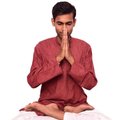
Arpit Agrawal
Yogi Arpit Ji has instructed in various schools of Rishikesh and gotten unbelievable gratefulness from the understudies from all corners of the world. He shows yoga as a smooth and graceful lifestyle. He started learning yoga at the most famed Bihar School of Yoga, Munger. He is additionally the follower of Swami Niranjanananda (Bihar School of Yoga), a well-known yoga school in India. He will also be pleased to guide you and support you through this process as he has a yoga bachelor and master degrees, as well as a very good knowledge of the human body and psychology.
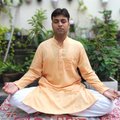
Ankur Agrawal
Ankur Ji is the meditation and pranayama teacher at Sri Yoga Ashram in Rishikesh. Along with the practice of pranayama, he is also teaching and facilitating the sessions of shatkarmas (yogic cleansing). He has successfully completed the 500-hour RYT teacher training course. Ankur learned the advanced techniques of pranayama and meditation from various teachers. He has the experience of teaching yoga for many years in many countries. His techniques of meditation are effective. This is evident from the fact that many knots and complexes of the heart and mind start opening in his sessions.
Location
Nestled in the serene beauty of Laxman Jhula, Rishikesh, Sri Yoga Ashram offers an idyllic setting for spiritual seekers. Surrounded by lush greenery and a dense forest, the ashram enjoys a peaceful ambiance while being just 50 meters from the vibrant local market and restaurants. A gentle stream flows beside the premises, and the sacred River Ganga is visible, adding to the tranquil charm. From the rooftop, marvel at a stunning 360-degree panorama of the river, city, and majestic mountains - a perfect haven for your yoga journey.

Features
Activities
- Hiking
General
- River
- Smoke-free property
- Terrace
- Yoga shala
- Yoga studio
Services
- Currency exchange
- Free Wi-Fi
- Medical assistance
- Room cleaning
- Tour assistance
- Wireless internet
Food
The kitchen team will serve three Indian vegetarian meals daily. Sri Yoga Ashram ensures the healthy preparation of the food. Food is cooked in RO-purified water only. There are always many dishes in all meals providing few options to students.
Breakfast consists of sandwiches, fruits, sprouts, porridge, upma, and poha. For lunch and dinner, there are dishes like Chappati, rice, daal, chickpeas, a few seasoned vegetables, salad, yogurt, and dessert. They also serve gluten-free food. You will enjoy the food in Sri Yoga Ashram.
The following meals are included:
- Breakfast
- Lunch
- Dinner
- Drinks
The following drinks are included:
- Tea
The following dietary requirement(s) are served and/or catered for:
- Vegetarian
- Gluten Free
- Yogic
- Ayurvedic
Things to do (optional)
These activities are not included but are available for extra cost:
- Ayurvedic massage courses
- Reiki healing courses
- Rafting in river Ganga
Optional courses can be added after arrival and come with extra fees. The courses are run in the self-study time, one hour per day for the duration of the specific course. The astrology course runs for the duration of the teacher training course, but other courses can be taken in succession and thus you can explore several additional areas of interest, while at the ashram.
- Vedic astrology (20 hours, 350 USD)
- Palmistry (12 hours, 250 USD)
- Yoga Nidra (6 hours, 100 USD)
- Ayurveda (7 hours, 100 USD)
- Reiki (6 hours, 100 USD)
Spa treatments
- One massage
What's included
- All yoga, pranayama, philosophy, anatomy, teaching practices
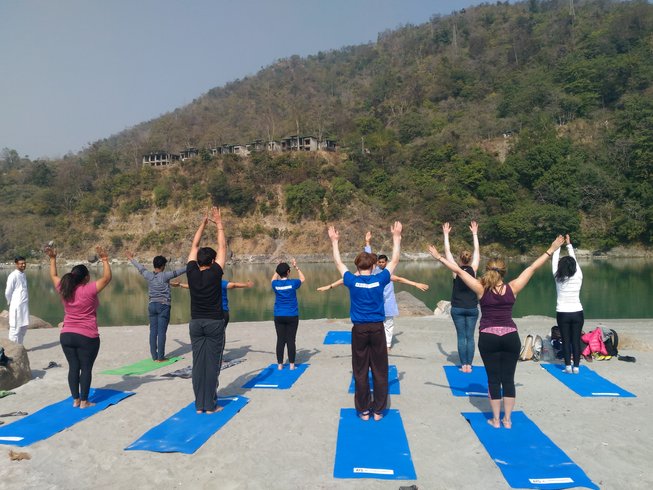
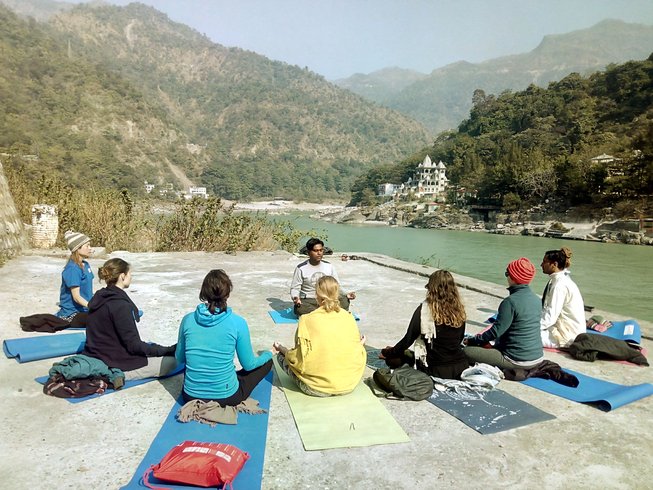
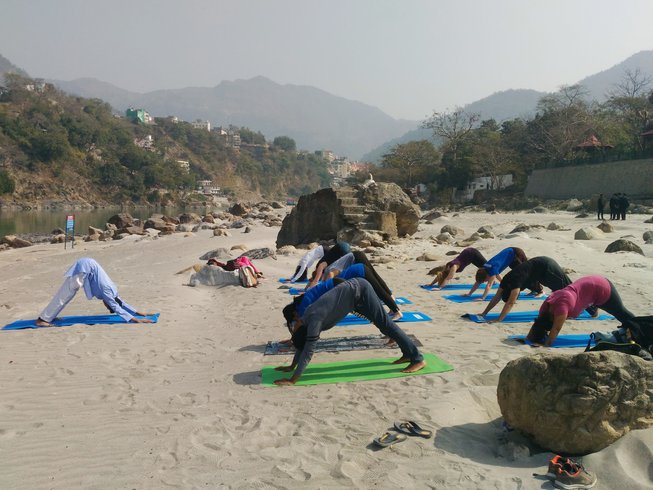
- Beach yoga meditation classes in nature
- 3 sightseeing on Sundays, waterfall, or Ganga Aarti
- 1 massage
- 1.5 hours of astrology consultation
- 24 nights accommodation
- 3 Satvik vegetarian meals a day, 2 times tea
- RO purified water (hot and cold)
- Taxi pickup from Dehradun airport
- All course books, Neti pot, stationery, and library facility
- 24/7 Wi-Fi connectivity
- Running hot water facility in bathroom
- Power backup
- 1 day early check-in or late check-out
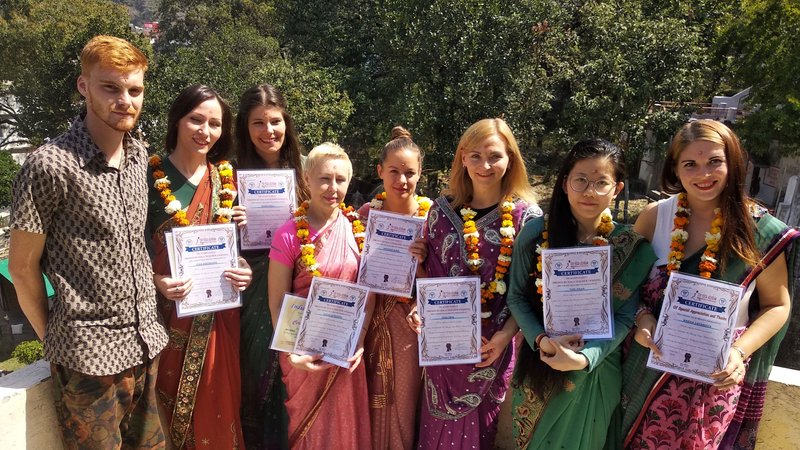
- Certificate of completion
What's not included
- Airfare
- Airport drop-off
- Any other transfer not mentioned
- Personal expenses
- Laundry charges
- Personal clothes like towels, etc.
- Spa treatments
- GST
How to get there
Recommended Airports
Transfer included
Jolly Grant Airport
16 km away from your destination
Arrival by airplane
Please book your flight to arrive at Jolly Grant Airport (DED). Transfer from the airport is included. Sri Yoga Ashram will pick you up from the airport by taxi.
Arrival by bus
Being a popular tourist destination, Rishikesh has a good network of buses connecting it with important places such as Haridwar, Dehradun, and New Delhi. Buses depart in the morning and late evening from the Kashmere Gate ISBT, New Delhi for Rishikesh every day. You can choose from a regular, deluxe, or luxurious coach.
Arrival by train
The nearest rail heading to Rishikesh is in Haridwar which is approximately 25 kilometers away. Haridwar, in turn, is linked to major Indian cities such as Delhi, Mumbai, Kolkata, Lucknow and Varanasi. Some of the popular trains are Shatabadi Express, Jan Shatabdi, AC Special Express, and Mussoorie Express. For those making the journey to Rishikesh, it is advisable to take the train to Haridwar and then either take a bus or hire a taxi to Rishikesh. While the bus would take about 45 minutes, the taxi will take you to Rishikesh in about half an hour.
Cancellation Policy
- A reservation requires a deposit of 25% of the total price.
- The deposit is non-refundable, if the booking is cancelled.
- The rest of the payment should be paid on arrival.

Reviews
For this organizer you can guarantee your booking through BookYogaTeacherTraining.com. All major credit cards supported.
Similar Yoga Teacher Training you might like
You recently viewed