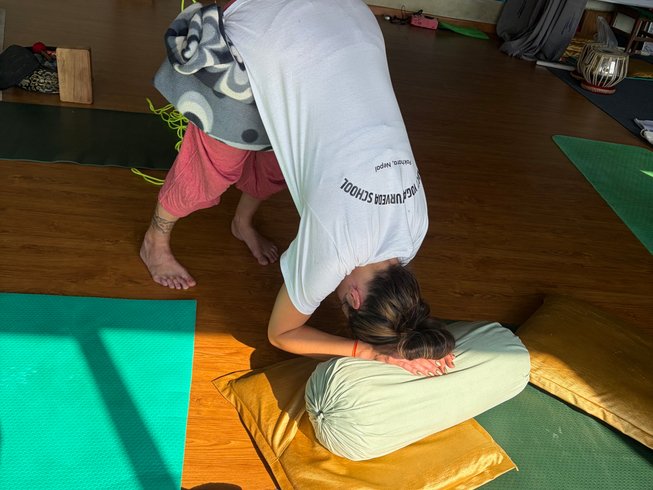

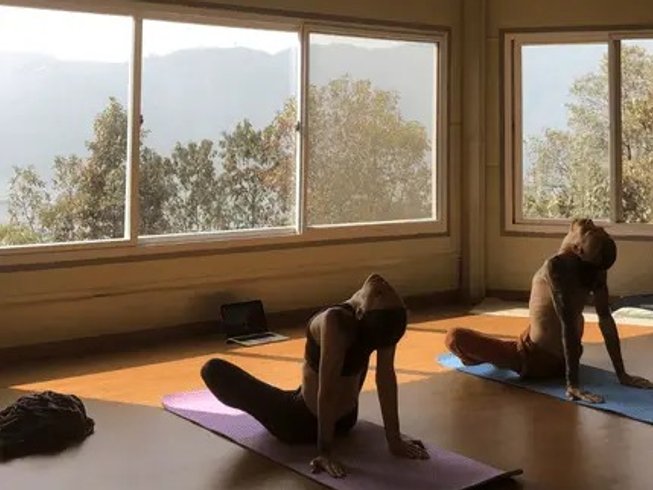
25 Day 200-Hour Traditional Yoga Teacher Training in Pokhara, Nepal
Authentic Yoga Teacher Training Courses in Nepal
Start your yogic journey with Yoga Ayurveda School 200-hour traditional yoga teacher training course in Nepal. This course is ideal for beginners, intermediate and advanced practitioners who wish to learn yoga from authentic route from India and practices of Hatha yoga and Ashtanga Vinyasa yoga in Nepal. Organized by Yoga Ayurveda School in partnership with trusted centers in Nepal, this program offers the perfect combination of learning and transformation from yogic route.
Meet the instructors
Read more
Highlights
- Daily practical yoga classes (asanas and techniques)
- Daily yoga philosophy and lifestyle classes
- Daily practice of meditation, pranayama, mantras, and mudras
- Introduction to basic Ayurveda and natural healing
- Complete guidance in teaching methodology
- 3 healthy vegetarian/vegan/ meals per day
- 24 nights accommodation
- Airport pick-up
Skill level
- Beginner
- Intermediate
- Advanced
Types
24 days with instruction in English
 Average daily hours of activity: 10
Accommodation
The accommodation is located in a peaceful and spiritual setting. It's clean, safe, and comfortable, and is meant to provide a truly yogic lifestyle. A class of rooms is taken good care of to give a quiet place for people to rest and reflect and be renewed after a day of practice and learning. You will have a feeling of being both experienced and at home with the comfortable beds, hot water, and Wi-Fi every time. You are in the middle of the stunning nature and spiritual might of Nepal, and everything you need is just a short walk away. The good-hearted staff will make sure the place is always clean and peaceful, which means you can completely dedicate your time to your inner change.
Program
The Yoga Ayurveda 200-hour yoga teacher training course in Nepal is a deeply transformative program designed to help students build a strong foundation in traditional yoga and Ayurveda. Set in the peaceful Himalayan environment of Nepal, this course offers the perfect atmosphere to reconnect with your inner self while learning the true science of yogic living. The program is suitable for beginners as well as dedicated yoga practitioners who wish to become certified yoga teachers.
At Yoga Ayurveda School Nepal, this 200-hour course blends classical Hatha yoga, Vinyasa Flow, pranayama, meditation, shatkarma, and Ayurveda into a holistic learning experience. The experienced teachers guide students with love and authenticity, helping them understand not only the physical practice of yoga but also its spiritual, mental, and therapeutic dimensions.
Course Highlights
- Daily Hatha Yoga and Vinyasa Flow classes
- Traditional pranayama and breath awareness
- Meditation, mantra and mindfulness practices
- Introduction to Ayurveda and dosha understanding
- Yogic cleansing techniques (shatkarma)
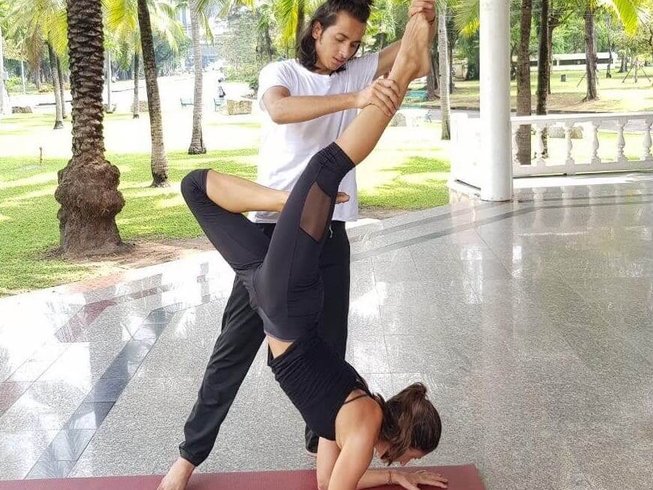
- Alignment, adjustment and teaching methodology
- Yoga philosophy, anatomy and lifestyle guidance
Through this course, students learn how to balance the body, mind, and emotions using ancient yogic and Ayurvedic wisdom. The peaceful surroundings of Nepal support deep healing, self-reflection, and personal growth, making this training much more than just a yoga course.
Why choose Nepal for your 200-hour yoga training course
- Authenticity of yoga Ayurveda
- Sacred Himalayan energy and natural beauty
- Calm and distraction-free learning environment
- Traditional yogic and Ayurvedic teachings
- Supportive international community
- Healthy vegetarian Ayurvedic meals
- Comfortable accommodation in nature
Objectives
The main goal of the 200-hour traditional yoga teacher training course in Nepal, is to offer a hands-on learning experience where you come as a beginner and leave school with the confidence and skills of a trained best yoga teacher. This 24-day intensive program, organized by Yoga Ayurveda School, respects different spiritual learning styles and helps you grow as a well-rounded and knowledgeable yogi. Here’s what the course is designed to achieve:
- To help you deepen your personal yoga practice and understand the roots of yoga, including its philosophy, history, and all the subject traditions.
- To teach you how to lead yoga classes safely and effectively with the right techniques and teaching methods.
- To give you practical experience in yoga asanas, pranayama (breathing techniques), meditation, and other core yoga practices.
- To build your knowledge of human anatomy and physiology and show how it connects to safe and effective yoga teaching.
- To guide you in developing self-awareness, inner peace, and mental balance through yogic tools like meditation.
- To create a friendly, supportive environment where students and teachers grow together as a yoga family.
- To prepare you for the real world of teaching yoga by offering support in launching your yoga career, including basics of marketing and business.
Syllabus
Yoga philosophy
- Introduction to Yogic philosophy
- What is yoga and why it matters
- Historical roots of yoga
- Concept of Shiva and Shakti
- Basics of Patanjali Yoga Sutras
- The Four Paths of Yoga
- Living a yogic lifestyle (discipline of life)
- Introduction to the Bhagavad Gita
- Understanding the Three Gunas
- Concept of Panchakosha (five sheaths of the body)
- The cause of suffering and path to self-realization
- Karma and Sanskaras (impressions)
- Basics of Kundalini Yoga
- Understanding mind, senses, and soul
- Interactive group discussions
- Question and answer sessions
Asanas - Dynamic postures
- Pawanmuktasana Series
- Marjari Asana
- Vyaghra Asana
- Surya Namaskar (Sun Salutation)
Asanas - Sitting postures
- Baddha Padmasana
- Dhyana Veerasana
Asanas - Inverted postures
- Shirshasana (Headstand)
- Sarvangasana (Shoulderstand)
- Halasana (Plough Pose)
- Pincha Mayurasana
- Adho Mukha Vrksasana (Handstand)
Asanas - Standing postures
- Tadasana
- Utkatasana
- Padahastasana
- Trikonasana I–IV
- Parivrtta Trikonasana
- Parshvakonasana
- Parivrtta Parshvakonasana
- Virabhadrasana I, II, III
- Ardha Chandrasana
- Parsvottanasana
- Prasarita Padottanasana
Asanas - Twisting postures
- Ardha Matsyendrasana
- Parivritta Janu Sirsasana
- Kati Chakrasana
Asanas - Backbending postures
- Bhujangasana
- Shalabhasana
- Dhanurasana
- Matsyasana
- Ustrasana
- Kandharasana
- Chakrasana
- Gomukhasana
- Setu Bandhasana
- Rajakapotasana
Asanas - Forwardbending postures
- Paschimottanasana
- Janu Sirsasana
- Ardha Padma Paschimottanasana
- Padaprasar Paschimottanasana
- Adho Mukha Svanasana
Asanas - Balancing postures
- Vrikshasana
- Bakasana
- Mayurasana
- Natarajasana
- Garudasana
Asanas - Relaxation postures
- Shashankasana
- Makarasana
- Savasana
- Balasana
Pranayama
As part of the 200-Hour traditional yoga teacher training course in Nepal by Yoga Ayurveda School, pranayama is one of the core subjects you'll explore in depth. Pranayama is the ancient yogic practice of breath control. It’s more than just breathing-it’s about using breath to influence your body, mind, and energy. Through different techniques, you’ll learn how to improve focus, reduce stress, and boost overall wellness. During the course, you will learn the theory behind pranayama, its benefits, when it should or shouldn't be practiced (contraindications), and how to teach it safely to others. Pranayama is a bridge between the physical and spiritual parts of yoga, making it a powerful tool for both practice and teaching.
- Introduction to Pranayama
- Benefits and contraindications
- Understanding the pranic body
- Connection between Prana and daily life
- Breathing, health and yogic lifestyle
- Pranayama for spiritual growth
- Nadi Shodhana (alternate nostril breathing)
- Sheetali (cooling breath)
- Sheetkari (hissing breath)
- Bhramari (humming bee breath)
- Ujjayi (ocean breath)
- Bhastrika (bellows breath)
- Kapalbhati (cleansing breath)
- Surya Bhedana (right nostril breathing)
- Chandra Bhedana (left nostril breathing)
Meditation
In the 200-hour traditional yoga teacher training course in Nepal organized by Yoga Ayurveda School, meditation plays a vital role in deepening both practice and awareness. This part of the course is carefully crafted by experienced teachers to give you a meaningful and life-changing experience.
Meditation is one of the most powerful tools for finding mental peace, emotional balance, and inner strength. Through daily practice, you’ll explore different meditation techniques like mindfulness, breath-focused meditation, mantra meditation, and more. These techniques will help you stay calm, centered, and present in everyday life.
You’ll also learn how to guide others through meditation safely and effectively. Regular meditation improves concentration, emotional stability, self-awareness, and helps manage stress-making it an essential part of both your personal and professional yoga journey.
- Introduction to meditation
- OM chanting meditation
- Mantra meditation practice
- Soham (breath awareness) meditation
- Yoga Nidra (yogic sleep)
- Tratak (candle gazing) meditation
- Vipassana (Buddha) meditation
- Inner light visualization
- Prana (energy) meditation
- Kundalini awakening meditation
- Key benefits of daily meditation
- Breath awareness and its role in meditation
Mantra chanting and kirtan
As part of the 200-hour traditional yoga teacher training course in Nepal, Yoga Ayurveda School includes a powerful practice that touches both the heart and soul-mantra chanting and kirtan. Mantras are sacred sounds or vibrations that calm the mind and awaken inner awareness. In ancient Sanskrit, it’s said: “Mananat Trayate Iti Mantrah” – meaning a mantra is that which protects or liberates through repetition. When chanted correctly, mantras help release stress, remove mental blocks, and bring deep focus and peace.
Through regular mantra chanting during the course, you will experience its deep meditative effects. Our teachers will guide you with correct pronunciation, meaning, and the spiritual power behind each mantra. You will also learn how to integrate mantras into your personal practice and when guiding others in your future yoga classes. Yoga Ayurveda School gives special attention to mantra chanting sessions and includes traditional kirtan practices for a joyful and heart-opening experience.
- Meaning and origin of mantras
- Benefits of regular chanting
- Ganesh Mantra (remover of obstacles)
- Gayatri Mantra (for wisdom and clarity)
- Shanti Mantra (for peace and harmony)
- Guru Mantra (honoring the teacher)
- Om Chanting (universal vibration)
Mudras and Bandhas
As part of the 200-hour traditional yoga teacher training course in Nepal, offered by Yoga Ayurveda School, you will dive deep into the traditional practices of mudras and bandhas. Mudras are hand gestures used during yoga and meditation to direct energy flow within the body. These simple but powerful movements are known to support mental clarity, inner peace, and deeper meditation. You'll learn how specific mudras can help balance prana (life force energy) and enhance your spiritual growth.
Bandhas, also called yogic locks, are internal muscular contractions that control the movement of energy in the body. When practiced correctly, bandhas help activate and hold prana within certain areas, boosting energy, focus, and inner strength. In this 200-hour yoga course in Bangkok, you’ll not only understand the theory behind these techniques but also gain practical skills in applying them safely and effectively.
- Introduction to Mudras
- Jnana Mudra (gesture of wisdom)
- Chin Mudra (gesture of consciousness)
- Yoni Mudra (gesture of the womb)
- Introduction to Bandhas
- Preparation techniques for safe practice
- Benefits of practicing Bandhas
- Moola Bandha (root lock)
- Jalandhara Bandha (throat lock)
- Uddiyana Bandha (abdominal lock)
Shatkarma Practice Sessions
In this 200-hour traditional yoga teacher training course in Nepal, there will be Shatkarma learning, the ancient yogic cleansing practices, as a vital part of the curriculum. The word “Shatkarma” comes from Sanskrit-“Shat” means six, and “Karma” means action. These are six powerful cleansing techniques that purify the body and mind, preparing practitioners for deeper yogic practices.
Shatkarmas help remove toxins from the body, improve digestion, boost immunity, and support mental clarity. These practices are especially helpful in modern times, and even medical studies have recognized their health benefits. The expert teachers will guide you in practicing each kriya safely and effectively, making these practices accessible even if you're trying them for the first time.
Regular practice of Shatkarma enhances overall well-being, supports deeper breath control (pranayama), and brings physical and energetic balance-making it a core part of your yoga training experience at Yoga Ayurveda School.
- Introduction to Shatkarma
- Jal Neti (nasal cleansing with water)
- Sutra Neti (nasal cleansing with thread)
- Nauli Kriya (abdominal massage technique)
- Benefits and precautions of Shatkarma
Yoga anatomy and physiology
Understanding the human body is a key part of becoming a safe and knowledgeable yoga teacher. In this 200-hour yoga teacher training course in Nepal, there will be basic but essential lessons on yoga anatomy and physiology. This helps you understand how the body works and how yoga affects it.
You'll learn about muscles, bones, joints, and all major body systems-like the respiratory, digestive, and nervous systems. Knowing this helps you teach yoga more safely, guide students better, and avoid injuries. The practical approach makes it easier to apply anatomical knowledge directly to yoga poses and adjustments.
- Introduction to human anatomy
- Structure and function of bones and joints
- Muscular system and movement in yoga
- Respiratory system and pranayama effects
- Digestive system and yoga's impact on digestion
- Circulatory system and heart health
- Nervous system and its role in yoga practice
- Endocrine glands and hormonal balance
- Safe posture alignment and modifications
- Understanding blood pressure and yoga’s influence
Teaching techniques and practice
A big part of this 200-hour Yoga Teacher Training in Nepal is dedicated to teaching you how to teach. The focus will be on teaching methodology, posture alignment, and practical classroom skills. You'll learn how to plan, guide, and lead a yoga class with confidence.
You will also develop communication skills, voice control, class structuring, and student observation. Whether you want to become a full-time yoga teacher or just deepen your practice, these tools will make your yoga journey more effective and fulfilling.
- Effective and conscious communication
- Building friendship and trust in class
- Time management and class flow
- Qualities of a good yoga teacher
- How to demonstrate poses clearly
- Student observation and safe assistance
- Voice projection and tone in class
- Mental and emotional readiness to teach
- Class preparation and lesson planning
- Step-by-step class structure techniques
- Much more with love
Ayurveda
As part of this 200-hour yoga teacher training course in Nepal organized by Yoga Ayurveda School, you’ll also explore the ancient wisdom of Ayurveda. Ayurveda, often called the "science of life," is a natural healing system from India that focuses on living a balanced and healthy life.
Unlike modern medicine, which often treats only symptoms, Ayurveda looks at the root cause of illness and promotes complete wellness. This system is based on the idea that the five elements-earth, water, fire, air, and space-affect our health and must be balanced to stay well.
During your yoga teacher training, you'll learn how Ayurveda connects with yoga. You'll cover the basics of body types (doshas), detox methods (like Panchakarma), and the ancient history and philosophy of Ayurveda. This knowledge will help you understand yourself and others better-and it’s a valuable tool for any yoga teacher aiming to guide students holistically. Here are some of the topics you’ll study during the training:
- Introduction to Ayurveda
- Understanding the body through Ayurvedic principles
- History and origins of Ayurveda
- Sub-doshas and their role in health
- Pancha Tattva – The Five Elements
- Basics of Panchakarma (Ayurvedic detox)
Daily schedule
This 200-hour traditional yoga teacher training course in Nepal, offered by Yoga Ayurveda School Nepal, follows a thoughtfully structured and balanced schedule. Designed to keep students energized, focused, and deeply immersed in their yoga journey, each day combines both theoretical learning and hands-on practice.
The routine promotes holistic learning and personal growth, while also allowing time for self-reflection and relaxation. You’ll explore ancient yogic wisdom in a supportive environment, with the experienced teaching team available throughout your journey. This schedule ensures a well-rounded experience - mentally, physically, and spiritually - while giving you the opportunity to enjoy the serene culture and beauty of Nepal.
- 05:30 Wake up
- 06:00 Reach yoga hall and drink herbal tea
- 06:15 Mantra chanting meditation
- 07:00 Pranayama
- 07:40 Yoga asana (Hatha/Vinyasa/Astanga)
- 13:00 Lunch
- 14:00 Yoga anatomy and philosophy
- 13:00 Lunch, rest/self-study
- 15:00 – 16:00 Teaching methodology, yoga alignment
- 16:00 – 17:00 Meditation and yoga Nidra
- 19:30 Dinner
- 20:30 Self study
- 21:30 Lights out
General rules
A disciplined and systematic lifestyle is essential to becoming a true yogi. Following a yogic way of living and practicing certain ethics is a key step toward becoming an authentic yoga teacher. Yoga Ayurveda School emphasizes rules and discipline and expect their students to follow the same.
- Below are some general rules to keep in mind while attending the teacher training course at the school:
- Maintain the dignity and decorum of the yoga school at all times
- Consumption of alcohol and non-vegetarian food is strictly prohibited within the school premises
- Students must value time and always be punctual for all classes
- Regular attendance is mandatory. Avoid missing classes without a valid reason
- Adopt a yogic lifestyle during the training for best results and transformation
- The registration fee is non-refundable under any circumstances
- Friends or family members are not allowed to stay with students during the course
- Always treat your yoga teachers and peers with respect and humility
- Keep your room and surroundings clean and well-maintained
Instructors
Himanshu Masant
Master Hemu Masant is a highly respected traditional international yoga teacher belonging to a Brahmin family born in Almora (hills of the Himalaya) with extensive experience in the field. He holds a Master's degree in yoga with a 700-hour teacher training course and also has a nursing background, which gives him a unique perspective on the practice of yoga and its health benefits. Master Hemu Masant has been practicing yoga since 2012 and has taught many students all over the world.
Location
Set in the serene nature of Pokhara and other beautiful Himalayan locations, Yoga Ayurveda's campus is designed to help students experience a true yogic lifestyle with daily yoga practice, meditation, Ayurvedic meals, spiritual teachings, and healing therapies.

Food
Yoga Ayurveda School believes true yoga begins with how you nourish yourself. The in-house chefs prepare each meal with love, awareness, and ancient Ayurvedic wisdom, offering three wholesome vegetarian meals every day. Using everything fresh, organic, seasonal, and locally sourced ingredients, every dish is created to balance your Dosha and support your natural healing.
The following meals are included:
- Breakfast
- Lunch
- Dinner
- Drinks
The following drinks are included:
- Water
- Tea
The following dietary requirement(s) are served and/or catered for:
- Vegetarian
- Vegan
- Ayurvedic
Exclusive Gifts
Yoga Ayurveda School has prepared a few special surprises for you, including unique experiences and thoughtful extras to make your journey even more memorable.

steam, detox, yoga, ayueveda, mantra, healing, kundalini
Things to do (optional)
- Visit to Buddha Temple
- Explore the famous local lake market
- Relax at garden
- Boat ride on the lake
- Walk through local markets
- Experience Nepal local market
- Sunrise yoga
- Jungle silent walking meditation
- Steam bath
- And much more to explore
What's included
- Complete study materials and course handouts
- Yoga Ayurveda School tote bag and yoga t-shirt
- Airport pickup from the nearest airport
- 24 days of intensive yoga teacher training
- 3 healthy vegetarian/vegan/ meals per day (optional)
- Filtered water, herbal or green tea served daily
- Outdoor yoga sessions and group activities
- Daily practical yoga classes (asanas and techniques)
- Complete guidance in teaching methodology
- Daily yoga philosophy and lifestyle classes
- Introduction to basic Ayurveda and natural healing
- Yoga alignment and adjustment sessions
- Daily practice of meditation, pranayama, mantras, and mudras
- Anatomy and physiology related to yoga
- Morning prayer and mantra chanting sessions
- Safe and inspiring environment
- Teaching practices
- Certificate of completion
- Luggage storage
- Free Wi-Fi
- 24x7 team support
- 24 nights accommodation
Included Exclusive Gifts
steam, detox, yoga, ayueveda, mantra, healing, kundalini
everything in one palace
What's not included
- Airfares
- Visa
How to get there
Recommended Airports
Transfer available for additional US$ 70 per person
Tribhuvan International Airport
149 km away from your destination
Transfer included
Pokhara Airport
3 km away from your destination
Cancellation Policy
- A reservation requires a deposit of 16% of the total price.
- The deposit is non-refundable, if the booking is cancelled.
- The rest of the payment should be paid on arrival.

Reviews
No reviews yet
For this organizer you can guarantee your booking through BookYogaTeacherTraining.com. All major credit cards supported.
Similar Yoga Teacher Training you might like
You recently viewed