
25 Day 200-Hour Multistyle and Spiritual Yoga Teacher Training Course in Rishikesh, India
200-Hour Yoga Teacher Training in India
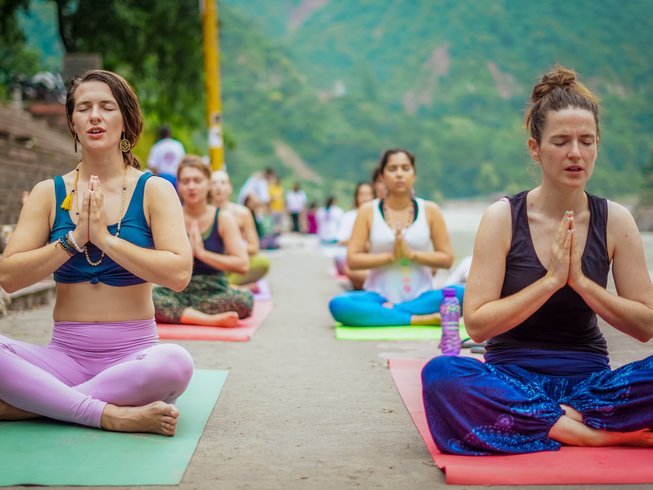
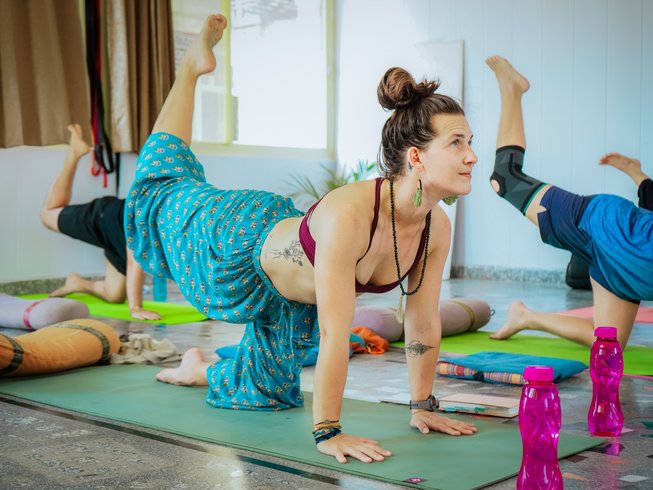
Start your yoga journey by becoming a registered yoga teacher at Drishti Yogshala. This yoga teacher training is the passage where the most sparkling version of yourself begins. Each class is a journey that will benefit you to understand the continually changing needs of mind, body, and soul. You will learn to use a different variety of yogic methods such as asana, pranayama, bandha, mudra, shat-karmas, and meditation that overall gives you a vast experience to understand the requirements of the body easily.
Meet the instructors
Highlights
- 200-hour yoga teacher training certificate
- Life-changing yoga session (theoretical and practical)
- Kirtan night
- Ayurveda session
- Weekly local sightseeing
- 24 nights accommodation
- Daily 3 times sattvic meals
Skill level
- Beginner
- Intermediate
- Advanced
Types
22 days with instruction in English
 Average daily hours of activity: 9
Accommodation
Facilities
- Dining area
- Lounge
- Terrace
- Yoga studio
- Laundry
- Parking lot
- Wireless internet
Accommodations at the Drishti Yogshala campus for the 200-hour yoga teacher training program are well-maintained and clean. All rooms have an attached bathroom with 24-hour electricity, and hot and cold running fresh water.
Drishti Yogshala provides accommodations on a private and sharing basis so do check according to your individual needs. Laundry service is also available at small charges. Rooms at the campus are shared by the same genders but wife and husband, mother and daughters can share their room if both are doing a yoga teacher training program. If they are not doing the course they can stay with you at a minimal cost.
The accommodation is provided in the same building as the classes so it is convenient for the students. The accommodation also includes the yoga hall, dining, and lounge area to sit, relax, and study amidst magnificent views. Wi-Fi, water and room heaters filtered drinking water, and laundry services are available in the building itself as well as the parking area which is open for the students.
The school has spacious, clean, sattvic rooms and can choose from shared, single, or double occupancy rooms as per their comfort and convenience. Shops, ATMs, healthcare, bike rentals, and cafes are all nearby the school within walking distance. The world-famous Laxman Jhula hanging bridge is only a 10-minute walk away.
Program
A 200-hour yoga teacher training course provides you with a good chance for deepening and expanding your theoretical knowledge and practical skills for yoga and meditation. It offers a complete knowledge of Yoga and its required components such as asana, mudra, kriya, mantra, anatomy, physiology, teaching methodologies, etc.
200-hour YTT is a particular category of yoga for anyone who wishes to be a global yoga teacher. Initiate your journey to be a competent yoga teacher.
What you'll learn in a 200-hour yoga teacher training program
Take a step forward in your yoga journey and join Drishti Yogshala for a highly informative, inspiring life-changing experience. By the end of this training, you will leave with a newly certified yoga teacher and with a new perspective of looking at the outer world – derive and connect with the best phase of yourself.
Both beginners and experienced yoga practitioners can get the most out of this training as this training offers a space for personal development and self-growth, providing the necessary ways to advance your personal practice. Every minute you will use during the training will work as a ladder to reach a new level of your life and give you a way of living.
Through daily asana and pranayama practice, you will work on your body inside and out, and meditation will help you to improve your mental health. Also, daily asana practice and overall training will help you to build up self-confidence in such a way that it will assist you to find your own unique expression of an inspiring yoga teacher. Be a part of a wonderful, transformational journey with like-minded humans, and rejuvenate your physical and mental well-being.
Meditation
Drishti Yogshala has various types of meditation techniques which they have included in this course. The meditation practice includes:
- Mantra chanting meditation
- Candle meditation
- Breathing meditation
- Trataka
- Bhajan / Kirtan
- Silence practice meditation
Mantra chanting
Mantra chanting is a great way to see the light within you. It greatly helps in improving self-confidence, attention, focus, and inner energy to perform. This course focuses on mantra chanting at regular intervals during daily activities. Mantra chanting includes:
- Om chanting
- Gayatri mantra
- MahaMrityunjaya mantra
- Guru vandana (prayer to Guru)
- Ashtanga mantra opening and closing
- Beej mantra
- How you chant mantra properly
- Prayer before class and meal
Pranayama
Pranayama is generally defined as breath control. Although this interpretation may seem correct in view of the practices involved, it does not convey the full meaning of the term. The word pranayama is comprised of two roots: ‘Prana’ plus ‘Ayama’. Prana means vital energy or life force.
- Study of pranayama
- Introduction of pranayama
- Types of pranayama
- Benefits of pranayama
- Explain the pranic body
- Explain why it is important
- Make asana very easy through pranayama
- How you can increase your age through the right breath
- Prana and lifestyle
- Breath, health, and pranayama
- Pranayama and the spiritual aspirants
Bandhas (energy lock)
Bandhas are energy locks provoked by the contraction of certain groups of muscles and are widely used in yoga practice. Here's a glimpse of what you’ll learn on the subject:
- Preparation for bandha
- Benefits of bandha
- Mula bandha
- Jalandhara bandha
- Uddiyana bandha
Ashtanga vinyasa flow
Ashtanga yoga is a form of yoga that was developed in India over 2,000 years ago. It focuses on improving your physical health through postures (asanas), breathing exercises (pranayama), and meditation techniques. “Ashta” means eight and “anga” means limbs. Yoga poses and asanas you will learn under Ashtanga yoga.
Standing poses
- Hasta padangusthasana and pada hastasana
- Utthita tri konasana
- Parivrtta tri konasana
- Utthitan parsva konasana
- Parivrtta parsva konasana
- Prasarita padottanasana A, B, C and D
- Utthita parsvottanasana
- Utthita hasta padangusthasana
- Utthita parsvasahita
- Utthita eka padasana
- Ardhabaddha padmottanasana
- Utkastasana
- Virabhadrasana A, B and C
Primary asanas
- Paschimottanasana A, B and C
- Purvottanasana
- Ardha baddha padma paschimottanasana
- Tirieng mukha eka pada paschimottanasana
- Janu sirsasana A, B and C
- Marichyasana A, B and D
- Navasana
- Lolasana
- Bhuja pidasana
- Kurmasana
- Garbha pindasana
- Kukkutasana
- Baddha konasana A and B
- Konasana A and B
Intermediate asanas
- Salabhasana A and B
- Dhanurasana
- Ustrasana
- Kapotasana A and B
- Supta vajrasana
- Bakasana A
- Bakasana B jump
- Ardha matsyendrasana
- Yoga nidrasana
- Tittibhasana
- Picha mayurasana
- Vatayanasana
- Gomukhasana A and B
- Hasta sirsasana (head stand)
Advanced A (optional)
- Kasyapasana
- Bhairavasana
- Urdhva kukkatasana A
- Galavasana
- Eka pada viparita dandasna
- Viprita salabhasana
- Gandha bherundasana
- Hanumanasana
- Natrajasana
- Raja kapotasana
Hatha yoga
Hatha yoga is the oldest and the most classic method of physical exercises and breathing control used in yoga. Hatha yoga is excellent for improving body mobility and deep relaxation.
- Joints moments.
- Surya namaskara (sun salutation) and chandra *Namaskara (moon salutation)
- Yoga mudrasana
- Matsyasana
- Gupta padmasana
- Baddha padmasana
- Lolasana
- Kukkutasana
- Garbhasana
- Backward bending asanas
- Saral bhujangasana (easy cobra pose)
- Bhujangasana (cobra pose)
- Tiryaka bhujangasana (twisting cobra pose)
- Sarpasana (snake pose)
- Ardha shalabhasana (half locust pose)
- Shalabhasana (locust pose)
- Saral dhanurasana (easy bow pose)
- Kandharasana (shoulder pose)
- Ardha chandrasana (half moon pose)
- Setu asana (bridge pose)
- Gomukhasana (cow’s face pose)
- Forward bending asanas
- Paschimottanasana (back stretching pose)
- Gatyatmak paschimottanasasna (dynamic back stretch pose)
- Pada Prasar paschimottanasana (legs spread back stretch pose)
- Janu sirshasana (head to knee pose)
- Ardha Padma paschimottanasana (half lotus back stretching pose)
- Hasta pada angushthasana (finger-to-toe stretch)
- Padahastasana (hand-to-foot pose)
- Sirsha angustha yogasana (head to toe pose)
- Utthitajanusirshasana (standing head between knees pose)
- Spinal twisting asanas
- Ardha matsyendrasana (half spinal twist)
- Parivritti janu sirsasana (spiraled head to knee pose)
- Advance pose
- Poornabhujangasana (full cobra pose)
- Kurmasana (tortoise pose)
- Poornashalabhasana (full locust pose)
- Poorna dhanurasana (full bow pose)
- Dhanu-rakarshan-asana (archer’s posed)
- Chakrasana (wheel pose)
- Hanumanasana (leg-splitting pose)
- Poornamatsyendrasana (full spinal twist pose)
- Mayurasana (peacock pose)
- Padma mayurasana (lotus or bound peacock pose)
- Gorakshasana (yogi gorakhnath’s pose)
- Astavakrasana (eight-twist pose)
- Vrischikasana (scorpion pose)
- Inverted pose, balancing pose, and core pose
Shatkarma
Shatkarma is a traditional yoga technique for cleansing the body from the inside. It helps in internal cleansing, opens blockages in the body, and removes all internal illnesses. Shatkarma word is derived from Sanskrit and is a combination of two words "shat" + "Karma" also known as Shaktkriya. Below are the Shatkarma techniques included in the course:
- Dhauti
- Basti
- Neti
- Trataka
- Nauli
- Kapalabhati
Human anatomy
Every yoga teacher before starting their yoga practice should know about the basic structure of our human body and the functions of the organs. In this course, you will gain knowledge about human anatomy.
- Important joints
- Important nerves
- The basic structure of the human body
- Proper functioning of organs and body parts.
- Types of bones
- Circulatory system
- Types of heart block
- Skeletal system
Yoga philosophy
In this class, you will get Theoretical knowledge of yoga. Here is the below table of content that students will learn:
- Introduction of yoga
- Yoga pantanjali sutra
- Five basic element
- Injuries and rest
- Integrating yoga into daily practice
- Principle of yoga
- Eight limbs of yoga
- Yoga therapy
- Yoga for stress, migraine, and insomnia
- Yoga for hypertension
- Yoga for heart problems, blood pressure, and diabetic
- Three dosha
- The nadi and kundalini.
- Basic knowledge of chakra and Ayurveda
- Yogic diet
- Difference between satvic and tamasic food
- Group discussion
- Question and answers
Teaching methodology, adjustment and alignment
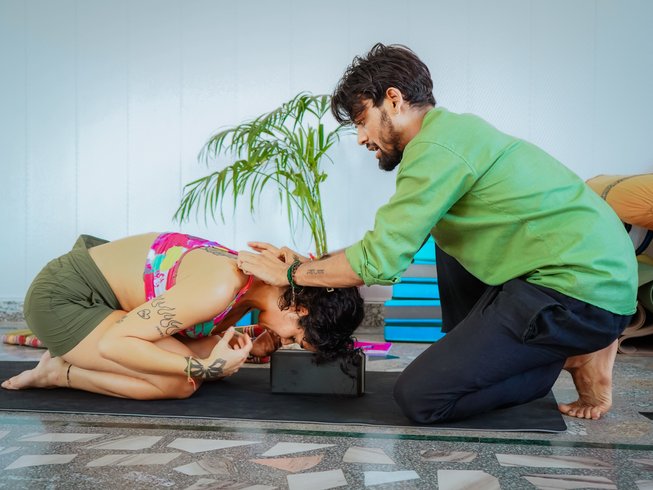
During these classes, you will learn how a perfect posture should be. You will also learn how to connect with your future students through correct class verbal guidance and touch adjustment, recurrent yoga injuries, and how to prevent them. The teaching methodology is one the most important part of the course as students will learn the following:
- How to conduct a class
- Classroom management
- How to get in and come out from the posture
- How to assist and help while teaching the class
- What kind of words you should be used as a yoga teacher
- What makes you different than other teachers in terms of teaching
- Which kind of asanas you should recommend for a different health issue
- How to use belts, bolster, bricks, and chair during the class adjustment
Ayurveda
Ayurveda, a natural system of medicine, originated in India more than 3,000 years ago. The term Ayurveda is derived from the Sanskrit words ayur (life) and veda (science or knowledge). Thus, Ayurveda translates to knowledge of life. Based on the idea that disease is due to an imbalance or stress in a person's consciousness, Ayurveda encourages certain lifestyle interventions and natural therapies to regain a balance between the body, mind, spirit, and the environment.
Ayurveda treatment starts with an internal purification process, followed by a special diet, herbal remedies, massage therapy, yoga, and meditation.
The concepts of universal interconnectedness, the body's constitution (prakriti), and life forces (doshas) are the primary basis of Ayurvedic medicine. The goals of treatment aid the person by eliminating impurities, reducing symptoms, increasing resistance to disease, reducing worry, and increasing harmony in life. Herbs and other plants, including oils and common spices, are used extensively in Ayurvedic treatment. In this module you'll learn:
- Introduction to Ayurvedic philosophy
- Health, disease, and three doshas (Kapha, pitta, vata)
- Food guidelines for basic constitutional types
- Herbal remedies
- Panchakarma (detox treatments)
Daily schedule
- 05:30 Wake up
- 05:30 to 07:00 Pranayama and shatkarma
- 07:30 to 08:30 Classical hatha
- 08:30 to 09:30 Breakfast / tea
- 10:30 to 11:30 Yoga philosophy
- 11:30 to 12:30 Teaching methodology / adjustment
- 12:30 to 13:30 Lunch
- 13:30 to 14:30 Rest / self-study / self-practice
- 14:30 to 15:30 Ayurveda session / complimentary massage
- 15:30 to 16:30 Human anatomy
- 16:30 to 18:00 Ashtanga Vinyasa
- 18:00 to 19:00 Meditation / yoga Nidra / emotional blockage session
- 19:00 to 20:00 Dinner
Note: This schedule can be changed and will vary from week to week. The final weekly schedule will be provided at the beginning of the course.
Included excursions
Every Sunday is a new adventure, as the school arranges trips that would help the students to explore and experience new places in Rishikesh.
Given below are the details of Sunday excursions planned by the school:
- Maa kunjapuri temple in Himalaya
- Ganga aarti
- Vashishta cave
- Beach yoga
- Kirtan night
- Secret waterfall
Instructors
Yogi Hemlata Sakalani
Dr Hemlata is a professionally qualified physiotherapist who has successfully completed her post graduation in the field of physiotherapy and research. She had gone through the combined institute of medical science and research (CIMSR), Dehradun where she obtained doctorate degree in Physiotherapy.
Yogi Sonu Ji
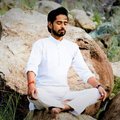
Yogi Sonu Ji is a yoga teacher and student of many years. He has earned his reputation as a teacher in this field through his vast knowledge and experience, which are passed on to his students in a clear and concise way so that they can fully understand what they are practicing, why they are practicing it and how they can move forward with a step by step journey towards being aware of themselves.

Yogi Dheeraj Chauhan
Yogacharya Dheeraj Chauhan Ji began his yoga journey in 2008. His expertise includes traditional Hatha yoga, Ashtanga yoga, adjustment and alignment, pranayama, Shatkarma (cleansing technique), and multicultural wellness. Yogacharya Dheeraj Chauhan Ji learned yoga under the famous and renowned yoga guru in Rishikesh.

Yogi Pankaj
Pankaj ji is a certified yoga teacher with a Master of Arts in Yoga and Naturopathy from Uttarakhand University. He has also been certified by the International Institute of Yoga and Meditation. Currently, he teaches pranayama, yoga therapy, emotional blockage, and meditation. Pankaj Ji has been spreading happiness through his teaching and therapy practice.
Location
Rishikesh, the world capital of yoga, is located on the banks of The Sacred River Ganga surrounded by the view of the Himalayas and pristine forests gives you a breathtaking view. It is a small town in Uttrakhand, and the birthplace of Yoga is the first choice for all spiritual seekers from all over the world. The river is considered holy, and the city is renowned as a center for studying yoga and meditation. Temples and ashrams (centers for spiritual studies) line the eastern bank around Swarg Ashram, a traffic-free, alcohol-free and vegetarian enclave upstream from Rishikesh town.
With many small shops and cafés nearby, any needs you may have outside the program can easily be met within walking distance. A few minutes walk from Drishtiyogshala is the serene and beautiful Ganga, with local attractions such as Ram Jhula, Laxman Jhula, the Beatles Ashram, Parmarth Niketan, and many more to explore. You will learn and experience not only inside the school campus, travel to Rishikesh and experience its culture and vibes that got energy from ancient yogis by visiting places.
During this teacher training program, you will be staying at the Drishti Yogshala Rishikesh. It provides a very peaceful and relaxing scenery and the perfect oasis for you to grow and reconnect.
The ashram has private and twin-sharing rooms. Each room has its own bathroom with a hot water rain shower, balcony or small terrace, desk, wardrobe, and sitting space. All rooms have high ceilings, big windows, and lots of natural light coming in.
Drishti Yogshala offers filtered drinking water facilities. They also provide clean bed sheets, pillows, toilet paper, blankets, towels, and other basic amenities like soap and sanitizer. Wi-Fi is available for everyone.

Food
Included in the price of the course, Drishti Yogshala Rishikesh will prepare three freshly made vegetarian meals per day. The kitchen is clean and hygienic and all of the vegetables are organic. The food is popular all over the globe for its taste and variety.
Drishti Yogshala Rishikesh believes that yoga is a way of living. When complemented with healthy food habits, it can completely transform your lives for the better. In fact, eating the right food is an essential part of living a yogic life.
Eating a balanced and nutritious diet is very important for yogis, as it can affect both their mental and physical health. The yogic diet is based on the natural healing, rejuvenating, and energizing elements from the revered science of Ayurveda, making it the perfect food for nourishing the mind, body, and soul of budding yogis. Drishti Yogshala provides yogic food that helps physically increase flexibility and stamina. All of their kitchens are clean and sanitary, and their food is well-known around the world for its flavor and yumminess.
They provide three meals a day. Both vegan and vegetarian options are available to meet the requirements of yogic practice. A healthy soul requires a healthy body, in the same way, that your physical bodies require a safe and clean environment.
Freshly cooked food that is consumed within 3-4 hours can be considered sattvic. A sattvic diet purifies the body and calms the mind. This diet creates peace within the body and mind, complimenting your yoga practice throughout your training.
Drishti Yogshala Rishikesh is fully committed to the well-being of their students and they provide a sattvic diet for everyone on the course. These menus have been tailored by their Master Chef Arvind Nautiyal who has worked with some of the best five-star hotels around the world and carries great knowledge about the Sattvic diet along with this he focuses on hygiene practices at the institution to ensure the food is safe and carries great nutritional values which is much needed for a healthy life.
The following meals are included:
- Breakfast
- Lunch
- Dinner
- Drinks
The following drinks are included:
- Water
- Tea
The following dietary requirement(s) are served and/or catered for:
- Vegetarian
- Vegan
- Gluten Free
- Organic
- Fruitarian
- Lactose Free
- Yogic
- Other dietary requirements on request
- Ayurvedic
Things to do (optional)
There is a lot to do and see around the venue. These are not included in the price but Drishti Yogshala can arrange it upon request.
- Ayurvedic massage and therapies
- Bungee jumping
- Camping and bonfire
- Cliff jumping
- Experience the traditional Indian culture
- Flying fox
- Kayaking
- Mountain biking
- Parasailing and paragliding
- Rappelling and rock climbing
- Trekking
What's included
- 24 nights accommodation
- All classes as stated in this program
- 3 fresh Sattvic organic vegetarian meals a day
- 1 Indian cooking workshop
- 1 Himalayan hiking tour
- 1 Aarti guided session
- Rishikesh market guided tour
- Herbal teas and healthy juices
- 1 yoga kit - yoga book, yoga mats, textbook and pen, yoga shirt, bag, rudraksha mala)
- Pick-up from Dehradun Airport to the school (on the afternoon of the previous day to the starting date)
- Certificate of completion
What's not included
- Airfare
- Personal expenses
- Drop off from the school to the airport, bus station, etc
How to get there
Recommended Airports
Transfer included
Jolly Grant Airport
14 km away from your destination
Transfer available for additional US$ 90 per person
Indira Gandhi International Airport
209 km away from your destination
Arrival by airplane
The nearest airport to Rishikesh is Jolly Grant Airport, Dehradun (DED) which is 30 minutes from the school. All flights to DED come from Delhi, so you will have to transit there and take a domestic flight to DED.
At Delhi, please note that all international flights are at Terminal 3 and all domestic flights are at Terminal 1, except for Jet Airways (Terminal 3). Therefore, make sure that you have at least 1-2 hours to move between the two terminals.
Arrival by taxi
From DED, the taxi (free of charge) would be provided to pick you up only on the first as per our arrival date. Direct taxi from Delhi airport is also possible. The taxi charges would be 90 USD per trip. If you need assistance in booking your taxi on arrival, please provide the organizers with your flight details (i.e. flight no., airline, time, date, and location).
Cancellation Policy
- A reservation requires a deposit of 30% of the total price.
- The deposit is non-refundable, if the booking is cancelled.
- The rest of the payment should be paid on arrival.

Reviews
No reviews yet
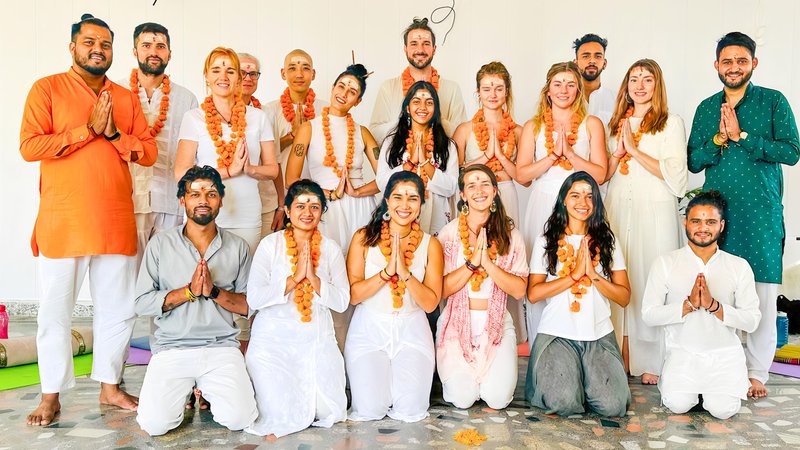
For this organizer you can guarantee your booking through BookYogaTeacherTraining.com. All major credit cards supported.
Similar Yoga Teacher Training you might like
You recently viewed