
24 Day 200-Hour, Ashtanga, Vinyasa, Yin Teacher Training & Sound Healing in Rishikesh, India
Immersive Yoga Teacher Training in India
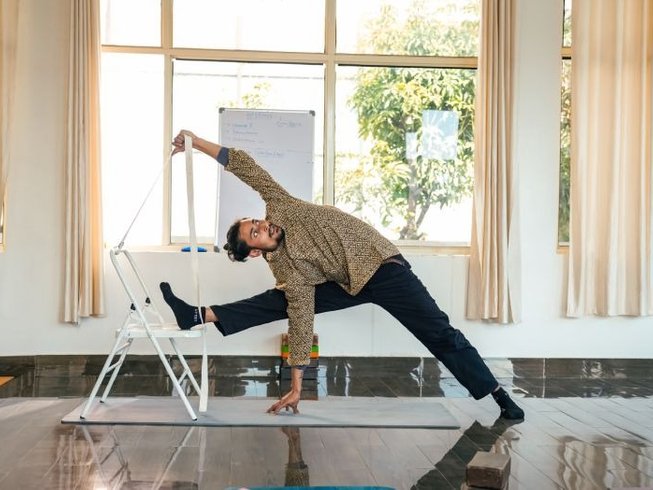
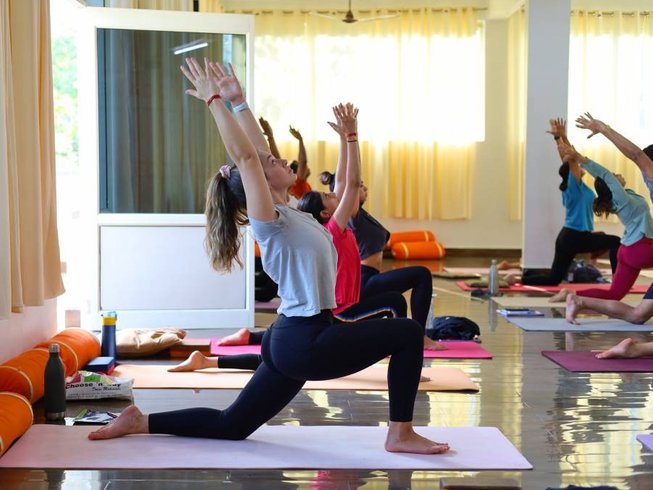
At Mind Bliss Yoga Academy, the 200-hour Yoga Teacher Training Course in Rishikesh is a thoughtfully designed program, resulting from years of experience and refinement by the expert group of teachers and yogic practitioners. This immersive 200-hour TTC course goes beyond the physical outlook of yoga. Rooted in a holistic approach, the focus is on teaching the other important aspects of it, like pranayama, meditation, philosophy, and the overall wholesome art of living a yogic lifestyle.
Meet the instructors
Highlights
- Exclusive training materials and authentic yogic practices
- World-class facilities and experienced teachers
- Workshops, rituals, and global yoga community
- Eligible to register with Yoga Alliance upon completion
- 1 massage
- Sunrise trip and Ganga Aarti
- 23 nights accommodation with satvik meals
- Pick up at the airport (DED)
Skill level
- Beginner
- Intermediate
- Advanced
Types
23 days with instruction in English
 Average daily hours of activity: 7
Accommodation
Facilities
- Air-conditioned rooms
- Café
- Dining area
- Environmentally friendly
- Garden
- Lobby
- Luggage room / storage
- Yoga shala
- Yoga studio
- ATM / banking
- Dry cleaning
- Free Wi-Fi
- Ironing / ironing board
- Laundry
- Library
- Medical assistance
The private and shared room is designed for comfort and convenience, featuring air conditioning tailored to your preferred settings, spacious cupboards for organized storage, and a clean, modern attached bathroom for your privacy. This setup ensures a peaceful, personalized space where you can fully relax and feel at home.
Guests will be provided with all essential bedding to ensure a restful stay, including soft, high-quality bed sheets, cozy pillows, and warm blankets. Each room is thoughtfully furnished with practical amenities such as bedside tables, desks, charging points, and 24-hour running water, along with complimentary high-speed Wi-Fi to keep you connected.
For added convenience, irons are available to help you keep your clothing neat and fresh. The lighting throughout the rooms and surrounding areas is carefully selected to create a warm, soothing ambiance, enhancing your comfort both indoors and out.
The beautifully designed sitting and dining areas add an extra layer of charm to your stay, offering not just function but also a touch of elegance and aesthetic appeal to your overall lodging experience.
Program
Certification
Students who complete the training are eligible to register with Yoga Alliance as Registered Yoga Teachers (RYT®).
The training follows a structured and progressive approach, divided into three key levels: Understanding the mind, Understanding the body, and Understanding the energy.
Course syllabus – 200-hour Yoga TTC
Yoga philosophy
- History of Yoga: Classical yoga and Hatha yoga
- Modern Yogis and their contributions
- The gunas steps for transformation
- The chakra system
- Different chakra aspects in each individual
- Panchatattva – 5 elements
- Types of Yoga: Bhakti, Karma, Kriya, Kundalini, Raja yoga
- Raja Yoga: Introduction to Patanjali’s Yoga Sutras and the Eight Limbs of Yoga
- Detailed study of Yama and Niyama
- Concepts of Asana, Pranayama, and Pratyahara
- Deeper exploration of Dharana, Dhyana, and Samadhi
- Study of the first three sutras of Patanjali
- Scriptures: Bhagavad Gita
- Four castes and four stages of life
- Overview of Buddhism and Vipassana
- Panch kleshas: Avidya, Asmita, Raga, Dvesha, Abhinivesha
- Panch koshas: The five layers of human existence
- Chakras: Understanding the energy centers
- Revision and discussions
Understanding the mind
- History of Yoga: Classical yoga and Hatha yoga
- Modern Yogis and their contributions
- Types of Yoga: Bhakti, Karma, Kriya, Kundalini, Raja yoga
- Raja Yoga: Introduction to Patanjali’s Yoga Sutras and the Eight Limbs of Yoga
- Detailed study of Yama and Niyama
- Concepts of Asana, Pranayama, and Pratyahara
- Deeper exploration of Dharana, Dhyana, and Samadhi
- Study of the first three sutras of Patanjali
- Scriptures: Bhagavad Gita
- Four castes and four stages of life
- Overview of Buddhism and Vipassana
- Panch kleshas: Avidya, Asmita, Raga, Dvesha, Abhinivesha
- Panch koshas: The five layers of human existence
- Chakras: Understanding the energy centers
- Revision and discussions
Yoga and the mind
- The mind and personality
- Mind and self-awareness
- Understanding thought patterns
- Emotional intelligence and regulation
- Conscious vs. subconscious mind
- The role of emotions in decision-making
- Neuroplasticity and the brain
- The unconscious mind and its influence
- Self-awareness and personal growth
- The impact of language on thought
- The mind-body connection
- The role of beliefs in shaping reality
- The psychology of fear and anxiety
Meditation
- Introduction
- Introduction, benefits, and importance of meditation
- Impact on brain health and stress management
- Common obstacles in meditation and how to overcome them
- The role of concentration and tips for improvement
- Silent meditation and tips for deepening practice
- Theory
- Introduction, benefits, and importance of meditation
- Common obstacles in meditation and how to overcome them
- The role of concentration and tips for improvement
- Silent meditation and tips for deepening practice
- Transformation through meditation
- Mindfulness and present moment awareness
- Emotional awareness and release
- Self-love and acceptance
- Embracing change, gratitude practice
- How to find the right meditation techniques
- Meditation for healing and recovery
- The role of a meditation teacher
- Meditation in modern life
- Techniques
- Mantra meditation: harnessing sound vibrations for deep mental clarity
- Silent meditation (Antar Mouna): cultivating inner stillness
- Trataka (candle gazing): enhancing concentration and vision
- Mindfulness meditation
- Loving-kindness meditation (Metta)
- Guided visualization
- Affirmation meditation
- Self-inquiry meditation (Atma Vichara)
- Body scan meditation
- Heart-centered meditation
- Mindful movement meditation (Yoga or Tai Chi)
- Transformation through surrender meditation
- Journaling and meditation integration
- Yoga Nidra
- Ajapa Japa: Rhythmic breathing with mantra chanting
- Nada meditation: Connecting with inner sound vibrations
Understanding the body
- Introduction to yogic anatomy, physiology, and psychology
- Scientific perspective on yoga and its benefits
- Asana, movement, and exercise in yogic science
- Alignment and biomechanics of major joints: wrist, elbow, shoulder, spine, hip, knee, ankle
- Mind, thoughts, and experience: neuroscience and yogic perspective
- Breathing and pranayama: yogic and scientific approach
- Core muscles: role in spine stability and breathing patterns
Asana practice
- Dynamic postures: Pawanmuktasana series, Marjariasana, Vyaghrasana, Surya Namaskar
- Standing postures: adasana, Utkatasana, Trikonasana, Veerbhadrasana series, Ardha Chandrasana, Prasarita Padottanasana
- Inversions: Sirsasana, Sarvangasana, Halasana, Pincha Mayurasana, Adho Mukha Vrikshasana
- Twisting postures: Ardha Matsyendrasana, Parivrtta Janu Sirsasana, Kati Chakrasana
- Backbends: Bhujangasana, Dhanurasana, Chakrasana, Ustrasana, Rajkapotasana
- Forward bends: Paschimottanasana, Janu Sirsasana, Adho Mukha Svanasana
- Balancing postures: Vrikshasana, Bakasana, Mayurasana, Natarajasana, Garudasana
- Relaxation postures: Shashankasana, Makarasana, Savasana
Traditional Hatha yoga practice
- Introduction to Hatha Yoga
- Core principles of Hatha Yoga
- Components of a typical Hatha yoga class
- Philosophical aspects of Hatha yoga
Pranayama and kriyas
- Introduction of pranayama, Kriya, and Shatkarma
- Understanding pranayama fundamentals
- The five pranas
- Respiratory system
- Linking breath and mindfulness
- Physiological and psychological aspects of breathing and pranayama
- Understanding the breathing muscle and rib cage
- Types of pranayama
- Safety and contraindications
- Techniques – Basic techniques:
- Ujjayi (victorious breath)
- Nadi Shodhana (alternate nostril breathing)
- Kapalabhati (skull shining breath)
- Bhastrika (bellows breath)
- Bhramari (bee breath)
- Advanced techniques:
- Kumbhaka (breath retention)
- Surya Bhedana (right nostril breathing)
- Anulom Vilom (alternate nostril breathing with retention)
- Ashta Kumbhaka – The eight types of breath retention
- Kriya (energy gesture):
- Accessing your energy
- Mudras and chakras
- Mudras and the elements
- Mudras and doshas
- Integrating mudras into your life
- Fire mudra
- Boosting inner strength and self-esteem
- Agni mudra: Fire gesture
- Guru mudra: Jupiter gesture
- Manipura mudra: Solar plexus chakra gesture
- Linga mudra: Mark of Siva
- Dhyana mudra: Meditation gesture
- Surya mudra: Sun seal
- Pushan mudra: Giver of good health
- Kamajayi mudra: Victory over excessive desires gesture
- Introduction to Shatkarma (yogic cleansing techniques)
- Practical experience: Jala Neti, Rubber Neti, Trataka, Kunjal
- Benefits of Shatkarma practices
- Kriyas for cleansing: Kapalabhati (cleanses the frontal brain), Trataka (enhances focus and vision)
Teaching methodology
- Alignment: Alignment and adjustments rules
- Hands-on adjustments
- Sequencing: developing balanced sequences that flow smoothly, combining various types of Asanas (e.g., warm-up, standing poses, seated poses, etc.)
- Ethical teaching: classroom communication: Developing skills to communicate effectively with students through verbal cues, demonstrations, and adjustments
- Teaching skills
- Classroom management
- Personal development
- Teaching practice
- Personal practice and self-reflection
- Teaching in pairs/groups: mock classes
Integration and final assessment
- Final exam: a written or oral exam testing knowledge of Yoga philosophy, anatomy, teaching methodology, and philosophy
- Teaching assessment: a final teaching practicum where you lead a class and are evaluated on your teaching ability
Daily schedule
- Day 1 Mostly arrival and welcome ceremony
- Day 2 Classes start as per the schedule
- 05:45 Morning bell
- 06:00 Wake up
- 07:15 - 09:00 Meditation or pranayama
- 09:00 - 10:00 Yogic breakfast
- 10:00 - 11:00 Yoga philosophy, psychology
- 11:00 - 12:00 Yoga anatomy
- 12:00 - 15:00 Lunch / rest
- 16:00 - 18:00 Asthnga/vinysha yoga practice and alignment
- 19:00 - 20:00 Dinner
- 21:00 - Lights off
Included excursions
- Temple visit
- Mindfulness walk
Instructors
Yogesh Jakhmola
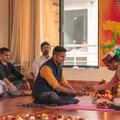
Yogesh Ji, one of the senior teachers, has an in-depth understanding of Anatomy and Psychology and can assess students quickly and insightfully. Holding a Master’s degree in Yogic Science and a Master’s in Psychology, he integrates science and philosophy in a way that resonates at every stage of life. His humor also makes even the complex (and sometimes tedious) anatomy sessions engaging and easy to follow.

Pradeep Singh
Having curated a strong team, he is a role model and an inspiration to teach authentically and to live like a true yogi. (You will understand detachment when you meet him!) His wealth of knowledge across yoga, human psychology, and neuroscience, and years of experience in teaching are unparalleled.
Gaytri Pingali
Gaytri is a gentle and kind Yin Yoga teacher who helps people slow down, relax, and feel calm. Her classes are peaceful and easy to follow, making everyone feel welcome. She guides students to hold poses for longer, breathe deeply, and let go of stress.
Location
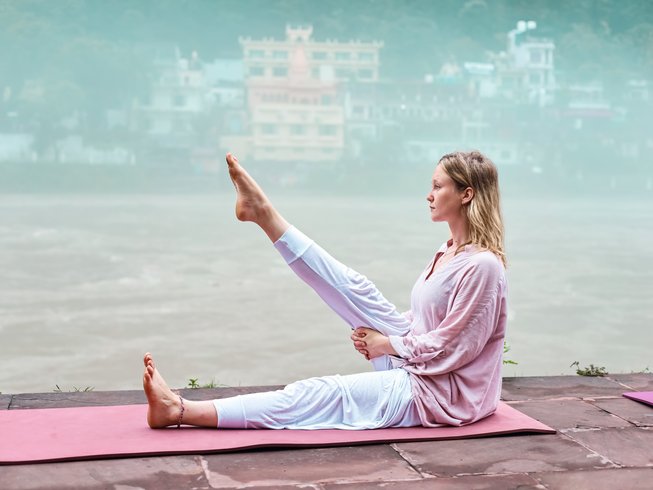
Nestled in the foothills of the majestic Himalayas, Tapovan in Rishikesh is a peaceful haven where spirituality meets natural beauty. Overlooking the sacred Ganga River, this tranquil neighborhood offers breathtaking views of lush green mountains and clean air.
Tapovan (Rishikesh) is known as a gateway for seekers and yogis. It is dotted with ashrams, yoga centers, and temples, creating a deeply spiritual atmosphere. The area is ideal for meditation, inner reflection, and healing, attracting visitors from all over the world. Whether you're walking through its quiet lanes, practicing yoga at sunrise, or simply sitting by the river, Tapovan offers a unique sense of calm and connection, both to nature and to the self

Food
For yogis, the type and quality of food are all the more important as they affect their energies, and yoga is all about energy. So, Mind Bliss Yoga Academy ensures feeding their students the food that will translate into pure energy, stamina, and awareness. Right from organic ingredients to the perfect recipes, the food is power-packed with health and energy. Moreover, they are cooked with love, positivity, and dedication. Here is what to expect.
- Satvik food: Offering wholesome vegetarian satvik meals, prepared with only the fresh and best ingredients.
- Herbal ingredients: Ayurvedic herbs and ingredients are used in the cooking processes, which add life and vitality to the food.
- Pure ingredients: Organic, pure, and farm-fresh veggies, grains, and quality ingredients go into preparing tempting and satisfying meals that fill your soul, too.
- Detoxifying drinks: Yoga practices are so much about detoxifying the body at physical and mental levels, and the food is adapted to help that process. Detoxifying herbal and Ayurvedic drinks go a long way in well-being and longevity practices.
The following meals are included:
- Breakfast
- Lunch
- Dinner
- Drinks
The following drinks are included:
- Water
- Tea
- Detox juices
The following dietary requirement(s) are served and/or catered for:
- Vegetarian
- Gluten Free
- Organic
- Raw food
- Lactose Free
- Yogic
- Ayurvedic
What's included
- Exclusive Mind Bliss Academy training materials
- Certificate of completion
- Authentic yogic experience (yoga, meditation, self-inquiry)
- 23 nights of comfortable accommodation with natural views
- Pick-up at the airport (DED)
- Nutritious satvik meals (3 organic vegetarian meals and herbal teas)
- World-class facilities (Wi-Fi, study spaces, meditation halls)
- Guidance from experienced teachers
- Connection to a global yoga community
- Workshops and rituals (Emotion Release Meditation, ceremonies, mantra chanting, kirtans)
- 1 massage
- Excursions and sightseeing (sunrise trip, Ganga Aarti)
What's not included
- Ticket cost
- Personal expenses
- Medical cost
- GST
- Personal transportation
How to get there
Recommended Airports
Transfer included
Jolly Grant Airport
15 km away from your destination
Arrival by airplane
Book your flight to Dehradun Jolly Grant Airport (DED), just 21 kilometers from Rishikesh (~35–45 minutes by car/taxi), with daily direct flights from Delhi, Mumbai, Bangalore, Hyderabad, and other major cities. Pick-up at the airport is included.
Arrival by train
You can travel by train to Haridwar Junction (HW), the nearest major station 25 kilometers from Rishikesh, with better connectivity than Rishikesh Railway Station; popular options include Shatabdi Express, Jan Shatabdi, Mussoorie Express, and Nanda Devi Express from major cities like Delhi, Mumbai, Kolkata, and Varanasi.
Arrival by bus / car
Rishikesh is about 240 kilometers from Delhi, taking 5–7 hours by car or bus, with options including government UKRTC buses (AC Volvo, semi-sleeper, regular from Kashmiri Gate ISBT) or private buses bookable online through RedBus, MakeMyTrip, and Goibibo.
Cancellation Policy
- A reservation requires a deposit of 30% of the total price.
- The deposit is non-refundable, if the booking is cancelled.
- The rest of the payment should be paid on arrival.

Reviews

For this organizer you can guarantee your booking through BookYogaTeacherTraining.com. All major credit cards supported.
Similar Yoga Teacher Training you might like
You recently viewed