
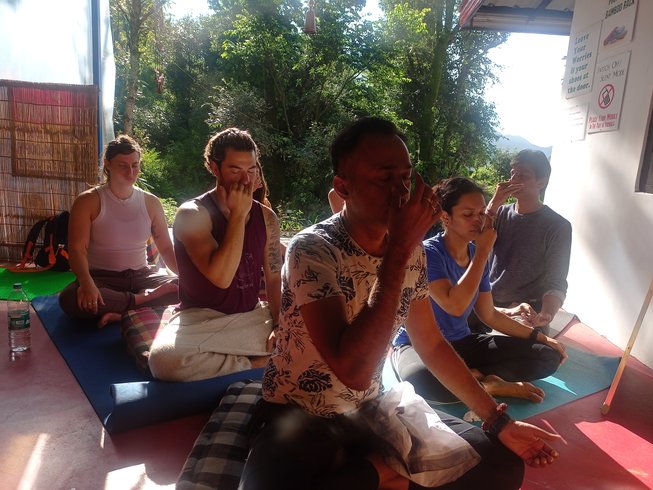
56 Day Advance 500-Hour Yoga Teacher Training in Dharamkot, Himachal Pradesh, India
Multistyle Advance Yoga Teacher Training India
As you progress in your yogic journey, a desire arises to learn advanced yogic practices and techniques. This advanced teacher’s training course will help you establish your sadhana (practice) and make you a better learner to impart the same to many more. Find out more about this advanced-level teacher’s course in yoga.
Meet the instructors
Highlights
- Daily yoga and meditation sessions
- 500-hour yoga teacher training course
- Evening programs
- Advanced multi-style yoga
- 55 nights accommodation
- 2 daily vegetarian meals
Skill level
- Advanced
Types
55 days with instruction in English
Accommodation
Facilities
- Dining area
- Kitchen
- Multilingual staff
- Free Wi-Fi
- Internet access
- Laundry
- Tour assistance
As their campus is amidst the beauty of nature with numerous trees, flowers, Himalayan birds, and farming fields all around, you can also plan and explore staying in one of their tent accommodation with clean washrooms. Being a yoga center, please expect only purely ashram-like living with not too much luxury and such a natural ashram environment is always conducive to encouraging your yoga learning process.
They do have modern facilities like Wi-Fi, hot water, and much more since it is now difficult to do without these. They represent an organic return to nature, no harm to nature, and a simpler way of living, which is very different from a hotel stay. They are confident that you would love and appreciate this dimension of living too, which is more real and close to nature and close to your inner core - your blissful body. They offer three kinds of accommodation for their guests.
Basic comfort
In which you get a spacious double bed with all bedding and blankets with an attached bath, hot and cold water, a Western attached toilet, internet Wi-Fi, and more. You will also get a nice view of the Himalayan Mountain peaks or fields.
Deluxe comfort
You will get a more spacious and nicely maintained double bed with sitting space outside, partial balconies, and the same facilities as the Basic Comfort room. This still comes with a panoramic view of the Himalayan Mountain peaks or fields.
Super deluxe comfort
This provides you with more space, with cupboards, a work table, and more. You will also have the same amenities as the previous accommodation.
Facilities
- 24-hour hot and cold water
- Filtered free drinking water
- Free detox at their place only: Alkaline mineral magic water to detox as per individual needs
- Attached and non-attached bathrooms
- Bed with blankets, mattress, and bedsheet. No towel or any toiletries are given. Students should buy such things themselves
- Free maximum of three detox tea
- Common dining area along with traditional old Himachali Village-type rustic kitchen
- Laundry service: A washing machine is available with a reasonable payment very near the campus
Program
Aim
The aim is to produce yoga professionals such a professional will have minimum or basic common standards of yoga knowledge and expertise irrespective of which institute he or she is certified from. These standards will become the hallmark of yoga all over the world.
Eligibility
- 12th Std or Certificate Course in Yoga
Practical
- Theory = 50: 50 I.E. 250 hours: 250 hours
Minimum contact hours
- 80% I.E. 400 hours
Theory
- Total contact hours = 200 hours
Practical
- Total contact hours = 200 hours
Curriculum
Syllabus - Theory topics
Section 1: Philosophy
Indian philosophy
- Astika and NastikaDarsanas
- Common characteristics of IP (a slightly deeper understanding)
Samkhya Darshana
- DukhaTraya
- Purusa and Prakrti
- Avidya
- Tri-Guna theory
- Names and characteristics of 25 Tattvas
- Kaivalya
Yoga Darshana (Patanjali Yoga Sutras)
- Background of Patanjali
- Names of four Padas
- The Ashtangas
- Sabija, Nirbija, or Dharmamegha Samadhi
- Antarayas and method to remove them
- VikshepaSahabhuvas and the method to remove them
- Vrittis and methods to eliminate them
- Klesas and methods to eliminate them
- Cittaprasadana and ManasthithiNibandhini techniques
- Definition and description of Ishvara
- Concept of Samapatti
- Concept and examples of Siddhis or Vibhutis
- Kaivalya
Etymological Meanings and definitions of ‘yoga’
Meanings with explanation
- Yujir-yoga
- Yuj-samyoga
- Yuj-samyamneYuj-samadhi
Definitions with Explanation
- PYS Def Ch I - S: 2
Bhagavad Gita
- Samatvam Yoga Uchyate
- YogahaKarmasuKaushalam
Salient features of Indian culture
Only names and brief understanding
- Deeper understanding
- Sanatana Dharma
- Vaidic Dharma
- Anekantavada
- Ashrama Dharma
- Purusharthas
- Guru-Shishya Parampara
- Karma and the law of Karma
- Dharma
- Spiritual culture (AdhyatmicSamskriti) or materialistic culture (BhauticSamskriti)
Section 2 Basic Texts of Yoga
Patanjali Yoga Sutras
- Overview of first and second Padas
- Overview of third and fourth Padas
- Sutras by heart
- Definition (Ch:I S-2)
- Ashtanga Yoga (Ch:II S- 29)
- Asana (Ch:II S-46)
- Pranayama (Ch:II S-49)
- Ashtangas of Yoga (Ch:II S-54) (Ch:III S-1, 2, and 3)
- Cittaprasadana (Ch:I S-33 and 34)
- Pratipaksha Bhavana (Ch:II S-33)
Hatha Pradipika (HP) and Gheranda Samhita (GS)
- Deeper Understanding of Hatha Yoga
Deeper understanding of Hatha Pradipika
- Understanding of four angas
- Understanding of 15 asanas
- Understanding of Shat Kriyas
- Understanding of eight
- Kumbhakas
- Understanding of 10 Mudras
- Badhak Tattva or Sadhak Tattva
Deeper understanding of Gheranda Samhita
- Understanding of Saptangas
Bhagavad Gita
- Name of Author
- No. of Chapters
Detailed understanding of:
- What is Karma Yoga?
- What is Bhakti Yoga?
- What is Jnana Yoga?
Upanishads
- Meaning of ‘Upanishad’
- Names of 10 Main Upanishads
- A few Upanishadic doctrines - four Mahavakyas
- Panchamaya (Pancha kosha) theory
Vedas
- Meaning of ‘Veda’
- Names of four Vedas
- Four parts of each Veda, Veda Angas, and Upa Vedas
Puranas
- Name of author
- Basic understanding of Puranas
- Names of 18 Puranas
- Purushartha theory
Section 3A anatomy and physiology: Medical science and yoga
A. Anatomy and physiology as per medical science
- Names of nine main systems and organs in each system
- Other main organs (e.g. Eyes, Ears, etc.)
- The main functions of the above
- Effects of yoga practices on the above systems and organs
B. Yogic anatomy and physiology as per yoga
- Concept of Prana
- Names and functions of the Pancha Pranas and Upa Pranas
- Concept of Nadi and names of Nadis
- Significance of Ida, Pingala, and SushumnaNadis
- Ashta Chakras and their significance
- Names of Granthis and Chakra awakening
- Names of Endocrine glands corresponding to Chakras
- Kundalini and its awakening and practices (e.g. Bandhas, Shaktichalana Mudra, etc.) for the same
Section 3B human psychology as per yoga
Personality theories
- Deeper understanding of personality according to Tri- Gunas
- The five Citta Bhumis and their Guna orientation
- Understanding of Personality as per Samkhya Darsana: Prakrti (Sthula, Sukshma, and Karana Shariras) and Purusa
- Panchamaya (Panchakosha) theory as already considered in an earlier section
Concept of mind
- Names and functions of elements of Antahkarana in Samkhya: Buddhi, Ahamkara, and Manas
- Concept of Citta in PYS
- Distractions or disturbances of mind - nine Antarayas as per PYS, Shad Ripu as per Upanishads (Kama, Krodha, Lobha, Moha, Mada, and Matsarya), Samskaras (conditioning), Vasanas, or Klesas, etc.
- Mind control techniques: Yamas, Niyamas, pranayama, meditation, Pranavajapa, Ek Tattva abhyasa, Cittaprasadana techniques, PratipakshaBhavana, relaxation practices (Shavasana, Yoga Nidra, etc.)
Lifestyle considerations
- Diet: Mitahar as per HP
- Bhagavad Gita: Diet, rest, relaxation, exertion, etc.
- Elaboration of yogic lifestyle
Introduction to Ayurveda
- Meaning of ‘Ayurveda’
- Three Doshas
- Concepts of health (Swasthya), Mala; Dhatus; etc.
Section 4: Teaching of yoga
- Teaching methods (instruction, observation, demonstration, correction)
- Teaching aids
- Communication skills
- Verbal and non-verbal
- Ideal qualities of teacher
- Conducive environment
- Safety measures
- Guideline as regards framework of professional practice
Syllabus - Practice topics
Section 1: SukshmaVyayama, preparatory practices, or Sandhi Chalana kriya
- Institution-specific
Section 2: Shuddhi Kriyas
- Dhauti: VamanDhauti; DandaDhauti; VastraDhauti; Agnisaar
- Neti: Jal Neti; Sutra Neti
- Tratak
- Kapalbhati
- Nauli
- Theoretical Knowledge as regards Basti
Section 3: Asanas
Five meditative asanas
- Siddhasana
- Padmasana
- Svastikasana
- Vajrasana
- Veerasana
Seven standing asanas
- Tadasana
- Ekpadasana
- Vrikshasana
- Utkatasana
- Trikonasana
- Padahastasana
- Garudasana
Five kneeling asanas
- Ushtrasana
- Marjarasana
- Vyahgrasana
- Shashankhasana
- Suptavajrasana
Eight sitting asanas
- Bhadrasana
- Simhasana
- Gaumukhasana
- Vakrasana
- Parvatasana
- Paschimottanasana
- Matsyendrasana
- Ardhamatsyendrasana
Five prone asanas
- Bhujangasana
- Shalabhasana
- Dhanurasana
- Naukasana
- Makarasana
Seven supine asanas
- Pavanmuktasana
- Setubandhasana
- Matsyasana
- Uthitapadahastasana
- Halasana
- Chakrasana
- Shavasan
Two inverted asanas
- Sarvangasana
- Shirsasana
Section 4: Suryanamaskar
- Suryanamaskar (Traditional with 12 poses and accompanying)
- Mantras (can be school-specific)
Section 5: Pranayama
- Sectional breathing
- Yogic breathing
- Nadishodhana
Kumbhakas with Bandhas
- Suryabhedana
- Ujjayi
- Shitkari
- Shitali
- Bhramari
- Bhastrika
- Sagarbha and AgarbhaNadishodhana Pranayama
Bandhas
- Mulabandha
- Uddiyana Bandha
- Jalandhar Bandha
- Jiva Bandha
- Maha bandha
Section 6: Mudras
- Chin or Jnana Mudra
- Padma Mudra
- Agochari Mudra (NasikagraDrishthi)
- Shambhavi (BruhmadhyaDrishthi)
- Viparitakarani
- Khechari
- Mahamudra
- Mahavedha Mudra
- Ashvini Mudra
- Yoga Mudra
- Shanmukhi Mudra
- Shaktichalana Mudra
- Brahma Mudra
Section 7: Mantras
- Pranavajapa
- Shanti Mantra: Can be institution-specific
Section 8: Meditation
- Institution-specific
Section 9: Teaching practice
- Institution-specific
Daily schedule for students
Monday to Saturday
- ( Saturday Half day, Sunday off – for self-studies)
Daily-Two practical / practice sessions general multi-style yoga asanas (physical postures) and Asanas as per the syllabus of the school
Two lessons focusing on – Theory topics as per syllabus/covering various classical yoga texts revealing the philosophy of yoga, Anatomy as per yogic science along with the study of nine systems of the human body and in-depth understanding of meditation practices
Yoga Session and Other Timings:
First lesson - Daily Morning (Mon to Saturday)
08:00 to 09:45 - Holistic practice session
Details – Cleansing detox practices like nostril cleansing (Jal Neti). Eye Cleansing (Netar Dhoti) followed by Pranayama (Breathing) practices in the open on Himalayas rocks on campus with exposure to five elements (Panch bhutam)
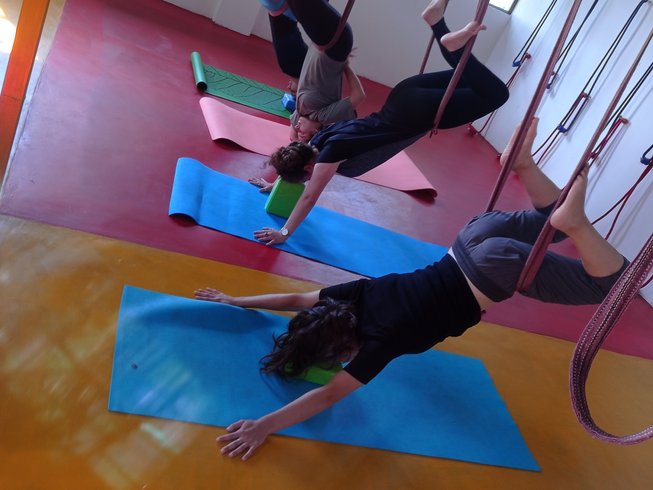
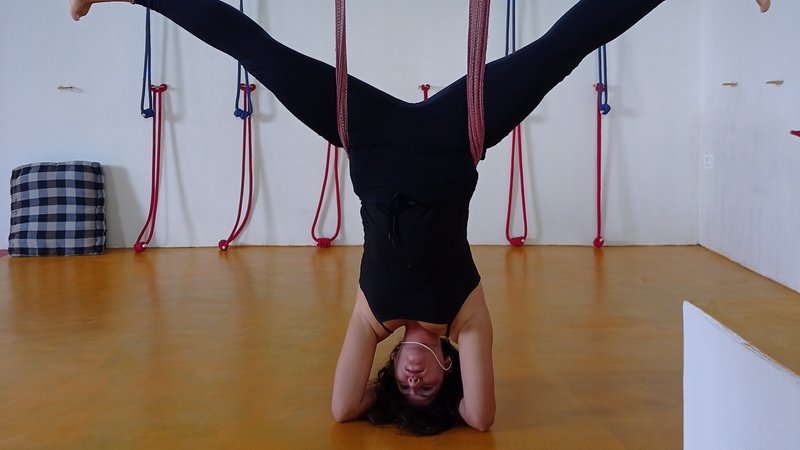
Followed by Physical Postures (Asana)inside the studio. Yoga in this class is multi-style and varies from time to time, like from Hatha traditional and Sun salutations, Iyengar Inspired ropes, etc. Relaxation is given by guided yoga Nidra practice for biofeedback and overall well-being. Every Session ends at last with prayers for humanity and mantra chantings.
Second lesson - Multi-style yoga practice at 16:00 Monday to Friday
Third Lesson (Monday To Friday)
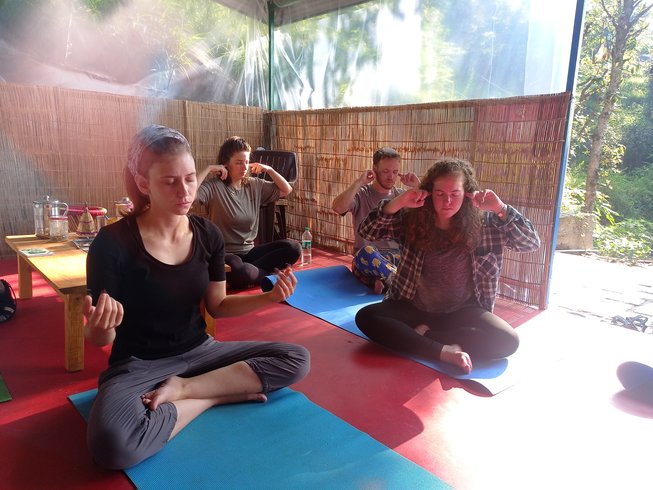
18:00 - 19:00 - Yogic philosophy as per syllabus from Ancient Indian Texts, Pranayama practices, and meditation by various techniques like Mudras, Trataka (Light gazing in a dark room), Mantras, etc.
Extra classes can be taken on request
Instructors
Anil Swaraj
He was part of screening committee member for Govt of India Yoga for competitions like - MY Life My Yoga by CCRYN, Ministry of Ayush, Along with this, he has trained students of various backgrounds for Yoga Alliance, IYCB – Level 1, Level 2 certifications along with Yoga Alliance aspirants. He has vast experience in holding yoga & meditation classes of more than 10 yrs through yoga camps, workshops, seminars & love kindness meditation.
Prasad Deoraj Pawar
Prasad teaching skills includes Traditional Hatha Yoga with Human Anatomical studies, Hatha Vinyasa flow, Ashtanga Vinyasa Primery & Secondary Series, Pranayama with Kumbhaka and Bandha, Mantra Chanting, Excellence in teaching Cleansing practices (Shatkarma), Meditation & Yoga Nindra (Pratyahara & Dharna Techniques) and Sound Healing with Tibetian Singing Bowls. Detailed postures correction and Energetic and positive instructions during the asana class are his strength.
Location
McLeod Ganj, Dharamshala is the home of the spiritual leader of Buddhism, the noble laureate, Dalai Lama, and is a famous tourist destination in North India. The natural beauty and picturesque surroundings of Dharamshala, as well as the presence of Buddhism, have made it one of the best and most visited hill stations in the country. The word Dharamshala refers to a shelter or rest house for spiritual pilgrims. However, their Swaraj Yoga Campus is just near the quiet serene tribal village of Dharamkot, which has managed to maintain its quaint charm. With just a five-minute walk around their location, you can easily access:
- Departmental stores
- Chemist medicine shop
- Restaurants or roadside eating points
- Street shopping
- Massage centers
- Live music concerts in the evening
- Several beautiful mountain trails leading to temples for daily short treks
- Lots of monasteries
- Hobby classes like cooking, music, painting, etc.
- Farming fields and nature's bounty is all around

Food
Simple Indian vegetarian meals are provided twice daily. (It is not possible to cater to personal dietary preferences beyond the yogic-vegetarian meals from our side )
The following dietary requirement(s) are served and/or catered for:
- Vegetarian
What's included
- 500-hour yoga teacher training course
- Daily yoga and meditation
- 2 daily vegetarian meals
- 55 nights accommodation
What's not included
- Bus, railway, or airways fare
- Insurance, medical, or visa fee
- Yoga books( But available on nominal price cost to cost )
- Yoga Certification Board (Govt. of India) Yoga Exam fees
- GST
How to get there
Recommended Airports
Transfer not provided
Sri Guru Ram Dass Jee International Airport
155 km away from your destination
Transfer not provided
Chandigarh Airport
180 km away from your destination
Cancellation Policy
- A reservation requires a deposit of 25% of the total price.
- The deposit is non-refundable, if the booking is cancelled.
- The rest of the payment should be paid on arrival.

Reviews
For this organizer you can guarantee your booking through BookYogaTeacherTraining.com. All major credit cards supported.
Similar Yoga Teacher Training you might like
You recently viewed