
22 Day 200-Hour Hatha and Vinyasa Yoga Teacher Training in Bali, Indonesia
Multi-Style Traditional Indian Yoga Teacher Training in Indonesia
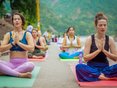
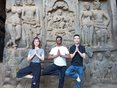
Welcome to Bala Yoga School’s 22-Day, 200-Hour Hatha & Vinyasa Teacher Training in Bali. This is an internationally informed, lineage-driven immersion led by Guru Balaganesh Sivaprakasam, drawing from three time-tested traditions: Saiva Siddhāntam, Sri Aurobindo’s Integral Yoga, and classical Kalaripayattu martial arts. Set in a rustic village and forest sanctuary, participants live simply in handcrafted heritage bungalows and practice daily in an intimate small-group environment. The training dives deeply into asana, pranayama, meditation, philosophy, alignment, anatomy, teaching methodology, and dynamic movement arts.
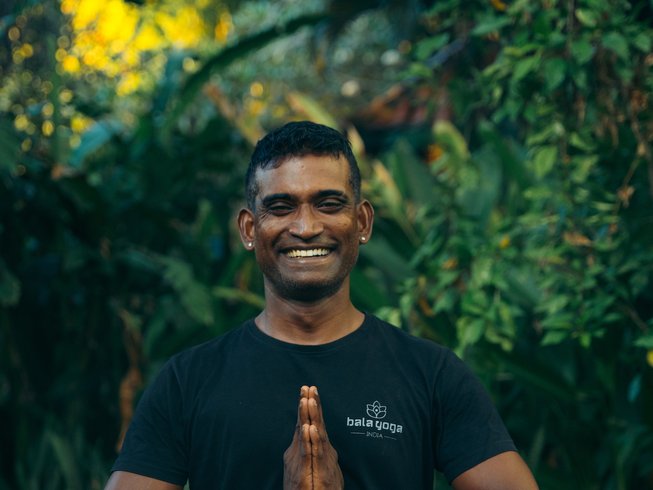
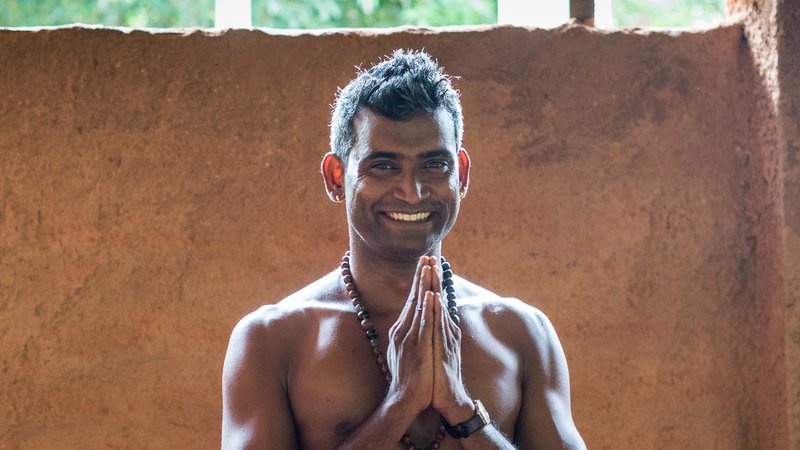
Meet the instructors

Read more
Highlights
- 24-hour yogic lifestyle, rooted in discipline, awareness, and daily living
- Daily sadhana in asana, praṇayama, and meditation for long-term stability and clarity
- Hatha & Vinyasa styles of asana practice
- Practise Kalaripayattu, Karlakattai, and functional animal-based movement
- Guidance from an Indian teacher with international living and teaching experience
- Structured curriculum and certificate of completion
- Daily vegetarian breakfast, lunch and dinner from Monday to Saturday and breakfast only on Sunday
- 21 nights accommodation immersed in nature
Skill level
- Beginner
- Intermediate
Types
20 days with instruction in English
 Average daily hours of activity: 8
Accommodation
Facilities
- Hot spring
- Swimming pool (outdoor)
- Café
- Dining area
- Garden
- Lounge
- Meditation garden
- Picnic area
- Restaurant
- Special menu request
- Yoga shala
- Yoga studio
- ATM / banking
- Bicycle rental
- Convenience / grocery store
- Currency exchange
- Free parking
- Free Wi-Fi
- Tour assistance
The stay connected to this training is an integral part of the yogic process, not a separate hospitality experience. The environment has been chosen deliberately to support simplicity, discipline, and a lived yogic lifestyle.
Located at the foothills of Bali National Park, the space is immersed in nature - alive, audible, and constantly changing. This is not a city hotel or a polished resort, but a forest-edge eco space where life unfolds organically.
If you are looking for comfort through control, silence through insulation, or luxury through amenities, this may not be the right place for you. If you are open to simplicity, nature, and shared living, the stay can become a powerful support for practice.
Living Close to Nature
You will be living among trees, animals, insects, and natural sounds.
Expect:
- Birds at dawn
- Insects, spiders, ants and frogs minding their own
- Geckos on walls
- Monkeys in the area
- Wind, rain, forest, and village sounds
The accommodation consists of traditional wooden heritage bungalows, where sound travels naturally. This is part of the experience, not a flaw.
If you are highly sensitive to noise, animals, insects, or natural unpredictability, or if these elements create stress or discomfort, Bala Yoga School strongly recommend choosing accommodation in a city or modern resort setting instead.
This clarity is offered in advance, so expectations are aligned and everyone can have a harmonious stay.
The Space & Its Philosophy
- Only 10 rooms across seven restored heritage wooden bungalows.
- Structures relocated and upcycled from different parts of Indonesia.
- Built from reclaimed wood and furnished with antique, repurposed pieces.
- No air conditioning; natural ventilation, fans, shade, and greenery.
- Bala Yoga School doesn't offer any toiletries; please bring them.
- Purified drinking water is provided in the common area.
- Each bungalow is unique. No two rooms look the same.
The property is eco-conscious and intentionally simple. Comfort here comes from rhythm, nature, and simplicity, not from excess.
Facilities & Shared Living
- Facilities are communal by design, supporting mindful consumption and a sense of shared responsibility.
- Natural swimming pool, integrated into the landscape
- Natural open spaces for rest, reading, meditation, and quiet time
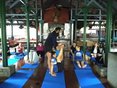
- Multipurpose open hall, used for yoga practice, group sessions, meetings, and shared meals
- Common kitchen area for basic use
- Shared electric kettle and refrigerator in common spaces
Important to note:
- There are no kettles, refrigerators, or kitchen facilities inside individual rooms
- This is shared living, not private luxury accommodation
Meals
- Meals are simple, vegetarian, and repetitive by intention.
- The food supports digestion, routine, and clarity rather than variety or indulgence. This simplicity is part of the yogic discipline and supports the overall training environment.
Cleaning & Housekeeping
- Bed sheets are changed once per week
- Room cleaning every three days
- Additional cleaning or linen changes available for 50,000 IDR
What to Bring
To support your comfort in a nature-based setting, Bala Yoga School recommend:
- Flashlight or headlamp
- Lightweight long sleeves and pants for evenings
- Insect repellent
- Personal remedies if sensitive (eucalyptus oil, allergy tablets, etc.)
- Comfortable footwear
Photo Disclaimer
All photos are illustrative. Because the bungalows are handcrafted heritage structures, layouts, décor, and views vary. Your room will reflect the same values and comfort, but not an identical appearance.
Final Clarity
This stay is for those who:
- Are comfortable with nature, animals, and natural sounds
- Value authenticity over luxury
- Are open to shared facilities and simple living
- Understand that the environment is part of the practice, not a backdrop
If this feels supportive, you are welcome here. If not, choosing another course will serve you better-and that is completely okay.
Program
A sincere note before you continue. Before reading further, it is important to share this openly and with respect. This teacher training is not designed for everyone. Over recent years, as yoga has grown rapidly in popularity, it has also become clear that not all seekers are looking for the same depth. Through lived experience with students, Bala Yoga School has realised that just as people are choosing training programs, it is equally their responsibility to choose students, so that the integrity, depth, and quality of the yogic path they share remain intact.
This training does not cater to trends, shortcuts, or surface-level experiences. It does not promise quick transformation, instant confidence, or a “feel-good” journey. It is rooted in sādhanā, discipline, repetition, humility, and sincere effort. Yoga here is approached as a lifelong practice and way of living, not as a commodity or a career upgrade.
If you are looking for a gentle introduction, a light retreat-style experience, or a certification-first course, Bala Yoga School encourage you, without judgment, to explore other offerings. There are many beautiful spaces for that.
This path is for true sādhakas, those willing to show up daily, meet discomfort with awareness, and engage with the body, breath, mind, and philosophy with honesty. It asks for responsibility: towards yourself, towards the lineage, and towards the future students you may one day guide.
If reading this feels grounding rather than intimidating, if discipline feels like a doorway rather than a burden, and if you are willing to slow down and commit fully, then you may find this training deeply nourishing.
Introduction and Itinerary Overview
This 22-day, 200-hour Teacher Training at Bala Yoga School is a discipline-based yet life-affirming yoga immersion. The emphasis is on sustainable, injury-aware practice, lived philosophy, and an authentic teaching foundation. Nestled in handcrafted bungalows beside a Balinese village and forest sanctuary, the environment supports focus and routine, while also allowing space for laughter, connection, and human warmth.
Discipline here is not harsh or joyless. It is steady, intelligent, and supportive - creating the conditions where learning deepens, and joy arises naturally.
Why Choose Bala Yoga School?
Holistic Life Transformation
Yoga is approached as a way of living, not just a physical practice. The curriculum addresses physical health, mental clarity, emotional maturity, social connection, livelihood awareness, and spiritual grounding.
Intimate Learning Community
With a maximum of 16 students, the training allows for personalised guidance, meaningful dialogue, and genuine bonds, without losing structure or focus.
Off-Grid Village & Nature-Immersed Setting
Removed from tourist hubs, the setting encourages simplicity and presence. You live close to village life and nature, allowing daily practice to be supported by rhythm rather than distraction.
Internationally Informed, Traditionally Rooted
Bala’s years of living and teaching in international communities bring cultural sensitivity, adaptability, and relevance, while remaining firmly rooted in tradition.
Dedicated Teacher & Lifelong Practice Focus
The training develops confidence through sequencing labs, practicum, and feedback, while also nurturing a personal practice meant to last well beyond the course.
Why Pause and Study Yoga - Even if You Don’t Plan to Teach
- A youthful mindset (“Bala”) – cultivate curiosity, vitality, adaptability, and playfulness
- Self-discovery and healing – recognise and release habitual physical and mental patterns
- Holistic wealth – strength and mobility for the body, steadiness for the mind, community for social health, skills for livelihood, and clarity for inner life
- Purposeful travel & digital detox – step out of constant stimulation and return grounded
- Foundations for lifelong practice – learn alignment, anatomy, and self-care that integrate naturally into daily life
Core Curriculum and Highlights
- Asana study: alignment, variations, modifications, injury prevention
- Sequencing principles and intelligent improvisation
- Prāṇāyāma (breathing arts)
- Anatomy and physiology workshops
Yoga Philosophy ND Ethics (Study, Reflection, and Lived Application)
The study of yoga philosophy in this training is not academic or ornamental. It is approached as a practical framework for living, teaching, and relating to oneself, to others, and to the world.
Rather than memorising concepts, students are guided to understand, question, and apply yogic principles in daily life, on the mat, in relationships, and in teaching spaces.
Philosophical Foundations
The curriculum draws from multiple streams, presented in an integrated and accessible way:
Yoga Sutras of Patanjali
Study of the eightfold path (Aṣṭāṅga Yoga), with emphasis on:
- Yama & Niyama as ethical foundations
- Abhyāsa (practice) and Vairāgya (non-attachment)
- Citta-vṛtti and mental discipline
The difference between control and awareness
Bhagavad Gita
Karma Yoga, Bhakti Yoga, and Jñāna Yoga explore as paths of action, devotion, and discernment, relevant to modern life, work, and responsibility.
Sri Aurobindo’s Integral Yoga
Yoga is an integral process, where body, mind, emotions, and life itself become fields of practice. Emphasis on:
Yoga beyond renunciation
- Conscious evolution
- Spirituality rooted in daily life
Saiva Siddhantam
Introduction to devotion, discipline, grace, and self-effort, offering a South Indian philosophical grounding that informs humility and perseverance.
Ethics as Lived Practice
Ethics are not taught as rules, but as responsibility in action.
Topics include:
- The meaning of Ahimsa beyond physical non-violence
- Satya (truth) in teaching, marketing, and self-representation
- Aparigraha and non-exploitation in teacher–student relationships
- Power dynamics, consent, boundaries, and integrity
- Teaching yoga without cultural dilution or spiritual bypassing
Students are encouraged to reflect honestly on:
- Why do they want to teach
- How authority is handled
- Where ego, insecurity, or ambition may arise
Reflection, Dialogue and Integration
- Guided discussions rather than lectures alone
- Journaling and self-inquiry (Svādhyāya)
- Relating philosophy to asana, breath, food, rest, work, and communication
- Connecting ethical principles to real-life scenarios: classrooms, retreats, families, and communities
This study supports students in becoming clearer practitioners and more responsible teachers, regardless of whether they choose to teach professionally.
Why This Matters
Without philosophical grounding, yoga risks becoming:
- Mechanical
- Performative
- Commercial
With philosophy and ethics, practice becomes:
- Anchored
- Humble
- Sustainable
- Human
This module helps ensure that what you teach - or live - is aligned, honest, and rooted, rather than borrowed or imitated.
- Mantra chanting and meditation (Dhyāna)
- Cleansing techniques (Śatkarma)
- Kalaripayattu-inspired functional movement and animal flow
- Teaching methodology and basic professional skills
- Hands-on practicum and confidence-building sessions
- Final assessment and graduation ceremony
Rhythm, Joy and Human Connection
- Learning is serious, but the atmosphere is warm and human
- Questions, humour, and shared reflection are welcome
While the training is structured and discipline-oriented, it is not dry or austere. During the second and third weeks, selected evenings include partner yoga, guided experiential practices, and simple ceremonies. These sessions are designed to release tension, build trust, and keep the learning environment light without losing depth. Joy here is not manufactured-it arises naturally when discipline, clarity, and connection come together.
Sample Daily Schedule
- 06:30 - 07:30 Praṇayama and meditation
- 07:30 - 09:00 Morning asana practice
- 09:00 - 11:00 Breakfast and rest
- 11:00 - 12:30 Special workshop / movement / practicum
- 12:30 - 15:00 Midday break (meals, rest, self-study)
- 15:00 - 16:30 Yoga philosophy / anatomy & physiology
- 16:30 - 17:30 Āsana analysis & alignment
- 17:30 - 19:00 Evening practice / integrative sessions
- 19:00 Dinner
- 20:00 Journaling / quiet reflection
- 21:00 Lights out
Schedules may vary slightly week to week. A detailed plan is shared every Sunday. Sunday is a rest and integration day.
Closing Note
This training is for those who value discipline with warmth, structure with humanity, and depth with joy. It invites you to turn stress into strength, curiosity into understanding, and practice into a way of life, without losing your smile along the way.
Included excursions
Hill Trekking
A guided trek in the nearby hills, using walking as a form of mindful movement, connecting breath, body, and landscape while stepping away from routine practice spaces.
Sacred Hot Springs & Temple Ceremony
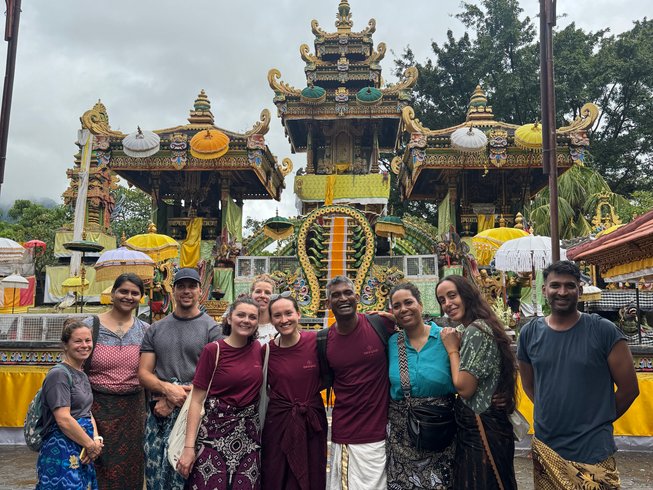
An early-morning visit to a powerful Pura Shakti temple, followed by hot water immersion in natural thermal springs.
Instructors
Coralia Batista
Born in Greece, Coralia began her journey through music, becoming a piano teacher and facilitator of creative movement for children. Yoga entered her life later and has since become a path of deep exploration, both as a student and teacher, rooted in traditional and modern influences. With over 17 years' experience, she now leads yoga teacher trainings in Bali, India, and Greece. Her classes are intuitive and adaptive, blending styles to meet each student’s needs, inspired by yoga philosophy, nature, and the rhythm of the moment. She specializes in Yin yoga sound healing, kirtan-chanting, etc.
Location
Alaya Eco Hotel is located in Pemuteran village, in Northeast Bali, at the foothills of the Tiga Saudara (“Three Sisters”) mountains, with the volcanic peaks of Java visible on clear days. Approximately 124 km (around 5½ hours by road) from Ngurah Rai International Airport, this region remains largely untouched by mass tourism and retains a strong sense of village rhythm and cultural continuity.
The sea is about 1 kilometer away, and daily life unfolds along footpaths that pass through the rice fields, forest edges, temples, and family compounds. Staying here offers a grounded experience of Bali as it is lived quietly, communally, and closely connected to nature.
This is not a destination designed to entertain. It is a place that invites presence, observation, and attunement to the land and to local life.
Movement, Rest & Integration
- Alongside the daily yoga schedule, the surrounding environment naturally supports rest and integration.
- Walking as practice through village paths, forest edges, and open landscapes.
- Quiet time in nature for reflection, journaling, or self-study.
- Early mornings and evenings are shaped by natural light, birdsong, and temperature changes.
- Space for digestion of practice, rather than constant activity or stimulation.
- Free time is intentionally left unstructured, allowing the body and nervous system to absorb the effects of practice.
Cultural Sensitivity & Village Rhythm
Pemuteran is a living village, not a resort zone. Daily life continues around you.
- Ceremonies, temple sounds, offerings, and village events may be visible or audible
- Local rhythms take precedence over schedules designed for guests
- Respectful dress and conduct are expected when moving through the village
- This setting encourages humility, awareness, and respect - qualities essential to yogic living
This Location Suits For
- Value quiet, simplicity, and nature over entertainment
- Are comfortable with limited stimulation and unstructured time
- See environment as part of practice, not as a backdrop
- Appreciate living close to a real community rather than a curated retreat space
- If this resonates, the location becomes a powerful ally in your practice

Food
Food during the training is simple, repetitive, and intentional, offered to support energy, digestion, and sustained sādhanā rather than indulgence. The approach reflects an ashram-style environment, where food is nourishing and discipline, not entertainment.
Daily Meal Structure
Morning
- Porridge or smoothie bowls (with nuts and seeds)
- On some days, eggs or scrambled tofu
- Vegan alternatives are always provided
- Cut seasonal fruits offered daily, with moderate portion sizes
- Fresh juice or coconut water
Lunch
- A simple vegetarian, Indonesian-based meal
- One main carbohydrate-based dish: rice or noodles
- One or two vegetable dishes
- One fried item
- A healthy drink such as moringa-based drinks, fresh juice, or other natural beverages
Dinner
- Light, grounding evening meals
- Soup with vegetables
- Staples such as cassava, sweet potato, or sweet corn
- A simple dessert, usually fried banana or another traditional Indonesian sweet
Meals vary slightly day to day, but the weekly structure remains consistent, supporting routine, digestion, and mental clarity.
Shared Practice: Washing Your Own Dishes
As part of karma yoga and conscious living, all participants are expected to wash their own plates and cutlery after each meal. This is a deliberate part of the training, encouraging responsibility, humility, and mindfulness in everyday actions.
A Clear Note
If you are seeking culinary variety, large portions, or restaurant-style dining, this food structure may feel restrictive.
The following meals are included:
- Breakfast
- Lunch
- Dinner
- Drinks
The following drinks are included:
- Water
The following dietary requirement(s) are served and/or catered for:
- Vegetarian
Things to do (optional)
- Snorkeling and diving: Explore the vibrant underwater world of Bali by joining snorkeling or diving tours to sites like Menjangan Island and the Bio Rock Pemuteran Dive Project. Equipment rental and guides are typically available for an additional fee.
- Island hopping: Take boat trips to nearby islands, such as Menjangan or Java's Gilimanuk, for a day of exploration, snorkeling, or picnicking.
- Water sports: Enjoy water sports like jet skiing, parasailing, or paddleboarding, available at some beachfront resorts for an extra charge.
- Spa and wellness: Pamper yourself with spa treatments, massages, and wellness therapies offered by local spas and resorts.
- Yoga and meditation: Participate in yoga and meditation classes or retreats, which can enhance your relaxation and mindfulness experience.
- Trekking and nature walks: Embark on guided trekking adventures in nearby national parks or explore the lush jungle and natural beauty of Bali.
- Cultural tours: Join guided tours to visit local temples, traditional villages, and historical sites to learn about Balinese culture and heritage.
- Cooking classes: Enroll in Balinese cooking classes to learn how to prepare traditional dishes and take home culinary skills.
- Photography tours: Capture the beauty of Bali with guided photography tours to scenic spots, waterfalls, and picturesque landscapes.
- Boat tours: Take boat trips to witness stunning sunsets, go dolphin-watching in the Bali Sea
- Golf: Play a round of golf at the nearby Bali Handara Kosaido Country Club, which offers a beautiful mountain course
- Biking tours: Explore the local countryside on guided bicycle tours, discovering rural Bali at your own pace
- Wildlife and bird watching: Visit Bali's West Bali National Park for wildlife encounters and bird-watching excursions
- Experiences: Enjoy fine dining experiences at upscale restaurants or try traditional Indonesian cuisine at local warungs (small eateries)
- Shopping: Purchase souvenirs, handicrafts, and local artwork from Pemuteran's markets and boutiques
Remember that the cost of these activities may vary depending on the provider, the level of service, and the season. It's advisable to plan your activities in advance, budget accordingly, and inquire about package deals
Spa treatments
Pemuteran, Bali offers a diverse range of massages and spa treatments, providing relaxation and rejuvenation for travelers seeking wellness and tranquility. For more information, please send an inquiry.
What's included
- 21 nights of accommodation in recycled Javanese wooden houses, set in quiet, nature-rich surroundings
- Comprehensive teacher training manuals and course materials, supporting study during and beyond the training
- Daily yoga practice and study
- Structured teaching practicum, designed to build clarity, confidence, and presence as a yoga teacher
- Simple vegetarian meals, prepared to support discipline and digestion
- Breakfast, lunch, and dinner from Monday to Saturday and breakfast only on Sunday
- Unlimited filtered drinking water
- Free Wi-Fi in common areas, intended for mindful and limited use
- Use of yoga mats and props throughout the training
- Visits to sacred temples and Bhakti-oriented practices, integrated respectfully into the rhythm of the course
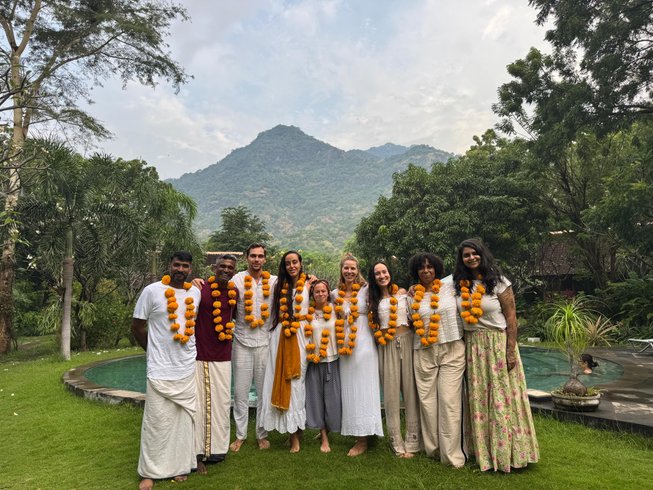
- Traditional Balinese cleansing ritual, offered as an experiential and reflective practice
- Closing ceremony and printed certificates upon successful completion
- Eligibility to register with Yoga Alliance upon completion of the course
What's not included
- International and domestic flights to and from Bali
- Visa fees and related immigration costs for your stay in Indonesia
- Massages and optional personal services, available locally at an additional cost
- Special dietary requests beyond the simple vegetarian meals provided during the training
- Lunch and dinner on Sundays, allowing space for rest and personal choice
- Private taxi transport (Airport taxi arrangements can be coordinated separately at an additional cost)
How to get there
Recommended Airports
Transfer available for additional US$ 60 per person
Ngurah Rai International Airport
86 km away from your destination
Cancellation Policy
- A reservation requires a deposit of 50% of the total price.
- The deposit is non-refundable, if the booking is cancelled.
- The rest of the payment should be paid on arrival.

Reviews
For this organizer you can guarantee your booking through BookYogaTeacherTraining.com. All major credit cards supported.
Similar Yoga Teacher Training you might like
You recently viewed