
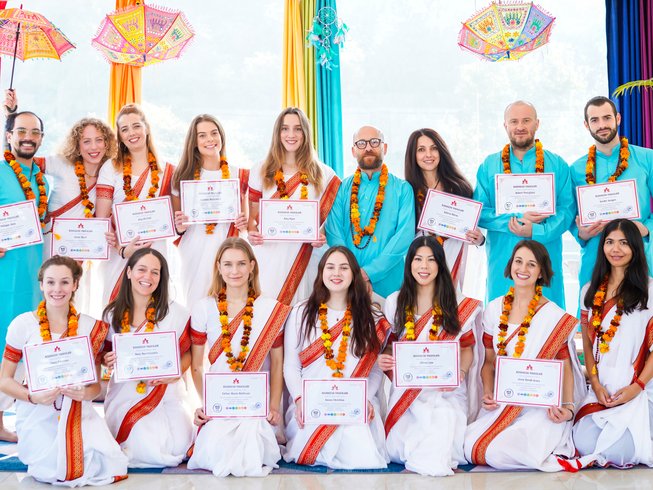
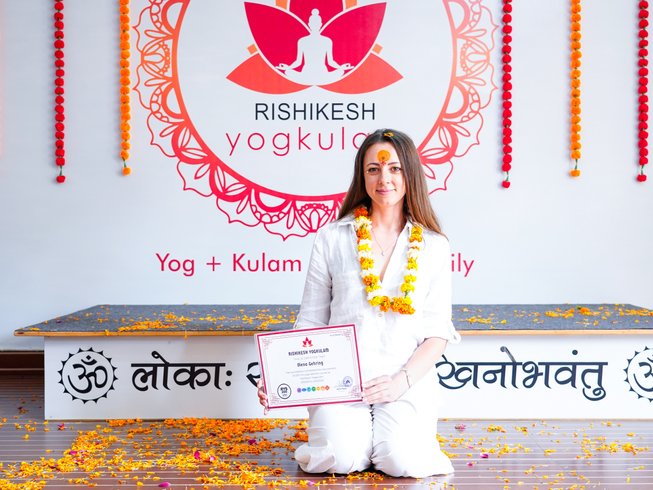
29 Day 300-Hour Advanced Yoga Teacher Training with Yoga Therapy in Rishikesh, India
Yoga Teacher Training in India
Rishikesh Yogkulam is offering this 300-hour yoga teacher training course to provide a traditional style of yoga, a comprehensive and genuine knowledge of philosophy, yogic life, asana and pranayama, anatomy, meditation and breathing techniques, mantras and chanting, spiritual life, and much more. You will learn from enthusiastic yoga teachers who have studied yoga, meditation, and spiritual techniques at yoga universities since their childhood. Rishikesh Yogkulam’s main focus is to create an open atmosphere and special bond between the students, teachers, and Rishikesh Yogkulam’s team.
Meet the instructors
Highlights
- Weekly Yin / Restorative yoga classes
- Free preparatory course and PDF of the most important yoga books
- Free sound healing and a kirtan session
- Free Bollywood dance class
- Morning herbal tea and filtered water are provided
- 3 fresh and organic vegetarian meals daily (except for meals on Sunday)
- 28 nights accommodation
Skill level
- Intermediate
- Advanced
Types
26 days with instruction in English
Accommodation
Facilities
- Shopping
- Air-conditioned rooms
- Café
- Dining area
- Kitchen
- Lobby
- Restaurant
- Smoke-free property
- Yoga shala
- Yoga studio
- ATM / banking
- Convenience / grocery store
- Currency exchange
- Dry cleaning
- Free parking
- Free Wi-Fi
- Internet access
- Ironing / ironing board
- Laundry
- Library
- Medical assistance
- Wireless internet
During the course, you will be staying at Rishikesh Yogkulam. The school has yoga hall, a dining area, a reception and a wonderful area surrounded by mountains. Rishikesh Yogkulam offers single and double rooms based on the student’s requirements.
Every room has an attached bathroom with a western toilet and hot shower and a balcony with a mountain view(subjective). The rooms for the yogis are well-maintained and clean. They offer bed sheets, pillows, bath towels, toilet paper, a blanket, and welcome amenities upon arrival. Good Wi-Fi is included on every floor. Water and laundry service are also available.
The location of Rishikesh Yogkulam is incredibly central, offering the utmost convenience. All the necessary amenities like an organic store, ATM, bike rentals, and renowned cafes are in close proximity. Moreover, they are just a 5-minute walk away from the hanging bridge and the sacred River Ganga, allowing easy access to their spiritual essence and tranquility.
Program
Rishikesh Yogkulam's 300-hour teacher training course
This 300-hour yoga teacher training course will empower you to confidently transition into a certified yoga teacher while developing yourself individually. Rishikesh Yogkulam's robust instruction style combines logical and abstract comprehension with hands-on experience, allowing for self-transformation from novice practitioner to proficient instructor. Finely tuned through one-on-one teaching techniques, this approach ensures students can reach their greatest potential in yoga instructional proficiency and personal development progress.
The 29 days of yoga teacher training in Rishikesh at Rishikesh Yogkulam is a 300-hour yoga teacher training course. The course is best suited for intermediate-level learners who want to go deep on their journey. This means one needs prior experience and knowledge to join this 300-hour yoga teacher training in Rishikesh.
Rishikesh Yogkulam's yoga teacher training in Rishikesh is a heavenly spot where you will get lessons in regards to Hatha, Ashtanga, and Yin yoga in a profound and exhilarating way. It will be instructed in a way that is derived from every one of these kinds of yoga, and assist students in developing their teaching methods based on these customary styles.
Rishikesh Yogkulam puts additional attention on the asanas of their learners during the classes, and their commitment and keeping up their honesty during the practice of numerous asanas.
This comprehensive preparation program will teach you how to perform various asanas and the benefits of each. Simultaneously, as a teacher, you will later have a piece of additional information and experience to give the information on the most proficient method to do these asanas securely when you open your own yoga institution in the future.
This program is not suitable for severe mental/physical health conditions and thus you’re advised to not take this training as a substitute of medical therapies and alternative healing therapies
Eligibility
This course is an intense teacher training programme which will unhinge your belief system, transform your body and mind, and push you out of your comfort zone. It is advised to intermediate and advanced students who must have previously done a 200-hour YTTC and are willing to delve into an even more transformative training.
Skill level
Some people often have the misconception that they need to have a flexible and easily adaptable body to join the 300-hour teacher training course in Rishikesh. But this is as far from the truth as one can get. Rather than a flexible body, Rishikesh Yogkulam expects the students to have an open and flexible mind so that they can easily integrate yoga practices and lifestyles.
The body becomes progressively more versatile and flexible with steady practice and time, so they do not want their students to stress about it. With the assistance from the esteemed teachers that you get from the 300-hour yoga teacher training course, you will improve your overall versatility and flexibility, both physically and mentally.
Any previous experience with yoga is not needed since they will walk you through the outing throughout the length of the course.
This course is open to students of all levels, and regardless of whether you are a yogic lifestyle professional, the classes challenge all levels in their own unique way.
The capable teachers change their way of teaching and providing assistance according to the different necessities and their students' needs, so you will not at any point feel depleted and you will find new things to become familiar with consistently.
Some of the types of people who can apply for this course:
- Wanting to learn the basics again
- Without a flexible body
- Having an open mind
- Wishing to develop their flexibility and strength
- Wanting to adapt all the levels of yoga practice
- Wanting to adapt to injuries and overcome physical limitations
- Wanting to become a certified yoga teacher
Style of yoga for the 300-hour teacher training course:
People all over the world know Rishikesh as the city of yoga, and people here come here in appreciation of this way of life. At Rishikesh Yogkulam, people can find yogic lifestyles that incorporate Ashtanga Vinyasa, Hatha, Restorative, and Yin yoga.
Several yoga programs and courses in Rishikesh allow people to increase their knowledge of yoga, indulge in yogic activities, and get assistance from some of the finest yogic gurus from all across the globe who have carried on with the yogic way of life for a long while.
These experts in the yogic lifestyle have created their identity when it comes to yoga and have developed new and improved teaching methods that they carry out with the students they take care of. Such programs are some of the finest for learning about yoga, as it helps you recognize how to do the different asanas and learn about the advantages of the different asanas.
The experts look after their students and teach them about Hatha yoga, a 5000-year-old style of yoga. This style of yoga is also the most fundamental type of yoga practice.
Along with that, Rishikesh Yogkulam incorporates several new ways and styles of teaching that go hand in hand with the breathing techniques, for instance, Ashtanga Vinyasa, and more sensitive and segregated practices as Restorative and Yin yoga.
Their techniques for teaching and their asanas are some of the finest as it both modern and classic in their way. They are famous for an innovative way of blending new and old ways and assisting their students with procuring colossal knowledge about the human body, the change for each asana according to body limitations, and so on.
The classes that are included are:
- Most traditional form Hatha yoga classes
- Classes for power Ashtanga Vinyasa
- Classes for gentle Restorative classes
- Classes for meditative Yin yoga
- A mix of traditional and modern teachings
- Detailed human anatomy classes
- Variations of each asana
- Modification according to body limitations
How a class at Rishikesh Yogkulam looks like:
Rishikesh Yogkulam offers various courses varying from the beginner level to the advanced level. The classes are both indoor and outdoor.
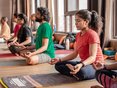
The indoor classes are performed in the yoga hall at the yoga school, and while the classes are going on, the windows are kept open so that students get fresh air and proper ventilation and can perform yoga with greater zeal.
To keep the class away from disturbance, cell phones are prohibited in the yoga hall, and unnecessary talking is also not allowed.
What a student gets after the completion of the course:
When the 300-hour teacher training course in Rishikesh is at its end, the enrolled students will have the privilege of receiving a certificate from the yoga school. This certificate is extremely important because it certifies that these students completed the course from that reputable association and institution.
They are also approved to become yoga instructors if they wish to do so.
Evaluation and certification
The assessment will be based on a written assignment. A student’s teaching (asana, pranayama, and meditation) will be a part of the assessment criteria. Evaluation will be carried out only for those students who have a minimum of 90% attendance.
Activities during the teacher training course:
Rishikesh Yogkulam's yoga teacher training courses in Rishikesh is more than just learning. But the course schedule also includes other activities, including excursions, mindfulness programs, spiritual visits and programs, outdoor yoga sessions, fun-loving activities, adventure thrills, trekking, and so on. They make sure one doesn't find the course curriculum hectic and boring, so they offer a proper schedule with breaks and activities.
1. Outdoor yoga practice
Rishikesh Yogkulam takes their students outside under the clear blue sky close to the Ganga River to practice yoga during the duration of the course. Rishikesh Yogkulam wants their students to feel the river Ganga. Their aim is to help them reconnect with nature.
Yoga is a training meant to turn out to be more flexible and in contact with nature. A significant number of the poses in training are named after creatures and their developments. Outside yoga benefits your body and psyche, causing you to feel closer to yourself and your general surroundings.
2. Kirtan
Kirtan is known for its serenity and its ties to yoga. Kirtan is known to calm the brain whenever you play it. People often encounter kirtan when they indulge in yoga, and it is most of the time an amazing encounter.
A Kirtan show isn't like your general shows, as everybody in kirtan sits on the floor, despite the fact that the seats are generally accessible. The entertainers are open, but still, there is segregation among entertainers and the people.
In the 300-hour course, kirtan is similarly included as an element of the instructional program.
3. Dance class
Dance is another aspect of yoga that improves one's lifestyle. People who are not into yoga also believe dance is a superior form of art that one should always indulge in. In yoga, dance takes a more classical and simpler form. These moves are fundamental and performed by every individual regardless of their age.
The 300-hour course joins a couple of dance classes for their understudies to take on and appreciate.
4. Waterfalls
Among the numerous amazing sights that Rishikesh that tourists enjoy, the Neer waterfall is the most recognizable one worldwide. This waterfall is located inside a heavy forest and is considered the heart of Rishikesh.
Neer is a combination of three such waterfalls that are present in Rishikesh. As recorded, the waterfall is 25 feet high. The spot is still protected from getting tampered with by the humans who visit this area. This has helped the area remain pristine and serene throughout the years. The trip towards the waterfall is another daring experience.
5. Ganga Arti
The aarti is done before the Ganga stream. The lights and candles (profound) are lit and surrounded by the pandits (Hindu ministers) in a clockwise way, joined by reciting or tunes in affirmation of Mother Ganga.
The most famous Ganga Aarti in Rishikesh is held at Parmarth Niketan Ashram, close to the waterway bank. People say that it's more impressive. Perhaps then, at that point being performed by pandits, the Ganga Aarti at ParmarthNiketan is made and performed by ashram occupants, especially the young people considering the Vedas there.
The limit begins with the singing of bhajans (aware tunes), petitions, and a hawan which is a cleansing and hallowed custom that happens around a fire, with the responsibilities made to Agni, the fire god.
6. River rafting
Whitewater river rafting in Rishikesh has won a couple of hearts of people worldwide. Admirers of this experience activity join local tourists, as well as visitors from Japan, Korea, and European countries in large numbers.Today, it is certified that it has even gotten more noticed by people from all fields of work and has been included in their schedule, which can include students, families, and corporate travelers.
Because of the large number of tourists who participate in white water river rafting in Rishikesh, the travel industry in Uttarakhand has been forced to set up various coastline camps and woods camps for the convenience of tourists outside of Rishikesh. It sounds like an ideal event for the lower Garhwal Himalayan town of Rishikesh, which is also known for its excursions and yoga retreats.
7. Sunrise trek to Kunjapuri Temple
One can do the most heavenly things when visiting Rishikesh or enjoying yoga are visiting and enjoying the beautiful sunrise. That is the reason when you try out a yoga institute in Rishikesh they incorporate a day where they take you on a journey nearly at 12:00.
This journey begins at the absolute bottom of Rishikesh and ends at the Kundapuri Temple. The trip is orchestrated at such a time that when you arrive at the Kunjapuri temple or sanctuary, you will have a hypnotizing view of the sunrise from the ridge, and seeing this dawn will improve your spirit and inspire you.
8. Visit to Vashistha Cave Rishikesh
Sage Vasishtha, one of the revered Seven Sages and author of Rigveda's Mandala 7, stands out as a figure steeped in Vedic history. He once decided to commit suicide in River Ganga due to the loss of his beloved youngsters. Still, Goddess Ganga denied his self-destruction, so he spent his life in a cave with his wife near the same location, and eventually, a small ashram was built around that cave.
In 1930, Swami Purshottamanand sought to create a haven of tranquility for those searching for profound reflection in the ashram, so he dedicated himself to preserving and sustaining the natural beauty that sprouted around Vashistha Yoga Ashram, where people from all over flock today to discover their inner power amidst nature's wonders. The ashram is 25 kilometers away from Rishikesh on Badrinath road, Uttrakhand.
Course outline
1. Yoga practice
- Daily yoga sessions
- Hatha and Ashtanga Vinyasa yoga practice
- Meditation and pranayama classes
2. The philosophy of yoga
- In-depth study of Patanjali's Yoga Sutras
- History and overview of yoga
3. Yoga anatomy
- Skeletal and muscular system of the body
- Chakra And gland relationship
- Postural knowledge and injury avoidance
4. Yoga sequencing
- Learn how to sequence your first yoga class
- Principle of sequencing
5. Yoga teaching skills
Be a confident teacher by improving your teaching abilities.
- Qualities of a good yoga teacher
6. Ethics and business
- Increase class engagement
Course syllabus
The following subjects are indicative of what you will study on this course:
1. Anatomy of the subtle body
Learn about how the body is receptive to the universal energy through chakras, pranas, and nadis.
2. Marma points
Learn to locate and activate these energy points to stimulate healing.
3. Restorative
Learn how to teach the restorative style of yoga, and the techniques used for deeply relaxing the body.
4. Pranayama
Learn to control and monitor breathing patterns for complete circulation.
5. Advanced methodology
Learn correct postural integration and the Art of Adjustments.
6. Chants / mantras
Recitation of chants to enhance focus and memory.
7. Yoga Sutras
Learn the aphorisms from the texts of Patanjali which form the spiritual framework of yoga.
8. Anatomy and physiology
Get an in -depth understanding of the internal systems and processes of the human body.
9. Applied anatomy
Theoretical and practical understanding of the application of anatomy for diagnosis and cure.
10. Asana
Learn to perform yoga poses and understand their benefits.
11. Sanskrit
Understand and learn the traditional Sanskrit terms.
12. Yoga philosophy
Learn the theory from the ancient scriptures and put the same into practice and their adaptation to modern yoga.
13. Prop usage
Use props and equipment to aid support while performing poses and enhance their benefit.
14. Use props and equipment to aid support while performing poses and enhance their benefit.
Learn about the association of meditation with yoga, and learn to practice the same.
15. Yoga therapy
Theoretical and practical understanding of yoga for health benefits.
Main topics you have to know
1. Hatha yoga
The human body has two side channels, or Nadis, the left channel (Ida Nadi) and the right channel (Pingala Nadi). Ida Nadi is associated with lunar energy, or the moon, while Pingala Nadi is associated with solar energy, or the sun. %With the practice of Hatha yoga, both the energy gets balanced, and when both are balanced, then one can experience good health and wellness.
Hatha yoga is a stubborn form of yoga in which you need to perform different sets of physical postures with varied breathing techniques. The practice of Hatha yoga was first discovered by Shiva, and is also known as Adiyogi. Shiva discovers various styles of yoga, so there is a link from Hatha to the Shaivism tradition. The practice was later carried forward by Siddhas and Naths.
Hatha Yoga Pradipika was the oldest and most ancient text on Hatha yoga's physical practices. The book was composed by Swami Swatamarama in the 15th century CE, and the text is from older Sanskrit texts and personal yoga experiences of Swatamarama.
Hatha yoga works with the aim of illuminating the spiritual goals of an individual to the highest level.
2. Ashtanga yoga
The name Ashtanga can easily be explained with the words it comprises. "ashta" is a Sanskrit word which means "eight" and "anga" is also another Sanskrit word meaning "limb". Ashtanga yoga is an Eight Limb yoga with a plethora of benefits. These eight limbs of ashtanga yoga describe different branches of Yoga Sutras.
The eight limbs are Yama (moral codes), Niyama (self-discipline), Asana (posture), Pranayama (breath control), Pratyahara (sense withdrawal), Dharana (concentration), Dhyana (meditation), and Samadhi (oneness with the self).
One of the common yet complex examples of Vinyasa yoga is Surya Namaskar, known as the "sun salutation in English.
3. Meditation
Meditation is an exercise of the mind, and when there is a goal to take care of physical wellness, then it becomes necessary to keep an eye on mental health as well.
With meditation, one can easily keep one's mind calm and cool. Meditation is the exercise of mind, which assists you in making your mind better. Meditation is not as simple as it seems, and it includes a set of exercises and techniques which you need to know if you are practicing it for the first time.
If you are not including meditation in your daily routine or exercise schedule, then it will surely become difficult for you to concentrate on a task. When the mind is not in a stable condition or is agitated, it is difficult to focus on any exercise or chore. This is why meditation is considered a mindful practice that is beneficial for keeping you relaxed.
4. Pranayama
"Prana" is the Sanskrit word that means "life force" or "energy" and "yama" means "control". Pranayama is a yogic practice that controls the life energy of an individual. It is much more important to maintain the complete wellness of a person by balancing their mental and physical powers.
The practice is a 3-step process, including inhalation, holding, and exhalation. You need to inhale completely, continue by holding the breath for some time, and then the exhalation of the breath completes the process.
Pranayama holds great importance, as the regular practice of it brings about lots of positive changes. It also frees you from the disturbing mental, emotional, and spiritual cycle. The primary goal of pranayama is to establish a strong connection between the body and mind. It supports supplying enough oxygen to the body by eliminating toxins.
Learn the business aspects of teaching yoga
1. Recitation of sacred sound (mantra chanting)
The purpose of mantra chanting in yoga is to generate vibrations and connect with the universe. Each mantra is special and rich with spiritual energy.
- Om Asato Maa Sadgamaya (Mantra from Upanishad)
- Tvameva mata ca pita Tvameva (Sloka on gods)
- Om Tryambakam Yajamahe ( Mantra on lord shiva)
- Om sahana vavatu ( Mantra from Upanishad)
- Guru Brahma Guru Vishnu Gurudevo maheshwara ( Guru stotram)
- Yogena Cittasya ( Sloka on sage Patanjali)
- Hare rama, Hare Krishna ( Maha mantra)
- Vakratunda Mahakaya Mantra
- Om Bhur Bhuva Swaha (Gayatri Mantra)
2. Yoga postures (asana)
Students will gain extensive knowledge of yoga postures and will increase their strength, flexibility and discipline.
Ashtanga Vinyasa yoga course syllabus
1. Sun salutation A
2. Sun salutation B
- I Padangusthasana - Big teo posture
- II Padahastasana - Hand under foot posture
- III Utthita trikonasana- Triangle pose
- IV Parivrtta Trikonasana - Revolving triangle
- V Utthita parvakonasana - Extended side angle pose
- VI Parivritta Parsvakonasana - Revolving side angle pose
- VII Prasarita padottanasana A to D - Intense wide leg stretch
- VIII Parsvottanasana- Intense side stretch posture
- IX Utthita hasta padangusthasana - Hand to big toe posture
- X Ardha Baddha Padmottanasana - Half bound lotus forward bend
- XI Utkatasana - Fierce pose
- XII Virabhadrasana A-B. Warrior
- XIII Dandasana- Staff pose
- XIV Paschimottanasana A to C Intense West - Stretch or sitting forward bend
- The Vinyasa (Vinyasa to jump back)
- XV Purvottanasana -Intense east stretch
- XVI Ardha baddha Padma paschimottanasana - Half bound lotus forward bend
- XVII Tiriang mukhaipada paschimottanasana - reverse the leg direction of one leg intense east stretch
- XVIII Janu sirsasana A to C Head to knee pose
- XIX Marichyasana A-D
- XX Navasana - Boat posture
- XXI Bhujapidasana- Shoulder pressure posture
- XXII Kurmasana- Tortoise posture
- XXIII Supta kurmasana- Sleeping tortoise
- XXIV Garbha pindasana- Embryo posture
- XXV Kukkutasana - Rooster posture
- XXVI Baddha konasana A to B - Bound angle posture
- XXVII Upavista konasana A to B - Seated angle posture
- XXVIII Supta konasana A to B - Lying down angle posture
- XXIX Supta padangustasana - Reclining big toe posture
- XXX Ubhaya padangusthasana - Both big toes postures
- XXXI Urdhva mukha paschimottasana - Upward facing full forward bend
- XXXII Setu bandhasana - Bridge
- XXXIII Urdhva dhanurasana - Upward bow posture
- XXXIV Paschimottanasana - Full forward bend
- XXXV Salamba sarvangasana - Shoulder- stand
- XXXVI Halasana - Plow
- XXXVII Karnapidasana - Ear pressure posture
- XXXVIII Urdhva padmasana - Upward lotus
- XXXIX Pindasana - Embryo posture
- XL Matsyasana - Fish posture
- XLI Uttana Padasana - Extended leg posture
- XLII Sirsasana - Headstand
- XLIII Yoga mudra - sealed yoga posture
- XLIV Padmasana - Lotus
- XLV Uttpluthi - uprooting
- XLVI Savasana - Corpse posture
Hatha yoga course syllabus
- Alignment, Assist, and Adjustment
- Surya namaskar (sun salutation)
- Chandra namaskar (moon salutation)
- 1. Bharadvajasana
- 2. Lolasana - swinging pose
- 3. Kukkutasana - rooster pose
- 4. Sarpasana - snake pose
- 5. Shalabhasana - locust pose
- 6. Dhanurasana - bow pose
- 7. Paschimottanasana - seated forward bend
- 8. Janu sirshasana - head to knee pose
- 9. Parivirta janu sirshasana - revolving head to knee pose
- 10. Sarvangasana - shoulder stand
- 11. Padam sarvangasana - shoulder stand lotus pose
- 12. Sirshasana - Headstand
- 13. Natarajasana - lord shiva’s pose
- 14. Utthita hasta padangusthasana
- 15. Naukasana - Boat pose
- 16. Vatayanasana - horse face pose
- 17. Mayurasana - peacock pose
- 18. Koormasana - tortoise pose
- 19. Chakrasana - wheel pose
- 20. Hanumanasana - monkey pose
- 21. Agnistambhasana - fire log pose
- 22. Brahmacharyasana - celibate’s pose
- 23. Astavakrasana - eight-twists pose
- 24. Ek pada sirasana - one foot to head pose
- 25. Chaturanga dandasana
- 26. Pincha mayurasana - Feathered peacock pose
- 27. Eka pada koundinyasana - sage koundinyasana
- 28. Handstand - Adho mukha vrksasana
- 29. Ardha pincha mayurasana - dolphin pose
- 30. Makara adho mukha svanasana - dolphin plank pose
- 31. Bakasana - crow pose
- 32. Ek pada bakasana - one leg crow
- 33. Utthan pristhasana - lizard pose
- 34. Pashasana - Noose pose
- 35. Parivrtta surya yantrasana - sundial or compass pose
- 36. Titibasana - firefly pose
- 37. Parshva bakasana - side crow
3. Pranayama (breathing practices)
1. Introduction of pranayama
2. The pranic body
- a. Annamaya kosha
- b. Manomaya kosha
- c. Pranamaya kosha
- d. Vijnanamaya kosha
- e. Anandamaya kosha
3. Natural breathing
4. Abdominal breathing
5. Thoracic breathing
6. Clavicular breathing
7. Yogic breathing
8. Nadi shodhana pranayama and its techniques
9. Sheetali pranayama and its techniques
10. Sheetkari pranayama
11. Bhramari pranayama
12. Ujjayi pranayama
13. Bhastika pranayama
14. Kapalbhati pranayama
15. Moorchha pranayama
16. Surya Bheda pranayama
17. Chandra bhedana pranayama
18. Swana pranayama
4. Mudra (yoga gestures)
The practice of Mudra hand gestures is an ancient facet of yoga. Performing gestures affects the energy flow of the body and can change a person's spiritual and mental characteristics.
- 1. Introduction of mudras
- 2. Jnana and chin mudra
- 3. Yoni mudra
- 4. Bhairava mudra
- 5. Hridaya mudra
- 6. Khechari mudra
- 7. Nasikagra mudra
- 7. Shambhavi mudra
5. Bandhas (energy lock)
The practice of Bandhas expands the lung capacity and breathing capabilities during yoga. It also strengthens the entire body from the inside out.
- 1.Introduction to bandha
- 2.Jalandhara bandha
- 3.Moola bandha
- 4.Uddiyana bandha
- 5.Maha bandha
6. Meditation (dhyana)
Meditation is a systematic practice that promotes physical, mental, and emotional tranquility with the purpose of reaching Samadhi (self-realization).
- Introduction to meditation. Meditation, why? Meditation and brain waves, meditation and its effect on stress management, obstacles in meditation, role of concentration in meditation, and tips for developing concentration
- Meditation on body and breath, Om / Mantra Meditation, Antat and Bahir, Trataka, Dynamic meditation, tips for silent meditation practice
- Japa meditation, Ajapa Japa, Antar Mouna, Nada meditation
7. Yoga Nidra (psychic sleep)
When a yoga practitioner moves through the various internal states of yoga Nidra, a profound experience of relaxation occurs. This is called "Turiya," a sensation of pure bliss.
- Basic relaxation
- Tension relaxation
- Full body relaxation
8. Yoga cleansing (shatkarma)
Yogic cleansing exercises are important to learn how to incorporate your breath and meditate properly during the physical aspects of yoga. It also removes the blockages in the energy channels.
- Jalaneti Satkarma (nasal cleansing with salty water)
- Rubber neti (nasal cleansing with a rubber string)
- Agnisar Kriya Nauli Kriya Kapalbhati Cleansing
9. Anatomy and physiology (sharir vijnan)
Proper understanding of the physical body will help prevent injury before, during, and after practice.
There are two kinds of yoga anatomy, which are physical and spiritual, and understanding both types is needed.
- Digestive system
- Respiratory system
- Circulatory system
- Nervous system
- Endocrine system
- Organs bodily systems
Detailed study
- Effects of pranayama on the respiratory system
- Effects of yoga practice and Nauli on the digestive system
- Muscular and skeletal system with advanced postures
- Anatomy of pelvic griddle and spine
- Nadis: The energy channel
- Prana and the nervous system
- Kundalini, shakti , chakra and panchakosha
- Therapeutic applications of yoga postures and how to avoid injury in asana class
10. Yoga philosophy (yoga darshana)
Yoga philosophy is the foundation of the yoga practice and is the key to earning yogic strength. Through the path of Vedanta Philosophy, you will establish a solid, well-rounded yoga practice.
Patanjali Yoga Sutras
- 1. Chapter 1- Samadhi pada
- 2. Chapter 2- Sadhana Pada
11. Yoga therapy
Incorporating therapeutic yoga practices helps to address various physical, mental, and emotional disorders. Students will learn techniques for combating these issues through yoga.
- Shathkarma
- Therapeutical effects of shathkarma
- Tridosha (explanation of tridosha)
- Food habits as per tridosha
- Nadi parikshan
- Diabetes
- Hypertension
- Respiratory diseases - diseases related to respiration
- Yoga Nidra
- Pranayam and its effects
- Heart diseases
- Heart opening session
12. Teaching practice (adhyapanam)
Students will take turns practicing their teaching skills by performing in front of their peers and teachers.
- Demonstration
- Alignment
- Instructions
13. Teaching methodology
A yoga teacher should efficiently perform the practical applications of class planning and preparation. At Rishikesh Yogkulam School, students will learn how to create a positive and peaceful class environment for an enjoyable and transformative experience.
- 1. Positive and conscious communication
- 2. Friendship and trust
- 3. Time management
- 4. Qualities of a teacher
- 5. Principles of demonstrating, observation, assisting, correcting
- 6. Use of voice in class
- 7. Mental and emotional preparation for teaching
- 8. Class preparation
- 9. Step by step class structure planning
Instructions you have to follow at Rishikesh Yogkulam:
- Discipline is an integral part of the training program and so the course routine must be strictly observed.
- All classes are mandatory. Only in case of an emergency or illness can one take leave with the respected teacher’s permission. Uninformed leaves won’t be accepted and will be considered a gross breach of discipline and will affect the student’s monthly performance.
- Ensure you are on time for class since you will not be permitted to enter any class once it has commenced.
- Disobeying the rules and regulations could result in the termination of studentship with no refund of fees.
- A student must give advance notification if they intend to skip a meal so that there is no wastage of food.
- Rishikesh Yogkulam does not make arrangements for guests of students.
- Any activity that is not related to the course is not permitted.
- Smoking and alcohol are not permitted during the training.
Sample of daily schedule
The schedule may be subject to change.
- 05:30 Morning bell
- 06:00 - 07:30 Hatha yoga
- 07:45 - 08:45 Pranayama
- 08:45 - 09:45 Breakfast
- 10:00 - 11:00 Yoga philosophy
- 11:15 - 12:15 Alignment and adjustment
- 12:30 - 13:00 Yoga teaching methodology
- 13:00 - 14:00 Lunch
- 14:00 - 15:30 Self-study / rest
- 15:30 - 16:30 Yoga anatomy and physiology
- 16:30 - 18:00 Yin yoga / Ashtanga Vinyasa
- 18:15 - 19:15 Meditation
- 19:30 - 20:30 Dinner
- 21:00 Lights off
Included excursions
During this training, you will be enjoying a different trip or extra-curricular activity on Sundays:
Excursions are held on Sundays, but they are subject to change according to the weather.
- Famous Parthmarth Niketan Aarti
- White river rafting
- Himalayan Sunrise tour
- Local market tour in Rishikesh
- Waterfall trekking
- Sightseeing of the famous ghats (river sides)
Instructors

Amit Ji
Born and brought up in Rishikesh, popularly known as the world capital of yoga. Amit is a young yoga practitioner and a learned yoga guru. His first formal training was at Jay Ram Ashram, Rishikesh, where he did an in-depth study on subjects like Hatha yoga, yoga philosophy, anatomy and physiology, yoga therapy, shatkarma, yogic diet, and nutrition, along with other aspects of art. Since then, Amit has dedicated himself to the path of yoga to gain proficiency in his work.

Mandeep Ji
Mandeep Ji is one of the popular yogis in Rishikesh. With his 10 years of yoga practice and teaching mantra chanting, yoga philosophy, and meditation, he has become an expert trainer of yoga. He has also worked as an astrologer for nine years. Mandeep Ji’s heart and soul lies in music and he says that music is life for him. He has practiced yoga and spirituality in Rishikesh for 18 years. Mandeep Ji is a yoga guru who has given a valuable part of his life to yoga and the preaching of meditation, sound healing, and the practice of yoga philosophy.
Ella Ji
Ella is specialized in Yin yoga, meditation techniques (especially Buddhist and Osho), pranayama, and Reiki. Her classes are focused to release the blockages from the body, both mental and physical. In her cueing, you can find many anatomical as well as psychological and spiritual aspects. She always puts great emphasis on breathing and meditation, both before and after the practice. She also likes to add some mantra chanting and aromatherapy. Her motto is to embrace the discomfort and allow changes to happen.

Jitu Ji
A distinguished and time-honored individual, Jitu Ji embodies traditionalism. He completed his Bachelor's in Sanskrit from Parmarth Niketan Ashram here in Rishikesh itself and went on to pursue his Master's in Yoga from the prestigious Uttarakhand Sanskrit University. He has spent over 10 years of his life in various ashrams like Bhagirathi Dham Ashram and Anand Dham Ashram. While he teaches Ashtanga Vinyasa at the school, his classical method of teaching brings students in, leaving them with a sense of gratitude and fulfillment.

Pankaj Ji
Pankaj Sharma was born and brought up in the foothills of Himalayas, Himachal Pradesh. After the completion of B.A in Sanskrit, he moved to Rishikesh and spent 8 years of his life in an ashram, learning yoga in the age-old Gurukul style leading a disciplined and yogic life. To Satiate his urge for knowledge Pankaj went on to pursue a Masters's degree in Yoga simultaneously teaching in various ashrams and Yoga schools. Due to his early induction to ashram life, Pankaj at a very young age has carved a niche for himself in yoga with his teaching skills and knowledge in Vedas, and Upanishads.

Deepa Ji
As a teacher, Deepa ji focuses largely on Meditation, Yoga Nidra, Mantra Chanting, and Laughing Yoga. She has fondly been teaching 200 hours and 300 hours of Yoga teacher training courses at various prestigious yoga schools for more than 12 years. For many, spirituality may have a definition differentiating from one another, but for Deepa ‘spirituality’ is all about peace of mind, being consistent within striking a perfect balance with yourself.
Sadhushri Ji
Sadhu Shri Ji has a deep knowledge in philosophy owing to his specialization in Indian Philosophy. He has studied Patanjali Yoga Sutra, Upanishads, and Buddhist literature in depth which has contributed immensely to his knowledge of philosophy and history. Now, for many years, the Yoga Guru has been sharing his valuable experience of philosophy with his students along with teaching his students on how to use the knowledge in day-to-day routine life with the help of practical approach backed by reasoning.

Siddha Ji
Siddha Ji brings a wealth of knowledge from his diverse experience and background.His yoga classes blend his love of creative ways of sharing this traditional knowledge with a modern aspect that connects the students deeply. With his continuous studies of different breathing practices (Pranayama), Sound Healing, Reiki and yoga as a modality to heal. There is a major focus on mindfulness, body and breathing awareness, Yoga Nidra, and various techniques of meditation as well as dipping into the more subtle aspects of yoga.
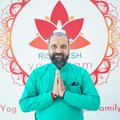
Mahesh Ji
Yogacharya Mahesh, born and brought up in the foothills of the Himalayas in Rishikesh, has a strong educational background and extensive experience in the field of yoga. He completed his B.Sc. in Science from HNB Garhwal University. Afterward, he pursued his passion for yoga by obtaining a P.G. Diploma in Yoga from Uttarakhand Sanskrit University, where he achieved the prestigious gold medal. Continuing his academic journey, he earned an M.Sc. in Yoga from the same university, once again receiving a gold medal for his exceptional performance.
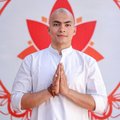
Dhirendra Ji
Born in the lap of the Holy Ganga, at the feet of the Bhootnath Shiva Temple, amidst the forests of the Himalayas, Dhirendra reveals himself as a nature lover and spiritual seeker. Having started his schooling at the tender age of 5, from one of the oldest, most iconic and traditional schools of Rishikesh, Dhirendra believes he was drawn to Yoga by a mystical force as he practiced asanas during the physical education lessons in school. He began to live the yogic way of life from that early age and embraced spirituality as his routines began with dedicatead yoga pratice.

Dr. Hemlata Ji
Dr. Hemlata ji represents deep understanding and commitment in yoga, anatomy and physiotherapy field. Her school success, long work experience and strong promise to spread the change of yoga make her a great person in this field. For many years, she has been teaching about yoga anatomy and therapy in the spiritual place of Rishikesh. She is inspiring lots of people to move forward on their yogic adventures. Her lessons have given her a good name as a trusted expert and guide. Hemlata ji has a great school history and fantastic job experience.
Location
Rishikesh, India
The teacher training program will take place in Rishikesh, India, and in a school that is situated in the heart of Rishikesh that is next to the famous hanging bridge and the holy Ganga, or the holy river.
The school is peaceful and surrounded by beautiful green mountains, and there are shops, cafes, restaurants, ATMs, healthcare, and organic stores close to the school.

Features
Activities
- Shopping
General
- Air-conditioned rooms
- Dining area
- Kitchen
- Lobby
- Yoga shala
- Yoga studio
Services
- ATM / banking
- Dry cleaning
- Free parking
- Free Wi-Fi
- Internet access
- Laundry
- Library
- Medical assistance
- Wireless internet
Food
Vegetarian meals
There are three highly nutritious and pure vegetarian meals every day for breakfast, lunch, and dinner that are included in the price, except for meals on Sunday.
The food is fully prepared hygienically, and the vegetables are organic. The food at Rishikesh Yogkulam is known all around the world for its taste and varieties. These are freshly prepared at the school and are specially designed to nurture your body, allowing you to focus on your practice.
Refreshing herbal tea is also provided every morning, and there is RO-filtered drinking water.
Note:
- In line with the yogic philosophy of respecting everyone's life, Rishikesh Yogkulam follow a lacto-vegetarian diet. They do also take care of dietary requirements such as dairy-free, gluten-free, vegan.
- Remember to let Rishikesh Yogkulam know before your arrival, if you follow a special diet or have a different allergy/intolerance then those mentioned above kindly let them know prior to your booking so they can check the possibility with the kitchen staff.
- Rishikesh Yogkulam cannot cater for celiac disease or strong gluten allergy due to possible gluten contamination.
- Rishikesh Yogkulam cannot guarantee no contamination for food.
- On Sundays, no food will be served and you can enjoy the meals in the cozy cafes nearby with beautiful Ganga view.
The following meals are included:
- Breakfast
- Lunch
- Dinner
The following drinks are included:
- Water
- Tea
The following dietary requirement(s) are served and/or catered for:
- Vegetarian
- Vegan
- Gluten Free
- Lactose Free
- Yogic
- Ayurvedic
Things to do (optional)
Below are some of the amazing things to do in Rishikesh. These activities are not included in the package, but Rishikesh Yogkulam can arrange them upon request.
- Ayurveda doctor consultation
- Ayurvedic massage and therapies
- Private sound healing sessions
- Sound healing courses
- Reiki sessions
- Reiki courses
- Emotional release treatment
- Astrology consultation (birth chart reading)
What's included
- Daily mantra chanting, meditation, asana, anatomy, and yoga philosophy
- Special Yin yoga classes
- Teaching methodology classes
- Bollywood dance class
- Free sound healing and kirtan session
- Course materials will be provided
- Free online preparatory course
- PDF of some yoga books
- Outdoor excursions that include some of the caves, temples, waterfalls, or local mountain villages
- Airport pick up from Dehradun Airport (DED) for arrival day
- Use of campus facilities such as free Wi-Fi
- Weekly room cleaning
- Morning herbal tea is provided
- 3 organic delicious meals per day (except for meals on Sunday)
- 28 nights accommodation
What's not included
- Private accommodation (addition of 400 USD)
- Air-condition / heater (addition of 150 USD)
- Airport drop-off on departure day
- Ayurveda doctor consultation
- Ayurvedic massage and therapies
- Private sound healing session
- Yoga photoshoot session
- Reiki sessions
- Physiotherapy sessions
- Astrology consultation (birth chart reading)
- TCM face reading session (personal or relationship reading)
- Meals on Sunday
How to get there
Recommended Airports
Transfer included
Jolly Grant Airport
15 km away from your destination
Transfer available for additional US$ 73 per person
Indira Gandhi International Airport
208 km away from your destination
Arrival by airplane
Please book your flight to arrive at Indira Gandhi International Airport (DEL) from where you can take a domestic flight to Dehradun Airport (DED). Upon your arrival, there is a complimentary taxi waiting for you, which will bring you from the airport to the yoga school at Laxman Jhula. Airport pick up from Dehradun Airport (DED) is included in the price.
Airport transfer from Indira Gandhi International Airport (DEL) is available for an additional cost of 73 USD.
Arrival by bus
From Indira Gandhi International Airport (DEL), you can get a taxi to bring you to Delhi ISBT bus station. From there, you can find many governments and private means of transportation to bring you to Rishikesh. Once you arrive at Rishikesh bus station, there will be many taxi options for you to choose from.
Arrival by train
The nearest railway station is the Haridwar Train Station. From there, you will find many buses, taxis, and other transportation services that will bring you to Rishikesh. If you want Rishikesh Yogkulam to help you arrange transportation from Haridwar, kindly let them know.
Cancellation Policy
- A reservation requires a deposit of 20% of the total price.
- The deposit is non-refundable, if the booking is cancelled.
- The rest of the payment should be paid on arrival.

Reviews
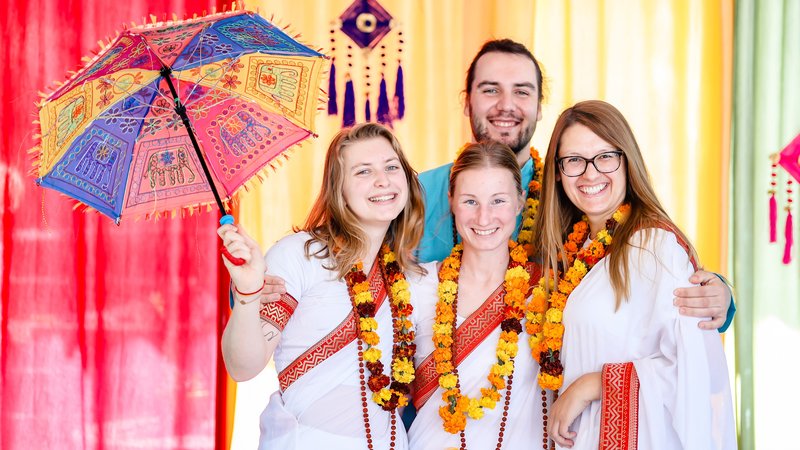
For this organizer you can guarantee your booking through BookYogaTeacherTraining.com. All major credit cards supported.
Similar Yoga Teacher Training you might like
You recently viewed